

Fusible links protect a car by melting under overload to stop fire and damage.
Use links that match OEM gauge, length, and placement so they behave predictably.
Choose sealed, heat‑rated links or waterproof inline fuse holders for wet or under‑hood use.
Avoid ordinary wire or spliced substitutes and fit links where they can be inspected and replaced easily.
| 10-Pack Waterproof 12V Inline Fuse Holders with Fuses |

| Complete Kit | Gauge: 12 AWG (holder wires) | Purpose / Function: Protect vehicle circuits using inline fuses | Automotive Application: Automotive, marine, golf cart lighting, vehicle circuits | VIEW LATEST PRICE | Read Our Analysis |
| Pico 8126PT 16-Gauge Fusible Link Wire (7′) |
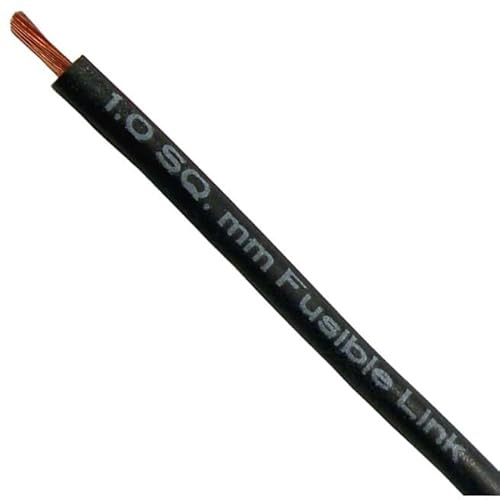
| Compact Replacement | Gauge: 16 gauge | Purpose / Function: Fusible link that opens under extreme overload | Automotive Application: Automotive fusible link replacement/installation | VIEW LATEST PRICE | Read Our Analysis |
| Pico 8124PT 12-Gauge Fusible Link Wire (4′) |

| OEM Fit | Gauge: 12 gauge | Purpose / Function: Fusible link that opens under extreme overload | Automotive Application: Automotive fusible link replacement/installation | VIEW LATEST PRICE | Read Our Analysis |
| Dorman 85622 14 Gauge Fusible Link Wire Carded Universal Fit |

| Professional Install | Gauge: 14 gauge | Purpose / Function: Adds a fused circuit for vehicle accessories | Automotive Application: Vehicle electrical accessory installations (universal fit) | VIEW LATEST PRICE | Read Our Analysis |
| Sherco-Auto 14 AWG Fusible Link Wire (10 ft) |

| Heavy-Duty Spool | Gauge: 14 AWG | Purpose / Function: Fusible link protecting automotive harness in overload | Automotive Application: Automotive/high-current wire harness applications | VIEW LATEST PRICE | Read Our Analysis |
More Details on Our Top Picks
10-Pack Waterproof 12V Inline Fuse Holders with Fuses
Whenever working on cars, boats, or golf carts and want a simple, reliable way to protect circuits, these Pack Waterproof 12V Inline Fuse Holders with Fuses are a smart pick. You get ten heavy 12 AWG holders plus 35 blade fuses, so you won’t run out during installs. The tin plated copper conductors bend easily and resist melting, which keeps connections steady. Double slot sealing covers keep water and dust out, so circuits stay safe in wet weather. They’re easy to fit, save time, and suit automotive, marine, and golf cart lighting without fuss or worry.
- Gauge:12 AWG (holder wires)
- Purpose / Function:Protect vehicle circuits using inline fuses
- Automotive Application:Automotive, marine, golf cart lighting, vehicle circuits
- Conductor Material:Tin-plated copper conductor
- Length / Quantity Provided:10 inline fuse holders with ~11.8″ total wire length each (package of 10)
- Installation / Use Ease:Designed for easy installation (plug-in inline holders)
- Additional Feature:Double-slot sealing cover
- Additional Feature:12 AWG heavy-duty wire
- Additional Feature:35 assorted blade fuses
Pico 8126PT 16-Gauge Fusible Link Wire (7′)
Should you want a simple, reliable replacement fusible link for older cars or custom wiring projects, the Pico 8126PT 16-gauge fusible link wire is a smart pick because it matches common small-circuit needs and comes in a ready 7-foot length. You’ll find it’s made from aluminum and copper strands and weighs very little, so it’s easy to handle. You must match the original length and gauge whenever replacing a link, since typical guidance says fusible links are four gauges smaller than the circuit wire. Don’t substitute ordinary wire or use this as a direct fuse replacement. Color might differ.
- Gauge:16 gauge
- Purpose / Function:Fusible link that opens under extreme overload
- Automotive Application:Automotive fusible link replacement/installation
- Conductor Material:Aluminum/copper (listed materials)
- Length / Quantity Provided:7 feet total per package
- Installation / Use Ease:Intended as direct replacement fusible link (must match length/gauge)
- Additional Feature:Aluminum/copper construction
- Additional Feature:Single-strand cable
- Additional Feature:7-foot length per package
Pico 8124PT 12-Gauge Fusible Link Wire (4′)
Should you want a reliable replacement that matches factory specs, the Pico 8124PT 12-gauge fusible link is a smart pick for DIYers and mechanics alike. You’ll get four links in a 4 foot package, each made from copper with three strands and a single conductor. The link opens the circuit under extreme overload, keeping wiring and components safe. You must match factory length and gauge exactly and avoid using ordinary wire or swapping fuses for fusible link wire. Pico’s part 8124 fits circuits that need a link four gauges smaller than the main wire, so handle measurements carefully.
- Gauge:12 gauge
- Purpose / Function:Fusible link that opens under extreme overload
- Automotive Application:Automotive fusible link replacement/installation
- Conductor Material:Copper
- Length / Quantity Provided:4 feet total per package (4 links)
- Installation / Use Ease:Intended as direct replacement fusible link (must match length/gauge)
- Additional Feature:4 links per package
- Additional Feature:3-strand construction
- Additional Feature:4-foot total length
Dorman 85622 14 Gauge Fusible Link Wire Carded Universal Fit
Should you want a simple, reliable way to add a fused circuit for accessories, the Dorman 85622 14 gauge fusible link is a great choice for DIYers and pros alike. You’ll get a clean, professional look upon installing this through hole mount unit. It accepts a standard fuse and uses corrosion resistant contacts for steady conductivity. At 14 gauge it suits many accessory installations and feels sturdy in hand. The plastic insulated body stays smooth and compact at 4 whenever 1.5 whenever 1 inches. You’ll appreciate easy installation, Dorman support, and lightweight, universal fit for most vehicles.
- Gauge:14 gauge
- Purpose / Function:Adds a fused circuit for vehicle accessories
- Automotive Application:Vehicle electrical accessory installations (universal fit)
- Conductor Material:Copper (contacts; conductor implied copper)
- Length / Quantity Provided:Single carded unit (wire length not specified)
- Installation / Use Ease:Easy to install; no special tools required (universal fit)
- Additional Feature:Through-hole mountable
- Additional Feature:Corrosion-resistant contacts
- Additional Feature:Professional appearance
Sherco-Auto 14 AWG Fusible Link Wire (10 ft)
Should you need a simple, reliable way to protect high-current automotive wiring looms, the Sherco-Auto 14 AWG fusible link wire is made for DIYers and pro techs who want dependable overload protection without extra fuss. You’ll find a 10 ft black coil of multi-strand copper that meets SAE J-1128 Type HTS. It’s rated 50 volts and 150 °C, so it handles demanding cable spots where regular fuses fail. The link’s conductor is sized smaller to melt on overload while insulation contains sparks. You can buy longer coils in case they’re required, and it’s made in the United States.
- Gauge:14 AWG
- Purpose / Function:Fusible link protecting automotive harness in overload
- Automotive Application:Automotive/high-current wire harness applications
- Conductor Material:Copper (multi-strand conductor)
- Length / Quantity Provided:10 feet (also available in other lengths)
- Installation / Use Ease:Universal fit; used where fusible link required (standard installation)
- Additional Feature:SAE J-1128 compliant
- Additional Feature:150 °C temperature rating
- Additional Feature:10 ft spool option
Factors to Consider When Choosing Car Fusible Links
If you select a fusible link, consider the wire gauge and the current it must carry so you don’t overload the circuit. Also consider the link length, material and construction, and how well it resists heat, moisture, and road grime, because those factors work together to determine reliability. Finally check how easy it is to install and whether it fits your vehicle so you can replace it quickly and confidently.
Gauge And Current Capacity
Pick the right fusible link size and you protect wiring without annoying blowouts; pick wrong and you either let a fire start or chase fuses all week. You need to match fusible link gauge to the main conductor, usually 3 to 4 AWG sizes smaller so the link melts first in a severe overload. For small control circuits you’ll see about 16 AWG, while higher-current harnesses use 10 to 14 AWG or larger depending on load. Keep in mind that length affects current capacity too; shorter links carry more current before melting, so replacement must match original length and gauge. Don’t oversize the gauge or you’ll lose protection. Don’t undersize it or you’ll nuisance-blow. Also account for heat and conductor material when choosing.
Fusible Link Length
A few inches of wire can change how and at what point a fusible link saves your car, so pay close attention to length as well as gauge. You should match the original length exactly because length controls heat spread and melting behavior. Longer links shed heat better and need more current or time to open. Shorter links focus heat and will open sooner. Whenever you replace or design a link, calculate length with cross section and ambient temperature in mind so the fuse opens at the right current and delay. Don’t trim or splice unless you verify final length and integrity. Small changes or joints can make melting unpredictable and unsafe. Follow the original specs to keep your electrical system reliable and protected.
Material And Construction
You’ve just seen how length controls heat and melt behavior, and now you’ll look at what the link is made of and how it’s put together, because material and construction directly shape that melting. You want a fusible conductor that melts predictably, so copper or aluminum alloys sized several AWG smaller than the protected wiring are common. You’ll notice multi strand copper bends easily and spreads heat, while single strand wire gives a steady, repeatable melt point. Insulation must resist heat and flame to keep hot metal contained and avoid shorts whenever the conductor fails. Check temperature and low voltage ratings to match under‑hood conditions and expected life. Also prefer corrosion resistant plating or tinning to keep conductivity stable and prevent changes in melt behavior over time.
Environmental Resistance
Upon exposure to road grime, heat, or salt, your fusible link can fail long before it ever needs to protect a circuit, so you want materials and assembly that resist the elements and keep performance steady. Pick insulation and construction rated for at least 125 to 150 °C so the link won’t soften on hot days or near the engine. Also choose sealed or coated conductors for moisture and corrosion resistance in case you drive in rain, snow, or coastal areas. Check voltage and dielectric specs to match your low voltage system and avoid tracking or breakdown. Add abrasion resistant jacketing or run the link through conduit where vibration, sharp edges, or heat could chafe it. Finally, use UV stabilized insulation or protect routing in the event sunlight reaches the cable.
Installation Ease And Fit
As you select a fusible link, consider how it will actually get into the car and stay there, because even the best materials fail should installation be awkward. You should match gauge and length to the original circuit, recalling the common rule that a fusible link is about four AWG sizes smaller than the protected conductor. Pick a style that fits your termination points and routing space, like pre-terminated ring terminals, bare wire for inline splicing, or spool coil for custom runs. Check diameter and insulation thickness so the link passes through grommets and clamps without pinching. Prefer pre-insulated or factory-style links to cut down on crimping, soldering, and heat-shrink work. Plan mounting in accessible locations so inspection and replacement are quick and simple.
Application Compatibility
How do you know a fusible link will work where you need it? You match the link gauge to the circuit so it melts before wiring or parts do, usually about four AWG sizes smaller than the conductor. Next pick a length and location that lets the link open cleanly and stay accessible for inspection or replacement while staying inside the wiring loom or protected area. Also make sure voltage and temperature ratings meet or exceed system conditions, including under hood heat up to about 150°C. Choose construction—insulated or not, strand count, conductor material—based on environment and how you want overloads to behave to contain sparks and limit damage. Finally use fusible links only where regular fuses won’t work and follow OEM gauge and placement guidance.
Standards And Specifications
Whenever you pick a fusible link, consider standards and specs as your safety map because they tell you what the link must do in real car conditions. You’ll want links that meet automotive standards like SAE J1128 so construction, temperature rating, and performance match vehicle needs. Next, choose a gauge about four AWG sizes smaller than the protected conductor so the link melts initially and protects wiring. Also check temperature ratings near 150 °C and insulation type to survive under the hood. Verify voltage ratings, typically 12 to 50 V, and that the link contains the conductor during fusing to cut flame and arcing. Lastly confirm conductor material and strand count, for predictable fusing and reliable long term safety.
