


Can you really clean your catalytic converter yourself? Yes, you can! This is a viable and cost-effective DIY project. You restore your catalytic converter’s efficiency and improve your vehicle’s performance through DIY cleaning. This guide shows you how to clean catalytic converter, giving you 11 significant performance wins. You save money by taking a DIY approach. You also extend your catalytic converter’s life. This cleaning project helps your catalytic converter work better.
Key Takeaways
You can clean your car’s catalytic converter yourself. This saves money and makes your car run better.
A dirty catalytic converter causes problems. Your car may lose power, use more gas, or show a ‘check engine’ light.
You can clean it in two ways. You can add a cleaner to your gas tank, or you can remove and wash the part.
Cleaning your catalytic converter helps your car. It improves gas mileage, makes the engine stronger, and helps pass emissions tests.
Keep your catalytic converter clean. Drive your car on highways sometimes and follow your car’s maintenance schedule.
Understanding Your Catalytic Converter
Catalytic Converter Function and Importance
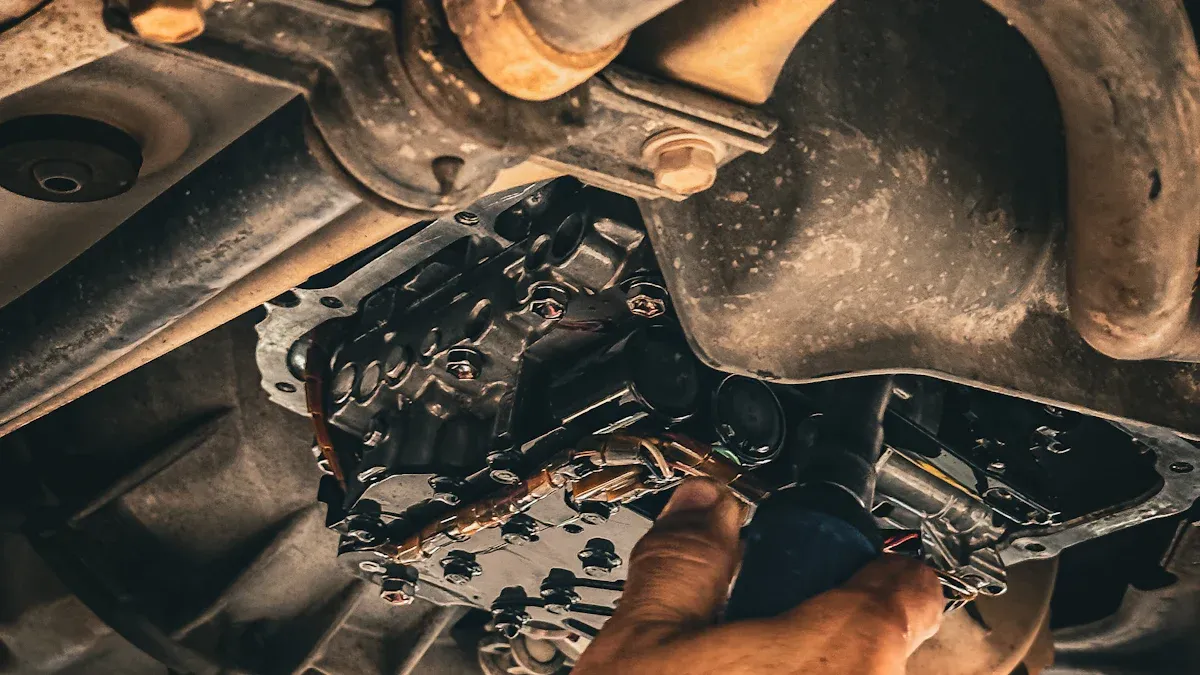
Your car’s catalytic converter is a vital part of its exhaust system. It sits between the engine and the muffler. This device changes harmful pollutants from your engine into less damaging substances. It does this before they leave your car. A catalytic converter uses a special honeycomb structure. This structure has precious metals like platinum, palladium, and rhodium. These metals act as catalysts. They help chemical reactions happen. These reactions break down three main harmful compounds. Carbon Monoxide (CO) is a poisonous gas. Hydrocarbons (HC) create smog. Nitrogen Oxides (NOx) cause acid rain and breathing problems.
The chemical reactions inside your catalytic converter are redox reactions. They reduce nitrogen oxides into elemental nitrogen and oxygen. They oxidize carbon monoxide to carbon dioxide. They also oxidize hydrocarbons into carbon dioxide and water. Your catalytic converter turns these into safer gases. These include carbon dioxide (CO₂), nitrogen (N₂), and water vapor (H₂O). This greatly reduces the environmental harm from your car’s emissions. A working catalytic converter protects the environment. It helps your car meet emission standards. It also improves air quality, which benefits your health.
Signs of a Clogged Catalytic Converter
You need to know when your catalytic converter is not working right. A clogged catalytic converter shows several signs. Your check engine light may turn on. Sensors detect problems with the catalytic converter‘s operation. You might notice sluggish acceleration. Your engine could lose power. Your car’s fuel efficiency will decrease. You will need to refuel more often. A strong smell of rotten eggs or sulfur might come from your exhaust. Your engine might misfire. This means fuel is not burning completely. You could also hear rattling noises from under your car. These noises often happen when you start, idle, or drive. They often mean internal damage or clogs inside the converter. These clogs can severely impact performance.
Benefits of DIY Cleaning
Cleaning your catalytic converter yourself offers many advantages. When you clean it, you restore its proper function. This helps your car run better. You save money by doing the work yourself. You also extend the life of this important part. Knowing how to clean catalytic converter can prevent future clogs. This keeps your car running smoothly. This cleaning project helps your car perform its best.
Essential Tools and Materials for Cleaning
Before you start to clean your catalytic converter, gather your supplies. Having the right tools and products makes the job easier and safer. This section helps you prepare for the task.
Required Tools for the Job
You will need some basic tools. Get a set of wrenches or sockets. These help you remove the catalytic converter if you choose that method. You also need jack stands to safely lift your car. Never work under a car supported only by a jack. Safety glasses protect your eyes from debris or chemicals. Heavy-duty gloves keep your hands safe. A wire brush can help clean off external grime from the catalytic converter’s exterior. You might also need a funnel for pouring liquids into your fuel tank or for direct cleaning.
Recommended Cleaning Products
You have a few options for cleaning products. You can use a pour-in fuel system cleaner. This type goes directly into your gas tank. It works as you drive to clean your catalytic converter. Some brands offer specialized catalytic converter cleaner products. These are designed specifically for your catalytic converter. For direct cleaning, you can use household items. Hot water mixed with a dishwasher tablet works well. A strong degreaser mixed with hot water is another option. These solutions help break down carbon deposits inside the catalytic converter. You can also find a specific catalytic converter cleaner at auto parts stores.
Safety First: Precautions
Your safety is very important when you learn how to clean catalytic converter. Always wear your safety glasses and gloves. Work in a well-ventilated area. This protects you from fumes from the catalytic converter or cleaning agents. Make sure your car is completely cool before you start any work. Hot exhaust parts can cause severe burns. Read all instructions on your cleaning products carefully. Follow them exactly. Do not mix different chemicals unless the product instructions say it is safe. Taking these steps helps you clean your catalytic converter safely and effectively.
How to Clean Catalytic Converter: Step-by-Step Methods
You can clean your catalytic converter using two main methods. One method uses fuel additives. The other involves removing the catalytic converter for a direct cleaning. Both methods aim to restore your vehicle’s performance.
Method 1: In-Tank Fuel Additive Cleaning
This method is simpler. You do not need to remove any parts from your car. It works best for mild carbon buildup.
Choosing the Right Fuel System Cleaner
You need to pick a good quality fuel system cleaner. Effective fuel system cleaners for catalytic converters contain specific ingredients. These include polymer amine detergents. These detergents prevent deposits in your fuel system. They also clean fuel injectors, intake valves, and combustion chambers. This helps your catalytic converter work better by reducing emissions. Some cleaners also have a combustion catalyst. This additive helps reduce excessive emissions. Look for these ingredients when you choose a product.
Adding Cleaner to Your Fuel Tank
First, read the instructions on your chosen catalytic converter cleaner. Most products tell you to add the entire bottle to a nearly empty fuel tank. Then, you fill your tank completely with gasoline. This ensures the cleaner mixes well with the fuel.
Driving for Optimal Results
After adding the cleaner, you need to drive your car. Drive at highway speeds for at least 30 minutes. This allows the cleaner to circulate through your fuel system. It reaches the catalytic converter. The heat from the exhaust helps activate the cleaning agents. This process helps break down carbon deposits. You might notice improved engine response and better fuel economy after this drive. This is one of the performance wins you can achieve.
Repeating the Treatment
For best results, you might need to repeat this treatment. Check the product’s instructions. Some recommend using the cleaner every few thousand miles. Regular use helps prevent future clogs. It keeps your catalytic converter clean and efficient. This method is a great way to maintain your vehicle without major work.
Method 2: Direct Catalytic Converter Cleaning
This method is more involved. It requires you to remove the catalytic converter from your vehicle. This is for more severe clogs.
Vehicle Preparation for Removal
Safety is very important when you work under your car. You need to lift your vehicle safely. You can stack wooden shelving sections (10x18x1.5 inches) into a ramp. This raises the front tires by about 9 inches. Carefully bump your vehicle up the stacked steps. Make sure you do not go over the top. Place a timber ramp on the other side as a precaution. Once your vehicle is up, rearrange the wood sections. Create a larger surface around the tires. Position axle stands at the reinforced jacking points. Engage reverse gear. Place chocks on a rear wheel. This secures your vehicle.
Locating and Removing the Catalytic Converter
Catalytic converters are typically located under your car. They are on the exhaust pipe. Most cars have one to two catalytic converters. Larger vehicles, trucks, and high-performance cars can have three or more converters. Sedans usually have one or two. SUVs, trucks, and performance cars often have two or more. Some high-end models feature as many as four or five. Once you locate it, you will need wrenches to unbolt it from the exhaust system. Be careful. Exhaust bolts can be very tight and rusty. You might need penetrating oil.
Soaking with Household Solutions
After you remove the catalytic converter, you can soak it. This helps break down stubborn carbon deposits. You can use a heavy concentration of Dawn dish detergent and vinegar. Another option is acetone. Fill a container with your chosen solution. Submerge the catalytic converter. Let it soak for several hours or even overnight. This soaking helps loosen the built-up carbon. This step is crucial for unclogging without removing all the parts.
Pressure Washing for Stubborn Clogs
After soaking, use a pressure washer. Direct the high-pressure water into both ends of the catalytic converter. You will see black water coming out. This is the carbon buildup. Keep pressure washing until the water runs clear. This indicates you have removed most of the clogs.
Thorough Rinsing and Drying
After pressure washing, you must rinse the catalytic converter thoroughly. Rinse it at least three times with clean water. This removes all cleaning solution residue. Then, you must dry it completely. Use compressed air to blow out all water. You can also let it air dry for a full day in the sun. Do not reinstall a wet catalytic converter. Moisture can damage the internal components when heated.
Reinstalling the Clean Catalytic Converter
Once the catalytic converter is completely dry, you can reinstall it. Bolt it back into place on your exhaust system. Make sure all connections are tight. This prevents exhaust leaks.
Post-Cleaning Vehicle Testing
After reinstallation, start your car. Listen for any unusual noises. Check for exhaust leaks. Take your car for a test drive. You should notice immediate improvements. Your engine will feel more powerful. Fuel efficiency should improve. The check engine light, if it was on due to a clogged catalytic converter, should turn off. This confirms your cleaning was successful. You have achieved a significant performance win.
Achieving 11 DIY Performance Wins
Cleaning your catalytic converter offers many benefits. You will notice significant improvements in your vehicle’s performance. These are the 11 performance wins you can achieve.
Improved Fuel Efficiency
When you clean your catalytic converter, your engine breathes easier. This means it does not work as hard. You will notice your car uses less fuel. This saves you money at the gas pump.
Reduced Vehicle Emissions
A clean catalytic converter works at its best. It converts harmful pollutants into safer gases.
Catalytic converters reduce nitrogen oxides (NOx) by converting them into nitrogen (N2) and oxygen (O2). They also oxidize volatile organic compounds (VOCs) and carbon monoxide (CO) into carbon dioxide (CO2) and water (H2O). This significantly lowers your car’s environmental impact. You contribute to cleaner air.
Pollutant | Reduction Percentage (2021 vs. 1970 models) |
|---|---|
Carbon Monoxide | 99% |
Hydrocarbons | 99% |
Nitrogen Oxides | 99% |
Restored Engine Power
A clogged catalytic converter chokes your engine. It cannot expel exhaust gases efficiently.
A clogged catalytic converter prevents exhaust gases from flowing freely.
This creates backpressure that strains the engine.
The engine has to work harder but cannot produce the same power output, leading to reduced power and sluggish acceleration. When you clean it, your engine regains its lost power. You will feel a noticeable difference in acceleration and overall performance.
Eliminated Exhaust Restriction
A clean catalytic converter allows exhaust gases to flow freely. This removes any backpressure. This improves engine efficiency.
Engine Misfires: Unburned fuel can lead to overheating and melting of the catalytic converter’s internal honeycomb structure.
Oil or Coolant Leaks: Contaminants from these leaks can coat the internal components of the converter, obstructing airflow.
Poor Maintenance: Neglecting regular maintenance tasks such as spark plug replacement, oil changes, or tune-ups can accelerate issues leading to catalytic converter problems.
Frequent Short Trips: Driving short distances, especially in stop-and-go traffic, prevents the catalytic converter from reaching its optimal operating temperature, allowing deposits to accumulate and restrict exhaust flow. You prevent these issues by keeping your catalytic converter clean.
Smoother Engine Idling
A restricted exhaust system can cause rough idling. Your engine struggles to maintain a steady RPM. After cleaning, your engine will idle more smoothly. This indicates better exhaust flow and engine health.
Quieter Vehicle Operation
A clogged catalytic converter can sometimes cause rattling or hissing noises. These sounds come from exhaust gases struggling to pass through. When you clean your catalytic converter, these noises often disappear. Your car will run more quietly.
Extended Component Lifespan
Regular cleaning prevents excessive heat buildup. It also reduces strain on your engine and exhaust system. This extends the life of your catalytic converter. It also benefits other engine components. This saves you money on costly repairs.
Prevention of Future Clogging
Knowing how to clean catalytic converter helps you prevent future clogs. Regular maintenance, including occasional cleaning, keeps deposits from building up. This ensures long-term performance.
Passing Emissions Tests
Many regions require regular emissions tests. A dirty or clogged catalytic converter often causes you to fail these tests. A clean catalytic converter ensures your vehicle meets environmental standards. You pass your emissions test with confidence.
Responsive Acceleration
With restored engine power and eliminated exhaust restriction, your car will accelerate more responsively. You will feel a quicker pick-up when you press the gas pedal. This makes driving more enjoyable.
Fewer Check Engine Light Incidents
A common cause for the ‘Check Engine Light’ to illuminate, indicating issues with catalytic converter performance, is when the vehicle’s computer detects a problem with the converter. While this light can signal other issues, it frequently points to a malfunctioning catalytic converter. By performing this diy cleaning, you address a frequent cause of this warning light. You keep your dashboard clear.
Post-Cleaning Maintenance and Prevention
You have successfully cleaned your catalytic converter. Now, you want to keep it in top condition. Good habits and regular care prevent future problems. You can avoid another clogged catalytic converter.
Driving Habits to Prevent Clogging
Your driving style affects your catalytic converter. Short trips are a common cause of clogging. These trips prevent the catalytic converter from reaching its optimal operating temperature. This temperature is necessary to burn off deposits and maintain efficiency. Frequently taking short trips means your catalytic converter may not get hot enough. It cannot fully burn away hydrocarbons. To prevent clogs, take occasional highway drives. Drive for 15 minutes or more. This allows the exhaust to heat up sufficiently. It burns off accumulated deposits. Consistent longer drives help reduce the risk of clogging. This keeps your catalytic converter working well.
Regular Vehicle Maintenance Schedule
Follow your car’s maintenance schedule. This is crucial for your catalytic converter. Regular oil changes prevent oil from burning and creating deposits. Replace spark plugs when needed. This ensures efficient fuel combustion. A well-tuned engine produces fewer harmful emissions. These emissions can damage your catalytic converter. Proper maintenance helps avoid a clogged catalytic converter. It also extends the life of your entire exhaust system. This regular care is key to long-term performance. The cleaning you just did will last longer with good maintenance.
When to Consider Professional Help
Sometimes, DIY cleaning is not enough. If your check engine light comes back on, seek professional help. If you still notice a strong sulfur smell, get it checked. Persistent power loss or poor fuel economy also signals a problem. These issues might mean your catalytic converter has internal damage. A professional can diagnose the exact problem. They can tell you if you need a repair or a replacement. Do not ignore these signs. Addressing them quickly saves you money and keeps your catalytic converter efficient.
You have achieved significant benefits through DIY catalytic converter cleaning. You now enjoy 11 performance wins. Experience your vehicle’s renewed power, better fuel economy, and smoother operation. You gain satisfaction and save money by learning how to clean catalytic converter yourself. Continue with ongoing vehicle maintenance. This ensures your catalytic converter performs well long-term. You also contribute to environmental responsibility with a clean catalytic converter.
FAQ
How often should I clean my catalytic converter?
You should clean your catalytic converter every 10,000 to 15,000 miles. This prevents carbon buildup. Regular cleaning maintains efficiency. It helps your catalytic converter last longer. Consider cleaning it if you notice performance issues.
Can a completely clogged catalytic converter be cleaned?
A completely clogged catalytic converter is hard to clean. Direct cleaning methods might help. However, severe clogs often require replacement. You should address clogs early. This prevents major damage to your catalytic converter.
What happens if I don’t clean my catalytic converter?
If you do not clean your catalytic converter, your car’s performance suffers. You will experience reduced power and poor fuel economy. Your vehicle might fail emissions tests. A severely clogged catalytic converter can damage your engine.
Are there any risks to cleaning my catalytic converter myself?
Yes, risks exist. You must follow safety precautions. Use proper tools and protective gear. Incorrect removal or reinstallation can cause exhaust leaks. Using the wrong cleaning products can damage your catalytic converter.
How do I know if my catalytic converter is damaged beyond cleaning?
You might hear rattling noises. These sounds come from inside the catalytic converter. A strong sulfur smell can persist after cleaning. Your check engine light may stay on. These signs often mean you need a replacement.
