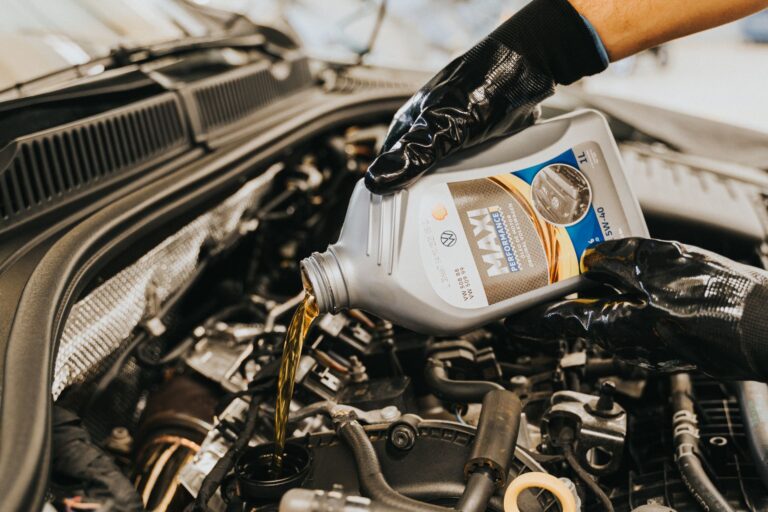
A car ECU is a rugged embedded computer that reads live sensor data and commands engine hardware every few milliseconds, balancing combustion, controlling emissions, and smoothing drivability. Picture a tireless co-pilot tasting the engine’s recipe a hundred times per second, then adjusting fuel, spark, and air before the next piston stroke. Modern vehicles carry dozens of these modules, and the one focused on the engine quietly decides how every drop of fuel burns.
This walkthrough unpacks the brain behind every modern powertrain, walking through sensor loops, OBD-II fault codes, and the repair-versus-reprogram decisions that catch first-time owners off guard.
The Embedded Computer Hidden Inside Every Modern Car
Open the hood and ignore the engine for a moment. Tucked inside a sealed metal or plastic box, often near the firewall or under a fender, sits a small circuit board doing more work per second than most office computers manage in a minute. That box houses the engine control unit (ECU), the brain responsible for translating driver intent into precise mechanical actions.
What “ECU” Actually Means
An engine control unit is a microcontroller-based module that gathers inputs from dozens of sensors, runs calculations through pre-loaded software, and sends commands to actuators like fuel injectors and ignition coils. The earliest automotive ECUs ran simple open-loop fuel maps; today’s versions handle closed-loop feedback, variable valve timing, and electronic throttle control on a single chip set.
Automakers use several overlapping labels for the same hardware:
- ECU (Engine Control Unit): The generic term, used by most European and Asian brands.
- ECM (Engine Control Module): Common on General Motors vehicles and functionally identical to ECU.
- PCM (Powertrain Control Module): Ford and Chrysler often label their combined engine-and-transmission controller this way.
- Motronic: Bosch’s trade name for a generation of ECUs that set the industry benchmark in the 1980s and 1990s.
One Computer Among Many
The engine ECU rarely works alone. A typical late-model car carries 50 to 80 separate modules, each handling a slice of vehicle behavior: anti-lock brakes, airbags, climate control, infotainment, and tire pressure monitoring. These modules coordinate over a Controller Area Network (CAN bus), a high-speed communication protocol standardized under SAE J1939 and ISO 15765 for diagnostic messaging.
Picture a small IT department. The engine ECU runs one department, the transmission module runs another, and they pass memos across the CAN bus every few milliseconds. When you press the accelerator, the gas pedal sensor talks to the engine ECU, which talks to the transmission module, which talks to the traction control unit, all within a single heartbeat.
How Sensors, Software, and Actuators Form a Continuous Decision Loop
The ECU does not decide once and move on. It runs the same loop thousands of times per minute, adjusting fuel, spark, and air based on what the engine is doing right now.
The Sensor-to-Actuator Cycle
Imagine a chef tasting a simmering pot of soup. She dips a spoon, evaluates the salt and heat, adjusts the seasoning, stirs, and tastes again. The engine ECU runs the same kind of loop, except the cycle completes in roughly 2 to 10 milliseconds, about 100 times faster than a human blink.
Core inputs the engine ECU monitors in real time include:
- Mass airflow (MAF) sensor: Measures incoming air volume so the ECU can scale fuel delivery accordingly.
- Oxygen (O2) sensors: Read exhaust oxygen content to fine-tune the air-fuel mixture during closed-loop operation.
- Throttle position sensor (TPS): Reports how far the gas pedal is depressed, especially important with electronic throttle bodies that have no mechanical cable.
- Coolant temperature sensor (CTS): Tells the ECU when the engine is cold (richer mixture, higher idle) versus fully warm (leaner, optimized timing).
- Crankshaft and camshaft position sensors: Provide engine speed and piston position, critical for precise ignition and injection timing.
What the ECU Commands Back Out
Once the ECU crunches those numbers, it sends voltage signals to actuators that shape how the engine runs. Fuel injection timing gets trimmed microsecond by microsecond. Ignition advance gets pulled back to prevent knock or pushed earlier for more power. Idle speed rises on a cold start and drops as the engine warms. Even emissions equipment like the exhaust gas recirculation valve and evaporative canister purge valve get toggled by the ECU based on operating conditions.
Cycle times for fuel and ignition control are measured in milliseconds, and the closed-loop feedback keeps combustion balanced even as altitude, fuel quality, and temperature shift under your foot.
Reading the Car’s Mind Through OBD-II and Fault Codes
Before 1996, diagnosing engine problems meant guessing with analog meters and experience. Then the U.S. Environmental Protection Agency mandated the OBD-II port on every car sold in the country, and the game changed.
How OBD-II Changed DIY Repairs
OBD-II standardized a 16-pin connector, a diagnostic protocol, and a fault-code language across nearly every automaker. Plug in a scanner and you get a five-character code that points directly to a subsystem or sensor out of range. Budget Bluetooth adapters paired with phone apps now feed you the same data a shop uses, often for under $30.
The four code prefixes tell you where the problem lives:
- P (Powertrain): Engine, transmission, fuel, and emissions. The most common category.
- C (Chassis): Brakes, steering, suspension, and traction control.
- B (Body): Airbags, lighting, climate, and windows.
- U (Network): Communication faults between modules on the CAN bus.
Turning a Check-Engine Light Into a Plan
A glowing check-engine light no longer has to mean a trip to the dealership. A $25 scanner, plugged into the OBD-II port beneath your steering column, pulls the code in seconds. Look up the definition, check the common causes, and you can often pinpoint whether the issue is a loose gas cap, a failing O2 sensor, or something deeper.
Tip: Clear the code only after you have fixed the underlying problem. Clearing without repairing resets the clock and hides evidence a technician needs to find the real fault.
Telling an ECU Problem From a Sensor, Wiring, or Software Glitch
The hardest part of any drivability issue is knowing whether the ECU itself is at fault, or whether something feeding it bad data is the real culprit. ECU failure is rare; sensor and wiring failures are far more common.
Warning Signs That Point to the ECU
True ECU failure usually shows up as a cluster of symptoms no single sensor could explain. Watch for these red flags:
- Multiple unrelated codes at once: Three or four sensor faults appearing together often signal the ECU misreading inputs rather than multiple parts failing on the same day.
- No-communication errors: A scanner cannot link to the module at all, even though power and ground are present.
- Erratic behavior that defies mechanical logic: The engine stumbles only at certain RPMs, runs rough cold but smooth hot, or throws codes that swap every drive cycle.
- Visible corrosion or water stains on the module: A wet ECU box, often from a windshield leak or flood damage, is usually beyond saving without specialist repair.
Symptoms More Likely to Be Sensor or Wiring
A single, repeatable code pointing to one component is almost always that component, not the ECU. A P0171 (system too lean) on a 12-year-old Honda often traces to a dirty MAF sensor rather than a failed ECU. Corroded connectors, chafed wiring harnesses, and bad grounds mimic ECU failure because they garble the signals the module relies on.
A Quick Decision Method
Scan first, always. If you get one repeatable code from one sensor, replace or test that sensor before suspecting the ECU. If you get multiple codes with no common thread, check the wiring harness and grounds next. Only escalate to an ECU specialist when the module will not communicate, when internal corrosion is visible, or when a shop has ruled out every other possibility with documented evidence.
Repair, Reprogram, or Replace: Choosing the Right Path and Price
Once the ECU is confirmed at fault, you face three realistic options. Each carries a different price tag, turnaround time, and risk profile.
| Option | Typical Cost Range | Turnaround | Best For |
|---|---|---|---|
| Dealership reprogramming (reflash) | $80 – $250 | 1 – 2 hours | Software bugs, emissions recalls, drivability complaints with no hardware fault |
| Independent ECU repair shop | $250 – $600 | 3 – 7 days | Corroded or water-damaged modules rebuilt at the component level |
| Used replacement module (with programming) | $300 – $900 | 1 – 3 days | Failed units beyond repair, paired with a shop that can program the module to your VIN |
When a Reflash Is All You Need
Manufacturers release ECU software updates to fix drivability bugs, improve emissions compliance, or address recalls. A reflash overwrites the existing program with the latest version, no hardware swap required. When your car has a known TSB for rough idle or hesitation, a reflash often resolves it for a fraction of the cost of a new module.
When the Module Cannot Be Saved
Water intrusion, voltage spikes from a jumped battery, or visible PCB corrosion usually means the module is dead. No amount of reflashing will resurrect fried transistors, and a used replacement still needs programming to your VIN, immobilizer, and sometimes your transmission calibration. Skip shops that quote a used module without including programming; an unprogrammed replacement often will not start the car.
With repair paths in mind, drivers increasingly look at remapping as a way to squeeze more performance from the hardware they’ve already invested in.
Warning: Never install a used ECU from a salvage yard without verifying it can be programmed to your VIN. Many modern modules are VIN-locked and will refuse to communicate with the rest of the car until a dealer or specialist clears the pairing.
ECU Tuning: What Remapping Actually Changes and What It Risks
ECU tuning ranges from mild and manufacturer-approved to aggressive and warranty-voiding. Knowing the difference protects your engine and your wallet.
Three Types of Tuning, Three Different Promises
- Factory reflashes: Dealer-installed updates that may slightly adjust shift points or throttle response, and stay emissions-compliant and warranty-safe.
- Piggyback tuning modules: External boxes that intercept sensor signals and modify them before they reach the ECU, adding modest power (often 5 to 15 percent) without touching factory software.
- Standalone aftermarket ECUs: Full replacement modules like those from Megasquirt or Haltech, offering maximum flexibility for forced induction or engine swaps at the cost of expert calibration work.
Trade-Offs Worth Weighing
Every power gain stresses the drivetrain more. A piggyback tune that adds 40 horsepower to a turbocharged engine can shorten clutch life, overheat the catalytic converter, and trigger a check-engine light under hard acceleration. Emissions compliance disappears the moment factory software is altered in most U.S. states, and dealers can detect tuning during warranty service.
Where ECUs Are Heading
Over-the-air ECU updates are already standard on Tesla, Ford, and GM vehicles, letting manufacturers push fixes without a shop visit. Cybersecurity has become a parallel concern as remote attack surfaces grow. Within the decade, the engine ECU is likely to fold into a centralized vehicle computer that manages everything from powertrain to driver assistance, making today’s module-by-module architecture feel as dated as a carburetor.
Major Suppliers and Where Engine Control Units Are Headed Next
Four companies dominate the global ECU market, and their design choices ripple through nearly every car on the road.
The Companies Behind the Hardware
- Bosch: The German firm that invented the Motronic system, supplying most European automakers and Chrysler.
- Continental: A major supplier to Ford, VW, and many Asian brands through its VDO product line.
- Denso: Toyota’s primary partner and a leading force in hybrid ECU design.
- Aptiv (formerly Delphi): A strong presence at General Motors and across the broader U.S. market.
Why These Are Not Consumer-Grade Electronics
An ECU must survive temperatures from roughly -40°C to 85°C, constant vibration, voltage spikes, and decades of moisture exposure. That is why the box is potted in epoxy and mounted in a protected location. Off-the-shelf computer chips would fail within months under those conditions.
The Next Decade of Engine Control
Centralized vehicle computers are replacing dozens of small ECUs with a few powerful processors running multiple software domains. Machine-learning calibration is starting to replace hand-tuned fuel maps, letting the car adapt its own combustion strategy over time. Connected-car features mean your next vehicle may receive ECU updates while parked in your driveway, the same way your phone updates overnight. The acronym “ECU” will likely survive, but the box behind it is becoming something closer to a server rack than a simple engine module.
Bottom Line
The engine control unit is the part of your car that turns a mechanical engine into a responsive, efficient, emissions-compliant machine. Knowing what it does, how it talks to your car’s sensors, and what a fault code actually means puts you in control when the check-engine light comes on. Scan before you pay, rule out sensors and wiring before replacing the module, and treat any tuning that promises big gains with the same caution you’d apply to any other major mechanical modification.
FAQ
What does the ECU actually control in a car?
The engine ECU manages fuel injection timing, ignition timing, idle speed, electronic throttle control, variable valve timing, and emissions systems like the exhaust gas recirculation valve. It reads dozens of sensors and adjusts these outputs every few milliseconds to keep the engine running cleanly under every condition.
How does an ECU read sensor data to manage the engine?
Sensors like the mass airflow meter, oxygen sensors, throttle position sensor, and coolant temperature sensor send voltage signals to the ECU. The ECU’s software compares those readings against pre-loaded fuel and ignition maps, calculates the ideal adjustments, and commands actuators like fuel injectors and ignition coils in real time.
Can a car run without an ECU?
No. A modern fuel-injected engine cannot start or run without a functioning ECU. The module is required to trigger the fuel pump, time the injectors, fire the spark plugs, and manage idle. Engines built before the early 1990s used carburetors and mechanical ignition, but anything built in the last 25 years is ECU-dependent.
What is the difference between an ECU and a PCM?
The terms describe the same hardware in most cases, though PCM usually implies that engine and transmission control share a single module. Ford and Chrysler label their combined controllers as PCM, while GM tends to use ECM. The job is essentially identical: read sensors, run software, command actuators.
How do mechanics diagnose ECU problems?
A technician starts by scanning for fault codes with an OBD-II tool, then checks the wiring harness, grounds, and sensor inputs against factory specifications. If the module itself is suspected, the next step is testing power, ground, and communication on the CAN bus. ECU replacement or reprogramming is only recommended after every other possibility has been ruled out.
What happens when an ECU fails?
A failed ECU usually prevents the engine from starting, throws multiple unrelated fault codes, or causes drivability problems that follow no consistent pattern. Water intrusion, voltage spikes, and physical corrosion are the most common causes, and replacement modules typically need to be programmed to the vehicle’s VIN before they will function.