Car window tinting involves applying a thin film to your vehicle’s glass. This process enhances comfort, improves aesthetics, and offers protection. Understanding the various types of window tint film, the concept of VLT, and how to select the correct window tint is crucial. The car window tinting service market is projected to grow at a Compound Annual Growth Rate (CAGR) of approximately 5-7% over the next five years. This growth highlights the increasing demand for these benefits. You must understand these elements to make an informed decision about car window tints.
Key Takeaways
Different car window tints offer various benefits. Dyed film is cheap but fades. Metalized film blocks heat but can block phone signals. Carbon and ceramic films offer better heat blocking and do not block signals.
VLT tells you how dark your window tint is. A lower VLT number means a darker tint. You must check your state’s VLT laws to avoid fines.
Car window tints protect you from the sun’s harmful UV rays. They also keep your car cooler and give you more privacy. Tints can also make your car look better.
Choose your window tint based on your needs and budget. Consider your local weather and always follow state tint laws. Professional installation ensures the best results and a longer-lasting tint.
Types of Window Tints
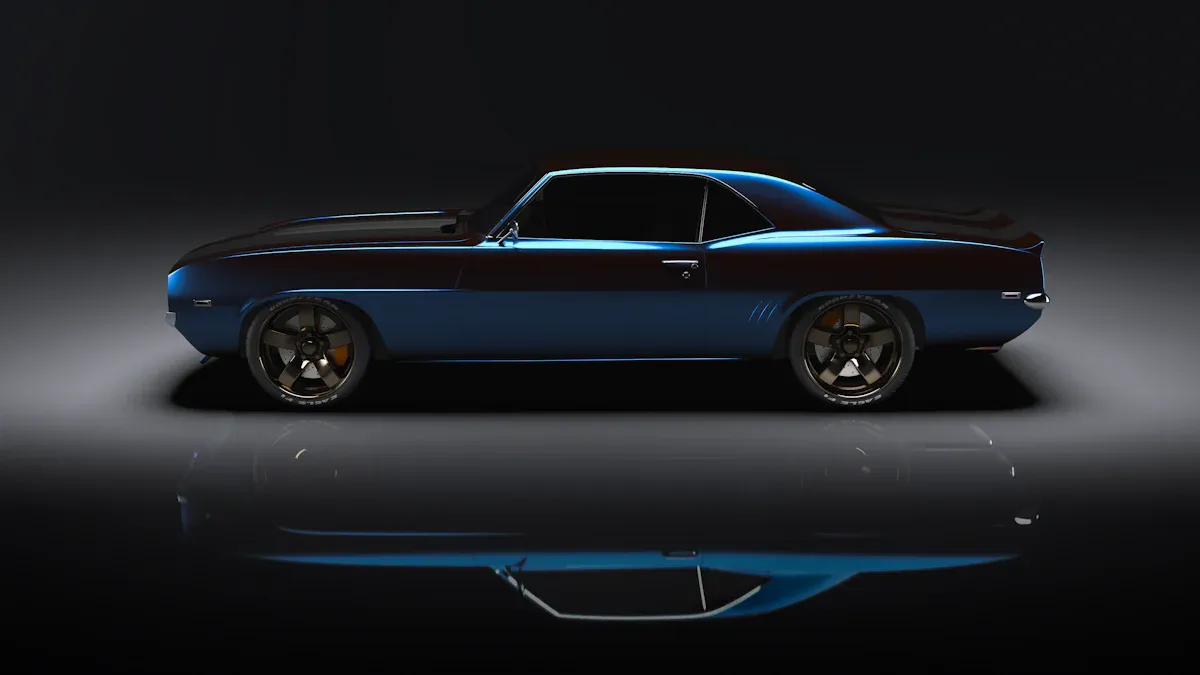
Various types of window tint films exist, including dyed, metalized, carbon, and ceramic automotive films, each with unique characteristics. You have several excellent options when choosing a window tint for your car. Understanding these different film types helps you make the best decision for your needs.
Dyed Film
Dyed window film is often the most basic and affordable option. Manufacturers create this film by placing a layer of dye between an adhesive layer and a protective polyester top coating. Some companies use deep dye technology. They use colored PET (Polyethylene Terephthalate) chips to make the base film. These PET chips melt and stretch into a polyester sheet. Manufacturers add UV blockers during this process. This embeds the color directly into the film instead of applying it as a surface coating.
Dyed film primarily darkens your windows. However, it has some significant drawbacks. Its construction is often cheap. This leads to poor durability, especially with strong UV and IR exposure. The film lacks high heat rejection capabilities. This contributes to premature wear. You will often see it fade or discolor, changing from black to purple. Continued sun exposure causes the film to break down, shrivel, crack, and peel. This makes it useless and requires replacement. Its unreliability, short lifespan, and inability to maintain color stability are major issues. Many professional detailers prefer higher-end products because of these problems. Dyed films also absorb heat rather than reflecting it. This can trap heat inside your car, making it feel hotter.
Metalized Film
Metalized film offers better performance than dyed film. Manufacturers embed tiny metallic particles into the film. These particles reflect solar heat and UV rays away from your car. Common metals used in this film include silver, bronze, copper, and aluminum. This construction makes metalized film very effective at reducing heat and glare. It also provides a shiny, reflective appearance.
While metalized film excels at heat rejection, it has a notable drawback. The metallic particles can interfere with electronic signals. This interference impacts devices that rely on radio waves, such as GPS and mobile phones. You might experience reduced reception within your vehicle. This can lead to dropped calls, slower internet speeds, and less accurate GPS positioning. GPS signals are particularly susceptible to this interference.
Carbon Film
Carbon film uses carbon particles infused into the film. This non-metallic film effectively blocks infrared radiation. This results in a substantially cooler car compared to dyed or metallic films. Carbon window tint contains carbon particles that block infrared light. This reduces heat inside the car for a cooler ride. It also lessens AC strain and improves fuel efficiency. This film also blocks harmful UV rays. This protects your skin and prevents your car’s interior from fading or cracking.
Carbon film offers a dark, matte finish. It provides excellent heat rejection and fade-resistant color stability. These films are known for their impressive lifespan. They typically last 7 to 10 years or more. This is especially true with professional installation and proper maintenance. Carbon film resists fading, unlike dyed tints. It also avoids signal interference, unlike metalized tints. This makes it a balanced and contemporary film option.
Ceramic Film
Ceramic film represents the pinnacle of window tint technology. It incorporates nano-sized ceramic particles, specifically silicon oxide and titanium dioxide. These particles are non-metallic and non-conductive. This allows ceramic film to achieve superior performance characteristics. It offers excellent heat rejection and UV protection without interfering with electronic signals.
Ceramic film blocks up to 99% of harmful UV rays. It also rejects a significant amount of infrared heat. High-quality ceramic film can reject over 90% of infrared radiation. This keeps your car much cooler.
Ceramic IR Plus (shades) | 5% | 15% | 20% | 35% | 50% | 70% |
|---|---|---|---|---|---|---|
IR Rejection | 96% | 95% | 94% | 96% | 95% | 95% |
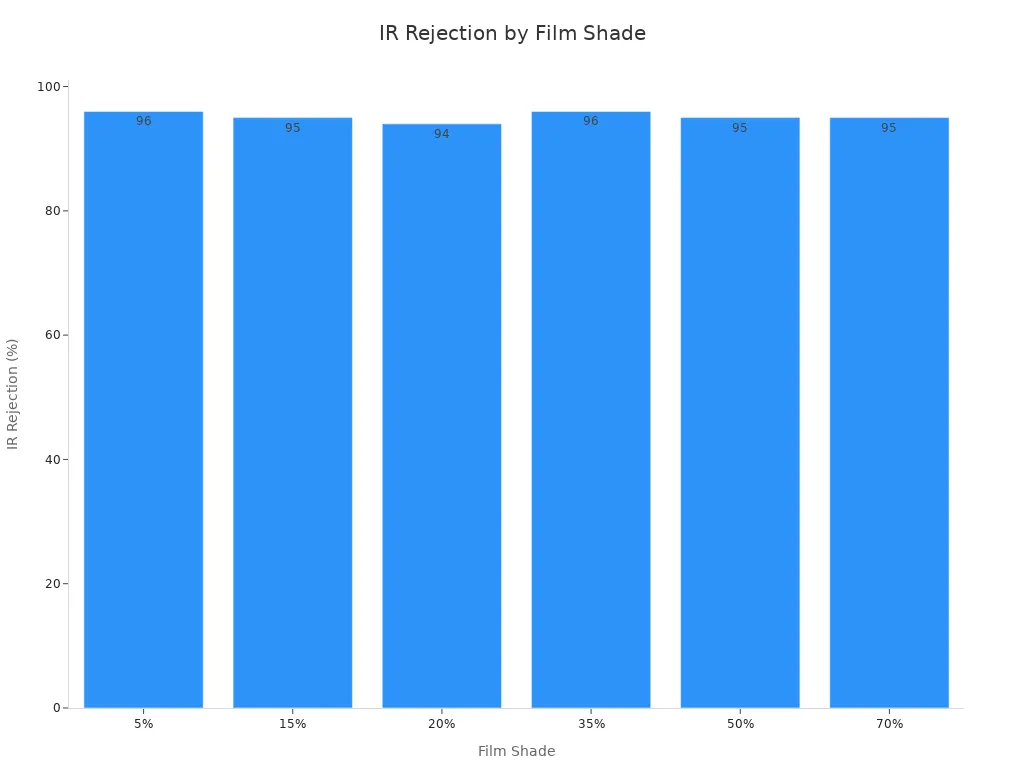
This film provides superior clarity and durability. It resists fading and maintains its color over time. Ceramic film is a premium choice for those seeking the best in heat rejection, UV protection, and signal compatibility. These high-performance films offer long-lasting benefits.
Hybrid Film
Hybrid film combines the best aspects of dyed and metalized films. Manufacturers typically form hybrid window films by blending metalized and dyed film materials. This combination aims to provide a sleek appearance and all-around solar rejecting performance. It often comes at a more economical price point compared to higher-end ceramic options.
Hybrid tints offer a compromise between heat rejection, UV protection, and affordability. They provide a good middle-ground option for those seeking balanced performance. Hybrid tints block up to 99% of UV light. This safeguards both vehicle occupants and interiors from harmful radiation. They also do not interfere with radio signals or other electronic devices. This maintains functional advantages similar to metalized films without the signal disruption. Compared to pure metalized films, hybrid tints offer reduced electrical interference. The blend of dyed and metalized layers contributes to increased durability and greater longevity. They effectively decrease solar heat and glare, providing comfort while driving without significantly obstructing visibility.
VLT and Shade Explained
Understanding Visible Light Transmission (VLT) helps you choose the right window tint for your car. VLT directly affects how dark your windows appear. It also impacts how much light enters your vehicle.
What is VLT
Visible Light Transmission, or VLT, measures how much visible light passes through a window tint. This measurement tells you the percentage of light that penetrates the tinted glass. It directly influences how dark the tint looks. VLT is fundamental for determining the level of heat protection, UV protection, and security a window tint offers. This concept started as a standard way for tinting services and film makers to measure and communicate a tint’s darkness.
VLT is a percentage. It shows the amount of the visible light spectrum that passes through an object, like a window tint. For example, a 40% VLT film allows 40% of light through. It blocks 60% of the light. A higher VLT percentage means more light passes through. This results in a lighter appearance. A lower percentage means less light passes through. This gives a darker look. You might also hear VLT called Visible Light Transmittance (VT). While VLT is a percentage, VT is a number between zero and one. People often use these terms in the same way when talking about windows.
You measure VLT using a special tool called a tint meter. This tool has two parts. You place one part on each side of the window. The tint meter shines light from one sensor through the window to the other sensor. The receiving sensor then measures how much light successfully passes through. The tool gives you this amount as a percentage. This percentage is the VLT. Some tint meters, like horseshoe meters, slide over an open window. Other meters use magnetic probes. You can use these on windows that do not open, such as the windshield or rear window.
VLT’s Effect on Shade
VLT directly affects the shade of your window tint. A lower VLT percentage means less light passes through. This makes the tint appear darker. For instance, a 70% VLT film blocks 30% of light. It allows 70% to pass through. This indicates a lighter tint. A 50% VLT film lets half the visible light through. It looks relatively light. In contrast, a 5% VLT film blocks 95% of visible light. This creates an extremely dark, limousine-style appearance. Lower VLT numbers mean a darker tint. A 20% VLT film is much darker than a 35% VLT film. The VLT numbers show the amount of visible light that passes through a film. This defines its darkness level. A 5% VLT rating means 95% of visible light is blocked. Only 5% passes through. This results in a very dark, ‘limo tint’ look.
Common VLT Percentages
Different VLT percentages offer various levels of transparency and darkness. You can choose from several common VLT percentages for your car’s window tint.
5% VLT: This is the deepest tint. People often call it ‘limo tint.’ You use it mainly for privacy. You commonly find it on limousines, commercial vehicles, and the rear windows of SUVs and trucks. This level of transparency offers maximum privacy.
20% VLT: This is a standard choice for those who want a darker shade. It still allows for clear night vision. It balances privacy, appearance, and how well it works. People often use it for rear windows or to match factory tint.
35% VLT: This is a popular option for reducing heat and brightness significantly. It still ensures clear visibility in low light. It provides good privacy and a sleek look. You often use it on front driver and passenger windows where moderate tinting is allowed.
50% VLT: This is the lightest tint offered to reduce heat and sunlight without making the windows very dark. It offers minimal privacy. However, it provides UV protection. It is suitable for windshields.
Ceramic film with 30% VLT is projected to be a popular tint shade in 2025. It offers style, compliance, and superior UV protection. This VLT level provides a good balance of transparency levels.
Legal VLT Limits
Understanding legal VLT limits is very important. These limits vary by state. You must follow these laws to avoid penalties. The legal VLT limits for front side windows differ across states.
State | Front Glass VLT |
|---|---|
Alabama | 32% |
Alaska | 70% |
Arizona | 33% |
Arkansas | 25% |
California | 70% |
Colorado | 27% |
Connecticut | 35% |
Delaware | 70% |
District of Columbia | 70% |
Florida | 28% |
Georgia | 32% |
Hawaii | 32% |
Idaho | 35% |
Illinois | 35% |
Indiana | 30% |
Iowa | 70% |
Kansas | 35% |
Kentucky | 35% |
Louisiana | 40% |
Maine | 35% |
Maryland | 35% |
Massachusetts | 35% |
Michigan | 4″ (AS-1 line) |
Minnesota | 50% |
For example, in Florida, your front side windows need a 28% VLT or higher. New York requires all windows to allow more than 70% of light in. Texas requires front side windows to allow more than 25% of light in. California only requires front windows to have 70% VLT. Always check your state’s specific laws before choosing a window tint.
Violating VLT laws can lead to penalties.
First Offense: You often get a ‘fix-it’ ticket. This requires you to remove or adjust the illegal tint. You must then show proof of correction.
Second Offense: You might face a small fine, like $25. You will also get stricter orders to remove the illegal window tint.
Third Offense: This can result in a civil infraction and a fine of $197. Future stops could lead to higher fines and move into criminal territory.
Illegal window tint can also cause a traffic stop. This might lead to discovering other violations. If you have an accident, non-compliant tint could be a factor. This could affect insurance claims or legal proceedings. Always ensure your window tint complies with local laws.
Benefits of Car Window Tints
Car window tints offer many advantages. You gain benefits such as privacy and UV protection. These enhancements improve your driving experience.
UV Protection
Car window tints provide excellent UV protection. Quality car window tints block up to 99% of harmful UV rays. This includes both UVA and UVB. This significant uv protection shields you and your passengers from sun damage. It also prevents your car’s interior from fading and cracking. High-quality films create a strong barrier against UV exposure. This preserves your vehicle’s condition.
Heat Reduction
You will notice a cooler car interior with window tint. Professional car window tinting can decrease interior temperatures by as much as 60%. Vehicles with window tinting can maintain an interior temperature that is, on average, 10-15°F cooler than cars without tint. This heat rejection makes your ride more comfortable. It also reduces the strain on your air conditioning system. This can improve fuel efficiency.
Enhanced Privacy
Window tinting gives you enhanced privacy. Darkened windows make it difficult for outsiders to see inside your vehicle. This increased privacy deters potential thieves. They cannot easily spot valuables. This reduces the likelihood of break-ins. The tint film also acts as a protective barrier. It holds glass together during impacts. This adds security and privacy. You get peace of mind with this added privacy. This privacy is especially useful if you transport valuable items. You can also choose privacy glass for specific needs.
Glare Reduction
Window tinting significantly reduces glare. It limits direct sunlight and reflective light. This improves your visibility. It also reduces eye fatigue. Glare causes much eye strain while driving. Window tint can lower glare levels by up to 60%. Some high-performance tints can reduce glare by up to 95%. This enhances visibility and improves your reaction times. The level of transparency you choose affects glare reduction.
Aesthetic Appeal
Car window tints enhance your vehicle’s look. Tinted windows add elegance and a modern appearance. This makes your car stand out. It appears more polished. This aesthetic appeal can also influence your car’s resale value. Quality installation and maintenance show a well-cared-for vehicle. This appeals to buyers. Tinting preserves your car’s interior. It protects against UV rays. This prevents fading and cracking. The right transparency level can greatly improve your car’s overall look.
Choosing Your Window Tint
When choosing car window tint, it is important to consider the type of film and the VLT percentage for a long-lasting investment. You have many options. Making the right choice ensures comfort, compliance, and lasting satisfaction.
Needs and Budget
First, consider your specific needs and budget. Different film types offer varying levels of performance and cost. You can find an option that fits your financial plan.
Film Type | Cost Range |
|---|---|
Dyed Film | $300-$400 |
Carbon Film | $400-$450 |
Ceramic Film | $450-$700 |
Multi-Layer Ceramic | $700-$1000 |
Dyed film is the most affordable option. However, it offers less durability. Carbon film provides a good balance of performance and cost. Ceramic film is a premium choice. It offers superior UV protection and heat reduction.
Climate Considerations
Your local climate plays a big role in choosing the right window tint. In extreme hot climates, you need a film that excels at heat rejection.
Feature | Carbon Tint | Ceramic Tint |
|---|---|---|
Heat Rejection | Absorbs heat, which can then radiate into the car. Less effective at blocking infrared light. | Blocks up to 90% of infrared light, significantly reducing heat inside the car. More effective at keeping the car cool. |
Extreme Hot Climates | Less effective in extreme heat as it absorbs heat, which can still transfer into the car. | Highly effective in extreme hot climates due to superior infrared rejection, keeping the car significantly cooler. |
Ceramic film is highly effective in hot climates. It blocks up to 90% of infrared light. This keeps your car significantly cooler. Carbon film absorbs heat. It is less effective in very hot conditions.
State Tint Laws
You must know your state’s window tint regulations. These laws dictate the legal VLT percentage for your vehicle’s windows. You can find up-to-date information on specific state tint laws. Check your State’s Department of Motor Vehicles (DMV) website. You can also consult the official state code. Professional installers also know these laws. The International Window Film Association offers a summary chart of state aftermarket tint law information. Always ensure your chosen window tint complies with local laws.
Professional Installation
Professional installation offers many advantages. It ensures a flawless finish. Professionals avoid common DIY errors like misaligned cuts or air bubbles. They use high-quality tinting materials. These materials offer superior heat rejection and UV shielding. Professional installers know local window tint regulations. This ensures legal compliance. Many reputable companies offer warranties. This covers issues like peeling or bubbling. A quality installation elevates your car’s overall appearance. It also provides long-term cost savings.
You have explored various types of car window tints, from basic dyed to advanced ceramic. Each offers unique characteristics. Understanding VLT is crucial for selecting the right window tint and ensuring legal compliance. The correct window tint enhances your comfort, improves safety, and boosts your car’s aesthetics. Make an informed decision. Choose professional installation for the best results.
FAQ
What is the darkest legal tint for my car?
The darkest legal tint depends on your state’s laws. Each state has specific Visible Light Transmission (VLT) percentages. You must check your local Department of Motor Vehicles (DMV) website. This ensures your tint complies with regulations.
What is the difference between factory tint and aftermarket tint?
Factory tint is glass with a dark pigment. Manufacturers bake the pigment into the glass. It does not offer UV or heat protection. Aftermarket tint is a film. Installers apply this film to your windows. It provides UV protection and heat rejection.
What causes window tint to bubble or peel?
Poor installation often causes bubbling or peeling. Trapped moisture or dirt under the film can cause this. Low-quality film also breaks down over time. This leads to bubbling. Extreme heat can also damage the adhesive.
What is the average lifespan of car window tint?
The lifespan of car window tint varies. It depends on the film type and quality. Dyed films last 1-3 years. Carbon films last 5-7 years. Ceramic films can last 10 years or more. Professional installation also extends its life.