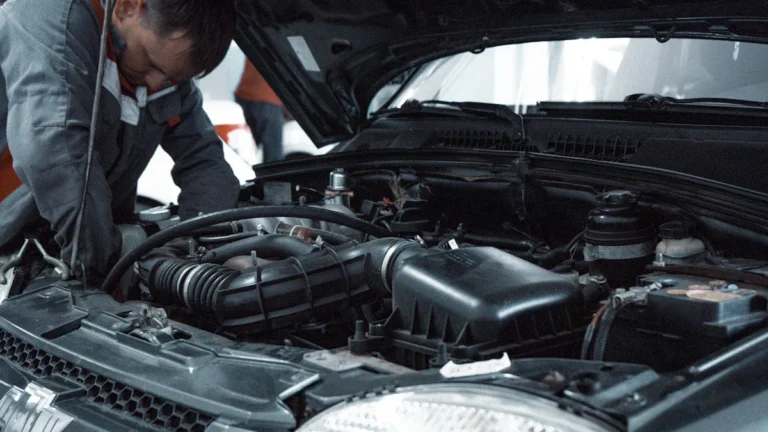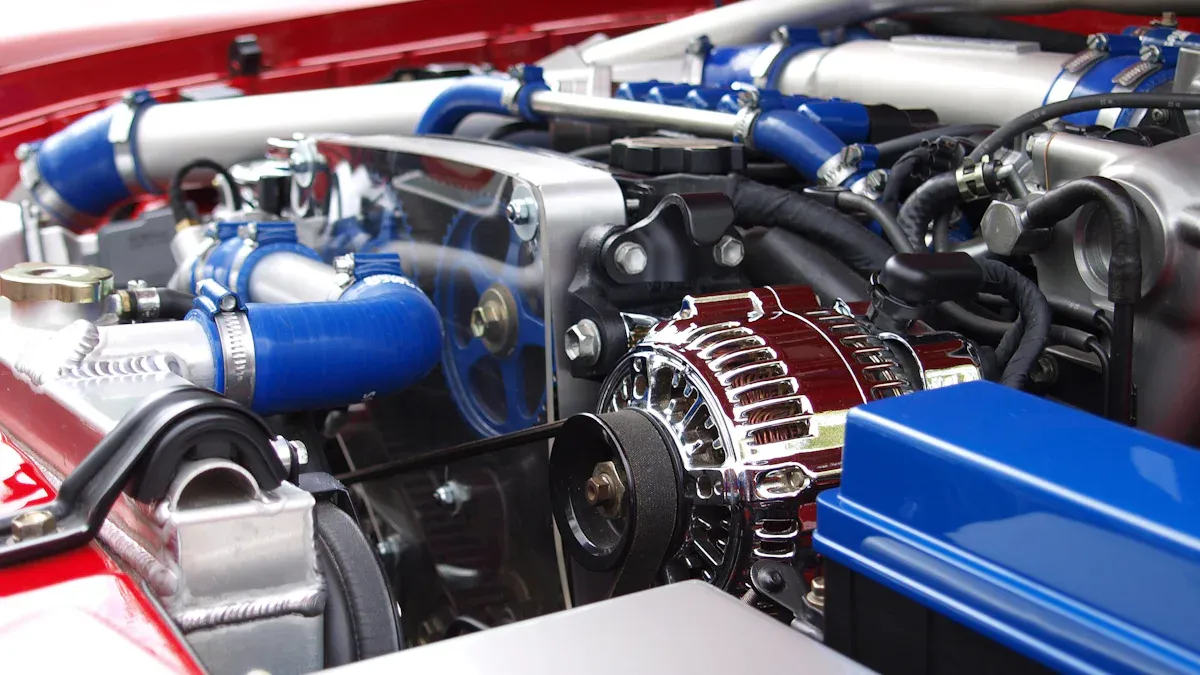
Every driver wants more speed from their vehicle. You crave extra power. Horsepower and torque are key metrics for your engine’s overall performance. They define how quickly your car moves. This guide shows you how to increase horsepower and torque significantly. You will find practical ways for boosting horsepower, with modifications for different budgets and skill levels.
Key Takeaways
You can increase your car’s power with simple changes like better air intake and exhaust systems.
ECU tuning and performance tuners help your engine work smarter for more power.
For big power boosts, consider adding a turbocharger or supercharger to your engine.
Advanced changes like new camshafts or cylinder head work can make your engine much stronger.
Nitrous Oxide Systems (NOS) give a quick power boost, but use them carefully to avoid engine damage.
Foundational Upgrades to Increase Horsepower
You can start your journey to more speed with accessible modifications. These are often cost-effective. Many of these are considered cheap ways to increase horsepower. They lay a strong groundwork for future enhancements.
Optimize Air Intake for Horsepower
Your engine needs air to create power. More air means better combustion. This directly translates to more horsepower. You can upgrade the air intake system to allow your engine to breathe easier.
Several types of air intake systems exist. Drop-in replacement panel filters are simple. They replace your factory filter with a high-flowing one. This offers improved airflow at a low cost. Short-ram intakes feature a conical filter and a rigid aluminum pipe. They often include a heatshield to draw in cooler air. Cold-air intake systems are more complex. They position the filter to draw in the coolest air possible. This often means placing it low in or outside the engine compartment. This design provides better real-world performance.
You can choose from different materials too. Roto-Molded High-Density Polyethylene (HDPE) intake systems increase airflow. They maintain a stock appearance. Mandrel-Bent Aluminum Intake Systems offer a custom look. They significantly increase airflow. Blackhawk Induction™ Air Intake Systems use black, powder-coated aluminum for durability.
Upgrading your air intake system can typically increase horsepower by 5 to 15 HP for naturally aspirated engines. For example, a 2023–2025 Cadillac Escalade V 6.2L with an S&B cold air intake kit showed about a 15 HP increase. A 2023–2025 Ford F-150 Raptor R (5.2L V8) saw an increase of about 10–15 HP. Turbocharged engines can see even higher gains. A 2.3L EcoBoost turbo engine achieved a +27 HP gain with a cold air intake. This is a great way to increase horsepower.
Performance Exhaust for More Horsepower
Your engine produces exhaust gases. These gases need to exit quickly. A restrictive exhaust system creates back pressure. This reduces engine performance. A performance exhaust system allows gases to flow out more freely. This helps your engine produce more power.
Installing a performance exhaust system can increase your vehicle’s horsepower by 5% to 20%. The exact increase depends on your vehicle and the exhaust setup you choose. This is another of the cheap ways to increase horsepower.
However, you must consider legal aspects. Tampering with or removing a catalytic converter is illegal under the Clean Air Act. This applies federally. Many states also have sound level restrictions. These typically limit noise to 95 decibels. California, for instance, requires CARB certification for aftermarket exhaust systems. This ensures compliance with emissions standards. States like New York, Massachusetts, and Connecticut have strict regulations. They include annual inspections. Other states, like Texas and Florida, have moderate enforcement. Some states, such as Montana, have more permissive laws. Always check your local laws before making modifications.
ECU Tuning for Horsepower Gains
Your car’s Engine Control Unit (ECU) manages engine functions. It controls fuel delivery, ignition timing, and boost pressure. ECU tuning involves reprogramming this unit. You optimize these parameters for better performance. This is a powerful way to increase horsepower.
For naturally aspirated engines, ECU tuning typically provides horsepower and torque gains of 5% to 15%. The exact increase depends on your specific engine. It also depends on how restrictive its original factory tuning was.
Aggressive ECU tuning carries risks. It can lead to higher maintenance costs. You might experience increased wear and tear on engine components. Tuning can also void your vehicle’s warranty. This makes you responsible for repair costs. Some tunes might cause your car to fail emissions tests. This can lead to legal issues. Poorly executed tuning significantly increases the risk of engine damage. This can result in costly repairs. You must weigh these disadvantages against the potential benefits.
Performance Tuners and Boost Controllers
Performance tuners are devices. They allow you to adjust your engine’s parameters. You can change settings for fuel, timing, and other factors. Boost controllers manage the boost pressure in turbocharged engines. They help you achieve higher power output. These tools give you more control over your engine’s performance.
The cost for these devices varies widely. You can find options from under $100 to over $700. For example, an SCT X4 Power Flash Programmer might cost around $500. A GFB G-Force III Electronic Boost Controller could be about $445. These upgrades offer a direct path to more power.
Clean Fuel System and Throttle Body Spacer
A clean fuel system is vital for optimal engine performance. Carbon buildup can restrict airflow. It prevents valves from closing fully. This leads to noticeable performance and efficiency issues. Modern direct injection engines are especially prone to carbon buildup. Fuel no longer washes the intake valves in these engines. This accelerates deposit formation.
Symptoms of carbon buildup include a rough idle. You might see check engine lights or misfires. You could also experience a loss of power and poor fuel economy. Cleaning services restore precise spray patterns. They improve airflow. This brings your engine performance back to factory levels.
You should consider professional fuel system cleaning every 60,000-100,000 miles. This can vary based on fuel quality and driving conditions. Direct injection engines may need more frequent service. Key indicators for cleaning include a 10% drop in fuel economy. You might notice performance degradation. A rough idle or hesitation also signals a need for cleaning. Some manufacturers suggest cleaning every 15,000–30,000 miles. Always check your car’s owner’s manual for specific recommendations. Keeping your fuel system clean is one of the foundational ways to increase horsepower and torque. It ensures your engine runs efficiently. This simple upgrade helps maintain your vehicle’s power.
Enhancing Engine Efficiency and Delivery
You can unlock more horsepower and torque by making your engine work smarter. These upgrades focus on optimizing how your engine creates and delivers power. You will see significant gains by improving combustion and responsiveness.
Performance Spark Plugs and Coils
Your spark plugs ignite the air-fuel mixture in your engine. Ignition coils provide the high voltage for this spark. Upgrading these components ensures a stronger, more consistent spark. This leads to more complete combustion. A better burn means more power and torque from each cylinder.
Consider the gains you can achieve. A 5.7 Hemi engine saw an 11 horsepower gain and a 10 lb/ft torque gain. This happened after swapping coil packs and plugs.
Metric | Stock | New Coil Packs and Autolite Plugs |
|---|---|---|
Horsepower | 303 hp @ 5,250 rpm | 314 hp @ 5,150 rpm |
Torque | 337 lb/ft @ 4,300 rpm | 347 lb/ft @ 4,250 rpm |
Some performance coils, like Performance Distributors’ Sultan Of Spark, increase voltage by 60 percent. This allows for a larger spark plug gap. A larger gap creates a more comprehensive combustion cycle. This amplifies power output and conserves fuel. One F-150 with a Triton engine reduced its 0-60 mph time by 0.84 seconds with these coils.
You have many choices for spark plugs. Each type offers specific benefits for your engine and driving style.
Spark Plug Type | Specific Benefit |
|---|---|
Copper Spark Plugs | Excellent conductor of electricity and heat, ideal for older vehicles with lower voltage ignition systems. |
Platinum Spark Plugs | More durable than copper, lasting up to 100,000 miles. Good for newer vehicles with electronic ignition systems. |
Iridium Spark Plugs | Even more durable than platinum, lasting up to 120,000 miles. They offer the best performance and fuel economy. |
Double Platinum Spark Plugs | Platinum on both center and ground electrodes, offering enhanced durability and a longer lifespan. |
Double Iridium Spark Plugs | Iridium on both electrodes, providing the longest lifespan and best performance for high-performance engines. |
Surface Gap Spark Plugs | Electrodes flush with the insulator, creating a wider spark path for improved ignition in specific engine designs. |
Multi-Ground Spark Plugs | Multiple ground electrodes extend life and provide a more consistent spark. |
V-Groove Spark Plugs | V-shaped groove in the center electrode helps concentrate the spark and improve ignition efficiency. |
U-Groove Spark Plugs | Similar to V-groove, with a U-shaped groove, also enhances spark concentration and improves combustion. |
Fine-Wire Spark Plugs | Very thin center electrode requires less voltage, leading to more reliable ignition and better fuel efficiency. |
Performance Spark Plugs | Advanced materials and designs (like iridium or platinum with fine-wire tips) optimize combustion, increase horsepower, and improve throttle response. |
E3 Spark Plugs | Unique DiamondFire electrode design creates multiple spark paths, leading to more complete combustion, increased power, and improved fuel efficiency. |
Upgrade Fuel System Components
Your engine needs a consistent and sufficient fuel supply. This is especially true when you increase horsepower. The stock fuel system might not keep up with higher demands. You need to upgrade components like the fuel pump and injectors.
High-flow fuel pumps deliver significantly more fuel volume at increased pressure. This ensures your engine never runs lean under load. This prevents issues like detonation, high-temperature failures, and erratic power. These pumps are crucial for turbo, supercharged, E85, and high-horsepower builds.
They provide safer and more consistent output. Stock pumps are designed for emissions and economy. High-flow pumps overcome limitations at higher power levels or sustained high RPM. They eliminate flat spots and fuel cuts. Installing a matched pump provides the necessary fuel supply for injectors and fuel management. This leads to stable and repeatable performance.
How do you know if your stock fuel system is struggling? Look for these signs:
Hard Starts: Your engine cranks excessively before starting. This indicates insufficient fuel pressure.
Engine Misfires: You feel a rough, stuttering, or shaking sensation, especially under load. This signals incorrect cylinder firing.
Poor Fuel Economy: You make more frequent fuel stops. This suggests inefficient fuel usage.
Loss of Power: Your vehicle feels sluggish. It struggles to accelerate and performs poorly on inclines. This is a direct consequence of fuel starvation.
Stalling: Your engine unexpectedly shuts down. This points to a severe fuel supply problem.
Strong Fuel Smell: You notice a persistent odor of raw fuel around your vehicle. This is a critical warning sign of a leak.
Addressing these issues with an upgrade will help you maintain and improve torque and horsepower.
Lightweight Flywheel for Responsiveness
A flywheel stores rotational energy. It helps smooth out the engine’s power pulses. A lighter flywheel reduces the weight the engine must spin. This allows the engine to rev up faster. This is a great way to reduce weight for effective power gains. You will notice quicker throttle response and improved acceleration. This modification directly impacts how quickly your engine can build torque.
However, an excessively lightweight flywheel can have drawbacks.
My mechanic did a clutch replacement/spline lube, and he reported a “swiss cheese” lightened flywheel. he said it could cause premature wear of the rear main seal which was replaced, but he said it wasn’t so bad that the timing marks were machined off the flywheel. i’m assuming he would have not put it back if it was real bad, but he said he could not verify if it was balanced at all.
One user reported difficulty shifting their bike, especially between 2nd and 3rd gear, after installing a lightened flywheel. They wondered if the flywheel contributed to these shifting issues.
My mechanic said it could cause the rear main seal to lose sealing say within 30K miles, versus like 50K.
Vibration caused by a lightened flywheel could potentially lead to the rear main seal losing its sealing integrity. Vibration tends to open the sealing surface. A heavier flywheel provides more mass. This contributes to smoother power pulses and shifting. A lighter flywheel allows the engine to spin up faster. Some individuals prefer this for quicker engine responses. However, it may compromise overall smoothness. You must balance the desire for quick response with potential long-term engine health.
Turbocharging or Supercharging: Forced Induction
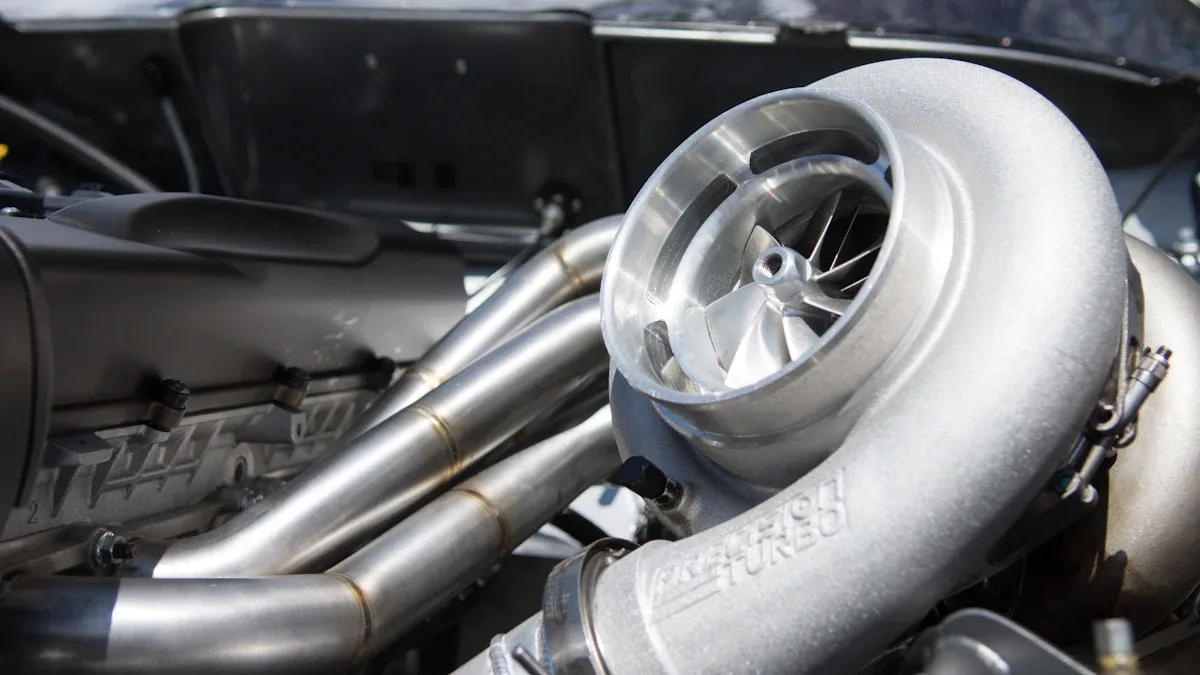
You want a significant boost in power. Then you should consider forced induction. This method pushes more air into your engine. More air means more fuel can burn. This creates a much larger increase in horsepower and torque than natural aspiration alone. Both turbocharging or supercharging offer impressive gains. They do so in different ways.
Turbocharging for Major Horsepower
Turbocharging uses your engine’s exhaust gases. These gases spin a turbine. The turbine then spins a compressor. This compressor forces more air into your engine. This process can dramatically increase horsepower. A turbocharger gives you major power gains.
Installing a complete turbocharger kit requires several key components. You will need the turbocharger itself. You also need ECU tuning to manage the new air and fuel. Upgraded fuel injectors and a stronger fuel pump are essential. A high-flow exhaust system helps gases exit quickly. An improved cooling system prevents overheating. You might need strengthened internal engine components for very high power levels. Monitoring gauges, like a boost gauge, help you keep track of your engine’s health.
Consider other vital parts for your turbocharger. You need coolant lines if your turbo uses liquid cooling. A filtered oil source with a quality paper element oil filter is crucial. A properly sized oil feed line and an oil return line (at least -10AN or 5/8 inch inside diameter) are also necessary. Ensure at least 1 inch of clearance around the turbocharger from structural parts. Use at least one flexible rubber compressor cover discharge tube coupling. A ported shroud compressor cover is often recommended. Specific oil feed line sizes depend on your turbocharger type and size. For example, a -4AN or 1/4 inch line works for small single journal bearing turbos. A -6AN or 3/8 inch line is for larger single journal bearing turbos. If your turbocharger mounts low, you will need an oil return pump system. This includes the pump, proper lines, a reservoir, and a time delay relay. These parts ensure your turbocharger works correctly and reliably.
Supercharging for Instant Power
Supercharging also forces more air into your engine. Unlike a turbocharger, a supercharger connects directly to your engine’s crankshaft. It uses a belt to spin. This means you get instant power and torque as soon as you press the accelerator. This direct connection provides immediate boost.
Many drivers choose supercharger kits for their cars. A supercharger can add significant horsepower to a stock engine. One user reported an ‘S trim’ supercharger with boost increased a stock engine’s horsepower by about 125 HP. This was with all other components remaining stock. Another user achieved 345 wheel horsepower and 358 torque with a supercharger. This car had some minor modifications like 3.55 gears and a Flowmaster catback. A supercharged 92′ LX hatchback ran a 12.7-second quarter-mile at 114 mph. This shows the impressive performance gains possible.
Superchargers come in different types. Roots-type and centrifugal superchargers are common. They deliver power differently.
Characteristic | Roots-Type Supercharger | Centrifugal Supercharger |
|---|---|---|
Boost at Low RPM | Makes more boost at low speeds, but often unusable due to detonation risk and parasitic losses. | Doesn’t offer much boost at lower RPM, as performance is directly related to engine speed. |
Boost at High RPM | Performance ‘noses over’ at higher engine speeds; not enough boost when needed. | Can easily make more pressure and flow, especially at higher pressure ratios. |
Efficiency (Adiabatic) | Very low, around 50% or below; half of input power can be consumed to make heat. | Much more efficient, especially at higher pressure ratios; peak efficiency can be 78%. |
Heat Generation | Acts as a good heater; prone to heat soak, leading to significant performance drop after warm-up. | Less heat generation; heat transfer to the motor is greatly reduced. |
Weight | Several times heavier than a centrifugal; requires larger, heavier charge cooling system. | Relatively compact and lighter. |
Placement | Necessarily placed high and forward on the engine, contributing to unwelcome weight distribution. | Can be mounted on either side of the front of a motor, offering more flexible placement. |
Impact on Tuned Intake Systems | Usually requires removal of tuned runners/variable runner intake systems, losing their benefits. | Does not require removal of engineered-in tuning, allowing those benefits to be appreciated. |
Inertia | Large rotating mass with very high inertia, requiring significant power to accelerate/decelerate. | Lower inertia. |
Noise | Pulsed delivery results in a loud and unpleasant shriek at higher speeds. | Not explicitly mentioned as noisy, implying quieter operation. |
Power Delivery | Positive-displacement design, providing full boost from idle for instant torque and linear power. | Boost matches engine’s natural power band, increasing output throughout the entire rev range, with more top-end gain. |
Discharge Temperature (Example) | 114°C (241°F) | 83°C (190°F) |
Discharge Temp Increase (Example) | 77°C (171°F) | 49°C (120°F) |
Hot Soak Effects (Example) | Devastating | Incidental |
You can see the differences in efficiency and heat generation here:
Roots-type superchargers provide full boost from idle. This gives you instant torque. However, this low-end boost is not always useful. Ford SVT chief engineer Jamal Hameedi noted, “We already had more first-gear torque than we needed, so this makes it easier to launch the car.” He said this about raising the final drive ratio on the Mustang GT500. This suggests too much low-end boost from roots-type superchargers can be excessive.
Roots superchargers can also suffer from heat soak. This means performance drops after the engine warms up. A Road & Track article compared a naturally aspirated Corvette Z06 with a roots supercharged ZR1. The ZR1 had 133 more horsepower. Yet, the Z06 was about 1 second faster around Spring Mountain. The Z06 was faster on the straightest part of the track. This indicates the roots supercharger made the car slower due to heat soak. Centrifugal superchargers do not have this problem. They offer more efficient power delivery.
Advanced Engine Modifications for Maximum Output
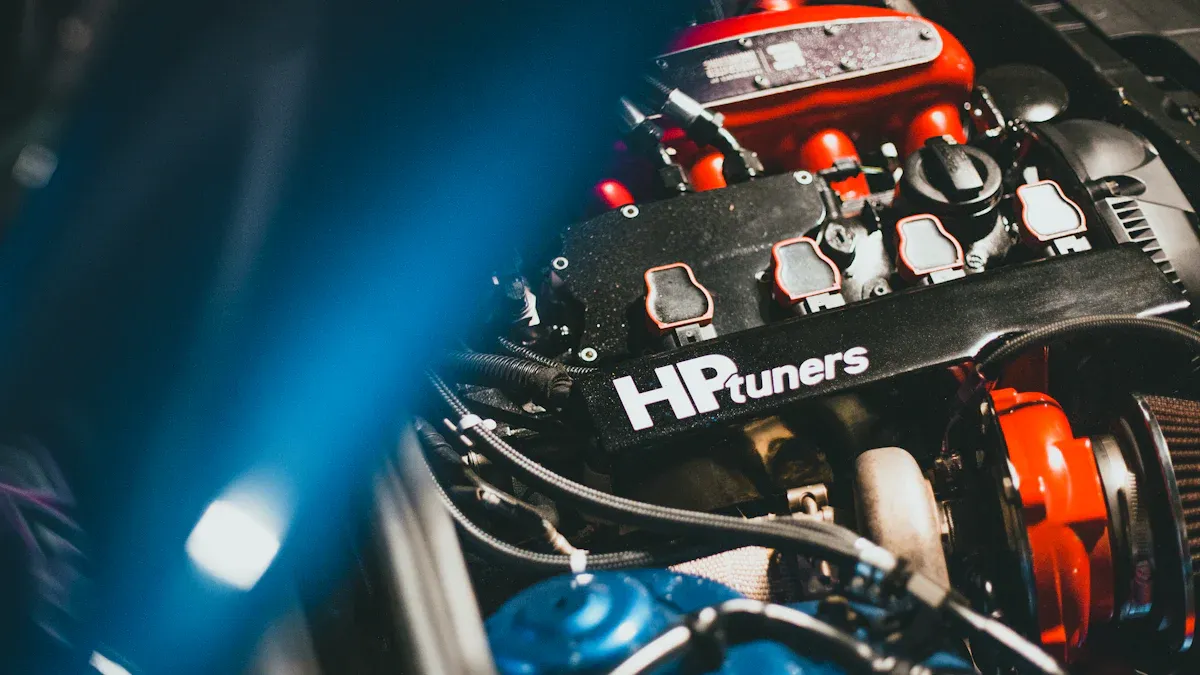
You want to truly maximize power from your engine. These advanced modifications go deeper into your engine’s core. They unlock significant gains. These changes are often more complex and require specialized knowledge. They are crucial for a serious performance engine build.
Performance Camshaft Upgrades
Your camshaft controls when your engine’s valves open and close. This timing is critical for airflow. Upgrading to high-performance camshafts changes this timing. It allows more air and fuel into the cylinders. It also lets exhaust gases exit faster. This improves your engine’s breathing. You gain more horsepower and torque.
Consider the significant gains you can achieve with these modifications.
Vehicle/Setup | Horsepower Gain (Wheel) | Horsepower Gain (Flywheel) |
|---|---|---|
Stock YXZ 1000 | 12+ hp | 15+ hp |
YXZ 1000 with low boost turbo kit | 15 hp | N/A |
Other camshaft options offer even larger increases.
Cam Type | Horsepower Gain Over Stock |
|---|---|
Crane number 113341 | 46 hp (16% overall) |
Crane number 114561 | 100+ hp |
Crane number 114571 | 100+ hp |
Largest camshaft | 108 hp (minimum) |
These numbers show how effective high-performance camshafts are. They are a key part of any performance engine build.
Cylinder Head Porting and Polishing
Your cylinder head is like your engine’s lungs. It controls how air and fuel enter and exit. Stock cylinder head ports often have rough spots and sharp edges. These create turbulence. They slow down airflow. Porting and polishing reshape and smooth these passages. This allows your engine to breathe much better. You get a smoother, faster path for air. More air and fuel enter the combustion chamber. Exhaust gases leave quicker. This improved efficiency directly increases power, especially at higher RPMs.
Cylinder head porting involves changing the passages and chambers. This optimizes airflow and fuel mixture flow. Polishing smooths these surfaces. This reduces air turbulence. It ensures minimal resistance as air moves through. Porting opens flow paths. Polishing makes flow more efficient. Both contribute to improved engine performance.
Different port types need different finishes:
Port Type | Ideal Surface Finish | Purpose |
|---|---|---|
Exhaust | Smooth, mirror-like | Prevents carbon deposits. It helps hot exhaust gases exit quickly and efficiently. |
Intake | Slightly rough, textured | Creates tiny swirls. These keep fuel droplets suspended. This promotes better fuel atomization. |
At high RPMs, stock engines can struggle. Cylinder heads cannot flow enough air. Porting and polishing fix this problem. They increase the port’s flow capacity. This lets your engine breathe freely up to its redline. This is vital for builds with larger turbos. It helps your engine use other performance parts fully. It allows your engine to continue making power where it would normally drop off.
Here are the specific areas modified:
Intake Ports: Widening and reshaping these ports lets more air-fuel mixture into the combustion chamber. This improves power and torque.
Exhaust Ports: Enlarging and reshaping exhaust ports allows smoother and quicker gas evacuation. This reduces back pressure. It increases overall performance.
Combustion Chambers: Modifying their shape and volume optimizes the air-fuel mixture’s combustion. This leads to more efficient power delivery and fuel economy.
Valves: Precision reshaping of valve seats and throats improves airflow. It reduces turbulence. It boosts power.
Valve Bowls: Contouring the area around the valves enhances airflow. It minimizes restrictions.
This upgrade is a significant step in any performance engine build. It helps you maximize power.
Professional porting and polishing require skill. Here are typical costs and labor times:
Service Type | Cost Range (USD) | Labor Time (Hours) |
|---|---|---|
Hand Porting | $400 – $800 | N/A |
CNC Porting | $700 – $1,500+ | N/A |
Flow Testing & Valve Work | $200 – $400 | N/A |
Full Port & Polish Job | N/A | 15 – 40 |
Increase Engine Displacement
Engine displacement is the total volume of air your engine’s cylinders can move. More displacement generally means more power and torque. You can increase engine displacement in two main ways.
One way is ‘boring.’ This involves increasing the diameter of the cylinders and pistons. The other way is ‘stroking.’ This uses a crankshaft with a greater throw. This increases the piston’s travel distance.
Here are specific methods:
Altered bore space: This changes the distance between cylinder centers. It allows for larger bores and increased stroke. This leads to greater displacement. This approach also gives you more power, higher boost capabilities, increased cylinder pressure, and better structural integrity for the engine block.
Overboring the cylinders: You widen the cylinder bores using special machinery. This increases bore size. Its effect on overall displacement is small. For example, boring a Chevy 350 by 0.030 inches makes it 355 cubic inches. This is a modest gain.
Increasing the engine’s stroke: This method has a bigger impact on displacement. It uses a longer stroke. You achieve this with a different crankshaft. For instance, changing a Chevy 350 to a 3.75-inch stroke results in 377 cubic inches. Combining both overboring and increasing stroke leads to even larger displacements. An example is the 383-cubic-inch stroker.
Increasing displacement is a fundamental way to how to increase horsepower and torque. It gives your engine a larger capacity to produce power.
Nitrous Oxide Systems (NOS)
Nitrous Oxide Systems (NOS) offer a quick way to squeeze extra power from your engine. Nitrous oxide contains more oxygen than air. When injected into your engine, it allows you to burn more fuel. This creates a significant, temporary boost in power.
You can expect substantial horsepower increases:
A general safe increase is about 20% of your car’s original horsepower.
Bigger engines usually handle a higher percentage.
A five-liter engine can probably handle a 30% increase.
A first-generation Dodge Viper can take a 50% increase in power.
Here are typical horsepower gains:
Engine Type | Typical Horsepower Increase |
|---|---|
Stock V8 engines | 150 hp |
4- and 6-cylinder engines | 50 to 100 hp |
While NOS provides instant power, improper use can damage your engine. You must understand the risks.
Common causes of engine failure with NOS include:
Increased Cylinder Pressures: Nitrous oxide greatly increases cylinder pressures. This stresses engine components. It can damage pistons, connecting rods, crankshafts, or blocks. This happens if parts are not strong enough.
Inadequate Fuel Delivery/Distribution: In wet systems, especially with port and direct fuel injection, fuel delivery can be uneven. Fuel can pool in the intake. Uneven distribution to cylinders causes lean conditions or detonation. This leads to catastrophic failure.
Poor Engine Condition: Engine damage can occur if your engine is not in good condition before using nitrous. The amount of nitrous you can use depends on your engine’s modifications.
Improper Fuel/Maintenance: Using low-quality fuel, wrong spark plugs, or not enough oil can cause damage. Loose mounting bolts also contribute.
Rev-Limiter Activation: Activating the rev-limiter (e.g., by accelerating into the red zone) cuts fuel. It can also lose spark. This leads to engine damage.
Unburned Fuel: Incomplete fuel combustion leaves unburned fuel in the catalytic converter. This damages it.
Always ensure your engine is in top condition. Use proper installation and tuning for NOS. This helps you maximize power safely.
You have explored many ways to increase horsepower and torque. From simple air intake changes to complex forced induction, solutions exist for every enthusiast. Remember, balancing performance gains with engine reliability is key.
Understanding the basic factors of engine performance is all about balancing power, efficiency, and reliability.
Reducing harmonics or vibrations in the engine significantly benefits engine reliability and extends its life expectancy.
Always consider safety and legality for your engine. For complex modifications, seek professional installation. Research thoroughly before making decisions. Enjoy your enhanced driving experience and the added torque responsibly.
FAQ
What is the cheapest way to increase horsepower?
Optimizing your air intake is often the cheapest way. You can install a high-flow panel filter or a short-ram intake. These upgrades allow your engine to breathe better. This leads to small but noticeable power gains.
Can ECU tuning void my car’s warranty?
Yes, ECU tuning can void your car’s warranty. Manufacturers often consider unauthorized modifications a reason to deny warranty claims. You should check your warranty terms before tuning.
💡 Tip: Always research your specific vehicle’s warranty policy.
What are the risks of using Nitrous Oxide Systems (NOS)?
Improper NOS use can damage your engine. It increases cylinder pressures. This stresses engine components. Inadequate fuel delivery or poor engine condition also leads to failure. Always ensure professional installation and tuning.
How much horsepower can a cold air intake add?
A cold air intake typically adds 5 to 15 horsepower for naturally aspirated engines. Turbocharged engines can see higher gains. For example, a 2.3L EcoBoost turbo engine gained +27 HP with a cold air intake.