The ‘Steering Assist Is Reduced Drive With Care’ message is a critical warning. It signals a problem with your power steering system. This warning message means your steering assist is compromised. You will notice increased steering effort, creating a safety hazard. You must take this serious warning message seriously. Many vehicles experience steering assist reduced issues. Surveys show older GM cars often had steering failure, indicating the commonality of steering problems. This blog helps you understand why you see a ‘steering assist is reduced’ message. We explain this steering assist warning and offer 10 potential fixes to address your steering assist concerns.
Key Takeaways
The ‘Steering Assist Is Reduced’ warning means your car’s power steering is not working right. Steering will feel much harder.
Many things can cause this warning. These include low fluid, bad fuses, or electrical problems.
You can try simple fixes like checking fluid, fuses, or battery. A vehicle restart can also help.
If simple fixes do not work, get professional help. Ignoring the warning can be dangerous.
Regular checks of fluid and electrical parts help prevent steering problems. Always fix warning lights quickly.
Understanding the Steering Assist Warning
What the Message Signifies
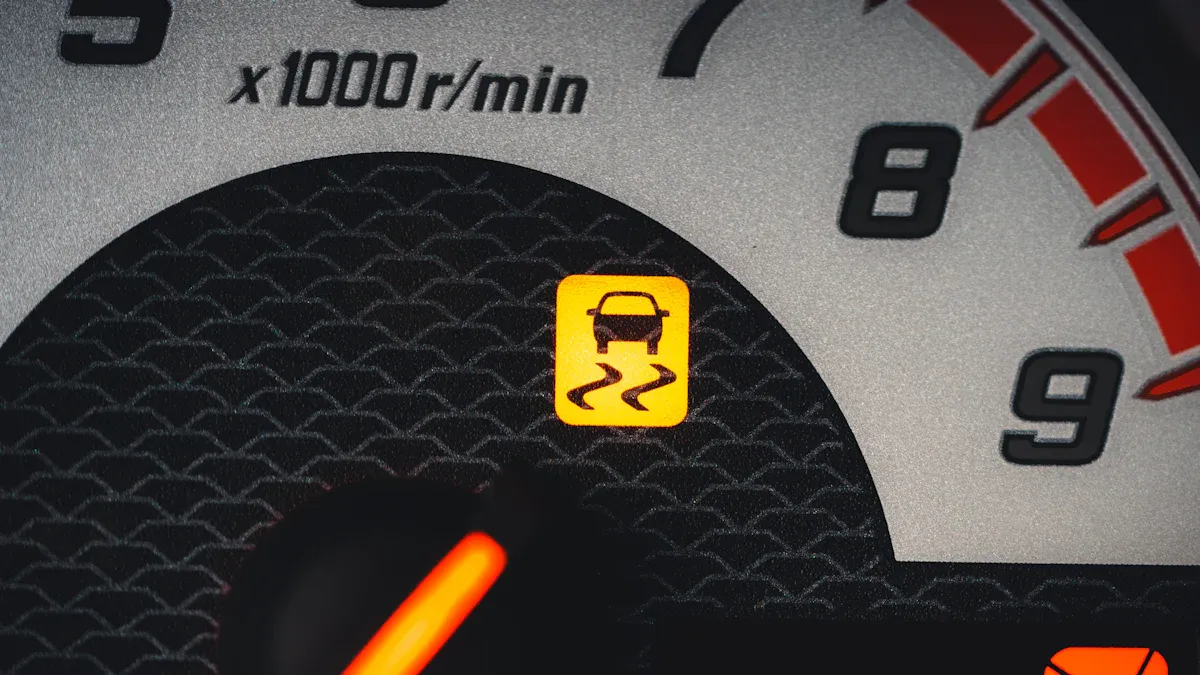
When your dashboard displays the “Steering Assist Is Reduced Drive With Care” warning message, your vehicle tells you its power steering system is not working correctly. This warning often points to an issue with the electric power steering (EPS) system, especially in vehicles like General Motors models. You are receiving a critical warning that your steering assist function is compromised. This means the system that helps you turn the steering wheel easily is not providing its full support. You must take this warning seriously and drive with care.
How Power Steering Works
Your car’s steering system helps you control the vehicle’s direction. Modern cars use a power steering system to make turning the steering wheel easier. An electric power steering system uses an electric motor to provide assistance. This motor is often under or near the steering wheel. The Electric Power Steering (EPS) system controls and assists steering through an intelligent electric motor. A control unit calculates optimal steering support based on the steering signal from a torque sensor. It then sends this information to the electric motor for necessary assistance. Key components include an Electric Motor, an Electronic Control Unit (ECU), and a Torque Sensor. The ECU calculates assisting power based on torque, steering wheel position, and vehicle speed. The EPS Motor rotates a steering gear with applied force to reduce driver effort.
Immediate Driving Implications
A reduced steering assist means you will notice immediate changes in how your car handles. The steering will feel much heavier than usual, especially at low speeds or when parking. This difficulty turning the wheel indicates the system struggles to assist you. You might also hear unusual noises when turning, like whining or groaning. These sounds suggest problems with the steering system. The steering may feel jerky or unresponsive, making it harder to maintain a smooth path. This reduced steering assist can make driving tiring and potentially unsafe. Always drive with care when you see this warning.
Common Causes of Steering Assist Reduced
Low Power Steering Fluid
Low power steering fluid makes your steering assist feel heavy. The pump cannot create enough pressure, making steering harder. Always use the correct fluid type from your owner’s manual. Some cars use Automatic Transmission Fluid (ATF); many need synthetic fluids. Wrong fluid damages your steering system.
Faulty Power Steering Pump
A bad power steering pump directly affects your steering assist function. You will hear whining or groaning when turning. The steering feels heavy or stiff. Fluid leaks, screeching at start-up, or jerky steering also point to a faulty pump.
EPS Motor Issues
Your electric power steering (EPS) motor provides steering assist. If it has problems, your steering loses power. The steering becomes very difficult to turn. This is a direct cause of a steering assist fault.
Steering Angle Sensor Malfunction
This sensor tells your car how much you turn the steering wheel. If it malfunctions, your car gets bad information, causing a steering assist fault. A faulty sensor also affects stability control, often lighting the Electronic Stability Control (ESC) warning light.
Electrical System Problems
Many electrical issues cause a steering assist reduced warning message. Wiring problems lead to temporary power steering loss. Software problems cause sudden disengagement. The control unit can also fail. These issues often need diagnostic tools.
Blown Power Steering Fuse
Your electric power steering system needs much power. A fuse protects this circuit. If the power steering fuse blows, the system loses power. This immediately causes a loss of steering assist. These are usually large Maxi fuses (20-120 Amp). Check your fuse box.
Battery and Alternator Issues
A weak battery or failing alternator can cause steering assist problems. The electric power steering system needs steady power. Low voltage from a weak battery or bad alternator triggers a “steering assist is reduced” warning. High voltage drop in battery cables also contributes.
Software Glitches
Car computer software can have glitches, causing your steering assist to fail. A software version mismatch or corrupted memory in the steering control module can trigger a fault. Improper reprogramming after replacement also causes issues. Manufacturers often release service bulletins for software updates, like GM bulletin #17NA-390 for ECM.
Faulty Thermostat or Sensor
Sometimes, a faulty thermostat or other engine sensors can indirectly affect the steering system. Bad readings might limit power to non-essential systems, including steering assist, as a safety measure.
Steering Rack Mechanical Issues
Mechanical problems with the steering rack itself can cause issues. This core steering system part, with worn gears or loose components, will make your steering feel loose, stiff, or unresponsive. This is a mechanical steering assist problem.
10 Actionable Fixes for Steering Assist Issues
When you see the “Steering Assist Is Reduced Drive With Care” warning message, you need to act. Many issues cause this problem. Here are 10 potential fixes you can try. Some are simple checks, others require more effort.
1. Check Power Steering Fluid
Your power steering system relies on fluid. Low fluid levels make your steering feel heavy. You should check your power steering fluid regularly.
Locate the power steering fluid reservoir. It is usually a clear plastic container with a black cap. You often find it near a wheel. Look for ‘MAX’ and ‘MIN’ marks on the outside.
If your vehicle has a dipstick, remove it. Wipe it clean. Reinsert it fully. Then remove it again to check the fluid level.
Observe the fluid level. Make sure it is between the ‘MAX’ and ‘MIN’ marks. Pay attention to ‘full hot’ or ‘full cold’ indicators if they are present.
If the fluid level is low, add power steering fluid. Fill it until it reaches the correct level.
You can also refresh old fluid.
Place rags around the reservoir. Have a catch can ready.
Use a fluid extractor or turkey baster. Remove most of the old fluid from the reservoir. Leave enough to cover the hose inlets. This prevents air from entering the system. Empty the old fluid into the catch can.
Add new power steering fluid to the reservoir.
Start your vehicle. Turn the steering wheel fully from lock to lock several times.
Turn off the engine. Repeat steps 1-4 until the fluid looks clean. You can also drive normally for a day or two. Then repeat the process to cycle out more old fluid.
2. Inspect Power Steering Pump
A failing power steering pump causes a steering assist fault. You can often spot a bad pump by certain signs.
Indicator Type | Specific Signs |
|---|---|
Auditory | Whining or groaning noises when turning the wheel, especially when turning all the way left or right. Grinding or whining noise when the engine is running, which may increase with engine RPM and when turning the steering wheel. A steady rising pitch as the steering wheel is turned. Whining or squeaking sounds, particularly in the steered wheel. Unusual sounds in the pump area. |
Visual | Fluid leaks around the power steering pump or reservoir. Visible spots of steering fluid under the vehicle. Air bubbles in the power steering fluid reservoir. |
Tactile/Performance | Difficulty steering. Weak steering response. Hard steering. Delayed steering response. Erratic or jerky steering performance. Excessive torque when turning. |
Listen for whining or groaning when you turn the wheel. Look for fluid leaks around the pump. Feel for hard or jerky steering. These are all signs of a faulty pump.
3. Examine and Replace Fuses
Your electric power steering system uses fuses. A blown fuse cuts power to the system. This causes a loss of steering assist.
Locate the Fuse Box: Use your owner’s manual. Find the correct fuse box for the system that is not working.
Identify the Specific Fuse: Determine which numbered fuse controls the power steering.
Remove the Fuse: Use a fuse puller, tweezers, or needle-nose pliers. Carefully pull out the fuse.
Inspect the Fuse: Examine the fuse. See if it is blown. A broken or severed metal wire inside the clear plastic section means a bad fuse.
Select the Correct Replacement Fuse: Make sure the new fuse has the exact same amperage as the old one. Using a fuse with a different amp rating can cause more damage.
Install the New Fuse: Plug the new fuse securely back into the fuse box.
Verify Functionality: Check if your steering assist now works.
Replace Spare Fuses: If you used a spare fuse from the fuse box, replace it for future use. Close and secure the fuse box door.
4. Clean Battery Terminals
Corroded battery terminals restrict power flow. Your electric steering system needs clean power. Cleaning the terminals can restore proper function.
You can use isopropyl rubbing alcohol (90%+) with a Q-tip or cotton swab and a paintbrush.
Baking soda works well. Apply it to affected areas. Rub it in. Then wipe with cotton swabs or a damp cloth.
White vinegar or lemon juice are acids. They neutralize battery discharge.
A Q-tip soaked in vinegar removes battery leaking.
You can use a vinegar-based rust remover and an old toothbrush. Follow with WD40.
CLR, followed by WD40, also works.
A vinegar/sterile water solution with a cotton swab or soft toothbrush is effective. Rinse with sterile water. Then use 90%+ isopropyl alcohol to displace water.
To clean them:
Neutralize leftover potassium hydroxide. This is a caustic agent. Use vinegar or lemon juice.
Apply vinegar to each terminal with a small paintbrush. Wipe off excess. Let it dry.
Remove oxidization and corrosion from terminals. Use a small file, sandpaper, or emery board.
Clean the terminals with isopropyl alcohol after removing oxidization.
Optionally, add non-oxidizing grease. This prevents further oxidization.
5. Test Battery and Alternator
A weak battery or failing alternator affects your steering. The electric power steering system needs stable voltage. Low voltage triggers the “steering assist reduced” warning.
Condition | Voltage Range |
|---|---|
Engine Off | 12.6 volts |
Engine Running | 13.5 to 14.5 volts |
Test your battery with the engine off. It should read around 12.6 volts. With the engine running, your alternator should charge the battery. The voltage should be between 13.5 and 14.5 volts. If your readings are outside these ranges, you have a battery or alternator problem. This directly impacts your steering.
6. Perform a Vehicle Restart
Sometimes, your car’s computer has a temporary glitch. A simple restart can fix this.
Resetting the system by cutting power allows your vehicle’s computer to reboot. It clears temporary fault codes.
This action often restores full functionality. It does not require costly repairs.
Modern vehicles rely on the Electronic Control Unit (ECU). The ECU manages the power steering system.
Temporary software glitches, voltage spikes, or sensor errors can cause the ECU to store a false fault code. This leads to an illuminated EPS warning light. It can also disable power assist.
Resetting the system works by resetting your entire vehicle’s ECU network. This includes the power steering control module.
Performing a soft reset on your vehicle’s electrical system helps resolve minor issues. It restarts the electronics and clears temporary glitches. Turn off your car. Wait a few minutes. Then restart it. This might clear the warning message.
7. Scan for Diagnostic Codes
Your car’s computer stores fault codes. These codes tell you what is wrong. Use an OBD-II scanner to read these codes.
You might find codes like PSM code 051D08.
Other codes can indicate a ‘cascade of failures’. These often relate to water getting into the steering control unit.
A 2016 Porsche Macan diesel once showed a ‘power steering failure’ warning. This happened after driving through a deep puddle. Diagnostic tools found specific fault codes, including PSM code 051D08. This showed a link between water and power steering system problems. Garages have reported similar cases. Water ingress in a control unit under the steering rack caused power steering issues. This led to many different fault codes. Scanning for these codes helps pinpoint the exact problem with your steering.
8. Inspect Wiring and Connectors
Loose or damaged wiring causes many electrical problems. Your steering assist relies on good electrical connections. Check these critical components:
Steering-assist wiring harness
Module connector
Steering-rack connector
When you inspect these components, look for:
Frayed insulation
Broken pins
Corrosion
Loose connector clips
High-resistance joints
Any of these issues can interrupt the electrical signals. This leads to a steering assist fault.
9. Address Tire Pressure
Incorrect tire pressure affects your steering. It can make your steering feel heavy or strange. This can even trigger system warnings.
Under-inflation: Leads to sluggish handling. You get a mushy response. Resistance increases. The steering feels heavier. This compromises maneuverability. It makes steering inputs harder to execute.
Over-inflation: Causes hard steering. It reduces sidewall flex. This leads to a stiffer ride. It diminishes the tire’s ability to absorb impacts. Steering feels less responsive and more challenging.
Under-inflated tires make the steering feel heavy and sluggish. Over-inflated tires make the ride harsh and less predictable. Dashboard warning lights for tire pressure should not be ignored. They alert you to issues needing prompt attention. Check your tire pressure regularly. Make sure it matches the recommended levels in your owner’s manual.
10. Consider Software Update or Calibration
Modern cars use complex software. Sometimes, a software glitch causes a steering assist problem. Your electric power steering system might need an update or calibration. This often requires a visit to a dealership or a specialized mechanic.
Select ’44 Steering Assistance’ from the Control Units screen.
Scroll down and select ‘Live data’.
In the search box, enter ‘angle’. Select ‘Steering angle sensor, angle’.
Go back to the initial ’44 Steering Assistance’ screen.
Scroll down and select ‘Basic settings’.
In the search box, enter ‘angle’. Select ‘Steering Angle Sensor, initialization’.
Follow any remaining instructions.
These steps are for a steering angle sensor initialization. This is a type of calibration. A software update can resolve glitches. It might require a dealership visit. They have the right tools to update your car’s computer. This can fix a persistent steering assist issue.
When to Seek Professional Help

Sometimes, you cannot fix the steering problem yourself. You might try all the basic checks. The “steering assist is reduced” warning message might still appear. This means you need expert help. Do not ignore these signs. Your safety depends on a properly working steering system.
Persistent Warning After Fixes
You have tried the 10 fixes. The warning message remains. This indicates a deeper issue. A professional technician has specialized tools. They diagnose complex problems. They retrieve and clear codes. They visually inspect harnesses and connectors. They conduct continuity and voltage tests. They monitor live data from sensors. They also test module communication. If sensor voltage is normal after wiring repair, they replace the sensor. If voltage remains high, the steering-assist control module is likely at fault. They perform any required calibration.
Significant Steering Difficulty
Your steering should feel smooth. If you experience significant difficulty turning the wheel, seek help. This is especially true if the steering feels very heavy or locks up. This indicates a serious steering assist fault. Do not drive your vehicle if you struggle to control the steering. You could lose control.
Unusual Noises from Steering
You might hear strange noises when you turn the steering wheel. These sounds are a clear sign of trouble. Squealing, whining, or clunking sounds indicate a problem. Squealing may suggest low power steering fluid or a worn-out belt. Clunking noises could point to loose or damaged steering components. Other noises include clicking from faulty CV joints. Worn wheel bearings can cause grinding. Loose steering rack components can cause rattling. Even the electric power steering (EPS) motor can make noise. These noises mean your steering system needs attention.
Complex System Failure Codes
Your car’s computer generates diagnostic codes. Some codes are simple. Others are complex. You might get codes that point to multiple system failures. These codes often require advanced diagnostic equipment. A professional can interpret these complex codes. They pinpoint the exact cause of the steering warning. They have the expertise to fix these intricate issues.
Preventative Maintenance for Steering Assist
You can keep your car’s steering system healthy. Regular maintenance helps prevent the “Steering Assist Is Reduced Drive With Care” warning message. Taking care of your vehicle saves you money and keeps you safe.
Regular Fluid Checks
Always check your power steering fluid. This ensures smooth operation. It also prevents damage to the pump. Make sure the fluid level is correct. If it is low, add the right type of fluid. This simple check helps your steering assist work well.
Routine Vehicle Inspections
Regular vehicle inspections are very important. You should have them done every 12,000 to 15,000 miles. These checks catch problems early. During an inspection, your mechanic will:
Check power steering fluid levels.
Inspect hoses and belts for wear.
Look for leaks or damage on all components.
Verify that alignment settings match what the manufacturer recommends.
Lubricate joints to prevent wear in parts like ball joints and tie rods. These steps reduce stress on your steering and suspension. They also make your tires last longer.
Maintaining Electrical System Health
Your electric power steering (EPS) system relies on good electrical health. You should regularly check your battery. Also, keep your tires in good condition. Understand how your EPS system works. This helps you perform regular checks. These checks extend its lifespan. They also prevent expensive repairs. Harsh weather, like extreme cold or heat, can strain electrical parts. Be aware of this. Sometimes, you need professional help for EPS issues. DIY repairs beyond simple checks can cause bigger problems or safety risks.
Promptly Addressing Warning Lights
Never ignore a warning light. If you see a steering warning, address it quickly. A small problem can become a big one. Acting fast can prevent serious damage to your steering system. It also keeps you safe on the road.
You must take the ‘Steering Assist Is Reduced Drive With Care’ warning message seriously. Ignoring this means your steering system won’t provide full steering assistance. Turning the steering wheel will require far more effort. This reduced steering assist creates a safety hazard. Your steering response will be delayed. Many issues have simple fixes, but some need professional attention. Always prioritize your safety. Seek expert help if you are unsure or if the problem persists. Regular vehicle maintenance keeps your steering healthy.
FAQ
What does “Steering Assist Is Reduced” mean?
This warning means your car’s power steering system is not working fully. You will need to use more effort to turn the steering wheel. It tells you to drive carefully because steering is harder.
Can I drive with the “Steering Assist Is Reduced” warning?
You can drive, but do so with extreme caution. The steering will feel much heavier. This makes controlling your vehicle harder. Get the issue checked as soon as possible for your safety.
How much does it cost to fix steering assist?
Repair costs vary greatly. A simple fix like a fuse or fluid check might cost little. A new power steering pump or steering rack can cost hundreds or thousands of dollars. Diagnosis is the first step.
Does a weak battery affect power steering?
Yes, a weak battery or failing alternator can affect your electric power steering. The system needs stable power to work correctly. Low voltage can trigger the “steering assist reduced” warning.