You love the unique control and engagement when you drive a manual car. Parking a manual, however, needs specific techniques. This ensures safety and stops rolling, especially on hills. This is very different from automatic cars. Many drivers make a common error: they leave their manual in neutral when parking. This can cause long-term damage to your manual transmission vehicle. You must ensure you’re in neutral to select a parking gear. This guide reveals 10 professional secrets to make parking your stick shift effortless and secure. You will learn the proper procedure for your manual transmission car.
Key Takeaways
Always use your parking brake. It keeps your car from rolling and protects your transmission.
Pick the right gear when you park. Use first gear on flat ground or uphill, and reverse gear downhill.
Never leave your manual car in neutral when parking. This is risky because your car could roll away.
Turn your wheels the right way on hills. This uses the curb or roadside to stop your car if it rolls.
Practice parking your manual car often. This helps you remember the steps and park safely every time.
Secret 1: Always Use the Parking Brake
Importance for Manual Cars
You must always use your parking brake. This is true for any car, but it is especially important for a manual transmission car. It prevents your vehicle from rolling away. It also takes stress off your transmission. Engaging the parking brake takes pressure off the transmission and prevents strain on internal components. This not only keeps your car safe—it extends the life of your transmission. Using the parking brake reduces the load on your transmission’s parking mechanism. Over time, that can mean fewer costly repairs. Think of it as cheap insurance for one of the most expensive systems in your vehicle. This simple action protects your manual car’s vital parts.
Proper Engagement
Engaging your parking brake correctly is key. You need to pull it firmly. A pull force of 20kg (44lbs) on a manual car’s parking brake should result in 7-9 clicks. However, the number of clicks can vary. You should learn the “feel” for your specific stick shift. To determine the correct parking brake engagement, follow these steps:
Stop your car and keep the foot brake pressed.
Engage the parking brake to what you think is correct.
Release the foot brake.
If your car rolls, you haven’t applied enough parking brake; repeat by pulling further.
You will develop muscle memory for proper engagement over time. It is generally recommended to pull the parking brake fully until it stops. This is often indicated in your vehicle’s manual. A parking brake that hasn’t been adjusted can cause problems. Over time, brake components settle. Without periodic adjustment, the system loses its ability to fully clamp down. This is particularly dangerous in a manual, where the parking brake plays a more significant role in holding the car steady. Always make sure you engage it properly when parking a manual.
Secret 2: Gear Selection on Flat Ground
First Gear or Reverse
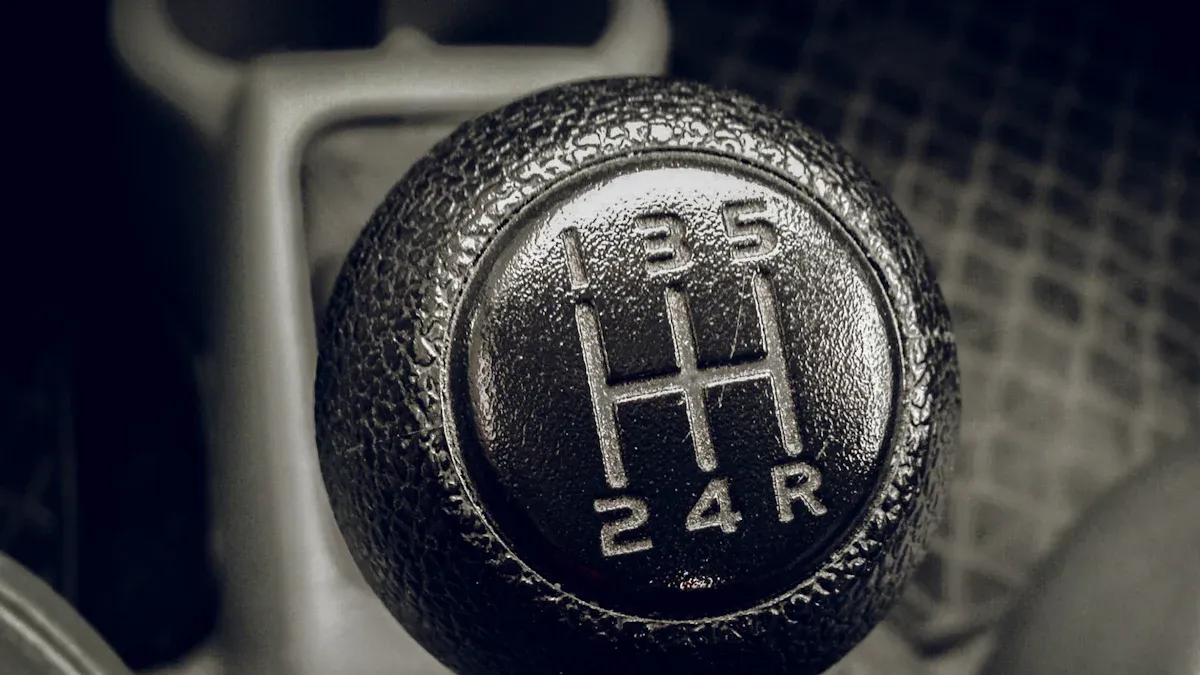
When you park your manual car on flat ground, you have a couple of excellent options for gear selection. Most experts strongly recommend leaving your car in first gear. This provides a robust mechanical lock. Think of it as an extra layer of security. The engine’s compression helps hold the car in place, making it much harder for the vehicle to move. Alternatively, selecting reverse gear is also perfectly acceptable on a level surface. Both first and reverse gears offer a similar level of security. They act as a crucial backup if your parking brake ever decides to give out. You want that peace of mind, knowing your car is truly secure. In very rare situations, if your parking space is absolutely flat with cars in front and behind you, and you want to reduce stress on the transmission if someone bumps your car, you could use neutral. But this is only if your emergency brake is set very, very firmly. This scenario is an exception, not the standard procedure for parking your manual car. Always prioritize safety over convenience.
Why Neutral is Risky for Parking
Leaving your stick shift in neutral when you park, even on flat ground, carries significant risks. While it might seem convenient, it removes a crucial layer of safety. The primary danger is that your car could roll away if your handbrake system isn’t reliable. Imagine your car slowly drifting into another vehicle or, worse, into traffic. This is why you should always use the parking brake when parking a manual, no matter the transmission type. It prevents rolling and keeps your parking brake in good working order. Relying solely on the parking brake with your car in neutral leaves you vulnerable. You want that extra peace of mind from a gear holding your car. A gear provides a mechanical stop that the parking brake alone cannot always guarantee. Don’t take that unnecessary risk; always engage a gear as a secondary safety measure.
Secret 3: Parking Uphill with a Curb
Wheels Away from Curb
Parking uphill with a curb requires a specific technique to keep your car safe. You must turn your front wheels away from the curb. This is a crucial safety measure. If your car were to roll backward, the front tire would quickly make contact with the curb. This contact prevents further movement. It acts as a physical stop for your vehicle. This simple action gives you an extra layer of protection. Many areas even have legal requirements for this. For example, some US states, like California, mandate specific wheel positioning on grades. Always check your local Department of Transportation website for specific rules. You want to avoid fines and ensure your car stays put.
Engaging First Gear
After you position your wheels, you need to engage the correct gear. For uphill parking, you should always select first gear. This provides maximum resistance due to engine compression. It’s a strong backup for your parking brake. Here is the procedure you should follow:
Bring your car to a complete stop. Press both the clutch and brake pedals fully.
Engage the parking brake firmly.
Shift your stick shift into first gear.
Slowly release the clutch while keeping your foot on the brake. This allows the engine to settle into a compression lock.
Turn off the engine and remove the key.
Double-check that your front wheels are pointing away from the curb.
This sequence ensures your manual car is securely parked. You use both the mechanical hold of the gear and the strength of your parking brake. This combination gives you peace of mind, knowing your car won’t roll away.
Secret 4: Parking Downhill with a Curb
Wheels Towards Curb
Parking downhill with a curb needs a different wheel position. You must turn your front wheels towards the curb. This is a critical safety step. Imagine your car starts to roll forward. Your front tire will quickly hit the curb. The curb then acts as a solid block. It stops your car from moving further down the street. This simple turn of the wheel gives you an extra layer of protection. It prevents your car from rolling into traffic or hitting another vehicle. Always remember this rule for downhill parking. It keeps your car safe and secure.
Engaging Reverse Gear
After you turn your wheels, you need to select the correct gear. For downhill parking, you should always choose reverse gear. This provides the best resistance against rolling forward. It uses the engine’s compression to help hold your car. This is different from parking uphill, where you use first gear. Here is the simple procedure to follow for your manual car:
Bring your car to a complete stop. Press both the clutch and brake pedals firmly.
Engage the parking brake. Pull it up until it feels secure.
Shift your stick shift into reverse gear.
Slowly release the clutch pedal. Keep your foot on the brake. This lets the engine settle into its compression lock.
Turn off the engine. Remove the key from the ignition.
Double-check that your front wheels point towards the curb.
This sequence ensures your manual car is very secure. You use both the strong hold of the gear and the power of your parking brake. This combination gives you peace of mind. You know your car will stay exactly where you left it.
Secret 5: Parking on a Hill Without a Curb
Wheels Towards Roadside
Parking on a hill without a curb presents a unique challenge. You don’t have that physical barrier to stop your car if it rolls. So, you need to use your wheels strategically. Always turn your front wheels towards the roadside, which means turning them to the right. This is a vital safety step. If your car starts to roll, whether it’s moving forward or backward, your wheels will direct it off the road. This prevents your vehicle from drifting into traffic or hitting other parked cars. It’s a simple maneuver that provides a crucial layer of protection. You want your car to roll harmlessly away from danger, not into it.
Appropriate Gear Selection
When you park your manual car on a hill without a curb, you need to combine proper wheel positioning with the right gear. First, always engage your parking brake firmly. This is your primary safety device. Then, select a gear. For this specific scenario, you should always engage first gear. This provides excellent resistance from the engine’s compression. It acts as a strong backup to your parking brake.
Here’s the sequence you should follow for your stick shift:
Stop your car completely, pressing both the clutch and brake pedals.
Engage the parking brake with confidence.
Shift your manual car into first gear.
Slowly release the clutch while keeping your foot on the brake. This lets the engine settle into a compression lock.
Turn off the engine and remove the key.
Double-check that your front wheels are turned to the right, towards the roadside.
This combination of the parking brake, first gear, and correctly angled wheels gives you maximum security. You’re using every tool available to keep your car safe and stationary.
Secret 6: The Engine Off, Brake On Sequence
Proper Shutdown for Safety
When you park your manual car, you need a specific shutdown sequence. This ensures your vehicle stays put. First, bring your car to a complete stop. Keep your foot firmly on the brake pedal. Then, engage your parking brake. Pull it up with confidence. Next, shift your stick shift into the appropriate gear for parking (first or reverse, depending on the incline). Only after these steps should you turn off your engine. This order is crucial. It creates a layered defense against your car rolling away.
When you get where you’re going, put your stick shift in gear before you shut off the engine and leave the car. Under the wrong conditions a car in neutral can roll.
This advice highlights the importance of gear selection before you even think about turning the key. It’s a simple habit that adds a huge safety net.
Preventing Unwanted Rolls
This “engine off, brake on” sequence directly prevents unwanted rolls. When you turn off the engine with the car in gear, the engine’s compression helps hold the wheels. This is a powerful mechanical lock. It works with your parking brake. If your parking brake ever fails, the gear acts as a backup. If the gear somehow slips, your parking brake is still there. You create a system where multiple components work together. This makes it very difficult for your manual car to move on its own. Always follow this sequence. It gives you peace of mind every time you park.
Secret 7: Don’t Rely Only on Gear
Gear as Backup, Not Primary Hold
You know leaving your car in gear is a crucial backup. It’s like a safety net. But you should not make it the only way to secure your manual transmission car. Your parking brake is the primary holder. The gear is there to help, not to do all the work. Think of it this way: you want multiple layers of protection. If one fails, the other steps in. This approach keeps your manual safe.
Stress on the Transmission
Relying only on the transmission to hold your car can easily damage it. This puts a lot of stress on the internal parts. Parking in gear can wear down components like bushings. You might notice rough shifting or strange noises over time. Leaving the transmission in gear keeps gears meshed. This can cause wear if there isn’t enough lubrication. It might even damage the synchronizer over time. If your car moves a little, perhaps due to uneven roads or improper brake adjustment, it increases this transmission stress. This can wear out your clutch plates. Long-term reliance on parking in gear can prematurely wear synchronizer rings and bearings. These issues often lead to very costly repairs. Transmission repairs can range from a few hundred to several thousand dollars. Imagine forgetting to press the clutch when you start your manual transmission vehicle while it’s in gear. The sudden impact can cause significant harm. This could mean over a thousand dollars in repairs. Worn clutch plates and unusual noises often result from parking your stick shift on a slope without proper care. Always use your parking brake first. Let the gear be your strong secondary support for your manual.
Secret 8: Practice Parking Your Manual
Finding Safe Practice Spots
You need to find the right places to practice parking your manual car. This helps you learn without stress. Look for low-pressure environments. These are places where you do not feel rushed or worried about other drivers. Big, empty, flat parking lots are perfect. Think about places like:
Church parking lots
Stadium parking lots
School parking lots on weekends
These spots give you plenty of room. You can also use open areas to practice your reverse gear skills. Get comfortable backing up in a wide-open space before you try it in a busy area. This builds your confidence. It makes parking a manual much easier.
Building Muscle Memory
Parking your stick shift will become second nature with enough practice. You want to build muscle memory. This means your body remembers the steps without you having to think hard about them. Repetition is key here. The more you practice, the more natural it feels.
Start by going through the parking steps slowly. Focus on each action: pressing the clutch, shifting gears, using the brake, and engaging the parking brake. Do this over and over again. Soon, your hands and feet will move almost automatically. This muscle memory helps you park smoothly and safely every time. You will feel more in control of your car. Consistent practice makes you a better driver.
Secret 9: Listen to Your Car
Recognizing Unusual Sounds
Your car often tells you when something is not quite right. You just need to listen. After you park your manual car, pay attention to any strange noises. Do you hear a faint grinding sound? Maybe a slight squeal? These sounds can be clues. A grinding noise might mean your parking brake is not fully engaged. A squealing sound could point to a loose parking brake cable. Sometimes, you might hear a subtle clunk. This could happen if your car shifts slightly after you release the foot brake. These noises are not normal. They tell you to recheck your parking setup. Your car is trying to warn you.
Indications of Improper Parking
Sounds are not the only signals. Your car can give you other hints about improper parking. You might feel a slight jolt or movement after you step out. This is a big red flag. It means your car is not fully secure. Perhaps your parking brake did not engage enough. Or maybe you did not put your stick shift into the correct gear. You might also notice your car settling more than it should. This happens if the gear or parking brake is not holding it firmly. Always trust your instincts. If something feels off, it probably is. Take a moment to get back in and re-park. It is always better to be safe than sorry. A quick re-check can prevent a lot of trouble.
Secret 10: Double-Check Your Parking
Quick Visual Inspection
You just parked your manual car. Now, take a moment. Look around your vehicle. This quick visual check is super important. It helps you catch any mistakes before you walk away. First, glance at your wheels. Are they turned the right way for the slope? If you are on a hill, your wheels should point towards or away from the curb. This depends on if you are uphill or downhill. Also, check how close you are to other cars. Do you have enough space? You want to avoid dings or scratches. A quick look can save you a lot of trouble later.
Confirming Wheel Turn and Brake
After you check your wheels, confirm your car is truly secure. You want to make sure your parking brake is fully engaged. Give it a little tug if you need to. You should feel it holding firm. Then, check your gear. For manual transmissions, you secure the vehicle by putting it into a forward gear after parking. This means you should have your car in first gear. This acts as a strong backup. It helps prevent any unwanted rolling. So, after applying the parking brake, place your vehicle in first gear if it has a manual transmission. This simple step adds a lot of safety. You can walk away knowing your stick shift is safe and sound.
Mastering these specific parking techniques for any manual transmission car is truly important. Remember, your parking brake is your best friend. Proper gear selection is a crucial backup. It prevents unwanted movement when parking a manual. You should practice these “pro secrets” often. This builds confidence and ensures safe parking in any situation for your stick shift. Keep practicing. Enjoy the full control and unique experience you get when you drive a manual car!
FAQ
Why can’t I just leave my car in neutral?
Leaving your car in neutral is risky. Your car can roll away if the parking brake fails. A gear provides a vital backup. You want that extra security.
Is it okay to park my manual transmission vehicle on a steep hill?
Yes, you can park your manual transmission vehicle on a steep hill. Always use the parking brake. Turn your wheels correctly. Engage first or reverse gear for safety.
What’s the best gear for parking my stick shift?
For your stick shift, use first gear on flat ground or uphill. Use reverse gear downhill. Never leave it in neutral. This gives you the best hold.
Can I leave my car in neutral for a very short stop?
No, avoid leaving your car in neutral even for short stops. Always engage the parking brake. Put it in gear for safety. This prevents unexpected movement.