

A hybrid car uniquely combines a gasoline engine with an electric motor. This hybrid vehicle uses energy stored in batteries to power its electric component. The primary goal of this hybrid vehicle technology is to offer you better fuel efficiency, lower emissions, and improved performance. These advantages make hybrid cars a popular choice. The global hybrid cars market is projected to grow at an 11.7% Compound Annual Growth Rate from 2024 to 2030. This growth highlights the increasing relevance of hybrid as a crucial step towards full electric vehicles.
Key Takeaways
A hybrid car uses both a gasoline engine and an electric motor. This helps save fuel and lowers pollution.
Hybrid cars use special features like regenerative braking. This feature captures energy when you slow down. It stores this energy in the battery.
There are different types of hybrid cars. These include mild, full, and plug-in hybrids. Each type offers different electric driving abilities.
Hybrid cars offer good fuel economy and quiet rides. They can also have a higher upfront cost and complex systems.
How Hybrid Cars Work

You might wonder how a hybrid car manages to combine two different power sources. It uses a clever system that integrates a gasoline engine and an electric motor. This combination allows the car to switch between power sources or use them together, depending on your driving needs.
Engine and Motor Synergy
The core of a hybrid car’s operation lies in its engine and motor synergy. The electric motor does not just assist the gasoline engine; it can also power the car independently, especially at lower speeds. This dual system significantly optimizes fuel consumption, particularly during city driving.
For example, your hybrid car can turn off its internal combustion engine when you stop at traffic lights, preventing wasted fuel during idle periods. The system stores significant electrical energy, allowing the car to run on electric power alone at low speeds. This means you can drive in electric mode during low-speed or light-load conditions, using energy from the battery and producing zero tailpipe emissions. In hybrid mode, the engine and electric motor work together. A power control unit constantly adjusts how it distributes power to achieve the best balance of performance and fuel economy. The internal combustion engine may even temporarily shut down during low-speed city commuting to save fuel, with the hybrid system taking over propulsion.
Battery Power
The battery plays a crucial role in a hybrid car. It stores and supplies electrical energy to the electric motor. Historically, Nickel-Metal Hydride (NiMH) batteries were the primary choice for hybrid electric vehicles (HEVs), like the Toyota Prius. These batteries are robust and safe.
They perform well in cold temperatures and are less likely to overheat. However, NiMH batteries have a lower energy density and discharge faster than newer options. Today, Lithium-ion (Li-ion) batteries are the dominant power source. They offer high energy density, a longer lifespan, and are lightweight. Li-ion batteries have transformed the electric vehicle market by providing an efficient way to store electrical energy, allowing for longer driving ranges and quicker charging.
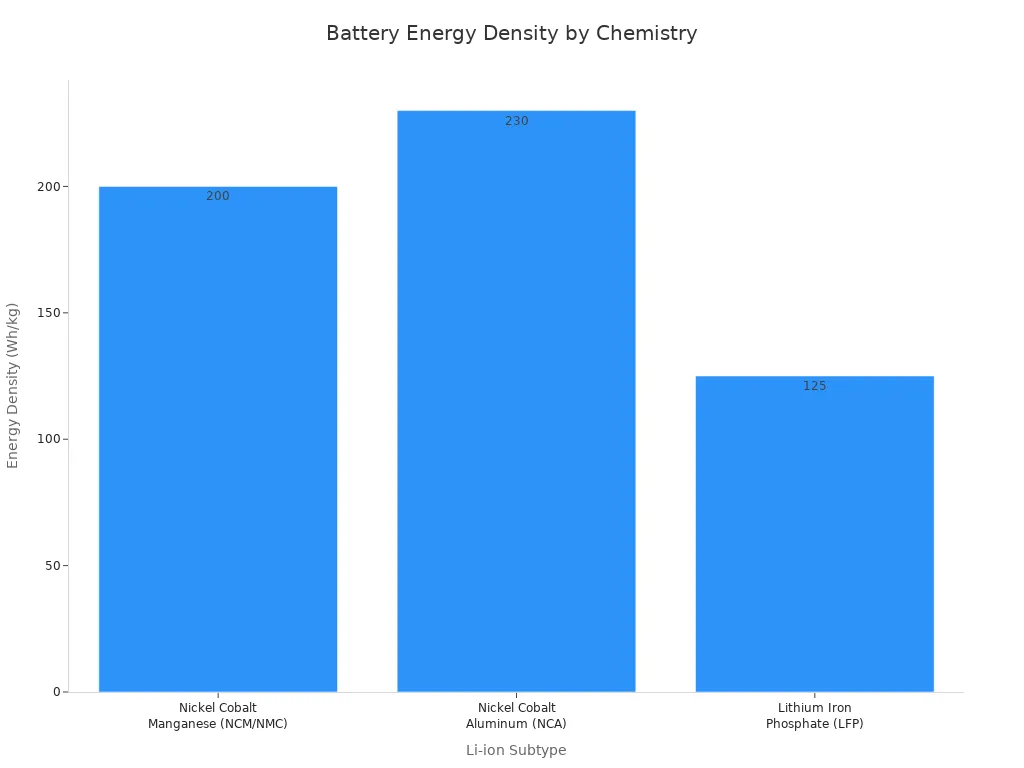
Li-ion Subtype | Energy Density (Wh/kg) |
|---|---|
Nickel Cobalt Manganese (NCM/NMC) | 150 to 250 |
Nickel Cobalt Aluminum (NCA) | 200 to 260 |
Lithium Iron Phosphate (LFP) | 90 to 160 |
Regenerative Braking
Regenerative braking is a key efficiency feature in a hybrid. When you slow down or brake, a traditional car wastes energy as heat. A hybrid car, however, captures this kinetic energy and converts it into electrical energy. It then stores this energy in the battery for later use. This process significantly reduces energy waste. In hybrid vehicles, regenerative braking can recover about 3% of energy on motorways and 14% in urban driving conditions. Some specialized vehicles, like hybrid mining trucks, can achieve even higher recovery rates, reaching up to 65.01% under specific conditions. This system helps keep the battery charged and improves the overall efficiency of the hybrid vehicle.
Power Management
A sophisticated computer system manages the power flow in your hybrid car for optimal efficiency. These power management systems, also known as Energy Management Strategies (EMSs), decide when to use the engine, the electric motor, or both. A power electronics controller directly manages the flow of electrical energy from the traction battery.
This unit controls the speed and torque the electric traction motor produces. EMSs are crucial for maximizing fuel economy and optimizing vehicle performance. Historically, these systems relied on optimal control theory. However, recent advancements include machine learning and artificial intelligence (AI) techniques. These advanced algorithms can adapt to changing driving environments, identify complex patterns, and manage non-linear behaviors within hybrid electric vehicle systems, further enhancing the performance of the hybrid.
Exploring Types of Hybrid Cars

You will find various types of hybrid cars on the market today. Each type offers a different balance between electric and gasoline power. Understanding these distinctions helps you choose the best hybrid for your driving needs.
Mild Hybrid Systems
Mild hybrid cars use an electric motor primarily to assist the gasoline engine. This motor helps with tasks like starting the engine, boosting acceleration, and improving the efficiency of the start/stop system. However, mild hybrid cars cannot drive using only electric power. The electric motor acts more like a powerful assistant. Mild hybrid cars (MHEVs) typically use a small generator and a lithium-ion battery. This setup primarily helps the conventional engine. It provides efficient acceleration and smoother start-stop functionality. You will find these systems in many modern vehicles, offering a small but noticeable improvement in fuel economy.
Full Hybrid Cars
Full hybrid cars offer more electric capability than mild hybrids. They can drive short distances solely on electric power, especially at low speeds. This means you can cruise through a parking lot or in slow city traffic without using any gasoline. Full hybrid cars seamlessly switch between electric power, gasoline power, or a combination of both. This flexibility makes them very efficient in stop-and-go driving.
You can see the key differences between mild and full hybrid systems in the table below:
Feature | Mild Hybrid Systems | Full Hybrid Systems |
|---|---|---|
Electric-Only Driving | Cannot operate solely on electric power; electric motor assists the engine. | Features electric-only driving capabilities for limited distances, allowing operation without gasoline, ideal for city driving. |
Battery Size and Power | Equipped with smaller batteries for auxiliary functions and supplemental power. | Utilize larger batteries capable of independently powering the car, contributing to extended fuel efficiency and reduced emissions. |
Full hybrid cars have a larger battery. They can use their engine as a generator for the battery and electric motor. This allows them to travel short distances, usually up to a mile or two, solely on electric power. The engine can shut off and save fuel. These types of hybrid cars give you significant fuel savings, especially in urban environments.
Series and Parallel Hybrids
Within the category of full hybrid cars, you will often hear about series and parallel configurations. These terms describe how the engine and electric motor connect to the wheels. In a series hybrid, the gasoline engine does not directly power the wheels. Instead, it acts as a generator, producing electricity for the electric motor or to charge the battery.
The electric motor always drives the wheels. A parallel hybrid works differently. Both the gasoline engine and the electric motor can directly drive the wheels, either together or independently. Most types of hybrid cars on the market today use a parallel or series-parallel (combined) system. This design offers a good balance of performance and efficiency.
Plug-in Hybrid Vehicles
Plug-in hybrid vehicles (PHEVs) represent another step towards full electrification. They feature a much larger battery than full hybrid cars. You can charge this battery externally by plugging the car into an electrical outlet, just like an electric vehicle. This larger battery gives plug-in hybrid vehicles a significantly longer electric-only range. You can often drive 20 to 50 miles or more on electricity alone before the gasoline engine even turns on.
This means you might complete your daily commute without using any gasoline at all. Once the electric range is depleted, plug-in hybrids operate like regular full hybrids, using both the engine and motor. These types of hybrid cars offer the best of both worlds: electric driving for daily use and gasoline power for longer trips. Many people choose plug-in hybrids because they provide flexibility and reduce fuel consumption. This hybrid car or hybrid vehicle option bridges the gap between traditional gasoline cars and fully electric models.
Advantages of a Hybrid Car
You gain several key advantages when you choose a hybrid car. These benefits make a hybrid an attractive option for many drivers.
Fuel Efficiency
One of the biggest advantages of a hybrid is its excellent fuel economy. You will notice significant fuel savings. The combination of a gasoline engine and an electric motor means your car uses less fuel, especially in city driving. This improved fuel economy helps you save money at the gas pump. A hybrid system efficiently manages power, giving you more miles per gallon.
Reduced Emissions
You also contribute to a cleaner environment. A hybrid car generally produces fewer harmful pollutants than a gasoline-only vehicle. While plug-in hybrid electric vehicles (PHEVs) reduce CO2 emissions by about 19% compared to petrol and diesel cars in real-world driving, this is still a reduction. Lab tests often assume a 75% reduction, but real-world figures show PHEVs pollute more than expected, sometimes nearly as much as conventional petrol cars. Still, many hybrids offer a more environmentally friendly option.
Quiet Operation
You will appreciate the quiet ride a hybrid offers. At low speeds, your hybrid car often runs solely on electric power. This means you experience a nearly silent drive. The electric motor operates very quietly, making your commute more peaceful. This quiet operation is a pleasant feature, especially in urban areas.
Potential Incentives
You might also find financial benefits. Governments and local authorities sometimes offer incentives for buying a hybrid vehicle. These can include tax credits, rebates, or reduced registration fees. These potential incentives can lower the overall cost of owning a hybrid, adding to its many advantages.
Disadvantages of a Hybrid Car
You should also understand the potential disadvantages of owning a hybrid. These factors can influence your decision.
Higher Purchase Price
You might find that a hybrid often costs more upfront than a comparable gasoline-only model. This higher initial price can be a significant consideration. For example, you might pay more for a hybrid version of a car.
Model | Price Difference (Hybrid vs. Non-Hybrid) |
|---|---|
Lexus TX 500h | ~$8,200 more |
Ford F-150 Hybrid | Same upfront cost |
While some models, like the Ford F-150 Hybrid, might have the same upfront cost, others, such as the Lexus TX 500h, show a notable price increase.
Battery Longevity
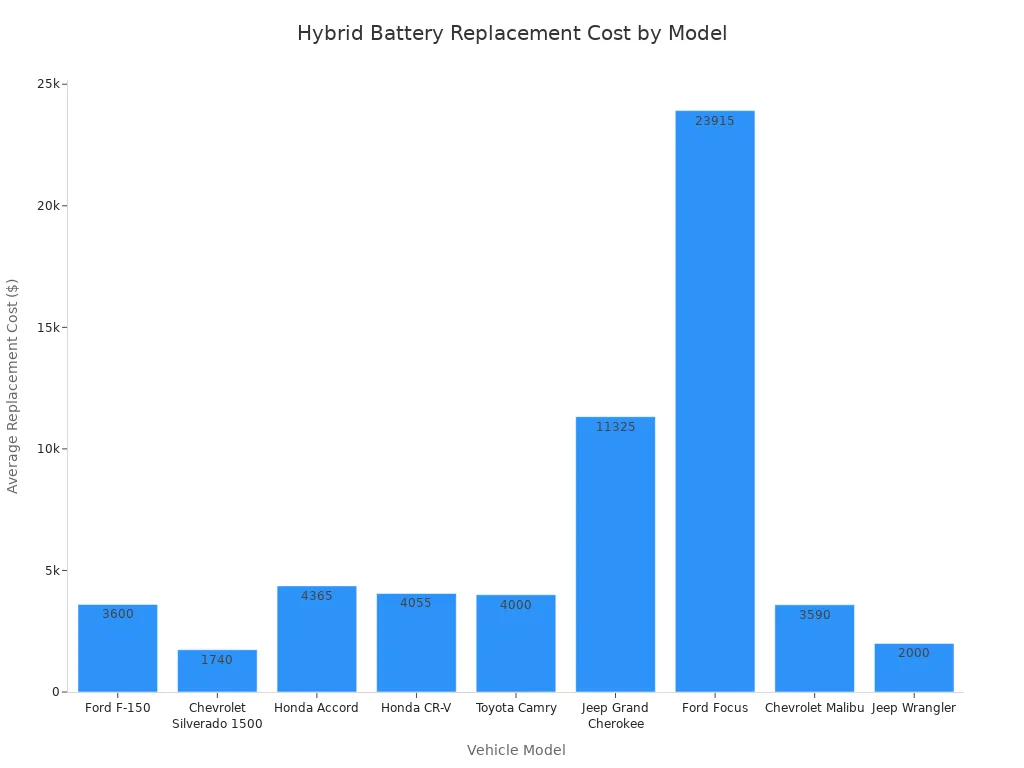
The battery in your hybrid vehicle is a crucial component, but it does not last forever. Over time, battery performance can degrade. Replacing a hybrid battery can be expensive.
Vehicle Model | Average Replacement Cost |
|---|---|
Ford F-150 | $3,450 to $3,750 |
Chevrolet Silverado 1500 | $1,680 to $1,800 |
Honda Accord | $4,250 to $4,480 |
Honda CR-V | $3,940 to $4,170 |
Toyota Camry | $3,000 to $5,000 |
Jeep Grand Cherokee | $11,070 to $11,580 |
Ford Focus | $23,750 to $24,080 |
Chevrolet Malibu | $3,550 to $3,630 |
Jeep Wrangler | $1,960 to $2,040 |
Labor costs for hybrid battery replacements typically range from $440 to $640. This depends on the job’s complexity and shop rates. The average cost for parts alone is around $5,000. You can find budget-friendly options like reconditioned batteries. These can save thousands compared to new factory batteries. However, they are generally short-term solutions. Premium factory batteries offer a longer-lasting and more reliable solution, but they cost more initially.
System Complexity
A hybrid system combines many advanced technologies. This complexity can lead to specific maintenance challenges.
Complex Electronics: The intricate electrical systems can cause various issues. These range from dashboard malfunctions to total power outages.
Software Glitches: These can range from minor infotainment system failures to significant operational issues.
Hybrid System Fault Codes: Hybrid powertrains add more complex control units and sensors. These can fail and trigger warning messages. This leads to inspection costs.
Catalytic Converter Issues: Hybrid catalytic converters are often more complex and sensitive. Replacements can be expensive.
Performance Considerations
You might also notice some performance differences with a hybrid.
Reduced Fuel Efficiency Over Time: Battery performance degradation is a common cause for hybrids losing their initial fuel efficiency.
Low Gas Mileage on Highways: Hybrids rely on regenerative braking. This is less effective on highways due to fewer braking and coasting opportunities. This leads to reduced fuel economy.
Poor Handling: The increased weight from electric motors and batteries can negatively impact dynamics and handling. This potentially affects stability and safety.
Suspension Wear: Heavier hybrid vehicles experience greater load on suspension components. This leads to increased wear.
Tyre and Brake Wear: The added weight also increases wear and tear on brakes and tires.
You now understand a hybrid car offers an efficient, environmentally friendlier alternative. This hybrid vehicle blends gasoline and electric power. You gain fuel savings and help the environment. However, consider the initial cost and battery life. Hybrid technology plays a vital role in the evolving automotive landscape. This hybrid option suits many drivers seeking balance between traditional and electric vehicles. It offers great savings.



