The average horsepower of new American vehicles has increased considerably, reaching around 247 hp in 2020 and rising to about 252 hp in 2021, despite smaller engine sizes due to advanced technologies like turbocharging and direct injection. This shift is driven largely through consumer preference for larger SUVs and trucks, which require more power, while compact cars typically offer between 100-150 hp and SUVs range from about 290 to 326 hp.
Technological improvements allow more horsepower without sacrificing fuel economy, and this trend is expected to push average horsepower over 300 hp until 2025. The rise in horsepower parallels vehicle size and weight increases, reflecting how market demand shapes power needs.
Average Horsepower of New American Vehicles in 2020
In 2020, the average horsepower of new American vehicles reached about 247 hp, marking a significant increase compared to previous decades. This jump reflects a clear trend toward more powerful engines, driven through growing consumer demand for performance and capability.
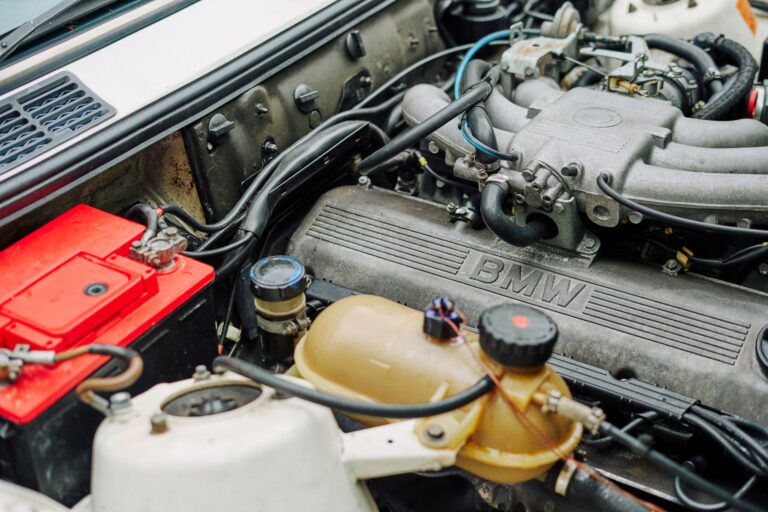
As newer models replace older cars, the shift toward larger SUVs and trucks, which typically require higher horsepower for heavier bodies and towing, pushes the average upward. Additionally, advances in technology, such as turbocharging, enable smaller engines to deliver greater power efficiently, further elevating average horsepower without excessively compromising fuel economy.
While entry-level cars tend to offer 100–150 hp, midsize and larger vehicles commonly provide power ranging from 170 to over 300 hp, blending daily usability with stronger performance in new vehicles.
Historical Increase in American Car Horsepower Since 1980
Since 1980, the average horsepower of American cars has more than doubled, rising from about 103 hp to 247 hp until 2020.
This growth reflects changes like larger engines, advancements in technology such as turbocharging, and the increasing popularity of heavier SUVs that require more power to perform well.
As SUVs and trucks have taken a bigger share of the market, their need for greater horsepower has pushed the general average higher, even as some fuel economy improvements have occurred alongside these power gains.
Horsepower Growth Over Decades
While horsepower numbers once crept fairly low for most American cars, the past four decades have seen a dramatic leap forward, almost like the slow burn of a muscle car warming up before a sprint.
Horsepower definitions and power measurements became key tools for comprehending this rise. In 1980, the average American car produced about 103 horsepower. In 2020, this figure more than doubled to 247 horsepower. This steady increase happened as vehicles grew larger, heavier, and more powerful, driven by consumer demand for performance and capability.
Although fuel economy improved from 19 to 26 mpg over this time, technological advances primarily enhanced horsepower rather than efficiency. This trend shows how power output increasingly shaped vehicle design and customer expectations during these decades.
Engine Size and Tech Changes
- From 1990 to the initial 2000s, engine displacement grew from about 3.33 liters to over 4 liters, reflecting a push for bigger engines to achieve more horsepower.
- After 2007, manufacturers started downsizing engines back to roughly 3.3 liters while maintaining or increasing power using turbocharging and direct injection technology.
- These innovations allowed higher horsepower without the weight and fuel penalties of larger engines, supporting the steady rise of average power to over 300 hp until 2025 in many American vehicles.
- Advances in hybrid and electric powertrains also reshaped power delivery, blending instant torque with efficiency, indicating a new chapter in American car engine evolution.
Impact of SUV Popularity
In the last four decades, Americans have steadily turned to bigger, bolder, and taller SUVs, and this shift has quietly rewritten the horsepower story across the country’s roads.
SUV popularity has soared, driven through consumer preferences for space, comfort, and a sense of safety. As families and individuals choose SUVs over sedans, automakers respond with building more powerful engines to handle the extra weight and deliver the performance buyers expect.
This demand pushes average horsepower higher, as even entry-level SUVs now offer more muscle than many cars did in the past. The trend reflects a deeper change in what drivers value, blending practicality with power in ways that shape the entire automotive environment.
Horsepower Differences Across Vehicle Segments
Many kinds of vehicles share the road, and each brings its own level of power that reflects what it was made to do.
Horsepower regulations and performance expectations differ widely, shaping the power output across vehicle segments. This variety guarantees that each vehicle meets specific demands from fuel efficiency to capability.
- Compact cars typically deliver between 100 and 150 horsepower, balancing everyday commuting needs and fuel economy.
- Midsize sedans and SUVs average around 170 horsepower, offering a middle ground for power and practicality.
- Large SUVs and trucks range from about 290 to 326 horsepower, designed to handle heavier loads and towing.
- Luxury and sporty vehicles frequently exceed 400 horsepower, fueling the ongoing horsepower wars in high-performance markets.
These distinctions reflect consumer priorities, from efficiency in smaller cars to power in larger and luxury models, and emphasize the complexity behind horsepower averages across segments.
High-Performance and Luxury Vehicle Horsepower Trends
Even though everyday cars have settled into familiar horsepower ranges, the high-performance and luxury segments are experiencing a horsepower revolution that shows no sign of slowing down.
Luxury performance vehicles now frequently deliver sports horsepower well beyond 600 hp, with models like the Bentley Continental GT Speed offering 771 hp through hybrid powertrains and advanced engineering.
Similarly, American muscle cars such as the Chevy Camaro ZL1 and Dodge Challenger SRT Hellcat Redeye push past 650 hp, embodying raw power.
Electric alternatives like the Porsche Taycan Turbo Cross Turismo start at 402 hp, blending innovation with luxury performance.
This powerful surge is driven by consumer desire for thrilling acceleration, status signaling, and state-of-the-art technology, making horsepower a defining feature in top-tier vehicle segments and fueling ongoing competition to raise performance benchmarks.
Impact of Horsepower Growth on Fuel Economy
Although advances in vehicle technology have augmented fuel efficiency, the steady growth in horsepower over recent decades has limited these gains. The average US fleet now achieves about 26 mpg, up from 19 mpg in 1980, but the doubling of average horsepower offsets much of the potential fuel economy improvement.
Key factors include:
- Modern tech is often used to increase power rather than boost fuel efficiency, contributing to consistently higher fuel consumption despite advanced engine designs.
- Entry-level cars like the Toyota Yaris achieve 35 mpg with lower horsepower (~106 hp), but vehicles with higher horsepower typically have lower mpg.
- Environmental concerns arise from this tradeoff, as increased horsepower correlates strongly with higher CO₂ emissions.
- Prioritizing fuel efficiency over horsepower could reduce US transportation CO₂ emissions by about 6%, highlighting the environmental importance of balancing performance and economy.
Consumer Needs vs. Horsepower in Daily Driving
What does the average driver really need from their car’s horsepower? Most daily driving situations require between 180 and 200 horsepower, enough to handle common tasks like smooth acceleration and safe passing.
Although consumers often expect power for quick responsiveness, excessive horsepower usually exceeds practical needs. Vehicles with higher horsepower often mean increased costs for purchase, insurance, and fuel without substantial benefits for everyday use.
Meanwhile, entry-level cars under 150 hp remain available but are less common as average power rises. This creates a gap between power expectations and actual daily driving demands.
Buyers should weigh whether horsepower aligns with their routine needs, considering that reliable acceleration and safety often matter more than sheer power. Grasping this balance helps prevent overspending on unused muscle while matching vehicle capability to real-world use.
Emerging Trends in Electric and Hybrid Vehicle Horsepower
Today’s car shoppers often find themselves caught between the comfort of familiar power levels and the excitement of new technology.
Electric vehicle advancements and hybrid performance now dominate discussions about horsepower. Unlike traditional engines, electric motors deliver immediate torque, redefining acceleration expectations.
Four key trends shape this evolution:
- Increasing average horsepower in electric and hybrid models now ranges mostly between 180 and 300 hp, blending efficiency with strong performance.
- Hybrid systems combine combustion and electric power for smoother, quicker acceleration without sacrificing fuel economy.
- More consumers prioritize electric drivetrains for their responsiveness and lower emissions, affecting vehicle choice.
- Automakers improve battery technology and electric motor design, enabling higher horsepower while maintaining or improving driving range.
This shift highlights how electric and hybrid horsepower is becoming a core feature of the modern American automobile environment, balancing power and sustainability.
Relationship Between Vehicle Size, Weight, and Horsepower
Vehicle size and weight play a significant role in determining the horsepower needed for peak performance. Larger vehicle dimensions typically require more horsepower to overcome increased mass and maintain efficiency in acceleration and towing capacity.
Weight distribution also influences how power is applied; a balanced distribution helps optimize traction and handling, which could affect horsepower demands. The correlation between vehicle size and horsepower is clear in the market, as bigger SUVs and trucks regularly feature engines with 290 to 326 hp or more to handle heavier loads and towing.
Meanwhile, smaller cars with lower curb weight manage with considerably less power, often under 150 hp. Comprehending these relationships helps explain why horsepower rises with increasing weight and size in American vehicles, reflecting practical performance needs rather than arbitrary power gains.
Market Factors Influencing Horsepower Preferences
The amount of horsepower consumers prefer in American cars is shaped through a mix of practical needs and personal desires alongside economic and cultural influences. Whenever market demand trends toward greater horsepower, automakers respond with more powerful engines, especially in large SUVs, trucks, and performance cars.
Consumer preferences are not just about speed, though; today’s drivers also want strong acceleration for passing and merging safely, a quality that technology now makes accessible even in everyday vehicles. Because Americans often use cars for long trips or towing, increased horsepower feels reassuring, not just exciting.
However, horsepower comes at a cost: higher purchase prices, increased fuel use, and sometimes higher insurance rates. Even after noticing these downsides, many buyers continue to expect extra power, which keeps pushing the average up. These preferences are guided by four main influences:
- Practical Needs: Families and workers seek reliability and easy highway merging, which often means choosing a vehicle with more horsepower.
- Trends and Peer Influence: The popularity of large SUVs and muscle cars encourages others to look for similar power, even though they do not use it daily.
- Marketing and Media: Automakers and car culture, from TV ads to racing events, celebrate high horsepower, making strong engines seem cool and modern.
- Economic Factors: While some buyers watch their budgets, others are willing to pay extra for a more powerful car, linking horsepower with status and confidence.
As car technology advances, the gap between enough power and too much grows smaller, but the desire for extra horsepower remains strong in the American market.
Although it is true that most drivers need only 180–200 horsepower for daily life, the excitement and peace of mind that come with higher numbers keep them popular. This cycle keeps horsepower high, even as society debates balancing power, efficiency, and cost.