People cut half their car off mainly to create a flexible foundation for unique custom modifications. This approach simplifies engine swaps by providing a ready-made assembly that includes the engine, wiring system, and ECU, which all work together seamlessly. It opens space for innovative adjustments like changing engine placement or reworking the suspension.
These half-cuts also serve as an affordable base for creative builds, from performance cars to art projects. However, buyers must be cautious as concealed damage could exist, and technical challenges often arise during the adaptation of these parts to new vehicles. This process highlights both the risks and vast possibilities in automotive customization.
Reasons Behind Cutting Half of a Car for Engine Transplants
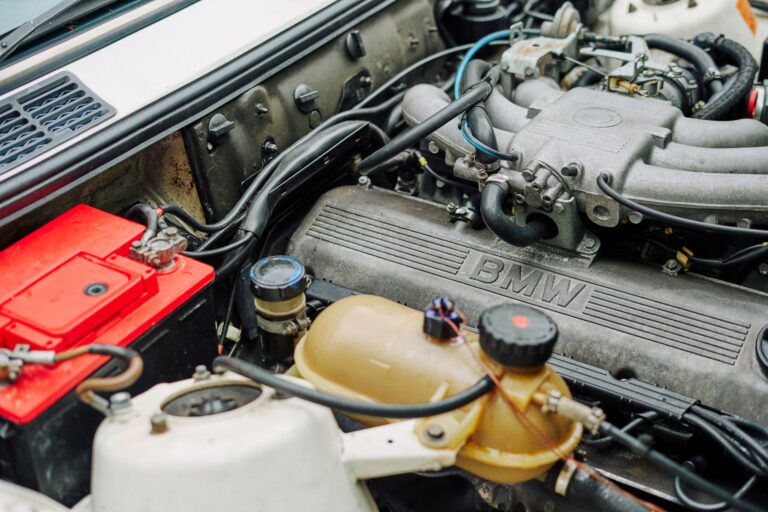
Sometimes, whenever people want to swap a car’s engine, they do not use an entire car. Instead, they often cut out the front half, known as a half-cut, which includes not only the engine but also the ECU, wiring loom, instrument panel, and radiator.
This method simplifies matching engine compatibility because the whole driveline and supporting systems come together as a package, reducing fitment issues. It also streamlines performance improvements, allowing enthusiasts to upgrade with components already set up to work together.
Removing and installing the driveline as one unit makes the transplant cleaner and more manageable. This approach is especially popular with engines like the RB20DET from older Skylines, enabling precise swaps that elevate power while maintaining mechanical harmony in custom builds.
Salvage and Insurance Motivations for Vehicle Halving
Often, vehicles are cut in half for reasons that go far beyond custom engine swaps. Salvage operations use this method to prevent cars from being reassembled after major damage, like floods or tornadoes.
Insurance policies often require it so that totaled vehicles cannot be resold or fraudulently claimed again. Workers cut unibody pillars or frame sections, making it impossible to put the car back together. This process is carefully documented and regulated.
Even though someone buys the car back, reassembly is strictly forbidden. Cutting vehicles in half protects both the insurance company and future buyers. It gives peace of mind realizing these cars won’t return to the road.
This practice is a smart, responsible step in the world of auto salvage.
How Half-Cuts Facilitate Custom Modifications and Fabrications
Upon starting custom car modifications, half-cuts provide a significant advantage through allowing builders easier access to essential components like the chassis and drivetrain.
This open layout makes custom fabrication much simpler, letting enthusiasts swap engines, rework suspension, or fit unique bodywork without fighting cramped spaces.
Chassis modifications become far more manageable, as the entire front or rear section can be lifted away, exposing every bolt, bracket, and wiring loom.
Fabricators often use half-cuts to experiment with engine placement, driveline routing, or even convert FWD to RWD setups.
The process also opens doors for creative builds, like trailers or art pieces, while keeping costs low.
With a half-cut, the car becomes a blank canvas, inviting bold ideas and hands-on expertise.
Common Risks and Drawbacks When Purchasing Half-Cut Vehicles
While half-cuts can open up a world of creative possibilities for custom car builds, they also come with a set of risks that buyers need to evaluate.
Buyer caution is essential, as concealed damages are often impossible to spot. Since most of the car is missing, it’s hard to know what repairs or structural issues existed before the cut. Rust, frame damage, or electrical faults might lurk beneath the surface, waiting to surprise the unwary.
Even when the engine and drivetrain look solid, unseen problems can turn a dream project into a costly headache. Structural integrity could be compromised should the cut wasn’t done professionally, making the vehicle less safe or harder to modify.
Resale value is usually lower, too, because of the unknown history. Always inspect carefully and ask questions before buying.
Technical Challenges Involved in Cutting and Modifying Engines
Cutting an engine in half demands extreme precision because even a small mistake can ruin parts that are essential for the engine to run smoothly, such as the crankshaft or cylinder walls.
Once these are damaged, repair is often impossible. Sealing the engine after a cut introduces serious risks, since every water jacket, oil passage, and seal must be perfectly closed to prevent leaks that could destroy the engine or cause dangerous failures on the road.
Without the right tools and deep mechanical knowledge, attempts to split or modify engines this way often lead to costly mistakes, concealed weaknesses, and engines that might look fine on the outside but fail at the time of testing.
Cutting Engine Precision
Taking on the challenge of cutting an engine in half is not something most people do every day, but for custom car builders, it can open up new possibilities. Engine modifications like this demand precision cutting to avoid ruining crucial parts. The process requires careful planning, specialized tools, and a steady hand. Mistakes can lead to leaks, poor performance, or even engine failure.
| Step | Tool Needed | Risk should Done Wrong |
|---|---|---|
| Marking Cut Line | Measuring Tape | Misalignment, imbalance |
| Cutting Crank | Diamond Saw | Engine seizure |
| Sealing Jackets | Epoxy, Welding | Coolant leaks |
| Final Assembly | Torque Wrench | Vibration, damage |
Each move must be exact, or the engine won’t run right.
Sealing and Integrity Risks
Achieving a reliable seal and maintaining engine integrity after cutting or heavily modifying an engine presents significant technical challenges.
Sealing techniques must be precise to prevent leaks in oil passages and water jackets. Any mistake can lead to engine failure or overheating. Integrity maintenance is essential because cutting alters the engine’s structure, making it weaker and more prone to cracks.
Specialized tools and expert knowledge are needed to guarantee every seal is tight and every joint is strong. Even small errors in sealing or alignment can cause big problems later.
Enthusiasts must carefully plan each step, using proven methods to protect the engine’s performance and safety. This process demands patience, skill, and attention to detail, but at the moment it is executed correctly, it keeps the engine running smoothly and reliably.
Step-By-Step Process of Driveline Removal From Half-Cuts
Removing the driveline from a half-cut begins with securing the vehicle at a raised height, typically around 100mm, to allow easier access underneath.
This position makes driveline removal much simpler than with a full car. Technicians then disconnect subframe bolts, damper bolts, radiator hoses, wiring looms, steering column, heater hoses, and air conditioning lines.
With these connections free, the entire driveline can be lifted out as a single unit. This process highlights the half cut advantages, offering a streamlined approach for engine transplants.
The method saves time and effort, letting builders focus on their custom projects. It’s a smart move for those who want precision and control, turning a complex job into something manageable and satisfying.
Creative and Community Uses of Half-Cut Vehicle Parts
While half-cut vehicle parts are primarily known for easing engine swaps and drivetrain modifications, they also find a lively second life in creative and community projects.
Enthusiasts use half-cuts for artistic installations, turning car sections into striking sculptures or unique displays that showcase automotive culture. DIY projects thrive on repurposing these parts into practical items such as trailers, BBQs, or custom furniture, blending functionality with flair.
This creative reuse highlights a resourceful approach, breathing new life into otherwise discarded materials. Communities share tutorials and ideas, promoting innovation and collaboration among hobbyists keen on experimenting with chassis, suspension, and bodywork beyond traditional builds.
The versatility of half-cuts encourages exploration and personal expression while drawing on practical benefits for fabrication and modification.
Perspectives From Enthusiast Forums on Half-Cut Projects
Car lovers often share mixed feelings about half-cut projects, balancing the excitement of a fresh engine swap with worries about concealed damage.
Online forums buzz with stories of successful builds and cautionary tales, showing how community advice can guide choices.
Many also enjoy turning leftover parts into creative projects, blending practicality with fun.
Practicality vs. Risk
Enthusiast forums often reveal a strong divide between the practicality and risks involved in half-cut projects, as users weigh the benefits of easier access and parts availability against potential obscured problems.
The practical benefits include streamlined engine swaps with components like ECUs and wiring looms intact, which simplifies installation and saves time.
However, safety concerns arise because buyers can seldom verify the structural integrity or uncover concealed damage, such as rust or frame issues, since much of the vehicle is missing.
Additionally, professional cutting is essential to avoid weakening the chassis.
This mix of advantages and risks fuels heated debates, with some seeing half-cuts as ingenious solutions for customization, while others advise caution due to unpredictability and possible costly repairs.
The community continues to balance creativity with prudent judgment, emphasizing thorough inspection and experience.
Community Debates and Trends
In online car communities, half-cut projects spark lively debates that often highlight both the excitement and the caution swirling around these unique builds. Community viewpoints reveal a split between enthusiasts who praise half-cuts for simplifying engine swaps and those wary of concealed damage risks. Debate trends focus on safety concerns, unknown vehicle history, and the value of investing in half-cuts versus full salvage vehicles. Shared DIY guides reflect widespread interest despite these risks.
| Community Views | Common Concerns | Emerging Trends |
|---|---|---|
| Practical solution | Unknown damage | Creative repurposing |
| Time-saving | Structural issues | Engine transplant focus |
| Cost-effective | Electrical faults | Increased fabrication |
| Popular in forums | Lower resale value | Hybrid and custom builds |
Creative Uses and Builds
Many half-cut projects have turned into unique creations that go far beyond simple engine swaps. Enthusiasts often repurpose half-cuts as bases for custom trailers, using the sturdy chassis sections creatively to build functional and eye-catching tow units.
Others change these halves into artistic installations, turning automotive fragments into mobile sculptures or display pieces that celebrate car culture. This approach gives builders freedom to experiment with configurations since the half-cut removes the constraints of a full vehicle, making it easier to modify engine placement, suspension, or bodywork.
Beyond traditional uses, some hobbyists craft custom furniture, BBQs, and utility trailers from these car sections. The community welcomes this inventive spirit, viewing half-cuts not just as parts but as versatile platforms fueling both practical and artistic automotive projects.