Converting a car to use hydrogen as a fuel supplement involves installing an HHO generator system that creates a mix of hydrogen and oxygen gases through water electrolysis. The process starts with mounting the generator securely near the engine to minimize hose length and heat exposure, alongside a stable water reservoir and a safety bubbler to filter the gas.
Wiring must connect the system to a switched ignition power source with proper fuses and relays while ensuring a solid ground. The generated HHO gas is then routed carefully into the air intake near the throttle body to mix with the engine air. Users should always begin operation with the engine running, closely monitor electrical current and water levels, and watch for any gas leaks. Safety precautions are essential, including personal protective equipment and adherence to local regulations. This balance of mechanical setup, electrical wiring, and operational care demands attention to detail and patience, setting the stage for potential fuel savings but also challenges in tuning and maintenance that invite further exploration.
Understanding HHO Kit Components and Assembly
While diving into converting a car with an HHO kit, grasping the core components is key.
The HHO generator uses electrolysis to split water into hydrogen and oxygen, so its design affects electrolysis efficiency.
The water reservoir holds distilled water and electrolyte, feeding the generator.
A bubbler acts as a safety device, stopping flames from traveling back and filtering gas.
Control switches and ammeters let users monitor and adjust the system.
Relays and fuses protect electrical parts, ensuring safe power delivery.
Material compatibility matters because some metals and plastics can corrode or weaken upon exposure to hydrogen and electrolyte.
Mounting each part securely and choosing compatible materials helps the system run smoothly and safely.
Choosing the Right Installation Location and Mounting
For a successful DIY hydrogen car conversion, selecting the right installation location and mounting for the HHO kit components is critical to guarantee both safety and functionality.
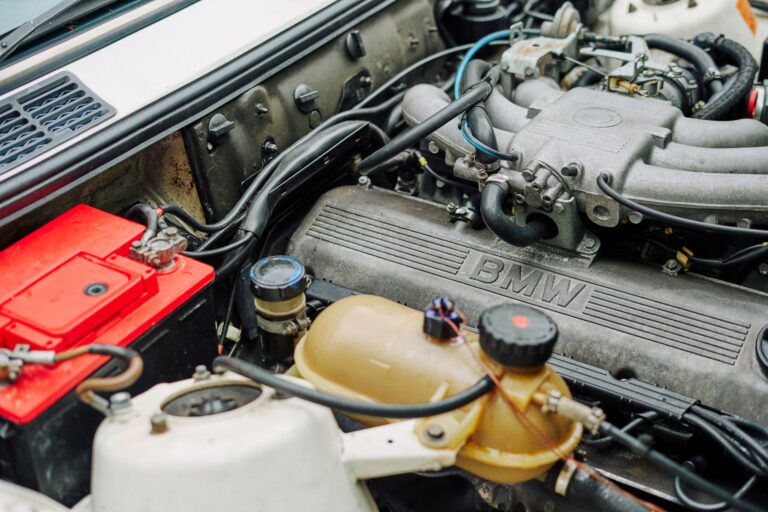
- Mount the generator close to the engine, away from moving parts and heat sources for best performance and under hood aesthetics.
- Secure the reservoir to stable surfaces like the firewall or side of the engine bay to prevent leaks and vibration.
- Place the bubbler lower than the reservoir to make certain smooth gas flow and proper safety function.
- Choose a spot that offers good noise insulation, reducing unwanted sounds from the engine bay.
- In case space is tight, rear mount installations are possible, but always confirm all components are protected from impact and environmental damage.
Wiring the HHO System for Safe Electrical Operation
Wiring the HHO system for safe electrical operation requires careful attention to detail, since a poorly wired setup can cause hazards like electrical shorts, component failures, or even fires.
Proper grounding techniques are essential; connecting the ground wire to a solid metal point near the fuse guarantees stable current flow and prevents electrical noise or faults.
Good insulation practices protect wires from abrasion, moisture, and heat within the engine bay, preventing short circuits and wear over time.
Using heavy-duty relays controlled through engine-run circuits allows the system to energize only whenever needed, reducing unnecessary load.
Fuses or circuit breakers must be installed close to the power source to quickly interrupt overloads.
Combining solid grounding with sturdy insulation and correctly rated protective devices creates a safe, reliable electrical environment for the HHO system.
Connecting the Gas Delivery to Your Engine
Getting the gas delivery right is a big step in making a hydrogen car conversion work safely and smoothly.
Proper intake placement guarantees the HHO gas mixes efficiently with incoming air, usually by connecting the gas output pipe from the bubbler to the air filter housing near the throttle valve. This throttle integration helps maintain consistent airflow and fuel mixture.
Key considerations include:
- Securely connect hoses to prevent leaks that could cause dangerous hydrogen buildup.
- Position the bubbler lower than the reservoir to maintain prime gas flow.
- Test the entire gas line for leaks before engine start to avoid flashback risks.
- Confirm the delivery line avoids sharp bends or dips, which can restrict flow.
- Maintain proper venting under the hood to prevent hydrogen accumulation in enclosed spaces.
This setup harmonizes gas delivery with the engine’s air intake system, blending safety with performance.
Operating, Tuning, and Maintaining Your HHO Kit
Operating an HHO kit requires careful attention to start and stop the hydrogen generator only while the engine is running to avoid unnecessary drain on the battery and alternator. Whenever the system is active, users should monitor the ammeter to make certain the generator draws the right amount of current, and they might need to adjust settings with a control switch for best performance.
In case the car uses electronic fuel injection, adding an EFIE helps the engine computer adjust the air-fuel mix, which can improve efficiency. Over time, owners must check water and electrolyte levels in the reservoir, inspect hoses and connections for leaks, clean the dry cell electrodes, and verify that the bubbler is functioning properly.
Tuning involves making small changes to both the HHO system and the engine to achieve smooth operation, good power, and the best possible gas mileage. A regular safety checklist includes looking for gas or water leaks, confirming proper venting to prevent hydrogen buildup, making sure all electrical connections are secure, and double-checking that fuses and the relay work as intended.
Users should always wear safety goggles and gloves during maintenance, work outdoors, and never smoke near the system, especially while the engine is not hot. Legal considerations matter too, because some areas do not allow HHO kits due to safety and emissions rules, so checking local laws before installing or using the system is critical.
With careful attention and routine checks, the HHO kit can operate safely and efficiently, but users must always prioritize safety and follow guidelines closely.