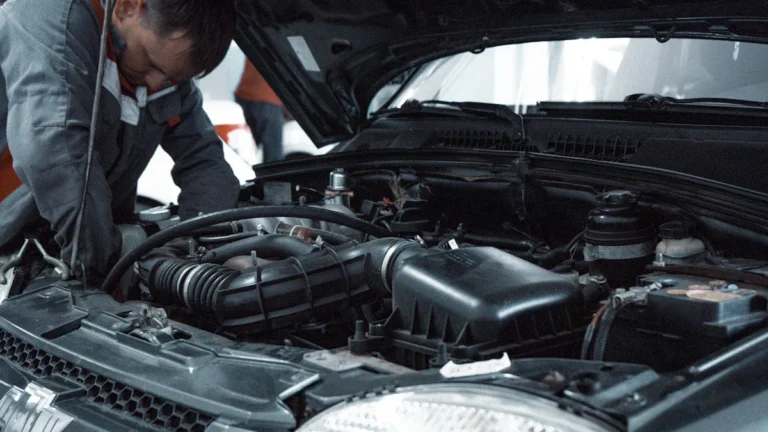
A coolant leak can quietly damage an engine, so this guide walks a driver through real signs and simple checks that build confidence, not panic. It explains where leaks usually start, why puddles, sweet smells, fogged windows, or a rising temperature gauge matter, and how to safely spot trouble under the hood. It also shares gentle DIY tests, smart temporary fixes, and clear moments at which it is safest to let a professional take over, prior to exploring each step in detail.
Understanding Coolant Leaks and Potential Engine Damage
As coolant escapes, metal runs hotter, gaskets dry out, and rust can form inside passages. Over time, this damage can spread from hoses and the radiator to the head gasket, cylinder head, or even the engine block.
Through grasping this chain reaction, a driver can see that fixing small leaks promptly protects both safety and the engine’s future.
Common Places Coolant Leaks Develop in Your Vehicle
How does a small coolant drip transform into a serious problem so rapidly? It usually starts in a few familiar locations, so a driver is not alone in confronting this.
Coolant frequently escapes at the radiator, where age, cracks, or corrosion weaken seams and plastic tanks. Nearby, hose degradation can cause soft spots, bulges, or tiny splits that leak more as pressure builds.
Gasket deterioration around the thermostat housing, water pump, or intake can let coolant seep slowly, leaving chalky stains before real puddles appear.
Inside the cabin, a leaking heater core might show up as a sweet smell, fogged windows, or damp carpet.
Through learning these common spots, a driver can notice changes early on and protect both engine and peace of mind.
Early Warning Signs Your Cooling System Is Losing Fluid
Once a cooling system starts losing fluid, the initial hints often show up in everyday moments like spotting small colorful puddles where the car was parked or noticing the dashboard temperature gauge creeping higher than usual.
A driver might also catch a light sweet smell, see faint steam, or find chalky stains around the radiator or hoses, all of which can quietly signal that coolant is escaping.
Through noticing these early signs and trusting those small changes in sight and smell, a person can act before a simple leak turns into scary overheating or major engine damage.
Dashboard Temperature Changes
What does it mean in case the temperature needle starts creeping higher than normal? It’s your car’s way of saying something’s off with the cooling system.
Once coolant leaks out, there’s less fluid to carry heat away, so the engine runs hotter. Watch for temperature fluctuations, like the needle jumping up and down or slowly climbing during normal driving.
Gauge behavior that’s different from usual—like a steady rise into the red zone or sudden spikes—is a clear warning. Provided the needle moves higher than normal, especially in traffic or on hills, it’s not just a fluke.
This often means a coolant leak is already underway, and the engine is struggling to stay cool. Ignoring it risks serious damage, so it’s best to stop and check things before the problem gets worse.
Puddles, Smells, and Stains
A steady climb on the temperature gauge is a loud warning, but the cooling system often gives quieter hints long before the needle moves.
One of the simplest clues is a small puddle where the car was parked. Once someone checks the coolant color, they might see green, orange, or pink spots that feel slightly slippery instead of oily.
From there, odor identification becomes a powerful tool. A light, sweet smell around the front of the car or inside the cabin often points to a slow leak.
Sometimes dried coolant leaves white or rusty stains on hoses, clamps, or the radiator.
If these sights and smells connect in someone’s mind, they gain confidence and catch trouble before it hurts the engine.
Step‑by‑Step DIY Methods to Track Down Coolant Leaks
Finding a coolant leak on your own could feel a bit like detective work, but with a calm head and a few simple steps, it’s totally doable.
First, the driver parks on level ground, lets the engine cool, then checks under the car for bright puddles or damp spots on the radiator, hoses, and hose clamps.
Next, they start the engine, let it warm up, turn on the heater, and watch for drips, steam, or a sweet smell that points toward the leak.
If nothing shows, they move to pressure testing with a hand pump to gently pressurize the system and look for new wet areas.
For stubborn, tiny leaks, uv tracing with fluorescent dye and a small lamp helps reveal glowing trails that guide the final fix.
Fast Temporary Fixes to Keep You Moving Safely
Even with the worry that comes once coolant starts leaking, there are a few quick, temporary fixes that can help a driver stay calm and get safely to a shop instead of being stranded on the roadside.
In the moment, simple steps matter. A person can gently tighten each hose clamp, wipe away old residue, then watch for fresh seepage.
Should a hose end be cracked, they can trim a small section and reattach it.
For tiny seeps at the radiator or block, careful sealant use might slow the loss.
High temp tape around a damaged hose also buys time, as long as engine temperature is watched closely and coolant is topped off.
| Problem | Quick Action | Goal |
|---|---|---|
| Leak at hose end | Adjust hose clamp | Slow loss |
| Small hose split | Tape and reinforce | Reach shop |
| Tiny seam leak | Light sealant use | Reduce drip |
| Damp clamp area | Clean and retighten | Stop seep |
| Low coolant | Correct top off | Prevent overheating |
When to Stop DIY and Get Professional Cooling System Repair
Sometimes a coolant problem grows so serious that home fixes are no longer safe, especially if the engine keeps overheating or the coolant seems to disappear almost as fast as you fill it.
Once leaks come from deep inside the engine, like a head gasket or a cracked block, the damage can spread quietly and turn a small repair into a very big bill. At that point, a careful driver chooses a professional shop so trained technicians can find the real cause and protect the engine from permanent harm.
Serious Overheating or Rapid Loss
In the event the temperature gauge shoots into the red zone or the coolant level drops fast even after a fresh top‑off, it is time to stop trying quick fixes and get professional help. At that point, the engine is at real risk, and every extra mile can mean warped parts and huge repair bills.
A shop can check for concealed leaks, test for head gasket failure, and read any warning codes.
This is also at which emergency protocols matter. The driver should safely pull over, turn the engine off, and avoid opening a hot radiator cap. Coolant additives or sealants could sound tempting, but in this situation they should not replace a proper inspection, pressure test, and full repair from a trained technician.
Internal Leaks or Major Damage
Although many cooling system problems can be handled at home, internal leaks and major damage are the point where a driver needs to step back and let a professional take over.
Whenever coolant slips past a head gasket or internal cracks form in a cylinder head or block, the damage hides deep inside the engine. Drivers might see white exhaust, bubbling in the reservoir, or find milky oil that looks like a coffee milkshake. These are signs of combustion leaks and coolant mixing where it should never be.
At this stage, simple tools are not enough. The repair could require engine teardown, machine work, and precise testing, so trusting a qualified shop protects both the vehicle and the driver’s peace of mind.