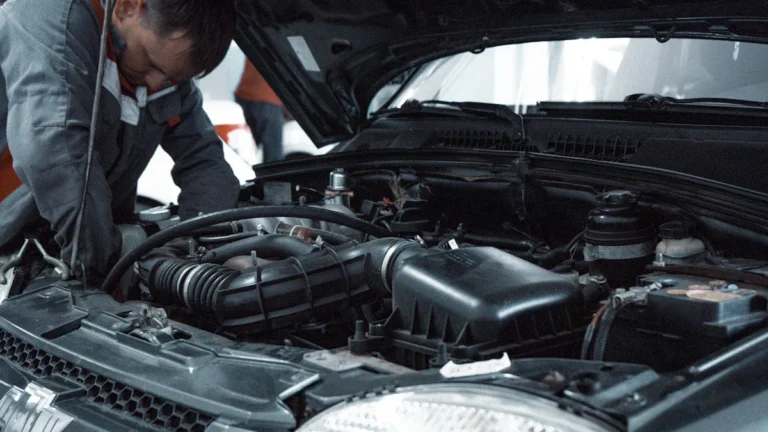
Using only water instead of proper coolant in a radiator causes real and fast damage. Water boils and forms steam pockets that block flow, and it freezes and cracks parts in cold weather. It also accelerates rust and pitting inside the engine and radiator, and it strips lubrication from the water pump so the impeller wears out. Seals and hoses degrade, leading to leaks and head gasket failure. Stop driving, drain and flush the system, and get the correct mix to prevent worse harm and learn what to check next.
Why Coolant Is More Than Just Liquid to Stop Overheating
Although it could look like just colored liquid, coolant plays several critical roles that go well beyond keeping an engine from getting too hot. It moves heat efficiently throughout the cooling system, improving heat transfer from engine parts to the radiator.
It also contains corrosion inhibitors that protect metal surfaces, seals, and hoses from rust and pitting. People who care for their vehicles want reliable performance, and coolant helps maintain that trust through stabilizing temperatures and preventing scale buildup.
The mix of fluid, additives, and controlled boiling point keeps systems functioning together, so simple water cannot match the balance. This shared care for a vehicle helps build confidence, and choosing proper coolant supports long term reliability and community knowledge.
How Boiling and Vapor Lock Risk Increases With Water-Only Use
Using plain water in a radiator lowers the system’s effective boiling point, so the coolant can reach steam-forming temperatures sooner under stress.
This change raises the chance of vapor pockets forming in tight passages, which in turn can block coolant flow and cause sudden overheating.
The reader should understand that higher boiling point loss and increased vapor lock risk are closely linked and can quickly turn a small problem into a serious mechanical failure.
Higher Boiling Point Loss
At the time coolant is replaced with plain water, the familiar safety margin that keeps the engine from boiling away begins to disappear, and people can feel worried because the consequences are immediate and visible.
The engine community notices that water lowers the system boiling point and raises vapor pressure, so steam pockets form sooner. This reduces confidence and creates shared concern among drivers who want reliable cooling.
- Water alone has a lower boiling point than coolant, so heat tolerance drops quickly.
- Higher vapor pressure from hot water makes coolant flow unstable.
- Bubble formation interrupts circulation and stresses hoses and joints.
- Reduced margin means small temperature rises become urgent problems.
Readers who care for one another will act promptly to protect engines and each other.
Increased Vapor Lock Risk
The lower boiling point described previously leads naturally into a more specific danger: vapor lock. Whenever water boils in engine passages, steam pockets form. Those pockets block fuel flow and cooling flow. The engine then stutters and might stall.
Readers who care about their vehicles will want to know why this happens. Water-only systems lack additives that raise boiling point and manage thermal expansion. Those missing properties hurt coolant compatibility with metal surfaces and hoses. Metal warping and seal failure follow, and steam forms more easily.
Drivers feel anxious once gauges spike and the car heats fast. It helps to recognize initial signs and seek trusted help. A supportive community can share practical steps and calm guidance so people act before damage grows.
Freezing Dangers and Cracked Engine Parts From Plain Water
Plain water can freeze inside engine passages and expand, putting steady pressure on metal and plastic components. This expansion can crack blocks, split hoses, and create blockages that trap moisture and speed corrosion, which makes future leaks more probable.
Whenever the engine is repaired the owner might find concealed damage and recurring problems, so it helps to understand how freezing, expansion, and corrosion work together to protect the cooling system.
Water Freezes, Expands
In case water in an engine cooling passage freezes and then expands, it can push and crack metal and plastic parts that were never built to stretch, and that damage often shows up as soon as the weather warms and the ice melts. The person who cares for a vehicle will notice leaks or odd noises.
Ice expansion comes from crystal formation inside narrow passages. That pressure targets weak joints and thin castings.
- Pipes and hoses can split once frozen water grows into crystals and forces seams apart.
- Plastic tanks might crack because they are stiff and cannot flex with expanding ice.
- Metal housings can fracture where casting is thin or stressed.
- Seals and gaskets can be pushed out, creating sudden coolant loss.
Neighbors who share tips can help prevent this harm.
Blockages and Corrosion
At the time water sits in cooling passages without proper antifreeze, it can turn everyday driving into a slow-motion problem that surprises people later. Plain water invites corrosion and scale buildup, which narrow passages and block flow. That creates hot spots and stresses metal, so cracks form in engines and hoses. Electrolyte imbalance in mixed metals speeds rust and pitting, and the team of parts suffers together. Drivers who care for their cars will notice leaks, rough idling, and uneven heat. Take action promptly and you protect a community of users who depend on reliable rides.
| Symptom | Cause | What to watch for |
|---|---|---|
| Blocked hose | Scale buildup | Reduced heater output |
| Corrosion | Electrolyte imbalance | Flaking metal |
| Crack | Freeze stress | Coolant loss |
| Leak | Pitting | Visible stains |
| Overheat | Poor flow | Temp spikes |
Corrosion and Electrochemical Damage Caused by Water in the System
Once water replaces proper coolant in a radiator, tiny chemical battles begin on metal surfaces and concealed joints, and a person can feel worried about unseen damage to a trusted vehicle. The presence of electrochemical reactions and steady corrosion buildup changes how parts meet and hold together. Friends who share car care tips will nod at the slow, quiet harm that spreads.
- Metal pitting forms where different alloys meet and stray currents drive tiny losses.
- Seams and joints weaken as rust eats contact points and traps moisture.
- Heater cores and thin tubes clog from flaky oxide layers and scale.
- Sensors and delicate fittings get unreliable as conductive films form.
People who care for their cars will want to act promptly and stay connected to trusted advice.
Loss of Lubrication for the Water Pump and Moving Components
At the time water takes the place of proper coolant, the water pump and other moving parts quickly lose the thin film of protection they need to turn smoothly, and that change can feel upsetting to anyone who cares about their car.
If coolant is missing, lubrication degradation begins because water cannot carry anti friction additives. The pump seals and the impeller shafts feel more metal on metal contact. Over weeks this speeds bearing wear and makes the pump noisier.
Owners who value their vehicle notice vibration, squeal, or stiffness. They want to help and can act promptly. Regular checks, swapping to the right coolant, and timely service reduce damage.
Staying part of a caring auto community helps people catch problems before they grow.
Cavitation, Pitting, and Premature Water Pump Failure
Cavitation forms once fast-moving water creates vapor pockets near the pump impeller, and those collapsing bubbles strike metal with surprising force. Over time this repeated impact causes small pits to appear on the impeller and housing, which slowly eat away at seals and clearances.
That damage weakens the pump and often leads to premature failure, so it helps to understand at what point vapor pockets and pitting connect and how to prevent them.
Cavitation and Vapor Pockets
At the time water is used without proper coolant additives, tiny vapor bubbles can form near the spinning parts of the cooling system and then collapse violently, and this process is called cavitation. It creates sudden bubble collapse and ongoing vapor formation that stress components.
The community of drivers and mechanics who care about reliable cooling can recognize initial signs and act together to protect engines.
- Cavitation starts once pressure drops and vapor pockets appear near moving parts.
- Repeated bubble collapse sends shock waves that damage metal surfaces over time.
- Vapor formation reduces pump efficiency, making the system run hotter and work harder.
- Shared vigilance helps people spot noise, vibration, and fluid foaming prior to major failure.
This shared approach keeps teams connected and engines safer.
Impeller Pitting Damage
At the time water is used without proper corrosion and anti-foam additives, tiny pits can begin to appear on the metal edges of an impeller, and this damage grows quietly until the pump struggles to do its job.
The group of owners who care about their machines will notice subtle signs like noise, loss of pressure, or heat. Impeller erosion weakens the surface and concentrates stress at the pits. Over weeks this leads to blade fatigue and small cracks that make blades break or warp.
People who maintain equipment together can spot initial wear and act before failure. Once pitting appears, replacement or proper coolant restores strength. Simple shared routines and checks keep pumps reliable and let everyone feel supported.
Seal, Hose, and Gasket Deterioration Without Proper Additives
At the time coolant lacks the right additives, rubber seals, hoses, and gaskets begin to age faster than expected, and the vehicle owner often notices leaks or soft spots long prior to a complete failure.
The community of drivers feels concerned because seal degradation, hose swelling, gasket cracking, and additive depletion are connected issues that erode trust in a car. They want clear guidance and reassurance.
- Signs to watch for: soft hose areas, sticky residue, or damp spots under the vehicle that point to seal degradation.
- Why it happens: additive depletion lets acids and minerals attack rubber and composite materials.
- What it feels like: owners report anxiety whenever a hose bulges or a gasket starts leaking.
- How to respond: inspect often, replace aged parts, and use correct coolant additives.
Risk of Blown Head Gaskets and Warped Cylinder Heads
Using plain water in the cooling system can allow overheating and pressure buildup that strains the head gasket and surrounding seals.
Over time that extra heat and pressure can cause metal distortion, warping the cylinder head or even creating small cracks that let combustion gases escape. These two problems are closely linked because pressure spikes speed up metal fatigue, so noticing one promptly can help prevent the other.
Overheating and Pressure Buildup
At the time an engine runs with plain water instead of proper coolant, it heats up faster and holds heat in ways that make internal parts suffer, and that creates real risk for blown head gaskets and warped cylinder heads. The writer points out that the community of drivers cares about engine health and wants practical, clear guidance.
Water promotes greater thermal expansion and sudden pressure spikes during boiling regions form. That creates stress at gasket surfaces and head bolts.
- Heat concentration: local hot spots form, raising pressure under the head.
- Rapid expansion: metal expands unevenly, stressing seals.
- Boiling pockets: steam islands push on thin gasket areas.
- Coolant loss: reduced protection means repeated cycles of stress.
This builds a direct path from overheating to gasket failure and head distortion.
Metal Distortion and Cracks
Because metal parts swell and cool at different rates in case plain water is used, engines slowly move from snug and sealed to stretched and vulnerable. The mismatch in thermal expansion creates tiny gaps where seals once fit tightly.
Over time those gaps invite leaks and then warped surfaces. This leads to blown head gaskets and cracked cylinder heads that feel like betrayal to anyone who cares for their vehicle.
Structural fatigue sets in as metal endures repeated hot and cold cycles. Cracks begin small and grow once pressure finds a weak seam.
Friends who share repair stories will warn that fixes grow costly and complex. The tone stays caring because drivers need to know damage is gradual yet certain without proper coolant and attention.
Short-Term Top-Up: When Adding Water Is Acceptable and When It Isn’T
At what time could it be okay to add plain water to a cooling system, and at what time should someone never try it? In emergencies, a person might use plain water as emergency measures and temporary fixes to get home safely. The tone is caring and inclusive so the reader feels part of a community that helps each other.
- Add water only once the engine is cool and the cap can be removed without risk.
- Use water as a short-term top up to reach a safe location and then get proper coolant.
- Never add water to a boiling, pressurized, or cracked system because it can cause burns and damage.
- Avoid repeated water use it dilutes corrosion inhibitors and harms long term protection.
These steps link practical care and quick action so people can stay safe.
What to Do Immediately if You’Ve Run Your Engine on Water
In case someone has just realized they ran the engine with plain water instead of proper coolant, calm actions matter most and can prevent bigger damage.
Initially, perform an immediate engine shutdown and let the engine cool in a safe place with the hood closed or slightly ajar for ventilation. Stay with the vehicle provided possible and avoid restarting.
Next, call a trusted mechanic or roadside service and explain the situation so they can plan coolant replacement and any needed inspections. While waiting, check for visible leaks, unusual smells, or steam from a distance.
Offer clear information about when water was added and driving conditions. The tone should reassure the person that help is available and that prompt, steady steps improve the result.
How to Properly Flush and Refill a Cooling System After Water Use
In case someone realizes water was used in the cooling system, they should start a careful flush and refill process to prevent corrosion and overheating. The community around the car supports careful work. Use a trusted flush technique and follow clear refill steps.
A friend can help bleed air and watch for leaks. Together they reduce stress and share knowledge.
- Drain the system fully and inspect hoses and radiator for damage and rust.
- Run distilled water through the system until clear, then use a compatible flush solution briefly for stubborn deposits.
- Rinse again with distilled water, then follow refill steps when slowly adding the correct coolant mix and bleeding trapped air.
- Warm the engine, recheck levels, and look for leaks while feeling supported by fellow enthusiasts.
Choosing the Right Coolant Type and Correct Mix Ratio for Your Vehicle
Upon someone needing to choose the right coolant and mix ratio for a vehicle, they should start from checking the owner’s manual and the color and type already in the system, because matching specifications prevents costly mistakes and stress.
A person reads labels for coolant lifespan and checks additive compatibility before buying. In case the car has organic acid technology coolant, it needs that same type to avoid harm. Mixing different chemistries shortens coolant lifespan and can clog passages.
A common mix is 50/50 with distilled water for freezing and boiling protection, but some climates or designs call for 60/40 or pre-mixed solutions.
Owners can ask a trusted shop whenever unsure. Clear steps and friendly guidance build confidence and a sense of community among drivers.
Preventive Maintenance to Avoid Emergency Water-Only Situations
Choosing the right coolant and mix ratio helps prevent reactive chemistry and clogged passages, and it also sets the stage for regular care that keeps a cooling system reliable. A community of drivers can adopt steady habits that stop emergency water-only situations before they start.
Routine inspections build trust in the vehicle and among peers who share tips. Hose replacements and clamp checks remove common failure points and keep coolant where it belongs. Regular flushing prevents deposits and improves heat transfer.
- Check coolant level monthly and record changes.
- Inspect hoses visually for cracks, bulges, and softness.
- Schedule coolant flushes per manufacturer guidance and local conditions.
- Replace thermostat and radiator cap at signs of wear.
When to Seek Professional Inspection and Repair After Water Exposure
At the time water has entered a cooling system, drivers should watch for clear signs that professional inspection and repair are needed, because small problems can quickly become costly failures. The community of drivers wants to protect cars and feel supported.
In case overheating occurs repeatedly, white smoke appears, coolant smells sweet, or oil looks milky, schedule a professional evaluation right away. Listen to new knocks or hissing and observe coolant loss without visible leaks.
A trusted shop can set a repair timeline based on tests, pressure checks, and a coolant system flush. Prompt contact keeps repair costs lower and preserves vehicle reliability.
Friends and family often suggest shops, so bring recommendations and ask questions to stay involved in the decision.