Regular car maintenance is crucial. It ensures your vehicle’s safety and extends its lifespan. Proactive maintenance also prevents costly breakdowns. You save money long-term. An analysis of AAA roadside assistance data indicates that millions of annual roadside breakdowns are preventable through basic vehicle maintenance. This highlights the importance of car maintenance. Poor maintenance is responsible for 15% of vehicle breakdowns. Following car maintenance guidelines helps maintain your car’s resale value. Consistent maintenance keeps your car running well. This guide provides essential checks and schedules for proper car maintenance.
Key Takeaways
Regular car maintenance keeps you safe. It makes your car last longer. It also saves you money over time.
You can do simple checks yourself. Check your tires, fluids, lights, and wipers every month. This helps find small problems early.
Pay attention to your car’s signals. Dashboard lights, strange noises, or bad smells mean your car needs help. Do not ignore these signs.
Electric cars need less maintenance than gas cars. They have fewer parts. They do not need oil changes. This saves money.
Always check your car’s owner’s manual. It tells you the best way to care for your specific car. This helps keep your car in top shape.
Why Regular Car Maintenance is Essential
Regular car maintenance is not just about keeping your vehicle running. It directly impacts your safety, your car’s lifespan, and your wallet. Understanding the importance of car maintenance helps you make smart choices.
Enhancing Road Safety
Your safety on the road depends heavily on your car’s condition. Neglecting car maintenance can lead to dangerous situations. For example, worn brake pads reduce your stopping power. This increases stopping distances and can cause accidents. Bald or underinflated tires decrease traction, especially in wet weather. This raises the risk of hydroplaning or losing control. Broken taillights or turn signals prevent other drivers from knowing your intentions. This can lead to collisions. Malfunctioning windshield wipers compromise your visibility during bad weather. Dim headlights impair your ability to see at night. Proper vehicle maintenance ensures critical components work correctly. This creates a safer driving environment for everyone.
Extending Vehicle Lifespan
You want your car to last a long time. Regular maintenance helps achieve this goal. Proper fluid management is crucial. Engine oil lubricates parts and reduces friction. Regular oil changes prevent engine damage. Transmission fluid lubricates gears and removes heat. Changing it prevents costly failures. Coolant stops your engine from overheating. Regular flushes remove contaminants. Preventative maintenance is a proactive approach. You schedule tasks based on usage and mileage. This prevents small issues from becoming big problems. Regular inspections of brakes, tires, and other systems also extend your vehicle’s operational life.
Saving Money Long-Term
You might think maintenance costs money, but it saves you more in the long run. Addressing minor issues early prevents them from escalating. A small leak can become a major engine repair if ignored. Regular maintenance helps you avoid expensive breakdowns. You spend less on unexpected, costly repairs. Following car maintenance guidelines keeps your vehicle reliable.
Maintaining Resale Value
A well-maintained car holds its value better. When you decide to sell your car, buyers look for vehicles with a good service history. Regular maintenance shows you cared for the car. This makes your car more attractive to potential buyers. You can get a better price for a car that has received consistent maintenance.
Your Car Maintenance Guide: Checklist
Maintaining your car does not have to be complicated. This car maintenance checklist helps you keep track of important tasks. You can follow these guidelines to ensure your vehicle stays in top condition. This routine car maintenance guide covers checks you should perform at different intervals.
Monthly Car Checks
You can perform these quick checks every month. They help you catch small issues before they become big problems.
Tire Pressure and Tread
Checking your tires is a simple but vital step. Proper tire pressure ensures safe driving and extends tire life.
Tire Pressure: You should check your tire pressure when the tires are cold. This means your car has been sitting for at least three hours. For passenger cars, the recommended tire air pressure is typically between 32-35 PSI for standard road conditions. While each vehicle has its own specific tire pressure requirements, most commonly fall within a range of 28 to 36 PSI (pounds per square inch). You can find your car’s specific PSI recommendation on a sticker inside the driver’s side door jamb or in your owner’s manual.
Tire Tread: You also need to check your tire tread depth. Critically low tire tread depth is indicated when tread wear indicator bars become flush with the tread, signifying 2/32 inch or less of tread remaining. A simple way to check this is by performing the penny test: place a penny upside down in the tire tread groove. If you can see the top of Lincoln’s head, the tread is too low, indicating it is time for new tires. For a more accurate measurement, use a tread depth gauge. These gauges measure depth in 32nds of an inch.
Fluid Levels: Oil, Coolant, Washer
Your car relies on various fluids to operate correctly. Checking their levels regularly prevents damage.
Engine Oil: You should check your engine oil level. The dipstick will have marks indicating the acceptable range for the oil level. Make sure the oil is between the “add” and “full” marks.
Coolant: Check your coolant level in the overflow reservoir. The coolant level can be checked in the overflow reservoir or by removing the radiator cap to look inside. Ensure it is between the minimum and maximum lines.
Windshield Washer Fluid: This fluid helps you see clearly. The fluid should reach the fill line or be just below the top of the reservoir. Top it off as needed.
Lights and Wipers
Visibility is key for safety. You should check all your lights and your windshield wipers.
Lights: Turn on your headlights, taillights, turn signals, and brake lights. Walk around your car to confirm they all work. Ask a friend to help you check the brake lights.
Wipers: Test your windshield wipers. Make sure they clear the windshield effectively without streaking. Replace them if they leave streaks or skip across the glass.
Quarterly/Mileage Checks
These checks are more involved. You should perform them every three months or every few thousand miles.
Oil and Filter Change
An oil change is one of the most important maintenance tasks. It keeps your engine lubricated and clean.
Conventional Motor Oil: For automobiles and light trucks burning gasoline under normal or ideal conditions, you should change your oil and filter once a year or every 7,500 miles, whichever occurs first. Under severe service driving conditions (e.g., frequent short trips, stop-and-go driving, dusty conditions, high temperatures), you should change it every 3,000 miles or six months.
Synthetic Oil: If you use synthetic oil, your change intervals may differ. Always follow your car manufacturer’s recommendations in your owner’s manual.
Tire Rotation
Rotating your tires helps them wear evenly. This extends their lifespan.
Regular tire rotations maintain consistent braking performance by ensuring even tread wear. This leads to better traction and grip for more effective stopping.
Tire rotations contribute to improved vehicle stability and handling. They maintain proper balance and symmetry in tire wear. This ensures predictable steering response and stability during turns.
Regular tire rotations extend the overall lifespan of tires by preventing excessive wear on specific tires. This helps avoid premature damage and maximizes your investment in tires.
Rotating tires helps them wear more evenly, which increases their longevity. Evenly worn tires reduce rolling resistance, preventing the engine from working harder and improving fuel efficiency.
Battery Health
Your car battery powers your vehicle’s electrical systems. A healthy battery ensures reliable starts.
Voltage at Rest: A healthy 12V battery should measure between 12.6V and 12.8V after sitting for several hours without load or charge input. A reading below 12.4V suggests partial discharge.
Measured CCA vs. Rated CCA: A healthy battery should deliver at least 90% of its rated Cold Cranking Amps (CCA). Anything below 80% is a warning sign.
Clean Terminals: Check for corrosion on the battery terminals. Clean them if you see any buildup.
Brake Inspection
Your brakes are critical for safety. You should have them inspected regularly.
During a brake system inspection, critical components include brake pads, rotors, calipers, and brake lines. Mechanics also check for proper brake pad thickness, rotor condition, brake fluid level and condition, and the functionality of brake calipers and hydraulic systems to identify wear, damage, or fluid leaks.
You should check your brake pads for wear. Examine them thoroughly for wear and replace them if needed.
Inspect your brake rotors or drums for wear, damage, and grooving.
Check your brake calipers for leaks and rusted slides.
Inspect your brake fluid. Check the minimum and maximum fill lines on the master cylinder. Assess the fluid’s condition.
Annual/Mileage Checks
These checks are typically performed once a year or at specific mileage intervals.
Air Filter Replacement
Your engine needs clean air to run efficiently.
A standard engine air filter typically lasts about a year or 12,000 miles.
It is recommended to change your engine air filter every 12,000 to 15,000 miles (20,000-24,000 kilometers) or once a year, whichever comes first.
Driving in dusty areas or near beaches may necessitate more frequent changes. Always consult your owner’s manual for your specific vehicle.
Cabin Air Filter
This filter cleans the air inside your car. It removes dust, pollen, and other allergens. Replace it annually or as your owner’s manual suggests.
Spark Plug Inspection
Spark plugs ignite the air-fuel mixture in your engine. Inspect them for wear and replace them if they are fouled or worn. This improves engine performance and fuel efficiency.
Belts and Hoses
Your car has several belts and hoses. They are crucial for various systems. Inspect them for cracks, fraying, or leaks. Replace any that show signs of wear.
Wheel Alignment
Proper wheel alignment ensures your tires wear evenly. It also helps your car drive straight. Have your alignment checked annually or if you notice uneven tire wear or your car pulling to one side.
Long-Term Maintenance
Some maintenance tasks occur less frequently. They are still very important for your car’s longevity.
Transmission Fluid Flush
Your transmission fluid lubricates and cools the transmission. The replacement schedule for transmission fluid varies greatly. Refer to your owner’s manual for specific replacement schedules.
Coolant Flush
Coolant prevents your engine from overheating. You should check and exchange your coolant every 2 to 5 years. This removes old fluid and contaminants.
Brake Fluid Replacement
Brake fluid is essential for your braking system. It should be replaced every 2 years. Old brake fluid can absorb moisture, which reduces its effectiveness.
Timing Belt Replacement
Many cars have a timing belt. This belt synchronizes your engine’s components. Its failure can cause severe engine damage. Check your owner’s manual for the recommended replacement interval. This is often between 60,000 and 100,000 miles.
This car maintenance checklist provides a comprehensive overview. Remember, vehicle maintenance schedules are determined by manufacturer recommendations, mileage, and driving conditions. Always consult your owner’s manual for the most accurate information for your specific vehicle. Following these car maintenance guidelines helps you keep your car reliable and safe.
Signs Your Car Needs Attention
Your car often tells you when it needs help. You should pay attention to these signals. Recognizing these signs my car needs maintenance early prevents bigger problems.
Dashboard Warning Lights
Your dashboard lights up for a reason. These lights tell you about your car’s systems. You should never ignore them.
Low Tire Pressure: An exclamation point inside a half-circle means one or more tires have low pressure. You need to inspect your tires and inflate them.
Engine Oil Warning Light: This light looks like an oil can. It signals low oil pressure or levels. You must check and top off your oil immediately.
Check Engine Light: This light can signal various engine issues. It could be minor or major. You should have a mechanic inspect it.
Coolant Level Warning Light: A thermometer symbol means your car is likely overheating. You should stop the car safely and check coolant levels.
Brake System Warning Light: An exclamation mark with a circle means an issue with your brakes. This is critical for your safety. You need immediate attention.
Battery Light: A red battery symbol means a problem with your electrical charging system. This requires immediate inspection.
Unusual Noises or Vibrations
Your car should run smoothly and quietly. New noises or vibrations are clear signs my car needs maintenance.
Squealing: This often comes from belts, pulleys, or brake wear indicators.
Humming: You might hear this from wheel bearings or drivetrain components.
Clunking: This can mean suspension wear or loose parts.
Grinding: You might hear this from brakes or transmission parts.
Knocking or Tapping: These sounds often point to internal engine issues.
Vibrating while driving: This can mean tire imbalances or worn brake parts.
Shaking when applying the brakes: This often means worn brake pads or warped rotors.
Performance Changes
You know how your car usually drives. Any change in its performance means you need to check it.
Difficulty Starting: This often points to a failing battery.
Poor Air Conditioning Performance: Your A/C might have low refrigerant or a compressor issue.
Steering Wheel Vibrations or Vehicle Pulling: Your car might have suspension damage or unbalanced wheels.
Skipping Routine Oil Changes: Neglecting oil changes leads to engine damage. Regular maintenance prevents this.
Fluid Leaks
You might see puddles under your car. Different fluid colors tell you different things. This is a clear sign for car maintenance.
Fluid Type | Color | Texture/Smell |
|---|---|---|
Engine Oil | Light brown to dark black | Slick and greasy |
Coolant | Green, orange, pink, or yellow | Sweet smell |
Transmission Fluid | Red or reddish-brown | Slippery |
Brake Fluid | Light yellow to amber | Oily |
Power Steering Fluid | Reddish or light brown | Slick and oily |
Water (A/C Condensation) | Clear | Odorless |
Strange Odors
Your nose can also detect car problems. Unusual smells mean you need maintenance.
Burning Rubber Smell: This may mean slipping belts or overheated tires.
Sweet, Syrupy Smell: This often signals a coolant leak.
Rotten Egg Smell: This usually points to catalytic converter problems.
Burnt Oil Smell: This results from oil leaking onto hot engine parts.
Gasoline Smell: This can indicate dangerous fuel leaks.
Musty or Moldy Smell: This suggests moisture in your ventilation system.
DIY Basic Car Maintenance Checks
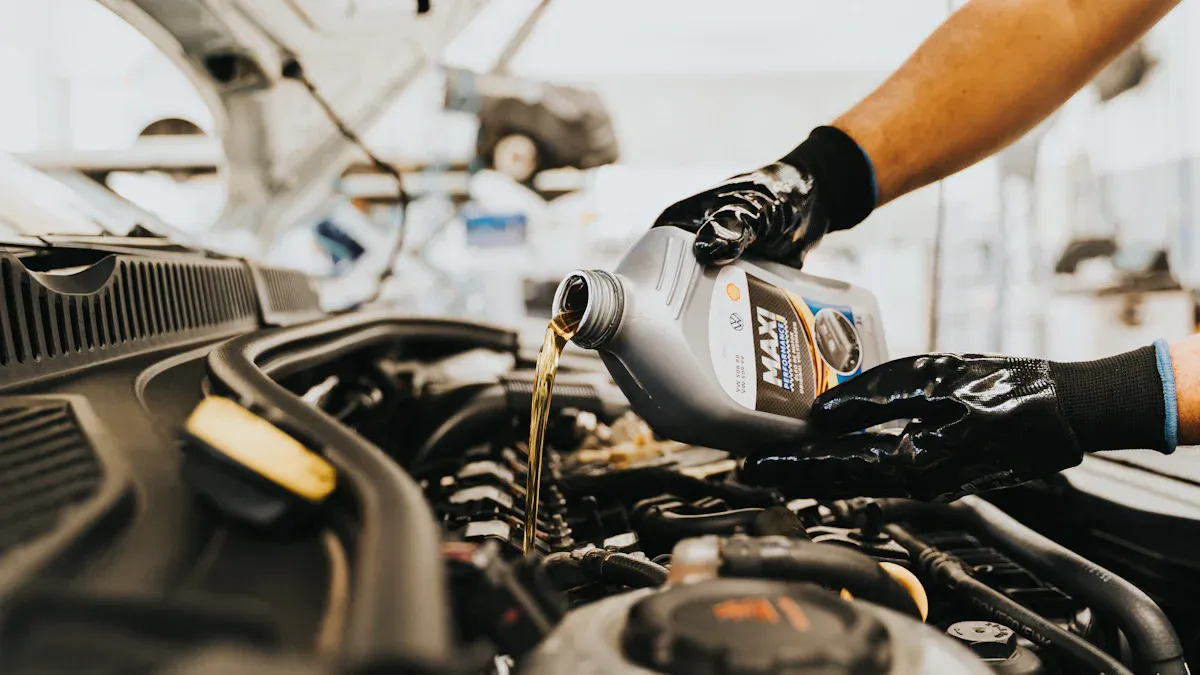
You can perform many simple checks on your car. These basic car maintenance tasks help you keep your vehicle running well. Doing these checks regularly saves you money and prevents bigger problems. You play an active role in your car’s health. This basic car maintenance guide shows you how.
Checking Engine Oil
Checking your engine oil is a vital part of car maintenance. It ensures your engine stays lubricated. Follow these steps to check your oil:
Prepare Your Vehicle: Park your car on level ground. Turn off the engine. Wait 5–10 minutes for the oil to settle.
Locate the Dipstick: Find the dipstick under the hood. It usually has a brightly colored handle.
Clean the Dipstick: Pull out the dipstick. Wipe it clean with a paper towel or cloth.
Check the Oil Level: Reinsert the dipstick fully. Pull it out again. The oil level should be between the “MIN” and “MAX” marks.
Assess the Oil’s Condition: Look at the oil’s color. Fresh oil is amber. Check its consistency. It should be smooth. Smell the oil. A burnt odor means issues.
Add Oil if Needed: If the level is low, add oil gradually through the filler cap. Check the dipstick after each addition. Use the type specified in your owner’s manual.
Wrap It Up: Reinsert the dipstick. Close the hood. Dispose of used materials safely.
Inspecting Tire Pressure
Proper tire pressure is crucial for safety and tire life. You can easily check this yourself. This basic car maintenance step takes little time.
Begin with cold tires. This means your car has been parked for at least three hours. Or you have driven it less than a mile.
Remove the valve cap from the tire’s valve stem.
Firmly press the tire pressure gauge onto the valve stem. Do this until any hissing sound stops.
Read the pressure displayed on the gauge.
Compare this reading to the manufacturer’s recommended PSI. If underinflated, add air using an air compressor.
Topping Off Washer Fluid
You need clear visibility when you drive. Check your windshield washer fluid often. Just lift the hood and find the washer fluid reservoir. It usually has a windshield icon on the cap. Fill it to the “full” line with appropriate washer fluid. This simple maintenance task keeps your windshield clean.
Inspect Belts and Hoses
Look under the hood at your car’s belts and hoses. Check them for cracks, fraying, or leaks. Squeeze the hoses. They should feel firm, not mushy or brittle. Any signs of wear mean you should have them replaced. This prevents unexpected breakdowns.
Battery Terminal Check
Your car battery needs clean connections. Look at the battery terminals. Check for any white or bluish-green corrosion. If you see corrosion, you can clean it with a wire brush and a baking soda solution. Ensure the connections are tight. This basic car maintenance step helps your car start reliably.
Understanding Car Maintenance Costs
Cost Factors
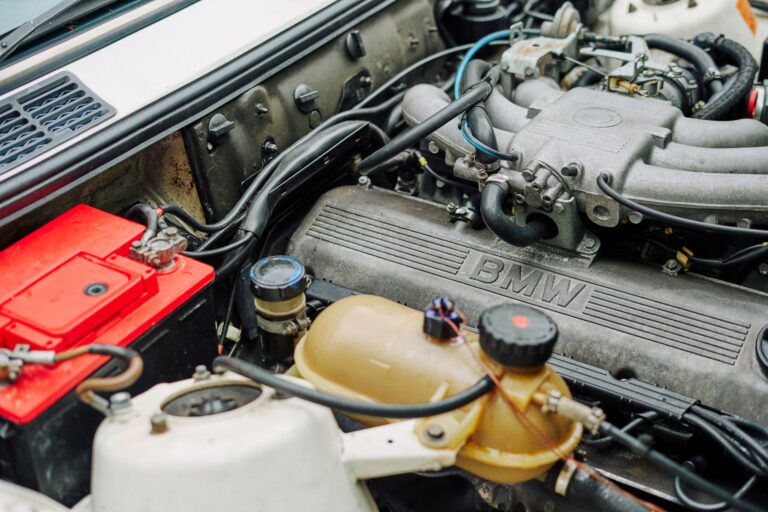
You need to understand what influences your car’s upkeep expenses. Your vehicle’s make and model play a big role. Luxury brands like BMW often have higher costs for specialized parts and labor. Economy brands such as Toyota usually cost less. Vehicle age and mileage also matter. Older cars or those with more miles generally need more frequent and expensive repairs. Location affects costs too. Labor rates and environmental conditions vary by region. For example, cold climates increase wear on batteries. Aggressive driving habits lead to more frequent replacements for brakes and tires. Frequent short trips can cause oil sludge buildup. This means you need more frequent oil changes.
Average Service Costs
You might wonder about typical service prices. An engine oil change often costs $20 to $100 at an auto repair shop. You can expect to pay around $120 per year for oil changes. Tire rotations usually cost $20 to $50. Some places offer them for free or include them with other services. Brake pads and brake shoes average $60 to $150 per year. A brake inspection is often free or part of an oil change service. Changing brake pads typically costs $100 to $300 per axle.
Budgeting for Upkeep
You should plan for your car’s upkeep. Setting aside money each month helps you cover these expenses. Knowing the average costs for common services allows you to budget effectively. Regular car maintenance prevents unexpected financial surprises. You can avoid large, sudden repair bills by planning ahead.
Neglect vs. Proactive Care
You face a choice: neglect your car or care for it proactively. Neglecting maintenance allows small issues to become major, expensive repairs. Routine tasks like oil changes prevent bigger problems. Poorly maintained vehicles use more fuel. Dirty air filters or underinflated tires reduce efficiency. Skipping routine care shortens your car’s lifespan. This means you need a new car sooner. A car with a documented history of regular maintenance holds a higher resale value. Neglected vehicles appear risky to buyers. Proactive maintenance saves you money long-term.
Dealership vs. Independent Mechanic
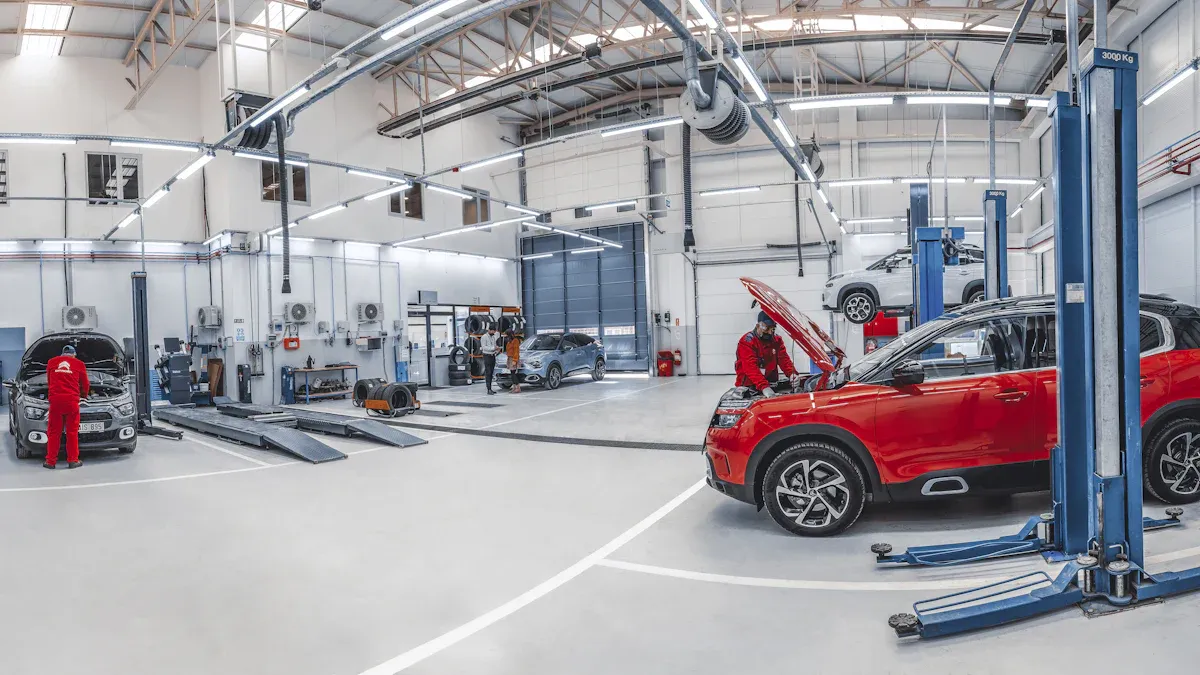
You face a choice when your car needs service. Should you go to a dealership or an independent mechanic? Both options have benefits and drawbacks. Understanding these differences helps you make an informed decision for your car maintenance needs.
Dealership Service Pros and Cons
Dealerships offer specific advantages. They have factory-trained technicians. These experts understand your car’s make and model. They use original equipment manufacturer (OEM) parts. These parts guarantee a perfect fit for your car. Dealerships also have up-to-date tools. They match your vehicle’s systems. This minimizes errors. You also get warranty protection. This is crucial for new cars. Technicians can consult the automaker for complex repairs. This speeds up the process. Dealerships offer full service. They handle oil changes, brakes, software updates, and recalls. This makes them a one-stop shop for comprehensive car maintenance.
However, dealerships also have disadvantages. Their services and parts often cost more. You might experience longer wait times for appointments. This can be inconvenient if you need quick service. Dealerships focus on one brand. If you own different car makes, you might need multiple service providers.
Independent Shop Pros and Cons
Independent mechanic shops offer another option. They often provide more affordable repairs. Their prices for parts and labor are typically lower than dealerships. You can also expect personalized service. You speak directly to experienced technicians. Scheduling is often faster. You get quicker wait times and faster turnaround for routine repairs. Your warranty stays protected. Consumer protection laws ensure this if repairs meet manufacturer specifications. Many independent shops have ASE-certified technicians. These technicians receive ongoing training. They learn about the latest automotive technology and repair procedures. They are not restricted to only original equipment parts. This gives them a larger selection of parts. This can lead to more cost-effective testing and troubleshooting.
Finding the right independent mechanic can be challenging. There are many options available. You need to research and find a reputable shop.
Choosing Your Service Provider
You need to choose the best service provider for your car maintenance. Consider your car’s age and warranty status. Think about your budget. Dealerships are often best for warranty work or complex issues specific to your car’s brand. Independent shops are great for routine maintenance and saving money on general repairs. Both play a role in keeping your car in top condition. Regular maintenance is key to your vehicle’s longevity.
Electric Vehicle Maintenance
Electric vehicles (EVs) offer a different approach to car maintenance. You will find their needs differ significantly from gasoline-powered cars. This often means less frequent and simpler service.
Reduced Maintenance Needs
EVs generally require less frequent car maintenance. Their mechanical operation is simpler. You will find fewer moving parts in an EV. This reduces the need for many traditional service items.
Feature | Electric Vehicles (EVs) | Gasoline-Powered Vehicles |
|---|---|---|
Moving Parts | Fewer, simpler mechanical operation | Many complex moving parts, internal combustion engine |
Oil Changes | Not required | Routinely needed |
Spark Plugs | Not required | Routinely needed |
Fuel System Servicing | Not required | Routinely needed |
Brakes | Regenerative braking extends pad/rotor life | Traditional braking leads to more frequent wear |
Tire Maintenance | Instant torque causes greater wear, more frequent rotation/monitoring needed | Standard tire wear, routine rotation/monitoring |
Scheduled Maintenance | Quicker and less frequent | Essential and more frequent |
Scheduled maintenance costs for internal combustion engine (ICE) vehicles average 10.1 cents per mile. Electric vehicles average just 6.1 cents per mile. This represents nearly a 40% difference. An ICE vehicle driven 30,000 miles would incur $3,030 in scheduled maintenance costs. An EV would cost $1,830. This difference saves you money.
Battery Care and Charging
Proper battery care extends your EV’s lifespan. You should adopt smart charging habits.
Avoid consistently draining the battery to 0% or charging to 100% when not needed. Optimally, keep the charge level between 20% and 80%.
Minimize frequent use of Level 3 (DC Fast Charging). It can increase battery degradation.
Utilize Level 1 or Level 2 charging for regular use. These are less stressful on the battery.
Avoid prolonged exposure to extreme temperatures. Park in the shade or a temperature-controlled garage.
Pre-cool or pre-heat the cabin while still charging. This conserves battery range. Monitoring your battery management system (BMS) provides important health data. This proactive maintenance helps your battery last longer.
Regenerative Braking Impact
Regenerative braking significantly reduces wear on your EV’s brake pads and discs. The electric motor handles much of the braking force. It converts kinetic energy back into electrical energy. This means less frequent maintenance for your brakes. Some brake pads can last up to 100,000 miles or more. However, you still need traditional brake pads for high-speed braking and emergencies. Infrequent use of mechanical brakes can lead to rust buildup on rotors. You should use friction brakes occasionally to prevent this. Aggressive regenerative braking might also strain half shafts. These are wear items and may need replacement over time.
Software and Diagnostics
EVs rely heavily on software. This software manages many vehicle functions. You will find that diagnostics often involve software scans. Updates improve performance and fix issues. This digital aspect is a key part of modern EV maintenance.
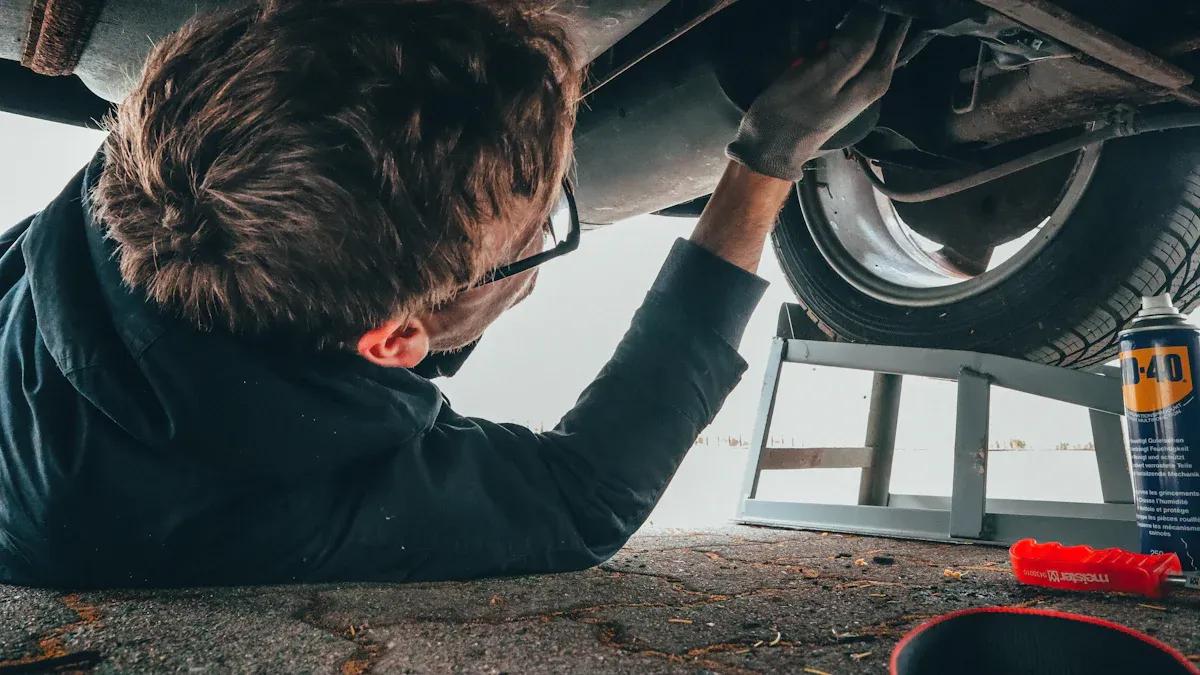
Adhering to consistent car maintenance guidelines ensures your safety. It extends your car’s life and saves you money. Always consult your owner’s manual for specific manufacturer guidelines. Establish a regular maintenance plan. You can take an active role in your car maintenance. Perform DIY checks or make informed decisions about professional maintenance. Proactive maintenance keeps your vehicle reliable.
FAQ
❓ How often should you change your car’s oil?
You should change your oil based on your car’s manual. Conventional oil often needs changing every 3,000 to 7,500 miles. Synthetic oil allows longer intervals. Always check your owner’s manual for the best schedule for your specific vehicle.
🛠️ What is the most important car maintenance task?
Regular oil changes are crucial. They lubricate your engine and prevent wear. Checking your tire pressure and tread is also very important. These tasks ensure your car runs safely and efficiently.
🚗 Can you perform car maintenance yourself?
Yes, you can do many basic checks. You can check your oil level, tire pressure, and washer fluid. You can also inspect your lights and wipers. For more complex tasks, you should visit a professional mechanic.
🚨 How do you know if your car needs service?
Your car gives you signs. Watch for dashboard warning lights. Listen for unusual noises or vibrations. Notice any changes in how your car performs. Check for fluid leaks or strange odors. These signals mean your car needs attention.
📖 Why is your car’s owner’s manual important?
Your owner’s manual is your car’s guide. It provides specific maintenance schedules. It tells you the correct fluid types and tire pressures. Always refer to it for accurate information about your vehicle. It helps you keep your car in top condition.