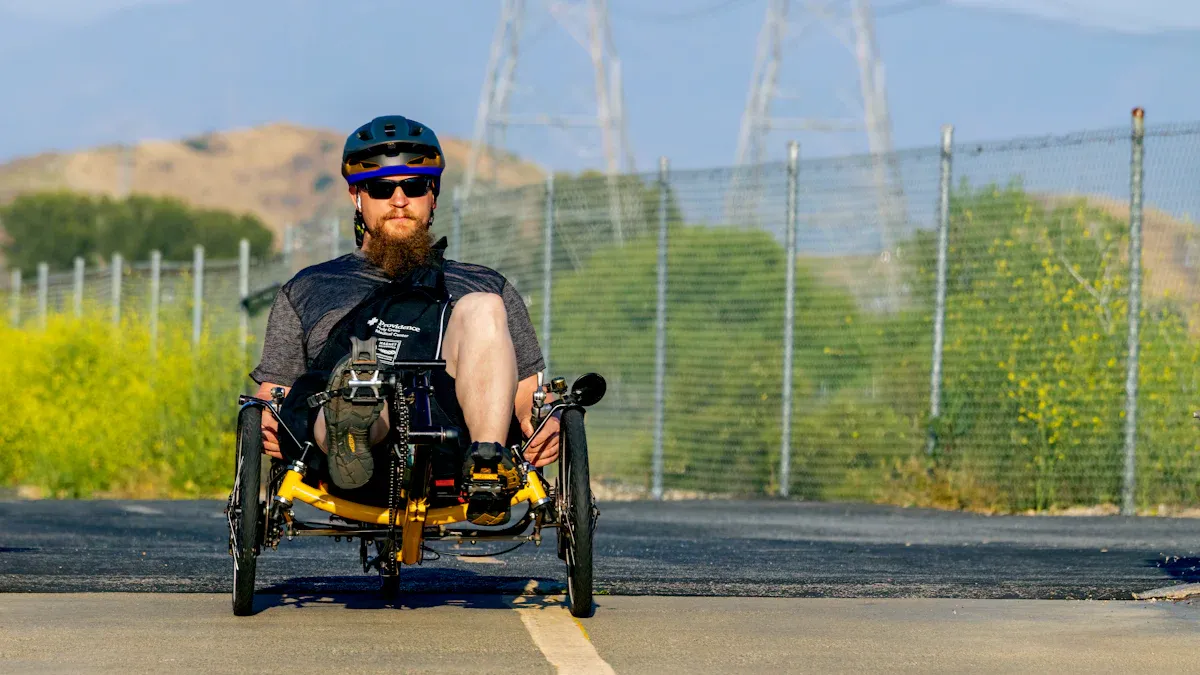
Ever seen someone cycling almost lying down and wondered what that was? That unique machine was likely a recumbent bike, an alternative cycling experience. Many traditional cyclists report discomfort; studies show 34% to 72% experience groin or buttock pain. A recumbent bicycle offers exceptional comfort and health benefits, setting it apart. This guide fully explains what a recumbent bike is and why it might be your next favorite ride.
What is a Recumbent Bike?
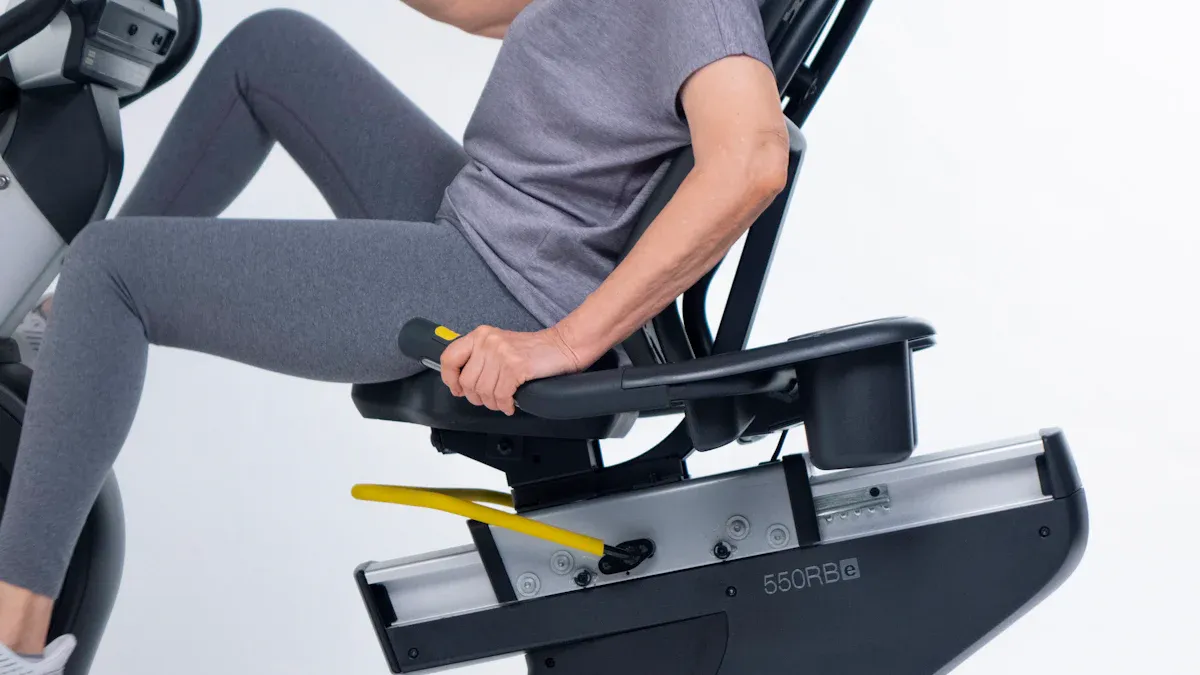
A recumbent bike is a human-powered vehicle (HPV) where the rider sits in a laid-back, reclining posture. This design differs significantly from traditional upright bicycles. Recumbent bikes come in various forms, including outdoor models for road cycling and specialized exercise bikes for indoor use. The core concept remains the same: the rider’s body is supported in a comfortable, often low-to-the-ground, seated position.
Reclined Riding Position
The most defining feature of a recumbent bike is its reclined riding position. Riders sit with their back supported against a seat, and their legs extend forward to reach the pedals. This posture contrasts sharply with the upright position on a traditional bike, where riders lean forward over handlebars. This reclined riding position offers significant biomechanical advantages. It supports the hips, buttocks, and lower back, which reduces the load on these areas during pedaling. It also lessens strain on the shoulders. This design allows for a low-impact cardiovascular workout without compromising spinal posture.
This is especially helpful for individuals with lower back or shoulder issues. The reclined position primarily activates lower body muscles. Quadriceps work when pushing forward, while hamstrings and glutes engage during the backward phase. Hip flexors also activate due to the horizontal leg position. Core activation is minimal because the backrest provides support. Upper body muscles are not engaged as hands rest passively.
Supportive Seat Design
Recumbent bikes feature a chair-like seat with full back support. This design allows the user to lean back and relieve pressure from the core and lower spine. This is unlike the upright posture of traditional bikes. The larger, more comfortable seat is a key difference. Recumbent bikes are designed with wide, padded seats for extended use.
This offers more comfort than the smaller, less supportive seats typically found on upright bikes. This supportive seat design distributes body weight more evenly across a larger surface area. This minimizes stress on the knees, sit bones, wrists, and lower back. The reclined, relaxed position reduces stress on joints and muscles. Supportive seats with lumbar backing prevent saddle pain. Riders also avoid wrist or neck strain from leaning forward. An open chest posture allows for easier breathing.
Here is a comparison of seat design and weight distribution:
Feature | Recumbent Cycle | Traditional Cycle |
|---|---|---|
Body Position | Reclined, pedals in front | Upright, pedals under body, slightly hunched |
Weight Distribution | More evenly across a larger surface area | Concentrated on a smaller seat |
Seat Design | Larger with back support | Smaller seat, leading to ‘saddle soreness’ |
Comfort | More comfortable and stable ride | Discomfort in neck and back |
Pedal and Steering
On a recumbent bike, the pedals are positioned in front of the rider’s body, not underneath. This reduces impact on hips, knees, and ankles. It eliminates the need to stand or lean forward. This front pedal placement promotes horizontal leg movement, which reduces knee stress. Upright bikes have pedals under the hips, mimicking outdoor cycling with vertical pedaling.
Recumbent bikes use different steering mechanisms.
Direct Steering: This system often has horizontal handlebars, similar to upright bikes. This makes it familiar to new riders. Steering involves pressing on the grips. For example, pressing the right grip turns the bike left. Brands like TerraTrike use this, known for familiar handlebar positions and tight turning circles. Catrike also uses direct steering with vertical handlebars, requiring more effort but providing a secure feel.
Indirect Steering: This system features low physical effort and typically uses vertical handlebars. Riders steer by pulling or pressing on the handlebars, or both. Wrist rests often enhance relaxation and reduce grip tension. ICE Trikes use this system. They are known for neutral linkage steering that maintains consistent effort regardless of the turning angle.
Recumbent bikes also have a low-to-the-ground frame. This typically includes a low step-through design. This makes them easy to mount and dismount without climbing over a high crossbar. This enhances stability and accessibility compared to upright bikes. Upright bikes often have a step-over height of 18 to 24 inches, requiring users to lift a leg high. Recumbent bikes, with their easy seat access, have a lower fall risk, especially for seniors.
Benefits of a Recumbent Bike
Riders gain many advantages from the unique recumbent design. These benefits range from enhanced physical comfort to improved performance. The design prioritizes the rider’s well-being and efficiency.
Comfort and Ergonomics
The recumbent design offers significant comfort. Riders experience less strain on their bodies. The reclined position supports the entire back. The larger seat distributes weight evenly. This reduces pressure points common on traditional bikes. People can enjoy longer rides without discomfort. The ergonomic setup aligns the body in a natural, relaxed posture. This minimizes stress on the neck, wrists, and shoulders. Riders maintain an open chest, which allows for easier breathing. This comfortable arrangement makes cycling accessible to a wider range of individuals.
Reduced Joint Impact
A recumbent bike provides a low-impact workout. It significantly minimizes stress on hips, knees, and ankles. The reclined seating position distributes body weight over a larger area. This ergonomic pedal placement prevents stressful compression on knee joints. The design also eliminates weight-bearing pressure on joints. Upright cycling, in contrast, places continuous force on hands, arms, and spine.
Benefit | Description |
|---|---|
Compressive Force Reduction | Less pressure on the knee joint |
Shear Force Reduction | Fewer side-to-side forces, reducing strain |
ACL Strain Reduction | Lower risk of injury to the ACL ligament |
Low-impact pedaling | Reclined seat spreads weight, reducing knee pressure |
Ergonomic design | Natural body position, pain-free knee movement |
Reduced load on ACL | Helps move the knee through a safe range |
Improved joint mobility | Stretches muscles and enhances joint movement without worsening pain |
This reduction in joint impact makes recumbent bikes an excellent choice for rehabilitation. They also suit individuals with pre-existing joint conditions.
Improved Stability
Recumbent bikes offer improved stability. Their low center of gravity makes them less prone to tipping. Recumbent tricycles, with their three wheels and low center of gravity, provide a secure and stable ride. This effectively eliminates the risk of tipping over. A lower center of gravity in tadpole trikes also leads to improved cornering ability. This enhanced stability gives riders more confidence. It particularly benefits beginners or those concerned about balance. Riders can stop and start without needing to put their feet down.
Aerodynamic Advantage
The unique riding position of a recumbent bike also offers aerodynamic benefits. Riders present a smaller frontal area to the wind. This reduces air resistance. This aerodynamic advantage can lead to higher speeds compared to upright bikes. For example, a Vision Saber highracer recumbent has approximately the same air drag as a diamond-frame bike with the rider in an aero position. Long-wheelbase recumbents, similar to a Tour Easy but with a lower seat, have about the same drag as an upright bicycle with the rider in an aero crouch/aero bar position.
Bicycle Type | Position | Drag Coefficient (Cd) |
|---|---|---|
Upright | Upright | 0.8 |
Upright | Time Trial (TT) | 0.6 |
Recumbent | Faired | 0.07 |

The chart clearly illustrates the significant reduction in drag for a faired recumbent bike. This makes them very efficient for speed.
Who Benefits from a Recumbent Bike?
A recumbent bike offers advantages to many different riders. Its unique design makes it suitable for various purposes, from daily exercise to long-distance travel.
Back and Neck Pain Relief
Individuals experiencing back and neck pain often find relief with a recumbent bike. The reclined seating position significantly reduces pressure on the lumbar region. This design supports the entire back, unlike traditional bikes that require a forward lean. Riders avoid the strain on the neck and shoulders common with upright cycling. This makes the recumbent bike an excellent option for comfortable rides.
Joint-Friendly Cycling
The recumbent bike provides a gentle exercise option for those with joint issues. Its horizontal pedaling motion is kind to the knees, hips, and ankles. This reduces stress on these joints. People with chronic back pain, arthritis, or knee, hip, or ankle pain benefit greatly. The stable, three-wheeled design of some recumbent bikes also helps individuals with joint instability or balance concerns. This allows them to enjoy a safe and effective low-impact cardio workout.
Commuting and Touring
Recumbent bikes are practical for both daily commuting and long-distance touring. Many cyclists report measurably faster average speeds on recumbents, often 3 to 8 mph higher than on traditional diamond-frame bikes. This efficiency makes them a strong choice for getting to work. Recumbents are also excellent for long-distance touring. Riders can cover many miles comfortably. Custom panniers can address carrying capacity for extended trips. This makes the recumbent bike a versatile travel companion.
Fitness and Rehabilitation
A recumbent bike provides an effective cardiovascular workout. It primarily engages lower body muscles. Quadriceps work hard when pushing forward on the pedals. Hamstrings and glutes provide support during the backward phase of the pedal stroke. Hip flexors activate more due to the horizontal leg position. Core muscle activation is minimal because the backrest supports the torso. Upper body muscles are not engaged as hands rest passively on the handlebars. This makes recumbent riding ideal for fitness and recovery, especially for those needing to avoid upper body strain.
Recumbent Bike Types

Recumbent bikes come in several forms. Each type offers unique features and benefits. Riders can choose based on their specific needs and preferences.
Two-Wheeled Models
Two-wheeled recumbent bikes offer a distinct cycling experience. They come in various configurations. Long-wheelbase models provide a smooth and stable ride. Short-wheelbase models are often more agile and compact. Riders sit in a reclined position with their legs extended forward. These recumbent bikes are popular for touring and speed. They offer aerodynamic advantages on open roads. This design allows for efficient long-distance travel.
Recumbent Trikes
Recumbent trikes have three wheels. They provide exceptional stability. This three-wheel design and low ride height make them easy to ride. Riders experience increased comfort. The design distributes the rider’s weight over a larger area of the back and buttocks. This reduces strain on the back, shoulders, neck, and wrists. Starting and stopping is easier due to their inherent stability. This benefits those with balance concerns or joint issues. Trikes come in tadpole (two wheels in front, one in the rear) and delta (one wheel in front, two in the rear) configurations.
Indoor Exercise Bikes
Indoor recumbent exercise bikes are popular for home fitness. They serve as an effective stationary exercise machine. These recumbent bikes feature an ergonomic design. They have a recessed seat and a full backrest. This allows for an upright torso angle during pedaling. This design reduces strain on the back, hips, and knees. The seat adjusts forward to increase knee and hip flexion. This mimics an upright bike’s demands. This ergonomic consideration benefits older adults or beginners. It offers a safe way to improve cardiovascular health. When selecting an indoor recumbent bike, consider several factors:
Budget: Determine your budget beforehand. Costs vary based on features and quality.
Space: Consider the bike’s size and where you plan to store it.
Goals: Define your fitness goals to prioritize features.
Reviews: Read online customer reviews for other riders’ experiences.
Retailer Research: Purchase from a reputable retailer. Understand their return and warranty policies.
Other important features include:
Rider Fit Range: This measures the distance from the seat to the pedals. It accommodates various arm and leg lengths.
Q-factor: This is the distance between the two foot pedals. A narrow range facilitates natural pedaling and minimizes knee strain.
Seat Comfort and Angle: Ensure the seat prevents sliding forward or backward.
Stability: Evaluate the force required to tip over the bike.
Display Assessment: Focus on the ease of reading and interacting with controls and the screen.
Programming Score: This reflects the variety of onboard programs. It includes customizable options and automatic resistance adjustments.
Ease of Assembly and Movement: Consider how easy it is to unbox, assemble, and move the bike.
A recumbent bike offers a unique cycling experience. Riders sit in a reclined position with full back support. This design provides exceptional comfort and reduces strain on joints and the back. It makes cycling accessible for many individuals. Consider a recumbent bike for fitness, commuting, or leisure. Recumbent riding opens a new world of comfortable and efficient cycling.