

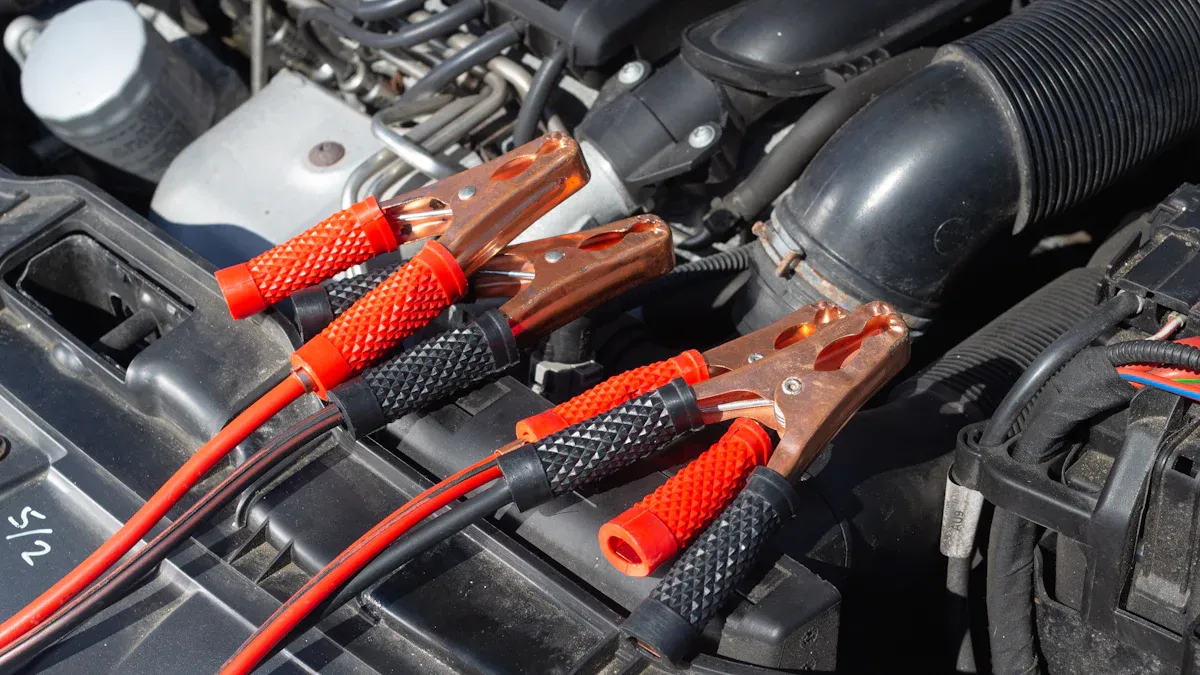
Imagine you turn the key, but your car won’t start. This frustrating moment often points to a problem with your car’s starter. The starter is a vital electric motor. It converts electrical energy into mechanical energy, turning your engine to begin the combustion process. A typical starter motor can last for about 80,000 starts or up to 200,000 miles. However, this essential component can experience failure sooner. Recognizing bad starter symptoms early saves you time, money, and inconvenience. This post details 11 common warning signs of a failing starter. It also discusses replacement costs.
Key Takeaways
Your car’s starter is an electric motor. It helps your engine begin. It turns the engine to start the car.
Watch for signs of a bad starter. These include clicking sounds, grinding noises, or no response when you turn the key. Smoke or a burning smell are also serious signs.
A bad starter can leave you stranded. It can also damage other car parts. Fix starter problems quickly to avoid bigger issues.
You can check for a bad starter yourself. Look for loose wires or corrosion. A mechanic can find the exact problem and fix it.
Understanding Your Car’s Starter
What the Starter Does
Your car’s starter is a small but powerful electric motor. It plays a critical role in getting your vehicle moving. When you turn your key or push the start button, the starter engages. It draws electrical power directly from your car’s battery. Then, it expertly converts this electrical energy into mechanical force. This force spins your engine’s flywheel at high speed. The spinning flywheel then cranks the engine. This action initiates the combustion process within the cylinders. Without a properly functioning starter, your engine cannot begin its cycle. You rely on this initial push to bring your car to life.
Common Causes of Starter Failure
Several issues can lead to starter failure. Over time, components inside the starter motor naturally wear out. Worn brushes are a very common culprit. These small parts conduct electricity. Worn commutators also cause significant problems. They are the rotating part of the motor. Bearings inside the motor can wear down, creating friction. A faulty solenoid often contributes to starter failure. This component acts as a switch. It causes both electrical and mechanical issues. It increases contact resistance. It also leads to unreliable operation and faster wear on other parts. Overheating is another major cause of failure for the starter. High temperatures damage insulation around wires. They also harm greases, bearings, brushes, and the commutator. This leads to increased friction, drag, and premature wear of the entire motor. Electrical problems, like loose wiring connections or a faulty ignition switch, can also prevent the starter from working correctly. Sometimes, a weak car battery mimics starter problems. You should always check your battery’s charge first.
11 Bad Starter Symptoms to Watch For
Recognizing the warning signs of a failing starter can save you from being stranded. Pay attention to these indicators of starter motor troubles. They often signal a problem before your car won’t start completely.
Clicking Sound When Starting
You turn the key, and you hear a rapid clicking sound. This often points to a weak or dead battery. The battery has just enough power to engage the starter solenoid, causing the clicking, but not enough to turn the starter motor and crank the engine. If you hear a single, distinct clicking noise, this usually indicates a faulty starter or solenoid.
Tip: To tell the difference, try these steps:
Listen to the clicking: Rapid clicking often means a dying battery. A single click usually points to a faulty starter.
Attempt a jump start: If your car starts with a jump, your battery is likely weak. If it still does not start, the starter is probably the issue.
Check your lights: Dim headlights or dashboard lights, especially when you try to crank the engine, are classic signs of a weak battery.
Inspect battery terminals: Look for corrosion or loose cables. These can block power flow.
Consider tapping the starter: Sometimes, a gentle tap on the starter can temporarily make it work. This is not a permanent fix.
Get professional tests: A battery load test confirms battery health. A starter draw test measures amperage to diagnose the starter motor or solenoid.
Grinding Noise on Ignition
When you try to start your car, you might hear a harsh grinding noise. This sound means the starter’s gear is not properly engaging with the engine’s flywheel. The teeth on either the starter gear or the flywheel might be worn down or damaged. This prevents a smooth connection. You need to address this quickly to avoid more damage to your engine.
Free-Spinning Starter Motor
You turn the key, and you hear the starter motor spinning, but the engine does not crank. It sounds like a high-pitched whirring. This indicates the starter motor is working, but it is not connecting with the engine’s flywheel. An internal gear failure or a faulty solenoid often causes this. The starter motor spins freely without engaging the engine. This is a clear sign of starter failure.
No Response When Turning the Key
You turn the key, and absolutely nothing happens. There is no sound, no clicking, and no engine cranking. This is a complete lack of response when turning the key. Several issues can cause this. It could be a completely dead battery, a faulty ignition switch, or a total starter failure. Faulty wiring or connections in the electrical system can also prevent the starter motor from receiving power. This is one of the most frustrating bad starter symptoms.
Smoke from Under the Hood
If you see smoke coming from under your hood when you try to start your car, stop immediately. This is a serious warning sign. Smoke often indicates an electrical short or wiring failure within the starter system. Overheating wires or components can burn their insulation. You might also notice a sharp, burning smell, like melting plastic. This happens when the starter motor draws too much current or has internal damage.
Dashboard Lights On, No Crank
Your dashboard lights come on, and your radio works, but the engine does not crank. This means your battery has enough power for accessories, but not enough to turn the starter motor. This symptom points directly to the starter or its electrical circuit. It suggests the starter is not receiving power or cannot use the power it gets to turn the engine.
Intermittent Starting Issues
Sometimes your car starts perfectly, and other times it struggles or does not start at all. These intermittent starting problems are frustrating. They are classic warning signs of a troubled starter motor. Loose connections, general wiring issues, or faults within the control system can cause this. A faulty ignition switch or worn-out brushes in the starter motor can also lead to sporadic engine cranking.
Burning Smell from Engine
You might notice a distinct burning smell when you try to start your car. This smell often comes from an overheating starter motor. Repeated attempts to start a car with a faulty starter can cause the electrical system to overheat. This burns the wire insulation. It can also happen if the starter motor is struggling to turn the engine, causing excessive friction and heat.
Oil or Fluid Leaks on Starter
If you see oil or other fluids leaking onto your starter, this can cause significant problems. These fluids can seep into the starter motor, damaging its internal components. They can corrode electrical connections or interfere with the gears. This leads to premature starter failure. Always address fluid leaks promptly.
Slow Engine Cranking
When you turn the key, the engine cranks slowly. It sounds sluggish, like it is struggling to turn over. This is a common sign of a weak starter motor. It might also indicate a low battery, but if your battery tests fine, the starter motor is likely failing. The starter cannot generate enough power to spin the engine at the necessary speed. This leads to sporadic engine cranking.
Full Battery, Still No Start
You have a new battery, or you know your current battery is fully charged, but your car still does not start. This scenario strongly suggests a problem with the starter. All other electrical components might work fine, but the starter motor fails to engage the engine. This is one of the clearest indicators of starter motor troubles. It means the starter itself is faulty, even with ample power supply.
Starter Replacement Cost
Replacing a faulty starter can range from a relatively minor expense to a significant one. The total cost depends on several factors. You need to consider both parts and labor.
Average Parts Cost
The cost of a new starter varies widely. You can expect to pay anywhere from $80 to $400 for the part itself. This price depends heavily on your vehicle’s make, model, and year. Original Equipment Manufacturer (OEM) parts, made by your car’s manufacturer, are typically more expensive. Aftermarket parts offer a more budget-friendly alternative. You can often find these at local auto parts stores.
Average Labor Cost
Labor costs for a starter replacement usually fall between $100 and $300. The job typically takes a mechanic 1 to 3 hours to complete. The hourly rate for mechanics varies. It depends on your geographical location and the type of repair shop you choose.
Factors Affecting Total Price
Several elements influence the final price you pay for a starter replacement. Your vehicle’s make and model significantly impact the cost. Some cars have starters that are harder to access. This increases the labor time. Luxury vehicles or those with complex engine designs often have higher part costs.
Geographical location and mechanic type significantly influence starter motor replacement costs. Labor expenses fluctuate based on your region and the specific repair shop chosen. Dealerships and urban areas typically have higher prices due to increased overhead. Independent mechanic shops and rural areas often have lower costs. This means you might pay more for the same repair in a large city compared to a smaller town. Any additional repairs, like fixing damaged wiring or replacing a related component, will also add to your total bill.
DIY vs. Professional Repair
You might consider replacing the starter yourself. This can save you money on labor costs. However, a DIY repair requires specific tools and technical skills. For a successful DIY starter motor replacement, you need several tools. These include a screwdriver set, a wrench set, and a socket set. A multimeter is essential for checking motor voltage, resistance, and continuity. You also need safety glasses and insulated gloves. Jack stands are necessary if you need more space to access the starter.
You must know how to disconnect the battery, especially the negative terminal. You need to gain access to the starter by removing any guards or panels. You must disconnect and reconnect electrical wires correctly. Labeling or photographing these connections helps ensure proper reassembly. You also need to remove and install mounting bolts. Supporting the starter motor during this process is important. Cleaning the mounting surface ensures good grounding. After reassembly, you must test the system. Turn the key to hear a strong, smooth crank.
Attempting a DIY repair carries risks. You could damage other components if you are not careful. You might also injure yourself. If you lack confidence or experience, a professional repair is a safer choice. Mechanics have the right tools and expertise. They also offer warranties on their work. This gives you peace of mind.
Next Steps for Suspected Starter Failure
If you suspect your car has a bad starter, you can take some immediate steps. These checks help you understand the problem better. They also help you decide if you need professional help.
Immediate Checks
First, ensure your vehicle is in park or neutral. Engage the emergency brake. This keeps your car safe. Next, double-check that all electrical devices inside your vehicle are off. Turn off your radio, lights, and air conditioning. Then, perform a simple visual check. Look for signs of corrosion around the battery terminals. Also, check for any loose wires. These issues can stop power flow. Confirm that your headlights and interior lights operate correctly. If they are dim, your battery might be weak. A grinding noise when you try to start the engine may indicate a starter motor failure.
Professional Diagnosis Importance
You should seek professional help for an accurate diagnosis. Mechanics have specialized tools and knowledge. They can perform specific tests. They check your battery first. They inspect the starter motor connections. They also test the starter relay. A mechanic can perform a voltage drop test. This measures power flow to the starter motor. They can also do a visual inspection. They look for damaged wires or loose connections. This helps them find the exact cause of the problem.
Delaying professional diagnosis and repair can lead to bigger issues. A sudden no-start situation can happen if you ignore early warning signs. Repeated slow starts put extra strain on the starter motor. This causes premature wear. Your battery’s lifespan can also shorten from repeated draining. The problem can escalate from occasional sluggishness to a complete failure. This often happens at inconvenient times. Do not wait for a complete starter failure. Get your car checked promptly.
Recognizing bad starter symptoms is crucial. A failing starter can leave you stranded. Pay attention to these warning signs. Address them promptly. This prevents further damage or costly repairs to your engine. Consult a qualified mechanic for accurate diagnosis and repair. Timely maintenance keeps your vehicle reliable. Your starter is vital for your engine.
FAQ
Can a bad battery cause starter symptoms?
Yes, a weak battery often mimics starter problems. You might hear clicking or slow cranking. Always check your battery first. A jump start can help confirm if the battery is the issue. 🔋
How long does a starter typically last?
A starter usually lasts about 80,000 starts or up to 200,000 miles. Your driving habits and car model affect its lifespan. Regular maintenance helps extend its life.
Tip: Extreme weather conditions can also impact starter longevity.
Can you drive your car if the starter is bad?
No, you cannot drive your car with a bad starter. The starter helps your engine begin. If it fails, your car will not start at all. You will need a tow or repair.
What happens if you ignore a bad starter?
Ignoring a bad starter can leave you stranded. It can also damage other parts, like your battery. Address starter issues quickly to avoid bigger problems and higher costs. 🛠️
