

Your vehicle’s engine management system heavily relies on the crankshaft position sensor. This sensor is crucial, especially during startup. Recognizing early signs of its failure prevents more significant issues and ensures your vehicle’s reliability. This post details 12 specific startup clues. These clues indicate bad crankshaft position sensor symptoms, helping you identify problems with this vital component.
Key Takeaways
The crankshaft position sensor helps your car start and run smoothly. It tells the engine when to spark and inject fuel.
Watch for signs like your engine cranking but not starting, taking a long time to start, or stalling after it starts. These can mean the sensor is bad.
If your ‘Check Engine’ light comes on, especially with codes like P0335, it often points to a problem with this sensor.
Do not drive your car if you think the sensor is bad. Get it checked by a professional mechanic right away to prevent bigger problems.
Crankshaft Position Sensor Basics
Sensor’s Core Function
The crankshaft position sensor is a small but mighty component in your car’s engine. It acts like the engine’s eyes, telling the computer exactly where the crankshaft is at all times. This sensor typically sits near the flywheel ring gear. As this gear spins, it creates changes in the magnetic field around the sensor.
These magnetic field shifts then generate varying voltage signals within the sensor itself. The sensor sends these electrical signals to your engine’s control unit. The control unit then uses these signals to figure out the crankshaft’s speed and its exact position. This precise data is crucial for managing both fuel injection and ignition timing. Without it, your engine would not know when to perform these vital actions.
Impact on Engine Startup
When you start your car, the engine needs precise timing to ignite the fuel and get going. The crankshaft position sensor provides this crucial timing information right from the first turn of the key. It tells the engine’s computer exactly when to fire the spark plugs, ensuring the combustion happens at the perfect moment.
It also dictates when to inject fuel into the cylinders, making sure the right amount is delivered at the right time. Think of it as the conductor of an orchestra, making sure every instrument plays at the correct beat. Without this accurate data from the crankshaft position sensor, your engine cannot begin its combustion cycle properly. It might try to inject fuel at the wrong time or spark too early or too late. This means the sensor is absolutely essential for a smooth and quick engine startup every single time you turn the key. If this sensor fails, your car might struggle to start or not start at all, leaving you stranded and frustrated.
Common Crankshaft Sensor Symptoms at Startup
You rely on your car to start every time. When a problem arises, especially during startup, it can be frustrating. Many issues can point to a faulty crankshaft position sensor. Here are 12 common crankshaft sensor symptoms you might experience:
Engine Cranks, No Start
You turn the key, and your engine spins, but it never catches and starts. This is a classic sign of a problem. Your car’s computer needs a signal from the crankshaft position sensor to know when to fire the spark plugs and inject fuel. Without this vital signal, the computer cannot time these actions correctly. Your engine simply keeps turning over without igniting. This often points to bad crankshaft position sensor symptoms, indicating your vehicle not starting.
Extended Cranking Time
Sometimes, your engine eventually starts, but it takes much longer than usual. You hold the key in the “start” position for several seconds before the engine finally roars to life. This “hard starting” suggests the sensor sends a weak or delayed signal. The engine control unit (ECU) struggles to get the precise timing information it needs. It takes extra time to figure out the engine’s position, leading to this frustrating delay.
Intermittent Starting Issues
Your car might start perfectly one day, then refuse to start the next. Or, it might start fine when cold but struggle when warm. This inconsistency is a hallmark of a failing sensor. Heat can affect electronic components, making the sensor’s performance unreliable. You might find yourself dealing with hard starting only at certain times.
Engine Stalls After Starting
Your engine starts, runs for a few seconds, and then suddenly dies. This unexpected engine stalling is a critical symptom. When the crankshaft position sensor fails to signal the Engine Control Module (ECM), it leads to this stall. The ECM struggles to properly manage the fueling system, resulting in a lack of appropriate fuel pulse. The ECM also cannot accurately determine the correct spark timing for ignition. You will see a sharp decline in RPMs (Engine Speed) when the sensor falters, causing the engine to shut down.
Rough Idle Post-Startup
After your engine starts, you might notice it shakes or vibrates more than usual while sitting still. This rough idling happens because the sensor provides inconsistent data to the ECU. The ECU then struggles to maintain a steady engine speed. It cannot properly adjust fuel and spark, causing the engine to run unevenly.
Check Engine Light On
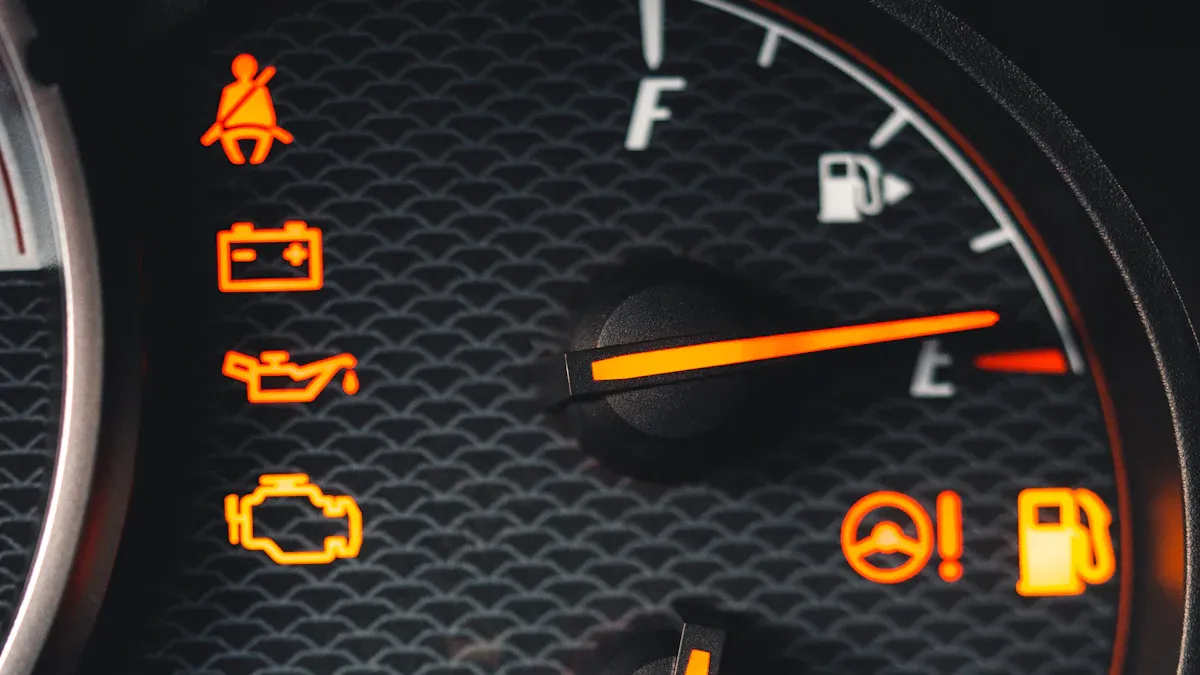
The “Check Engine” light on your dashboard is a clear warning. When your car’s computer detects a problem with the crankshaft position sensor, it illuminates this light. You might also find specific diagnostic trouble codes (DTCs) stored in the system. For example, a P0335 code (Crankshaft Position “A” Circuit Malfunction) is a common indicator. Other codes like P0336, P0339, P0315, or P0019 also point to issues with the crankshaft position sensor or its circuit. These are common symptoms of P0335 and related sensor faults.
Poor Fuel Economy
You might notice you are filling up your gas tank more often. A faulty sensor can cause the ECU to miscalculate fuel injection timing. This leads to too much fuel being delivered to the engine. Your engine burns more fuel than it needs, directly impacting your gas mileage.
Misfires or Hesitation
When you accelerate, your car might feel like it’s stumbling or losing power. You might also hear popping sounds from the engine. This happens because the sensor sends incorrect timing signals. The spark plugs fire at the wrong time, or fuel injects improperly. This causes cylinders to misfire, leading to hesitation and a noticeable loss of power.
Tachometer Malfunction
Your tachometer shows your engine’s RPMs. If the crankshaft position sensor is failing, your tachometer might behave erratically or not work at all. The sensor directly feeds RPM data to the dashboard. An inconsistent signal means an inconsistent or absent reading on your tachometer.
Backfiring on Startup
You might hear a loud “bang” or “pop” from your exhaust pipe when you try to start the car. This backfiring occurs when unburnt fuel ignites in the exhaust system. A bad sensor can cause incorrect ignition timing, leading to fuel not burning completely in the cylinders. This unburnt fuel then ignites in the exhaust, creating the backfire.
Engine Vibration
Beyond a rough idle, you might feel excessive vibration throughout the car, especially during startup or at lower speeds. This vibration stems from the engine running unevenly due to inaccurate timing signals. The engine’s components are not moving in harmony, causing the entire vehicle to shake.
Strong Fuel Odor
If you smell gasoline, especially after trying to start your car, it could indicate a problem. A faulty sensor can lead to incorrect fuel delivery, causing the engine to run “rich” (too much fuel). This excess fuel does not burn completely and can exit through the exhaust, creating a strong fuel odor. In some severe cases, this can even lead to your vehicle entering limp mode to prevent further damage.
Why a Bad Crankshaft Sensor Causes Issues
A small part like the crankshaft position sensor can cause big problems. It is like the conductor of an orchestra. If the conductor makes a mistake, the whole band sounds bad. When this sensor fails, it disrupts many critical engine functions.
Disrupted Ignition Timing
Your engine needs a spark at the exact right moment. This spark ignites the fuel and air mixture. A faulty sensor sends incorrect signals to your car’s computer. This makes the spark happen too early or too late. When the timing is off, your engine cannot run smoothly. It might struggle to start or even misfire.
Incorrect Fuel Delivery
The engine also needs the right amount of fuel. It must be injected at the perfect time. If the crankshaft position sensor fails, your car’s computer gets confused. It cannot accurately calculate when and how much fuel to inject. This means your engine might get too much or too little fuel. This wastes gas and hurts your engine’s performance.
ECU Data Errors
The crankshaft position sensor feeds vital data to your Engine Control Unit (ECU). A faulty sensor introduces many data errors into the ECU. For example, you might see:
Incorrect Engine Speed Readings: The sensor sends inaccurate RPM data to the ECU. This leads to issues with fuel injection timing and ignition.
Misfire Detection: The ECU might incorrectly detect engine misfires. This happens due to erratic crankshaft position signals. It occurs even if no actual misfire is happening.
Erroneous Timing Information: The sensor provides crucial timing data for the engine’s operation. A malfunction causes the ECU to receive incorrect timing signals. This affects valve operation and combustion.
Intermittent or No Signal: The sensor might intermittently stop sending signals. It could also fail completely. This causes the ECU to lose critical engine position information. This leads to stalling or no-start conditions.
These data errors are some common causes of p0335 and other related trouble codes. They show how a bad sensor can confuse your car’s brain.
How to Troubleshoot and Resolve
Initial Steps for Drivers
You notice your car acting strangely. First, ensure your safety. Pull your vehicle to a safe spot. Do not ignore warning lights. If your “Check Engine” light comes on, pay close attention. You can try a basic visual check. Look for any loose wires or obvious damage around the engine. Sometimes, a simple connection issue can cause symptoms. However, do not attempt complex repairs yourself. If your car struggles to start or stalls, avoid driving it further. This prevents more damage. You should always prioritize getting your car to a professional for a proper assessment. Do not try to troubleshoot complex engine problems on your own.
Professional Diagnosis
You need a professional to confirm the problem. They have special tools and expertise. A mechanic will connect a scan tool to your car’s computer. This tool reads any stored error codes. For example, it might show a P0335 code. This code often points directly to a crankshaft sensor issue. The mechanic will also visually inspect the crankshaft position sensor and its wiring. They perform electrical tests to check the sensor’s signal and circuit integrity. These tests are crucial for accurately diagnosing a bad crankshaft position sensor. This thorough diagnostic process finds the exact fault.
Replacement Considerations
You need to repair a faulty sensor quickly. Replacing a crankshaft sensor is a job for experts. The sensor’s location can be tricky, often requiring specific tools or access. A professional mechanic ensures the new sensor installs correctly. They use high-quality replacement parts. This prevents future problems and ensures lasting reliability. A proper repair restores your car’s smooth operation. If you wonder how to troubleshoot p0335, remember professional help is always the best approach for a reliable fix. This ensures your vehicle runs safely and efficiently after the repair.
Maintaining Your Crankshaft Position Sensor
You can take steps to keep your vehicle running well. Proper maintenance helps prevent issues with important parts. This includes your crankshaft position sensor. Proactive care saves you from unexpected breakdowns.
Regular Vehicle Checks
You should perform regular checks on your vehicle. Pay attention to how your car starts and runs. Listen for unusual noises. Notice any changes in performance. If your “Check Engine” light comes on, do not ignore it. Get it checked quickly. A crankshaft position sensor typically lasts between 100,000 and 150,000 miles.
This lifespan can be longer with good maintenance and careful driving. Well-maintained vehicles often see the sensor last longer. You should also follow your car’s service schedule. This includes routine inspections. Mechanics can spot potential problems early. They can address issues before they become serious.
Quality Part Selection
You need to choose quality parts when replacements are necessary. This is especially true for critical engine components. Always opt for original equipment manufacturer (OEM) parts or reputable aftermarket brands.
Cheaper, low-quality sensors might fail sooner. They can also provide inaccurate data to your engine’s computer. This leads to more problems down the road. A reliable sensor ensures your engine gets precise timing information. This helps your car start smoothly every time. It also maintains good fuel efficiency. Investing in good parts protects your vehicle’s overall health. It also ensures your safety on the road.
The crankshaft position sensor is vital for your vehicle’s reliable operation, especially during startup. You must promptly identify and address bad crankshaft position sensor symptoms. Recognizing these bad crankshaft position sensor symptoms quickly is crucial. Seek professional automotive assistance immediately if you experience any of these issues. This prevents further damage and ensures your safety. Prioritize proactive vehicle maintenance.
FAQ
What does a crankshaft position sensor do?
Your crankshaft position sensor tells your car’s computer the exact speed and position of the crankshaft. This information helps the computer time fuel injection and spark. It is essential for your engine to start and run smoothly.
Can I drive with a bad crankshaft position sensor?
You should not drive your car with a bad crankshaft position sensor. Your engine might stall unexpectedly. It could also fail to start at all. This creates unsafe driving conditions. Get your car checked and repaired quickly.
How much does it cost to replace a crankshaft position sensor?
The cost to replace a crankshaft position sensor varies. It depends on your car’s make and model. Parts usually cost between $50 and $200. Labor can add another $100 to $300. Always get a quote from a trusted mechanic.
What does a p0335 code mean?
A p0335 code means your car’s computer detected a problem with the crankshaft position sensor circuit. This often indicates the sensor itself is faulty. It could also mean the wiring connected to the sensor has an issue.



