

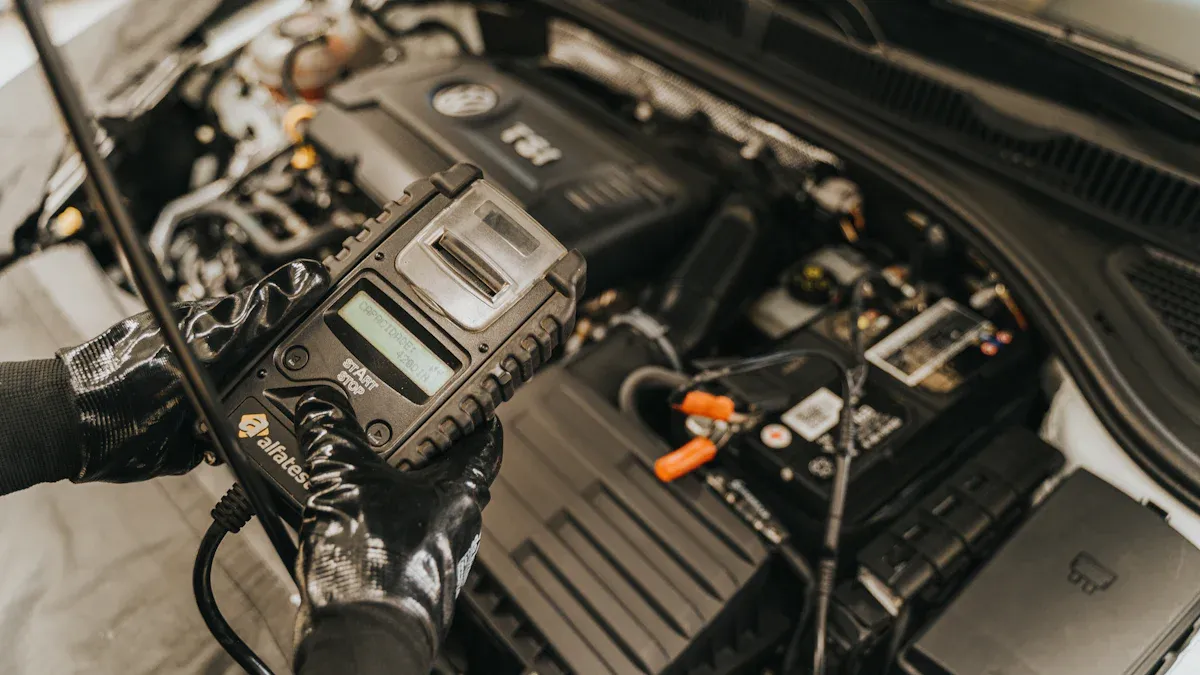
You are likely wondering about the cost to replace a bad coolant temperature sensor. This small part is very important for your car. It helps your engine perform well. It also controls your fuel use and emissions. Did you know cooling system problems cause about 50% of all engine failures? This highlights the sensor’s critical role. This guide will show you the typical Replacement Cost. It will also break down the expenses. You will also learn 12 crucial signs of a failing sensor to help you diagnose the issue.
Key Takeaways
A bad coolant temperature sensor can cost between $447 and $532 to replace. This cost changes based on your car model and where you get it fixed.
The sensor is very important for your car’s engine, fuel use, and clean air. Problems with it can cause half of all engine failures.
Watch for 12 signs of a bad sensor. These include a strange temperature gauge, bad gas mileage, or the ‘Check Engine’ light turning on.
You can replace the sensor yourself if you know how. Professional repair offers a full check of your car’s cooling system.
Coolant Sensor Replacement Cost
Average Cost Range
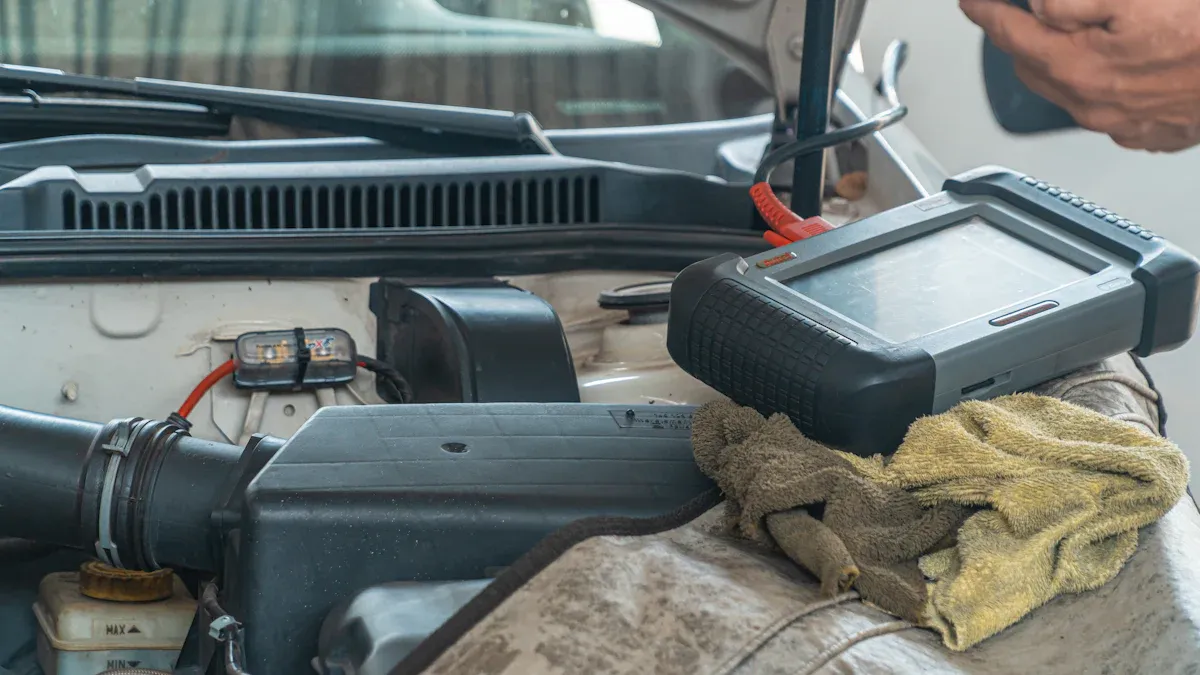
You might expect the average engine coolant temperature sensor repair to fall between $447 and $532. However, this can change a lot depending on your car. For example, a 2009 Prius could cost around $1500 for this repair. On the other hand, a 2015 Jeep Renegade might only cost you about $376. A 2008 Land Rover Range Rover could be around $336.
Here is a look at some estimated costs for different car models:
Car Model | Estimated Cost |
|---|---|
2011 Chevrolet Aveo5 | $189 |
2009 Chevrolet Impala | $192 |
2015 Jeep Renegade | $376 |
2008 Land Rover Range Rover | $336 |
2011 BMW X6 | $243 |
2010 Porsche Cayman | $188 |
This chart further illustrates the varying Replacement Cost across different vehicles:
Factors Affecting Price
Several things influence the total Replacement Cost for your coolant temperature sensor.
Labor vs. Part Costs: The total amount you pay splits between the sensor’s price and the labor for putting it in. Labor charges change based on your car model, where the sensor sits, and how much skill the job needs.
Vehicle Type and Engine Complexity: Big vehicles like commercial trucks or special machines often have harder installations than regular cars. Getting to the sensor might mean taking apart other parts. This increases the time and cost for labor.
Sourcing and Supply Chain: How the shop gets the part affects its cost. Buying in bulk usually saves money. Aftermarket parts can also save you money. But you should think about how well they will work over time and if you might need to replace them again soon.
Market and Regional Differences: Where you live also affects the final Replacement Cost. Local labor rates, how parts get delivered, and if parts are easy to find in your area all play a role.
Cost Breakdown
Parts Cost
The actual coolant temperature sensor itself is often quite affordable. You might find the part for less than $50. For instance, one car owner successfully replaced their sensor with a part costing under $50. The price varies based on your vehicle’s specific make and model. Original Equipment Manufacturer (OEM) sensors, which come from your car’s manufacturer, typically cost more. Aftermarket sensors, made by other companies, are usually less expensive. You should weigh the cost against the quality. A cheaper part might not offer the same durability as an OEM one, potentially affecting the overall Replacement Cost in the long run.
Labor Expenses
Labor charges form a large part of your total repair bill. Mechanics estimate these costs to be between $135 and $198. This range depends on several key factors. Your mechanic’s hourly rate is a major influence. The amount of time needed to complete the replacement also plays a big role. Some coolant sensors are easy to access. Others are located in difficult spots within the engine compartment. If the mechanic needs to remove other parts to reach the sensor, the job becomes more complex. This increased complexity means more labor hours. More labor hours directly translate to a higher labor cost for you.
Additional Charges
You might encounter some extra fees beyond parts and labor. A diagnostic fee is a common charge. For example, a service center like Pep Boys might quote around $85 just to diagnose the issue. This fee covers the mechanic’s time to accurately identify the problem. If the repair requires draining and refilling your engine’s coolant, that will add to the overall expense. Shops may also charge for miscellaneous shop supplies, like rags or disposal fees. Always ask for a detailed estimate before any work begins. This helps you understand the complete cost and prevents unexpected charges.
Clues: Engine Performance
A bad coolant temperature sensor can cause many problems. These issues often show up in how your engine performs. Keep in mind that these symptoms can also point to other cooling system problems. These include a sticking or broken thermostat, a blocked cooling system, or a failed water pump.
Inaccurate Temperature Gauge
You might notice your car’s temperature gauge acting strangely. It could show the engine is very hot when it is actually cold. Or it might show the engine is cold when it is really hot. Sometimes, the gauge might jump to the middle as soon as you turn the key. Other times, it might quickly go near the red zone, especially on hot days. This happens because the sensor sends wrong information to your dashboard. This makes it hard for you to know your engine’s true temperature.
Engine Overheating or Cold
A faulty coolant temperature sensor can make your engine run too hot or too cold. If the sensor sends incorrect readings to your engine’s computer (ECU), the ECU might think the engine is colder than it truly is. This causes the engine to use more fuel than needed, making it run “rich.” This reduces how well your car uses fuel. A bad sensor can also make your cooling fans turn on when they do not need to. This can cause the engine to run too cold. If the thermostat is stuck closed, your engine could overheat if it runs for a long time without proper coolant flow.
Poor Fuel Economy
When your coolant temperature sensor fails, your car’s computer does not get the right information about engine temperature. The computer then tries to guess the temperature. It often assumes the engine is cold. When an engine thinks it is cold, it uses more fuel. This is like when you first start your car on a cold morning. It uses extra fuel to warm up. If your sensor is bad, your car might always think it is cold. You will notice this as you fill up your gas tank more often.
Check Engine Light On
The “Check Engine” light is a clear sign something is wrong. A bad coolant temperature sensor often triggers this light. Your car’s computer stores specific codes when it detects a problem. These are called Diagnostic Trouble Codes (DTCs). You might see codes like P0128, which means the coolant temperature is too low. Other codes, such as P0115 through P0119, directly point to issues with the engine coolant temperature sensor itself. These codes cover problems like circuit malfunctions or incorrect readings. You might also see P0125 or P0126. These codes indicate that the engine is not reaching the correct temperature for stable operation.
Clues: Emissions & Starting
Increased Exhaust Emissions
A bad coolant temperature sensor can make your car pollute more. The sensor might tell your car’s computer that the engine is always cold. This makes the computer add too much fuel to the engine. When the fuel mixture is too rich, your engine cannot burn all of it. This incomplete burning means your car sends out more harmful gases. This causes more air pollution.
Hard Starting
You might find it hard to start your car. A faulty coolant temperature sensor can send a strange value to your engine’s computer. This wrong reading can make your car difficult to start. Sometimes, you can try a trick called ‘clear flood’ mode. You hold the gas pedal all the way down while you crank the engine. This temporarily stops the fuel injectors.
Rough Idle or Stalling
Your engine might shake or stall when you are not moving. A bad coolant temperature sensor can cause poor idling. It makes the fuel mixture wrong. This imbalance can make your engine vibrate at low speeds. You might also feel a loss of power. Engines are very sensitive to the wrong air-fuel mix when they idle. This points to a problem with the coolant temperature sensor.
“I was having trouble with a rough idle so I replaced the coolant sensor and its connecting plug. When I go to start it with the coolant sensor plugged in it sputters and does a big air gasp at half throttle. If I unplug that sensor the car runs quite a bit better but of course the CEL is on.”
If the sensor sends false signals, your engine’s computer miscalculates timing and fuel delivery. For example, if the sensor always says the engine is cold, the computer uses more fuel than it needs. This hurts how well your engine works. It can cause a rough idle or make your car stall.
Black Smoke from Exhaust
You might see black smoke coming from your exhaust pipe. This black smoke means your engine is burning a fuel mixture that is too rich. A bad coolant temperature sensor can cause this rich fuel mixture.
Black smoke shows a rich fuel mixture.
A faulty coolant temperature sensor can create a rich fuel mixture. When your engine gets too much fuel, it cannot burn it all. The unburnt fuel comes out as black smoke. This indicates environmental pollution.
Clues: Transmission & Diagnostics
Transmission Shifting Issues
You might notice problems with your car’s transmission. The engine’s computer uses temperature data to control gear shifts. If the coolant temperature sensor sends wrong information, your transmission can shift poorly. You might feel harsh shifts. Shifts could also be delayed or happen at the wrong time. This makes your driving experience less smooth. Your car might struggle to change gears.
Cooling Fan Malfunctions
Your cooling fans might not work correctly. The coolant temperature sensor tells your car when to turn the cooling fans on or off. If the sensor is bad, the fans might run all the time. This wastes power and creates extra noise. Or, the fans might not turn on at all when they should. This can cause your engine to overheat, especially in heavy traffic or hot weather.
Failed Emissions Test
You could fail an emissions test. A faulty coolant temperature sensor often causes your engine to run too rich. This means it uses too much fuel. When your engine burns too much fuel, it creates more harmful pollutants. You might even see black smoke coming from your exhaust. This black smoke shows your engine is polluting the air. It is a direct sign of environmental pollution. This issue will cause you to fail your required emissions test.
Diagnostic Trouble Codes
Your car’s computer will store specific codes. These are called Diagnostic Trouble Codes (DTCs). When the coolant temperature sensor fails, the computer detects the problem. It then records a code. You can use an OBD-II scanner to read these codes. Common codes related to a bad coolant temperature sensor include P0115, P0117, P0118, P0119, and P0125. These codes tell you exactly what part of the sensor system has an issue. They help pinpoint the problem quickly.
DIY vs. Professional Service
When to DIY
You might consider replacing a coolant temperature sensor yourself. This is especially true if you have some mechanical skills. The job often involves removing a few mounting bolts. You typically use an 8-millimeter tool for this. You can also test the sensor yourself. You use an ohm meter across the sensor. If it is a level sensor, you push up on the float while testing. This can save you money on the overall Replacement Cost. However, you must be careful. Make sure you know what you are doing.
Benefits of Professional Repair
Choosing a professional service offers many advantages. These services provide complete cooling system care. They do more than just replace the sensor. Technicians perform pressure testing for leaks. They inspect hoses, the water pump, radiator, heater core, and thermostat function. They also do thorough system flushing. This removes contaminants.
Professionals also evaluate related systems. They check your oil level and its condition. They look at your climate control system. This helps them address any underlying issues. Professional service gives you benefits beyond just preventing overheating. You get improved heater output. You also see better fuel economy. Proper temperature control extends your engine’s life.
Factory-trained technicians provide expert maintenance. This prevents overheating. It protects components from corrosion. It also ensures proper temperature control. This extends your engine’s life. It prevents costly repairs later.
A functioning coolant temperature sensor is crucial for your vehicle’s health and efficiency. You now understand the wide range of replacement costs and the value of knowing the cost breakdown. The 12 clues help you detect issues early. Remember, symptoms can overlap with other cooling system problems. Always seek professional diagnosis and repair. This ensures correct identification and resolution of the problem.
FAQ
How much does a coolant temperature sensor replacement cost?
The average cost for this repair is between $447 and $532. This price can change a lot. Your car’s make and model affect the total. Labor costs and the part’s price also play a role.
What are the main signs of a bad coolant temperature sensor?
You might see an inaccurate temperature gauge. Your engine could overheat or run too cold. You may also notice poor fuel economy. The “Check Engine” light often turns on. These are key indicators.
Can I replace the coolant temperature sensor myself?
Yes, you can replace it yourself if you have some mechanical skills. You often need an 8-millimeter tool. You can also test the sensor with an ohm meter. However, professional repair offers thorough system checks.
What happens if I ignore a bad coolant temperature sensor?
Ignoring a bad sensor can cause serious engine problems. Your engine might overheat. You could experience poor fuel economy. It can also lead to increased emissions. This may cause you to fail an emissions test.



