

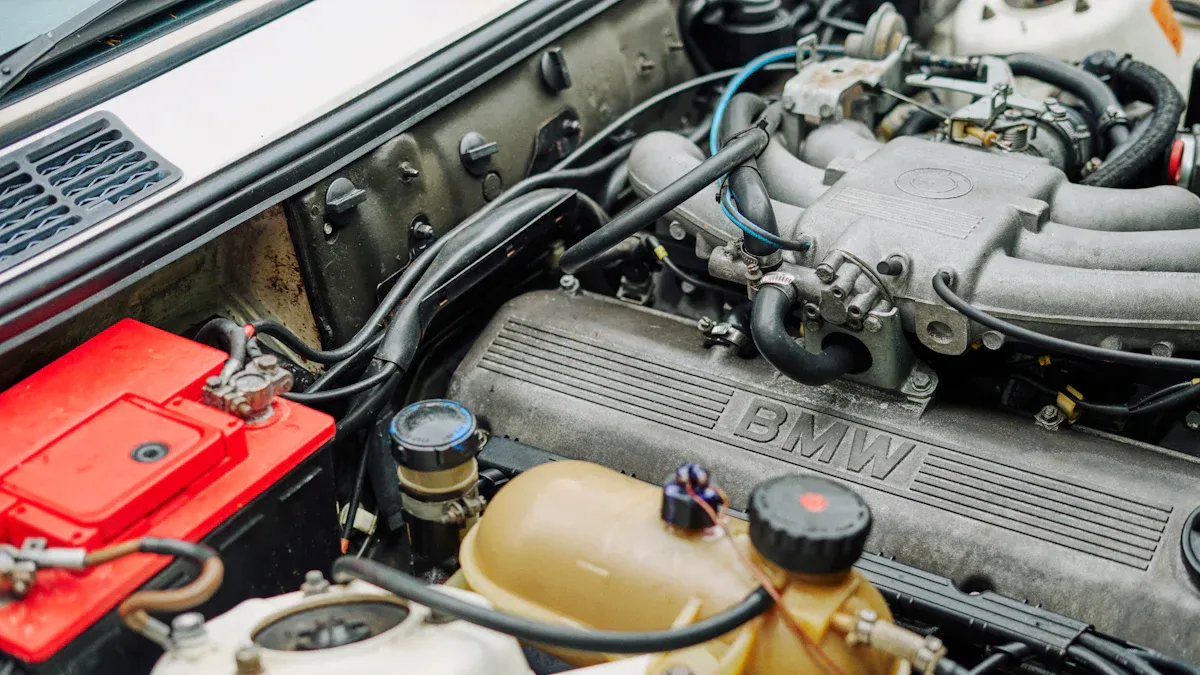
Engine compression drives your vehicle’s power and performance. Low compression is a serious issue. It significantly impacts your car’s efficiency and longevity. You need to identify potential problems early. This guide details 12 crucial Symptoms of Low Engine Compression. Recognizing these deadly clues helps you prevent further damage. Your engine’s health depends on timely action.
Key Takeaways
Low engine compression reduces your car’s power and makes it use more fuel.
Watch for signs like less power, rough idling, smoke from the exhaust, or a ‘Check Engine’ light.
Ignoring these signs can cause serious damage and very expensive repairs to your engine.
If you think your car has low compression, a mechanic should do a compression test right away.
Fixing low compression early helps your engine last longer and keeps your car reliable.
Understanding Engine Compression
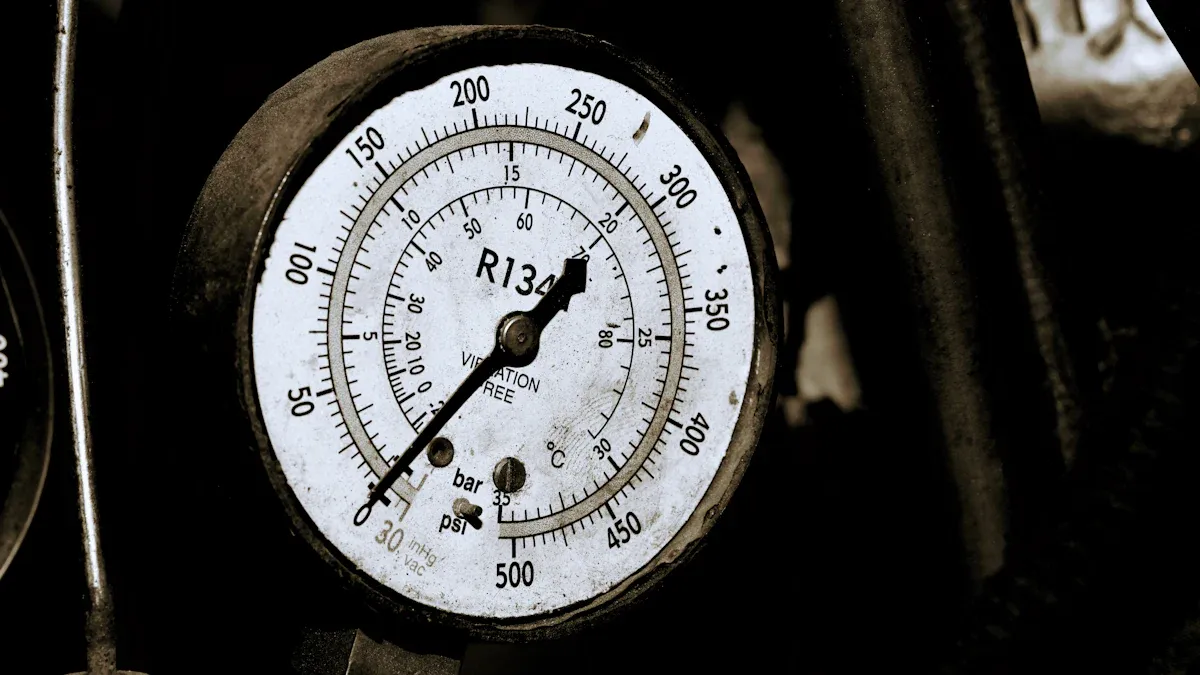
Engine Compression: Vital for Power
Engine compression is the heart of your vehicle’s power. You need it for your engine to run efficiently. When you compress an air and fuel mixture, it starts a chemical reaction. This reaction releases heat. Your engine then converts this contained heat into power. Think of it as squeezing energy into a small space.
This squeezing action is what makes your car move. The mechanical compression ratio compares the total volume above the piston at its lowest point to the volume at its highest point. This ratio helps determine how much power your engine can make. High compression can even cause fuel to ignite on its own, especially in diesel engines. The intense heat from highly compressed air makes the fuel burn without a spark.
How Engine Compression Works
Your engine uses a four-stroke cycle to create power. The compression stroke is the second stage of this cycle. It is when your engine gets ready for ignition. Here is how it works:
The piston moves upwards inside the cylinder.
The intake valve closes tightly, sealing the cylinder.
The piston squeezes the air-fuel mixture (in gasoline engines) or just pure air (in diesel engines).
In diesel engines, this compression makes the air very hot, often over 700 °C. This extreme heat causes the injected fuel to ignite by itself.
This compression stroke starts when the piston is at its lowest point and ends when it reaches its highest point. Both the intake and exhaust valves stay closed during this entire stage. In some modern engines, like Gasoline Direct Injection (GDI) engines, the fuel injects directly into the cylinder during this compression stroke. This happens when the piston is near the top of its travel.
The 12 Deadly Clues: Symptoms of Low Engine Compression
Recognizing the Symptoms of Low Engine Compression helps you address problems quickly. Low compression can severely impact your engine’s health and performance. You need to know these signs to keep your vehicle running strong.
Reduced Engine Power and Acceleration
You will notice a significant drop in your vehicle’s power. Your engine struggles to produce the necessary force. This means your car feels sluggish. It takes longer to accelerate. You might find it hard to maintain speed on inclines. Low compression means less pressure pushing the piston down. This directly translates to less power reaching your wheels.
Poor Fuel Economy
When your engine has low compression, it works harder to do the same job. This extra effort consumes more fuel. You will see your gas mileage decrease. Your engine tries to compensate for the lack of power by burning more fuel. This makes your trips more expensive.
Engine Misfires or Rough Idling
Your engine might run roughly. You could feel vibrations or hear irregular sounds. This often points to engine misfires. A misfire happens when one or more cylinders fail to ignite the fuel-air mixture properly. Low compression directly causes misfires.
Holes in the piston: Gaps between the piston and cylinder wall let gases escape. This prevents proper pressure buildup for combustion. You lose energy, and misfires occur.
Leaking valves (intake and exhaust): Warped or damaged valves do not close tightly. This breaks the seal in the cylinder. Gases escape, leading to compression loss and poor ignition.
Blown head gaskets: A damaged head gasket creates a gap. Combustion gases escape between the cylinder head and engine block. This results in compression loss.
Cracked cylinder walls: A crack in the cylinder wall allows combustion gases to leak out. This causes poor compression.
Weakened timing belts: A failing timing belt prevents the camshaft from working correctly. The intake valve might stay open. This traps gases and leads to low or no compression.
Worn piston rings: Damaged piston rings let gases leak into the crankcase. They should seal the combustion chamber. This prevents proper pressure buildup and causes low compression.
Damaged valve springs, seats, or retainers: Broken valve springs stop valves from closing completely. Loose valve seats let air escape. Dislodged retainers interfere with ignition. All these issues cause gas leakage and no compression.
Worn-out camshafts: Deteriorated camshaft lobes prevent valves from opening correctly. This traps ignited gases in the chamber. It causes low or no compression.
Difficulty Starting the Engine
You might find it hard to start your car. The engine cranks for a long time before it catches. Sometimes, it might not start at all. Low compression directly impacts the ignition process. Your engine cannot effectively burn the fuel-air mixture. This inadequate combustion leads to reduced performance. It is a common cause of difficulty starting the engine. The pressure inside the cylinders during the piston’s upward stroke is vital for igniting this mixture. When this pressure is too low, your engine struggles to start combustion.
💡 Tip: If you experience difficulty starting, reduced power, poor fuel efficiency, misfires, or excessive exhaust smoke, you should consider a compression test.
Excessive Oil Consumption
You might notice you need to add oil more frequently. Low compression often means gases escape past the piston rings. This is called “blow-by.” These gases push oil into the combustion chamber. The engine then burns this oil. This leads to excessive oil consumption.
Blue or White Smoke from Exhaust
The color of your exhaust smoke tells a story.
Blue smoke indicates your engine is burning oil. This happens when oil leaks past worn piston rings or valve seals into the combustion chamber. Low compression often involves worn piston rings, leading to this issue.
White smoke can mean different things. If it is thick and persistent, it often signals burning coolant. A blown head gasket, a common cause of low compression, can allow coolant to enter the combustion chamber.
Engine Knocking or Pinging
You might hear a distinct knocking or pinging sound from your engine. This noise comes from uncontrolled combustion. Instead of a smooth burn, the fuel ignites explosively. This is often called ‘injector knock.’ Low compression significantly makes engine knocking worse. This ‘explosion’ is a primary reason for increased engine noise.
Increased Engine Noise
Beyond knocking, your engine might just sound louder overall. You could hear ticking, clattering, or other unusual sounds. These noises often come from worn components causing the low compression. For example, worn valve train parts or piston slap can create extra noise.
Spark Plugs Fouling Quickly
Your spark plugs might look dirty or covered in deposits. This is called fouling. When your engine burns oil due to low compression, the oil leaves residue on the spark plugs. Incomplete combustion from misfires also leaves carbon deposits. Fouled spark plugs cannot ignite the fuel-air mixture effectively. This makes the engine run even worse.
Check Engine Light Illumination
The “Check Engine” light on your dashboard will turn on. Your engine’s computer (PCM) detects problems. Low engine compression leads to incomplete combustion. The PCM identifies this as a misfire. When the PCM detects such a misfire, it turns on the check engine light. It also stores a diagnostic trouble code (DTC). This directly links low compression to misfire-related DTCs.
P0300 (Random/Multiple Cylinder Misfire Detected): This code means a misfire is happening randomly or in several cylinders.
P0301–P0312 (Specific Cylinder Misfire Detected): These codes point to a misfire in a particular cylinder. For example, P0301 is for cylinder 1, P0302 for cylinder 2, and so on.
Exhaust Gas Recirculation Valve Issues
Your engine’s inefficiency from low compression can indirectly affect the EGR system. An engine with low compression runs less efficiently. This can lead to higher combustion temperatures or incomplete combustion. These conditions might stress the EGR system. They can also cause it to operate outside normal parameters. This could trigger related diagnostic codes.
Engine Overheating
An engine with low compression works harder and less efficiently. This generates more waste heat. This extra heat can lead to your engine overheating. Also, a common cause of low compression is a blown head gasket. A blown head gasket can directly cause overheating. It allows hot combustion gases into your cooling system. These Symptoms of Low Engine Compression are serious. You should address them promptly.
Why Low Compression Symptoms Are Deadly
Ignoring the signs of low engine compression is a critical mistake. These symptoms are “deadly” because they signal a severe decline in your engine’s health. You face not only performance issues but also the threat of catastrophic failure. Understanding these dangers helps you act decisively.
Potential Damage and Costly Repairs
Ignoring the early signs of low compression leads to severe consequences. You risk significant damage to your engine’s core components. This results in very costly repairs. For instance, persistent engine misfires can severely harm your catalytic converter. This crucial component cleans harmful exhaust gases.
A damaged catalytic converter is expensive to replace. It can cost thousands of dollars. Low compression also places immense stress on internal engine parts. Pistons can crack under the increased strain. Valve seats may burn, or valves themselves can warp. These issues often necessitate a complete engine overhaul. This involves disassembling the engine and replacing many parts. It is a major financial burden. You might even need an entirely new engine. This is the most expensive repair option. You can avoid these massive expenses by acting quickly. You protect your investment and prevent further deterioration.
Engine Longevity and Reliability Impact
Low compression directly reduces your engine’s lifespan. Your engine must work much harder to produce power. This extra effort causes accelerated wear and tear on all components. Your vehicle becomes unreliable. You might experience unexpected breakdowns. This leaves you stranded at inconvenient times. Imagine being late for work or missing an important appointment.
The overall value of your car also decreases significantly. A vehicle with a compromised engine loses its resale appeal. You want your car to serve you for many years. You expect it to start reliably every time. Ignoring the Symptoms of Low Engine Compression prevents this. Timely diagnosis and repair keep your engine healthy. They ensure your car remains dependable and maintains its value. You avoid future headaches and maintain peace of mind on the road.
What to Do If You Suspect Low Compression

You must act quickly if you suspect low engine compression. Ignoring these signs leads to more damage. Taking the right steps helps you save your engine and money.
Professional Diagnosis: Tests and Importance
You need a professional diagnosis to confirm low compression. A mechanic performs a cylinder compression test. This test measures the pressure inside each cylinder. It tells you which cylinders have problems. It also helps pinpoint the cause.
Here are the steps a technician follows for a compression test:
Prepare the Engine: The technician warms the engine to operating temperature. They then remove all spark plugs.
Disable Fuel and Ignition: They disable the fuel system and ignition system. This prevents fuel from entering the cylinders and sparks from firing.
Attach Tester: They screw the compression tester into a spark plug hole.
Crank the Engine: You crank the engine for several seconds. This allows the piston to move through its compression strokes.
Record Reading: The technician records the pressure reading from the gauge.
Repeat for All Cylinders: They repeat this process for every cylinder.
Comparing the readings helps identify weak cylinders. A low reading in one cylinder points to a specific issue. Low readings across all cylinders suggest a more general problem.
Common Causes and Solutions
Many issues cause low engine compression. You need to find the exact cause to fix it. Here are common mechanical problems:
Worn Piston Rings: These rings seal the combustion chamber. If they wear out, gases escape.
Valve Train Defects: Problems like weak valve springs prevent valves from closing fully.
Cylinder Liner Wear: The cylinder walls can wear unevenly. This stops piston rings from sealing well.
Carbon Deposits: Carbon can build up on piston heads. This increases friction and wears down liners.
Valve Problems: A dropped valve seat or a broken valve spring stops the valve from sealing.
Timing Belt Issues: A broken timing belt stops the camshaft from turning. Valves do not open or close correctly.
Blown Head Gasket: A damaged head gasket creates a leak between the cylinder head and the engine block.
Piston Damage: Overheating can burn holes in pistons. It can also damage piston rings.
Your mechanic will identify the specific cause. Solutions vary greatly. You might need new piston rings, valve repairs, or a head gasket replacement. Addressing the root cause restores your engine’s compression and power.
Recognizing these 12 deadly clues of low engine compression is crucial for your vehicle’s health and power. Prompt identification and professional intervention prevent severe damage. They also ensure your engine’s efficiency. Do not ignore these warning signs. Your engine’s performance and lifespan depend on timely action. Seek a professional inspection immediately if you observe any symptoms.



