Seeing your car leaning to one side is alarming. This symptom clearly indicates underlying suspension issues. Your car’s suspension system is crucial for vehicle stability, handling, and safety. Ignoring these suspension problems can be dangerous; steering/suspension issues are responsible for 3% of vehicle-related crashes. Addressing these suspension issues quickly ensures your car’s safety and prevents further damage to its frame. A healthy suspension makes your car drive smoothly. This guide uncovers 10 common yet hidden problems causing this vehicle leaning. You will learn what to do next for your car’s suspension. You will understand how vital a good suspension is.
Key Takeaways
A car leaning to one side means a problem with its suspension system. This issue needs quick attention.
Common problems causing a car to lean include worn springs, leaking shocks, bad ball joints, or uneven tire pressure.
Driving a leaning car is dangerous. It affects steering, stability, and can cause more damage to the car’s frame.
Always get a professional to check your car’s suspension. They can find the exact problem and fix it safely.
Fixing suspension problems quickly keeps your car safe. It also prevents more expensive repairs later.
Understanding Your Car’s Suspension System
The Basics of Vehicle Leveling
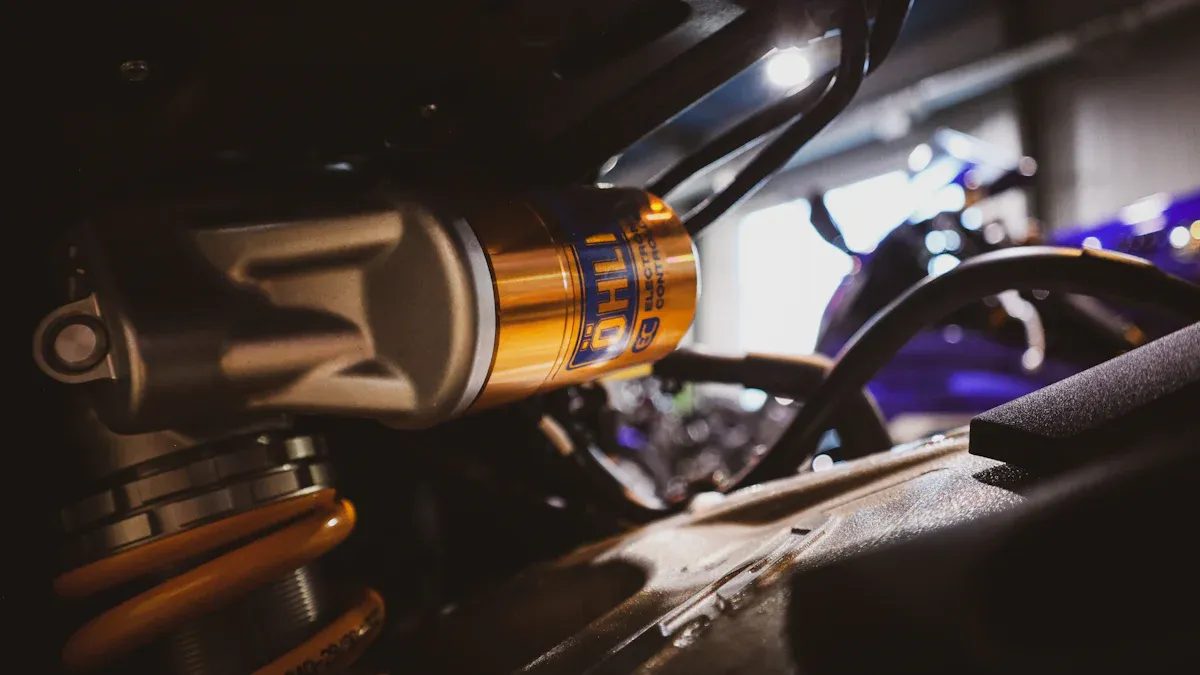
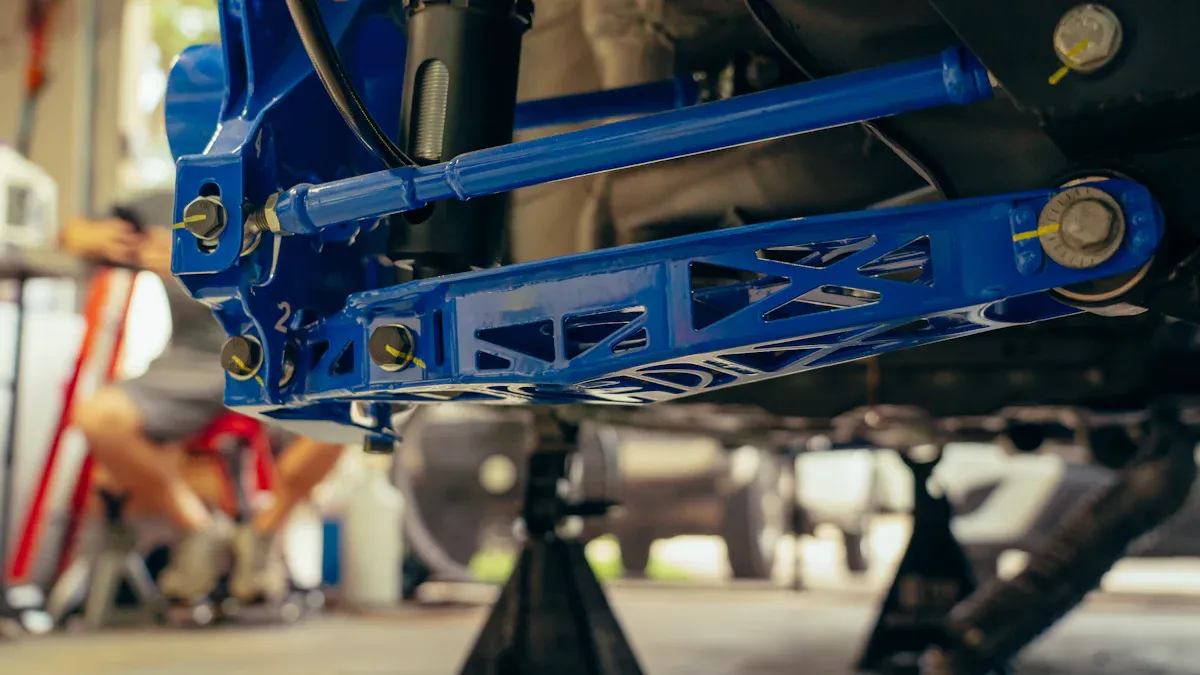
Your car’s suspension is a complex network. It connects the wheels to the car’s frame. This system absorbs impacts from bumpy roads. It also keeps your car level. Key parts of your suspension system include springs, shock absorbers, and control arms. Springs absorb road shocks. They compress and expand over rough terrain. Shock absorbers control spring movement.
They smooth your ride. Struts combine a spring and a shock absorber. They control vertical wheel motion. Control arms connect the wheel to the car’s frame. They maintain alignment. Ball joints allow smooth wheel movement. Sway bars reduce body roll during cornering. Torsion bars cushion the ride. Bushings reduce vibration.
These components work together. They ensure your car maintains proper leveling. Some advanced suspension systems maintain a consistent ride height. They use fluid pressure or electronic sensors. This ensures your car stays level. This helps your car handle well. It also keeps your car stable. This entire suspension works to keep your car balanced.
Why a Leaning Car is a Concern
A leaning car is a serious problem. It shows an issue needing immediate attention. Driving a leaning car risks accidents. It can also damage other parts of your car. Uneven weight distribution causes stability problems. This makes your car unsafe to drive.
A leaning car affects your steering. It can pull to one side. This makes it harder to control your car. The tilt can distract you. It can also block your view of the road. This affects your safety. A leaning car also causes uneven tire wear.
This shortens the life of your tires. It also impacts your car’s frame. The constant stress can twist the frame. This compromises the structural integrity of your car. The entire suspension suffers. This can lead to more costly repairs. You need to fix any suspension issue quickly. This protects your car and ensures your safety. A healthy suspension keeps your car’s frame straight. It also keeps your steering precise.
Top 10 Suspension Problems Causing Vehicle Lean
Worn or Broken Coil Springs
A common reason your car might lean is a problem with its coil springs. These springs support your car’s weight. They absorb bumps from the road. If a coil spring on one side becomes fatigued or breaks, that side of your car will sag. This makes your car look uneven. A vehicle leaning to one side clearly indicates a damaged or broken coil spring on the sagging side. You might notice visible sagging and leaning.
These are clear signs of bad coil springs. If your car sags, especially if it feels like leaning while driving, a worn spring is likely the cause. Sagging can be more pronounced on one side. This means the coil spring on that side is more worn than the others. Excessive sagging, leaning, or swaying are warning signs of worn springs. Torsion bars, another type of spring, can also cause similar suspension problems if they fail. You need to address these issues quickly to prevent further damage to your car’s frame and other suspension components.
Leaking Shocks or Struts
Shocks and struts control your car’s spring movement. They keep your ride smooth. If a shock absorber or strut leaks fluid, it loses its ability to dampen motion. This affects your car’s ride height and stability. A common sign of a leaking shock absorber or strut is when the component appears wet and oily over most of its surface.
You might also see fluid dripping from it. This true leakage means you need to replace the shock or strut. A binding shock absorber or strut can also cause your car to lean. This happens when the internal parts stick, preventing proper movement. Ignoring these issues can lead to more severe suspension problems and costly repair work.
Damaged Suspension Bushings
Suspension bushings are small but vital parts. They are rubber or polyurethane components. They dampen vibrations and provide flexibility within your suspension. When these bushings wear out, they allow excessive movement in parts like control arms or sway bars. This can cause your car to lean.
Damaged suspension bushings lead to poor handling. They can also cause excessive noise and vibrations. This directly impacts your car’s stability. Replacing worn bushings is crucial. It maintains the correct alignment of suspension parts. This alignment is essential for overall vehicle stability and proper functioning of the suspension system. If strut rod bushings fail, they can also contribute to your car’s uneven stance.
Uneven Tire Pressure
Sometimes, the simplest issues cause a lean. Uneven tire pressure is one such problem. If one of your tires has significantly lower pressure than the others, that corner of your car will sit lower. This creates a slight lean.
You should check your tire pressure regularly. This simple check can prevent a lean and improve your car’s handling. A bad tire with internal damage can also contribute to this problem, even if the pressure seems correct. Always ensure your tires are properly inflated to maintain your car’s balance and prevent unnecessary strain on the suspension.
Worn Ball Joints
Ball joints connect your car’s wheels to its suspension. They allow for smooth movement. If a ball joint wears out, it develops excessive play. This can cause one corner of your car to drop, leading to a lean. A severely worn lower ball joint can cause the wheel to lean inward. This leads to a sagging front suspension.
This inward lean of the wheel directly contributes to your car appearing to lean to one side. A faulty upper ball joint can also disrupt your car’s alignment. It can cause your car to pull to one side. This happens because it can no longer securely hold the steering knuckle. You need to address worn ball joints quickly. They are critical for safe steering and proper suspension function. Ignoring them can lead to dangerous steering issues and further suspension repair needs.
Bent Suspension Components
Physical damage to your car’s suspension components can cause a lean. This includes bent control arms, tie rods, or even the axle. These bent parts lead to misalignment. This forces one side of your car to sit lower. The most common causes for a leaning vehicle include a binding shock absorber or strut, a bad spring or torsion bar, bent suspension parts, or a twisted chassis. If you hit a pothole or curb hard, you might bend a suspension part.
This can immediately cause your car to lean. You need to inspect your suspension for any visible damage. This helps you identify bent components. Repairing these parts is essential for your car’s safety and proper alignment.
Faulty Sway Bar Links
Sway bar links connect your sway bar to your suspension. They help reduce body roll when you turn. If these links are faulty, your car’s body can roll excessively. This can also cause uneven settling, making your car lean. A properly functioning sway bar link prevents excessive vehicle rolling. It ensures your tires maintain solid contact with the ground. However, if the link is broken or weakened, the sway bar cannot perform its intended function.
This results in unpredictable handling and reduced performance. Failing links can cause uneven tire wear by shifting your car’s weight to the outer edges of the tires during turns. This indicates an issue with even settling. Faulty sway bar links lead to excessive body roll.
The suspension system’s ability to reduce this motion is compromised. This can make your car feel unstable, especially when leaning during turns.
Air Suspension System Issues
Cars with air suspension systems use air springs instead of traditional coil springs. These systems maintain ride height using an air compressor and sensors. If one of your air springs leaks, or if the compressor fails on one side, that corner of your car will deflate.
This causes a noticeable lean. Air suspension system issues can also include worn shock absorbers, worn struts, or other damaged suspension parts. You might notice your car looks uneven when parked. This is a common sign of an air suspension problem. You need professional repair for these complex systems.
Misaligned Wheel Alignment
While not a direct cause of a lean, misaligned wheel alignment can exacerbate underlying suspension issues. It can also be a symptom of other problems. Misalignment can cause your car to pull to one side. This makes it feel like it is leaning.
Worn-out or loose suspension parts can cause misalignment. They shift your wheels out of their optimal positions. This leads to issues like uneven tire wear and poor handling. Misalignment can put extra strain on suspension components. This accelerates wear and tear on parts like shocks, struts, and ball joints. Key suspension components directly affect alignment. These include tie rods, ball joints, and shock absorbers/struts.
Bad ones cause steering issues and premature wear. New ones can change ride height and throw off alignment. Practically every suspension component, including rubber bushings, plays a role in alignment. Wear in any part can alter how your car sits, rides, and handles. Misalignment can lead to unusual noises like creaks and groans from your car.
This indicates that alignment issues are placing additional stress on suspension components. This increased strain can accelerate wear and tear. This can lead to expensive repairs if you do not address it promptly.
Frame Damage or Twisted Chassis
This is a severe structural issue. Frame damage or a twisted chassis causes permanent unevenness in your car. This makes your car lean. This type of damage often results from a major accident. You might notice uneven gaps or panel misalignment between doors, fenders, and the trunk lid. These are signs of frame damage.
Your car might consistently veer to one side without your input. You might have difficulty maintaining control, especially during sudden maneuvers. Other signs of frame damage include a car leaning in unusual directions, uneven body panel gaps, or an uneven suspension where one side droops more.
You might also see visible dents, bends, and creases in the frame structure. A hood or trunk that no longer closes cleanly, or a door that suddenly scrapes, also indicates frame issues. If your steering wheel sits crooked, or your car drifts even after an alignment, you might have vehicle frame damage.
New rattles over bumps, creaks near the windshield base, or vibrations that were not present before are also red flags. You might see creases in the metal, buckled seams, or cracked undercoating around mounting points when you look under your car. Your car might feel less stable at highway speeds. It might react strangely in quick maneuvers. It might require more effort to keep in a straight line. These are all serious issues that require immediate professional repair.
Addressing Warning Signs of Car Suspension Failure
Immediate Safety Checks
When you notice the warning signs of car suspension failure, act quickly. A leaning car is not safe to drive. You should stop driving your car immediately. Check for any obvious damage. Look at the tires and the visible suspension components. Driving a leaning car puts stress on its frame. This can cause more damage. It also affects your steering and overall safety. Do not delay seeking help.
Importance of Professional Diagnosis
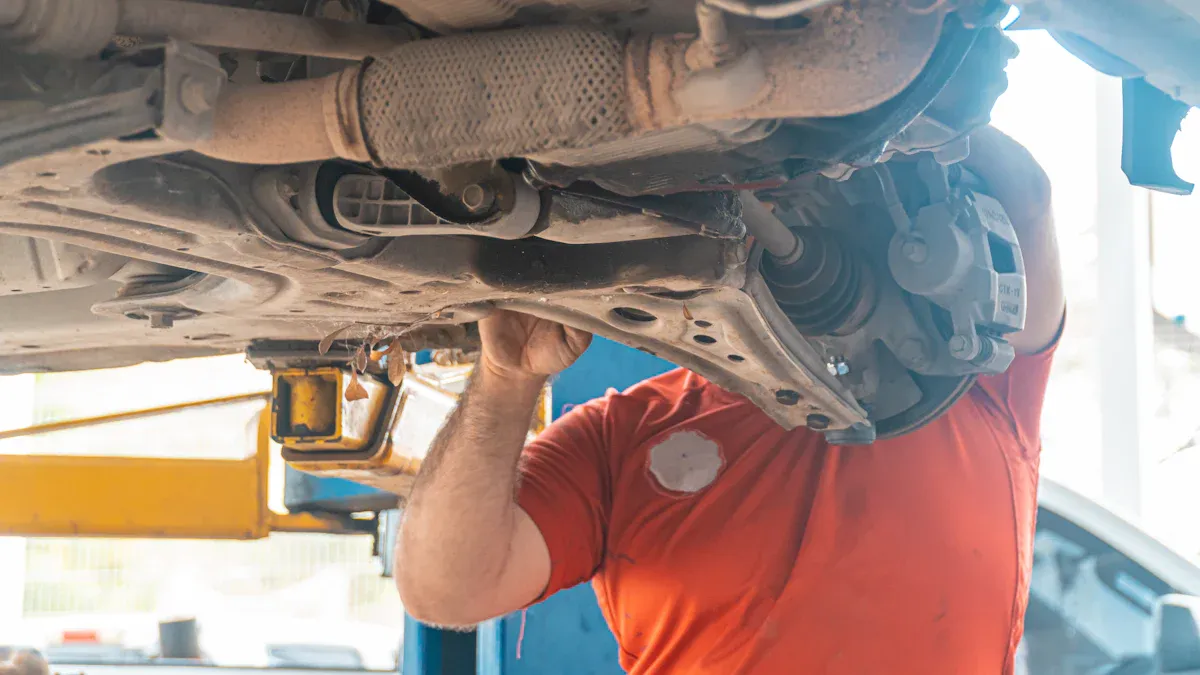
You need a professional for proper suspension diagnostics and repairs. Suspension issues are complex. They require expert knowledge. A professional can accurately identify the problem. They ensure the correct repair. This prevents further damage to your car‘s frame. It also guarantees your safety on the road. Professional suspension service saves you money on future repairs. It also prevents more costly repairs down the line. This ensures your suspension‘s longevity.
What to Expect During Inspection
When you bring your car in for a suspension check, expect a thorough inspection. This comprehensive suspension check helps technicians find the exact issue. They perform several steps during the inspection:
Visual Inspection: They check springs for cracks or sagging. They look at shock absorbers for leaks or damage. They inspect control arms and bushings for wear. Ball joints are checked for looseness. Tires are examined for uneven wear.
Check Ride Height: They measure the distance from the ground to your car‘s bottom at each corner. Big differences show problems.
Perform Bounce Test: They push down on the hood or trunk. Your car should bounce once or twice and then settle. Too much bouncing means worn shock absorbers.
Listen for Noises: They turn the steering wheel and drive over bumps. They listen for clunking, grinding, squeaks, or rattles. These noises point to worn ball joints or control arm bushings.
Inspect Sway Bar: They use a pry bar to check for play in the sway bar and its links. This shows worn bushings or broken links.
Check Alignment: They look for uneven tire wear. They see if your car pulls to one side. This signals alignment or suspension problems.
This detailed inspection ensures your car gets the right repair. It protects your car‘s frame and restores proper steering. This comprehensive suspension inspection and repair process is vital.
A leaning car is a serious warning sign. It demands your immediate attention. Ignoring suspension problems leads to significant risks for your car’s suspension. You face compromised safety, accelerated wear, and poor handling.
You might experience uneven tire wear and blowouts.
Your car will have longer stopping distances.
Compromised handling and control make driving dangerous.
Damage to other vehicle components and increased repair expenses are also consequences. Prompt professional diagnosis and repair of your car’s suspension ensures vehicle longevity and occupant safety. This crucial suspension repair protects your car and its entire suspension system. Do not delay seeking expert help for any signs of a leaning suspension.