
Some Volvos made in China are indeed part of the brand’s global manufacturing strategy. Understanding this aspect of Volvo’s operations is important for you as a consumer. It reflects the company’s commitment to sustainability. For instance, Volvo aims for a fully carbon-neutral manufacturing network. They plan to reduce the lifecycle carbon footprint per car by 40% and target a 25% decrease in CO2 emissions across their global supply chain. This evolution shows how Volvo adapts to market demands while maintaining quality and environmental responsibility.
Key Takeaways
Volvo manufactures cars in multiple countries, including China, to meet global consumer demands and enhance sustainability.
Quality control is a priority in Volvo’s Chinese plants, ensuring high standards through advanced technologies and strict measures.
Models like the Volvo V446 and EX30 are specifically assembled in China, catering to the growing local market.
Consumer perceptions of Chinese-made Volvos have evolved, but Volvo maintains that quality remains consistent across all manufacturing locations.
Investments in China and the U.S. reflect Volvo’s commitment to adapting to market trends and improving vehicle offerings.
Volvo Manufacturing Locations
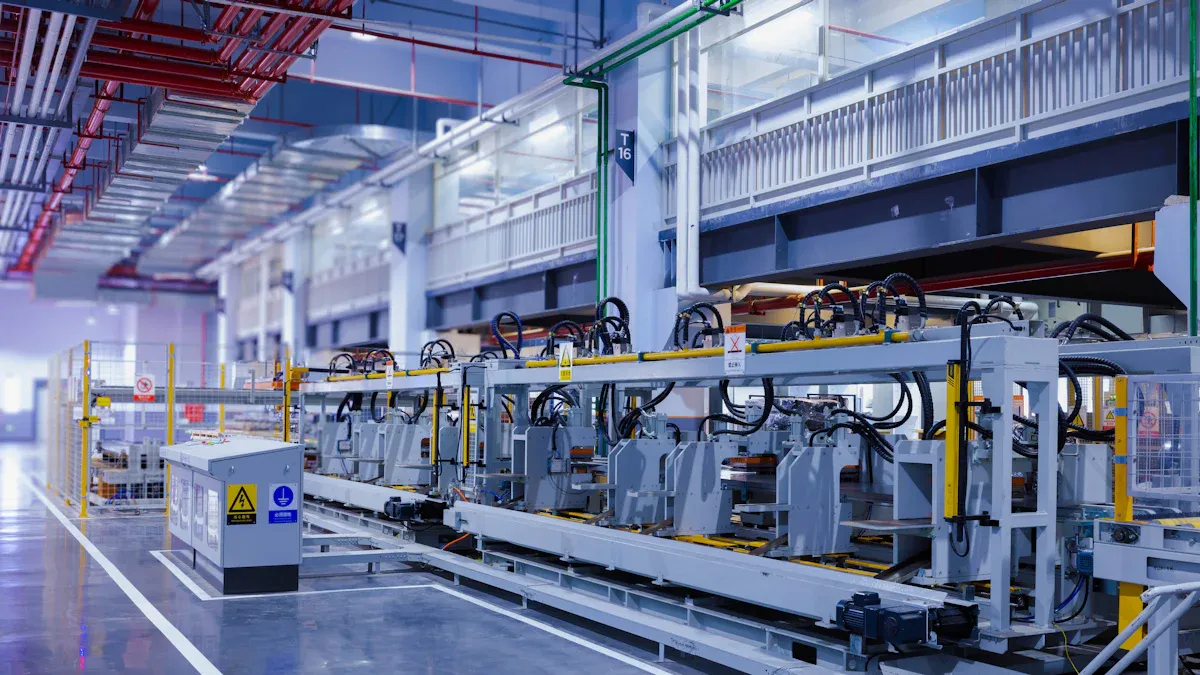
Volvo operates manufacturing plants in several countries, each playing a crucial role in the company’s global strategy. Here are the key locations:
Sweden: Torslanda, Olofström, Skövde, and Floby
Belgium: Ghent
China: Chengdu, Daqing, and Luqiao
United States: Ridgeville, South Carolina
Malaysia: Shah Alam
India: Bangalore
Sweden and Europe
Sweden remains the heart of Volvo’s manufacturing legacy. The first series-manufactured Volvo car, the ÖV4, rolled off the production line in Göteborg in 1927. This marked the beginning of Volvo’s journey in the automotive industry. Over the years, the company expanded its operations in Sweden and Belgium.
Year | Event Description |
|---|---|
1927 | The first series-manufactured Volvo car, the Volvo ÖV4, rolled off the production line in Göteborg, establishing Volvo’s manufacturing roots in Sweden. |
1964-1969 | Opening of new plants in Torslanda, Sweden, and Alsemberg, Belgium, enhancing manufacturing capacity and positioning Volvo in the global automotive market. |
1977 | Construction of a second truck manufacturing plant in Belgium marked Volvo’s transformation into a European company with a Swedish base, expanding its market reach. |
1964 | The Torslanda plant opened with a capacity of 200,000 vehicles, leading to the establishment of an assembly plant in Ghent, Belgium, to avoid import duties and facilitate sales in Europe. |
These locations not only symbolize Volvo’s heritage but also showcase its commitment to quality and innovation.
United States
In the United States, Volvo operates a manufacturing facility in Ridgeville, South Carolina. This plant plays a vital role in producing vehicles tailored for the North American market. The strategic location allows Volvo to respond quickly to consumer demands and preferences. By manufacturing locally, Volvo reduces shipping costs and enhances its supply chain efficiency. This facility represents Volvo’s dedication to expanding its footprint in one of the world’s largest automotive markets.
Understanding these manufacturing locations helps you appreciate the global nature of Volvo’s operations. Each site contributes uniquely to the brand’s identity and commitment to quality.
Volvos Made in China
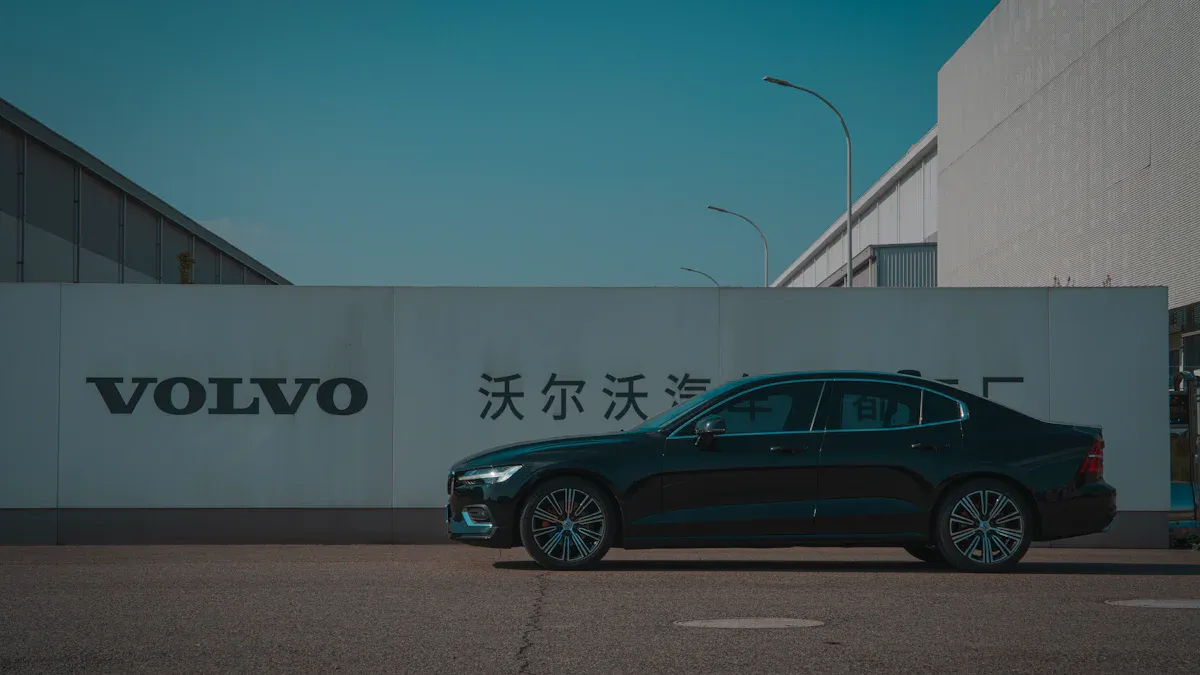
Key Models Assembled in China
Volvo has strategically chosen China as a key manufacturing location. This decision allows the company to cater to the growing demand in the Chinese market, which is valued at $223.7 billion and has seen an average growth rate of 12.5% over the past five years. Some of the specific models that you will find exclusively assembled in China include:
Volvo V446
EX30
These models reflect Volvo’s commitment to producing vehicles that meet the preferences of Chinese consumers while maintaining the brand’s high standards.
Quality Control in Chinese Plants
Quality control is a top priority for Volvo, especially in its Chinese manufacturing plants. The Daqing factory, for instance, focuses on creating high-quality luxury cars. It adheres to world-class standards through meticulous quality measures. Here are some key aspects of quality control in these plants:
Each facility follows stringent quality control measures.
Advanced technologies such as robotics, automation, and digitalization enhance precision and efficiency.
The Daqing factory implements globally unified processes and quality standards.
Highly automated production lines ensure consistency and adherence to international quality norms.
Volvo’s manufacturing strategy emphasizes quality, safety, and environmental stewardship. The company invests in local partnerships and transforms its research and development center in Jinan into a Global Technology System for expanded innovation and collaboration. This investment plays a crucial role in enhancing engine-manufacturing quality through advanced technologies.
To further assure quality, Volvo’s Chinese plants hold several certifications, including:
Certification | Description |
|---|---|
ISO 9001 | Quality assurance standard |
ISO 14001 | Environmental care standard |
ISO 45001 | Occupational health and safety standard |
By maintaining these high standards, Volvo ensures that the vehicles produced in China meet the expectations of consumers worldwide.
Comparison of Global Production
Historical Context
Volvo’s expansion into China reflects its need to adapt to local market demands. The company faced challenges such as EU tariffs and market fragmentation. In 2010, Volvo began establishing new facilities in China, the USA, and Belgium. This strategic shift allowed Volvo to enhance its production capabilities. The acquisition by Geely marked a pivotal moment, leading to increased manufacturing in China. Here are some key events that influenced this decision:
Event | Description |
|---|---|
Acquisition by Geely | Geely’s purchase of Volvo from Ford shifted Volvo’s operational strategy. |
New Assembly Plants | Volvo opened two new assembly plants in China to meet local demands. |
Sales Target | The company aims for a long-term sales target of 200,000 cars per year in China. |
Consumer Perceptions
Consumer perceptions of Volvos made in China have evolved over time. Initially, Volvo was viewed as a premium brand. However, recent price drops have led to a perception of mediocrity compared to competitors. Younger consumers now prioritize cost over brand loyalty. Here are some insights into how perceptions have changed:
Volvo’s unique selling points include safety and sustainability, but these are overshadowed by a focus on cost-effectiveness.
The brand’s appeal has shifted from high-class elites to cost-conscious consumers.
There is a perception that Volvo does not offer as many models as competitors, affecting its attractiveness.
Interestingly, Volvo officials have stated, “the quality of the cars are actually better in China than they are in Europe.” This highlights that the manufacturing processes in China can yield high-quality vehicles.
To summarize the differences in manufacturing processes across various locations, consider the following table:
Plant Location | Models Produced | Notes |
|---|---|---|
Chengdu, China | XC60, S60 | Focus on local market needs |
Daqing, China | XC90 | Major production site for this model |
Luqiao, China | XC40, Lynk & Co models | Collaboration with Geely |
Torslanda, Sweden | XC60 | Known for high-quality production |
Ridgeville, USA | S60, XC90 | Tailored for North American market |
Understanding these factors helps you appreciate how location affects brand perception and consumer satisfaction.
Implications for Consumers
Quality Concerns
As a consumer, you may have concerns about the quality of Volvos made in China. It’s essential to understand that the claims rate for vehicle manufacturers based in China averages only 0.8% over the past decade. In comparison, Japan’s claims rate is 1.5%, Korea is just above 1.5%, the U.S. is just below 2.5%, and Germany averages 3.4%. This data suggests that while Chinese-made vehicles, including Volvos, may have lower warranty claims, it does not necessarily indicate higher quality or reliability.
Remember, lower warranty claims can be misleading. They might reflect manufacturing efficiency rather than superior quality.
Volvo’s commitment to quality control in its Chinese plants plays a significant role in addressing these concerns. The company employs advanced technologies and adheres to strict quality standards. This focus helps ensure that you receive a vehicle that meets your expectations, regardless of where it is manufactured.
Future Outlook
Looking ahead, several market trends are emerging regarding consumer preferences for Volvo vehicles based on their manufacturing location. Consumers increasingly favor locally made goods. This trend enhances brand equity for Volvo as it localizes production in the U.S. This strategic shift not only mitigates tariff impacts but also aligns with the growing demand for SUVs and electric vehicles (EVs).
“The XC60, offered as both a gas-electric hybrid and a plug-in hybrid, has recorded more than 27,000 U.S. sales this year, representing a nearly 20% increase over the same period last year.”
Volvo’s Ridgeville facility, designed to produce 150,000 vehicles annually, currently operates at approximately 20% capacity. This indicates room for growth and adaptation to market demands.
In China, Volvo plans to invest significantly in its manufacturing operations. Here’s a summary of the upcoming investments:
Investment Type | Details |
|---|---|
Acquisition | Volvo Trucks is acquiring a heavy-duty truck manufacturing site in Taiyuan, Shanxi province for RMB 0.8 billion. |
Production Start | Production of new heavy-duty Volvo trucks is set to begin by the end of 2022. |
Capacity | The plant will have a production capacity of 15,000 trucks per year, with potential for further increase. |
These investments reflect Volvo’s commitment to enhancing its competitiveness and meeting consumer demands in both local and global markets. As a consumer, you can expect a broader range of options and improved quality in the future.
Volvo’s manufacturing strategy spans multiple countries, including Sweden, Belgium, the United States, and China. Some key models, such as the S90 and XC60, are produced in China. This global approach allows Volvo to meet diverse consumer demands.
Industry experts note that the location of assembly does not significantly impact perceived quality. For instance, Jake Fisher from Consumer Reports states, “when it comes to performance and reliability, where a car is built really matters less than how it’s designed and manufactured.”
Ultimately, Volvo’s commitment to quality remains strong, regardless of where the vehicles are made.
Location | Focus of Production |
|---|---|
Sweden | Engine manufacturing, traditional and hybrid engines |
Belgium | Assembly and production of various models |
China | Production of S90, XC90, XC60, S60, XC40, Polestar EVs |
United States | S60 sedan, next-generation XC90 |
Brazil | Trucks, buses, and some car models |
Austria | Assembly partnerships with Magna Steyr |
This strategy enhances brand perception and ensures you receive a high-quality vehicle, no matter where it is assembled.
FAQ
What Volvo models are made in China?
Volvo assembles several models in China, including the Volvo V446 and EX30. These vehicles cater to the growing demand in the Chinese market.
Is the quality of Chinese-made Volvos reliable?
Yes, Volvo maintains strict quality control in its Chinese plants. They implement advanced technologies and adhere to global standards to ensure high-quality vehicles.
How does manufacturing location affect Volvo’s brand perception?
Manufacturing location can influence consumer perceptions. While some may view Chinese-made Volvos as lower quality, Volvo emphasizes that their production processes meet high standards regardless of location.
Are there any benefits to buying a Volvo made in China?
Buying a Volvo made in China can offer advantages like competitive pricing and features tailored to local preferences. Volvo’s commitment to quality remains consistent across all manufacturing locations.
Will Volvo continue to produce cars in China?
Yes, Volvo plans to expand its production in China. The company aims to meet local demand and enhance its competitiveness in the growing automotive market.