


Does your clutch pedal feel strange? You might notice bad clutch symptoms like a soft feel or it sticks to the floor. The clutch master cylinder is a vital part of your manual transmission system. This master cylinder makes your clutch work correctly. Recognizing early signs of a bad master cylinder is crucial. It prevents expensive repairs and keeps you safe. Early symptom recognition also stops further master cylinder damage. This post details 10 common signs of failure. These are key indicators of a failing master cylinder.
Common Bad Clutch Symptoms: Pedal Feel
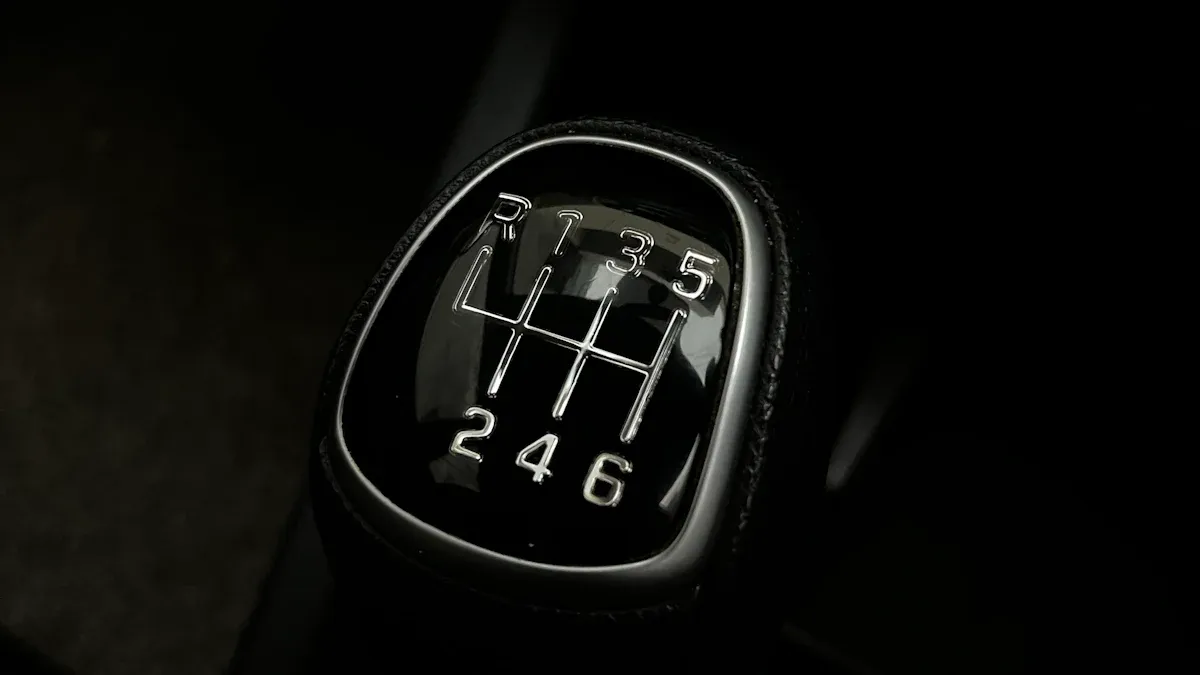
Your vehicle’s hydraulic system, much like a brake master cylinder, relies on fluid pressure. When this system has issues, you will notice bad clutch symptoms directly through the pedal’s feel.
Spongy Clutch Pedal Feel
You press the pedal. It feels soft or mushy. It might offer little resistance. This is a spongy pedal. Air in the hydraulic system often causes this feeling. Even tiny amounts of air make the pedal spongy. The pedal may feel weak at first. It only firms up when you press it further down. Sometimes, repeated presses make the system slightly firmer. Worn rubber seals inside the master cylinder can let air in. They can also cause fluid to leak. Low hydraulic fluid is another cause. A leak in the system reduces fluid levels. A failing master cylinder often has worn seals. It might not create enough fluid pressure. A damaged connector rod or a leaking hose can also cause this. A faulty release bearing can contribute. A broken clutch cable can also make the pedal feel soft. These symptoms point to hydraulic issues. This leads to soft pedals.
Clutch Pedal Stays Down
You push the pedal. It does not come back up. It stays stuck to the floor. This is a clear sign of a problem. Your hydraulic system has lost pressure. An internal leak often causes this. A bad seal inside the master cylinder or slave cylinder lets fluid circulate. It does not build pressure. A porous rubber pipe can connect the master cylinder and slave cylinder. This pipe can lose fluid. It can also let air enter the system. A cracked clutch fork inside the bellhousing can also cause this. When the master cylinder fails, it cannot create the necessary pressure. This leads to sinking pressure. This master cylinder failure needs immediate attention.
Hard or Sticky Clutch Pedal
You try to press the pedal. It feels very stiff. It might even stick partway down. This is a hard pedal. Several issues can cause this. Something might physically block the pedal’s movement. A faulty cross shaft or fork can prevent proper pressure transfer. This makes the pedal stiff. A worn pivot ball creates more friction. This makes the pedal harder to operate. Your pedal might need adjustment. A loose cable makes disengaging difficult. Broken linkage can also cause problems. Low or dirty transmission fluid affects lubrication. This impacts pedal operation. A failing master cylinder can also contribute. It might not move fluid smoothly. This creates resistance. Just as a brake master cylinder pushes fluid for braking, your master cylinder pushes fluid for gear changes. These symptoms indicate mechanical problems.
Inconsistent Clutch Engagement
You release the pedal. The engagement feels different each time. Sometimes it grabs high. Other times it grabs low. This is inconsistent clutch engagement. Worn seals in the master cylinder are a common cause. These seals compromise the hydraulic system. Air can enter. Fluid can escape. The system cannot maintain pressure. This leads to a soft or spongy pedal. You will have difficulty engaging gears. The system needs a sealed, oil-filled environment. This transmits full pressure to the slave cylinder. Worn seals reduce performance. This is a clear sign of master cylinder failure. You might experience sinking pressure. These bad clutch symptoms need attention.
Fluid and Performance Indicators
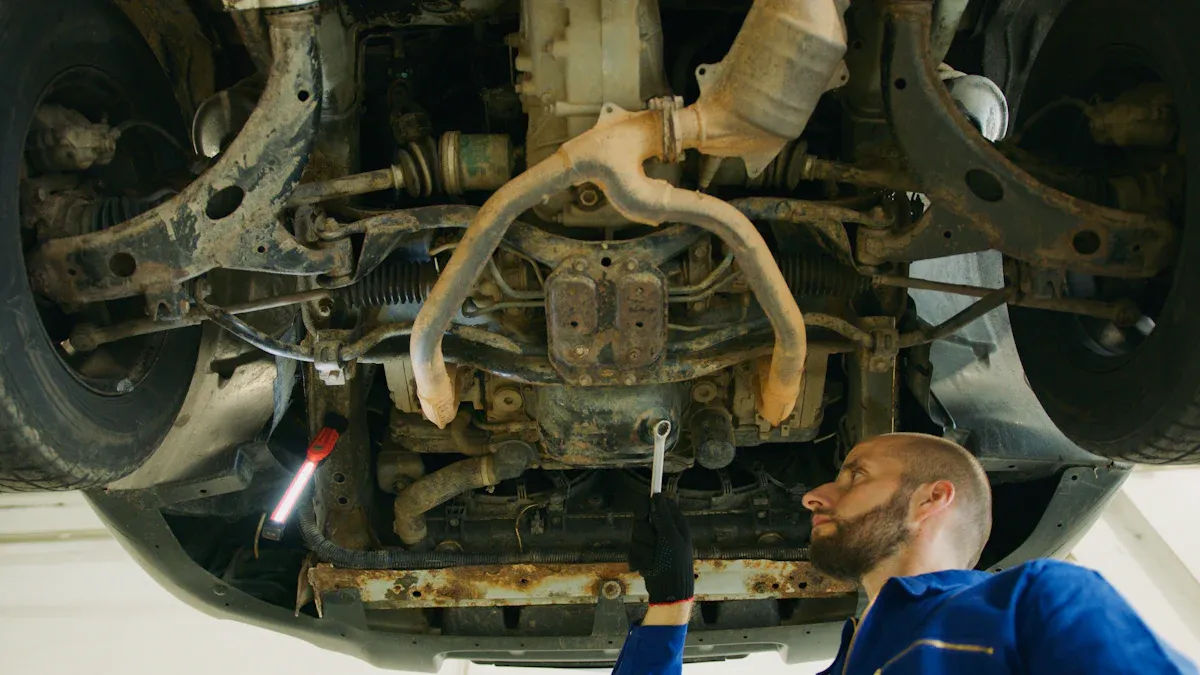
You rely on your vehicle’s hydraulic system for smooth gear changes. The condition of your clutch fluid and how your car performs offer crucial clues. These indicators often point to a failing master cylinder.
Low or Dark Clutch Fluid
You check your clutch fluid reservoir. You notice the fluid level is low. This is a significant warning sign. Low fluid levels directly impact your clutch’s operation. You might experience several issues:
Less Springing In Clutch Pedal: Your clutch pedal may not spring back instantly. It might fail to reach its full upward position. It could even get stuck halfway.
Grinding Noise: You might hear an unusual grinding sound when you operate the clutch pedal. Inadequate lubrication from low fluid causes this noise.
Vibration On Shifting Gears: You feel resistance, stuttering, or vibration when you shift gears.
Inefficient Sluggish Shifts: Gear movement becomes slower. It feels less responsive than usual.
Lurching Back And Forth: Your car may lurch back and forth. This indicates jerks and starts in transmission movements.
Gear Slippage: The transmission may fail to engage gears. This happens due to insufficient hydraulic power.
Beyond low levels, you might see dark clutch fluid. Dark or contaminated clutch fluid indicates internal wear within the clutch master cylinder. Frequent, full-stroke actuation of the clutch lever leads to increased seal and piston bore wear inside the master cylinder. Contaminants, including dirt and crud, migrate past seals. They mix with the fluid, causing it to darken. Lack of maintenance, specifically infrequent flushing, makes these contaminants and wear byproducts accumulate faster. This dark fluid suggests a problem with your master cylinder. It signals potential internal failure.
Clutch Fluid Leaks
You find fluid under your car. You notice a wet spot near the clutch pedal. These are signs of a clutch fluid leak. A visible fluid leak means your hydraulic system is losing pressure. This fluid loss directly affects your master cylinder’s ability to function. Common locations for clutch fluid leaks from the master cylinder include:
Around the shafts where they enter the housing. This often happens due to internal seal failure.
At the hose connecting the reservoir to the top of the master cylinder.
A leak means your master cylinder cannot maintain the necessary pressure. This leads to poor clutch engagement. You need to perform a visual inspection for leaks regularly. Compare your clutch system to a brake master cylinder. Both rely on a sealed system. Any fluid loss in either system compromises its function. A failing master cylinder often develops leaks. This is a clear indicator of its impending failure.
Contaminated Clutch Fluid
You inspect your clutch fluid. It looks cloudy, gritty, or has particles in it. This means your clutch fluid is contaminated. Contaminants severely degrade the performance of your master cylinder. They can damage internal components.
Dirt and Moisture: These can enter the clutch fluid system. This happens if the clutch dust boot is ruptured or hardened. It can also occur if there is a leak in the system.
Water: A clutch fluid leak can introduce water into the system. Water boils at a lower temperature than clutch fluid. This creates vapor pockets. These pockets cause a spongy pedal.
Oil: Oil can contaminate the clutch fluid. This happens due to a leak. It can also result from a poorly executed repair.
Contaminated fluid causes premature wear. It can lead to complete master cylinder failure. You must address this issue promptly.
Loss of Engine Power
You press the accelerator. Your engine revs. Your car does not accelerate as it should. You experience a loss of engine power. This can be an indirect symptom of a failing master cylinder. A faulty master cylinder prevents proper clutch engagement. The clutch may slip. This means the engine’s power does not fully transfer to the wheels. You might feel your car struggling to gain speed. This happens especially when you accelerate uphill. This power loss indicates the clutch is not fully engaging. This is a direct result of the master cylinder’s inability to create enough hydraulic pressure. This failure impacts your vehicle’s overall performance. It makes driving unsafe.
Identifying Failing Master Cylinder Symptoms: Advanced Signs and Risks
You have learned about the early warnings. Now, you need to understand more severe symptoms. These signs point to a failing master cylinder. Ignoring them can lead to serious problems.
Hard or Grinding Gear Shifts
You try to change gears. The shifter feels stiff. You might hear a grinding noise. This indicates your clutch is not fully disengaging. A faulty master cylinder often causes this issue. Your master cylinder might have internal problems.
A leaky master cylinder prevents the clutch from fully disengaging. This makes shifting gears difficult.
Incorrect pedal-shaft adjustment can cause shifting problems. If the pedal-shaft over-extends the master cylinder, it affects proper disengagement. Your clutch might engage too high or too low.
Sometimes, a newly installed master cylinder can be defective. This leads to issues with clutch operation and hard shifts.
These issues mean your master cylinder cannot create enough pressure. You need proper hydraulic pressure for smooth gear changes.
Poor Clutch Engagement Timing
You shift gears quickly. Your clutch does not engage right away. It might slip for a second. This is poor clutch engagement timing. A failing master cylinder often causes this delay. The hydraulic system has restrictions. These restrictions prevent immediate, full clutch engagement. This protects your drivetrain from damage. However, a faulty master cylinder can slow the engagement process too much. Your clutch may slip, especially during high-RPM shifts. Rotational inertia further impedes quick engagement in these situations. This means your engine’s power does not transfer efficiently to the wheels. You experience a noticeable lag. These bad clutch symptoms indicate a serious problem with your master cylinder.
Complete Clutch Failure
Your clutch pedal goes to the floor. It stays there. You cannot shift gears at all. This is complete clutch failure. Your master cylinder has likely failed entirely. When the master cylinder fails, it cannot move fluid. It cannot build any pressure. This means your clutch system stops working. You cannot engage or disengage the clutch. This leaves you stranded. You will need a master cylinder replacement. This failure often happens after ignoring earlier symptoms.
Risks of Ignoring These Symptoms
You might think you can drive with minor clutch symptoms. However, ignoring these warnings creates significant risks.
You will find it difficult or nearly impossible to shift gears. This makes driving dangerous.
You risk damaging other vehicle parts. Forcing the transmission into gear can cause severe harm.
Ignoring clutch master cylinder symptoms leads to challenging and unsafe driving conditions. The master cylinder plays a critical role in smooth gear transitions. Just as a faulty brake master cylinder can lead to inconsistent braking, a failing master cylinder causes inconsistent clutch operation. This inconsistency can lead to accidents.
Long-term damage to your transmission is also a major concern.
You will see increased wear on the transmission and related components. The system experiences extra strain.
Your transmission works harder to compensate for improper hydraulic pressure.
You face the potential for broken gears or a burned-out clutch.
This can lead to severe transmission damage.
You will face higher repair costs. These costs come from cascading failures and the need for transmission component replacement.
Address any symptoms of a bad master cylinder immediately. This prevents further damage and ensures your safety.
Always pay attention to your clutch pedal’s feel and performance. Ignoring bad clutch symptoms creates safety hazards and can damage your transmission. A failing master cylinder can lead to complete failure. Act promptly if you see any of the 10 red flags of a bad master cylinder. Professional inspection and replacement of the master cylinder ensure your vehicle’s reliability and safety first. This prevents further master cylinder failure.
FAQ
How do you confirm a master cylinder problem?
You can perform a pedal pressure test. Press the clutch pedal down. Hold it for a few seconds. If the pedal slowly sinks, your master cylinder likely has an internal leak. This helps in testing the master cylinder. You might also check for fluid leaks. This is a key step in testing the master cylinder for issues.
Can you drive with a bad master cylinder?
You should not drive with a bad master cylinder. It makes shifting gears difficult or impossible. This creates a safety risk. Continued driving can cause more damage to your transmission. A complete master cylinder failure can leave you stranded. This master cylinder issue needs quick attention.
What is the difference between a clutch master cylinder and a brake master cylinder?
Both are hydraulic components. A clutch master cylinder operates your clutch. A brake master cylinder operates your brakes. They both use fluid pressure. They look similar but serve different systems. You need both for safe vehicle operation. The clutch master cylinder is vital for gear changes, just like the brake master cylinder is for stopping.
What does master cylinder replacement involve?
Master cylinder replacement involves removing the old unit. You then install a new master cylinder. You must bleed the hydraulic system afterward. This removes air. Proper bleeding ensures correct clutch operation. This master cylinder replacement is crucial for safety.
How does a bad master cylinder affect overall vehicle diagnostics?
A failing master cylinder can show symptoms similar to other issues. This makes brake system diagnostics tricky. You might confuse it with a slave cylinder problem. Proper diagnosis ensures you fix the correct master cylinder component.



