

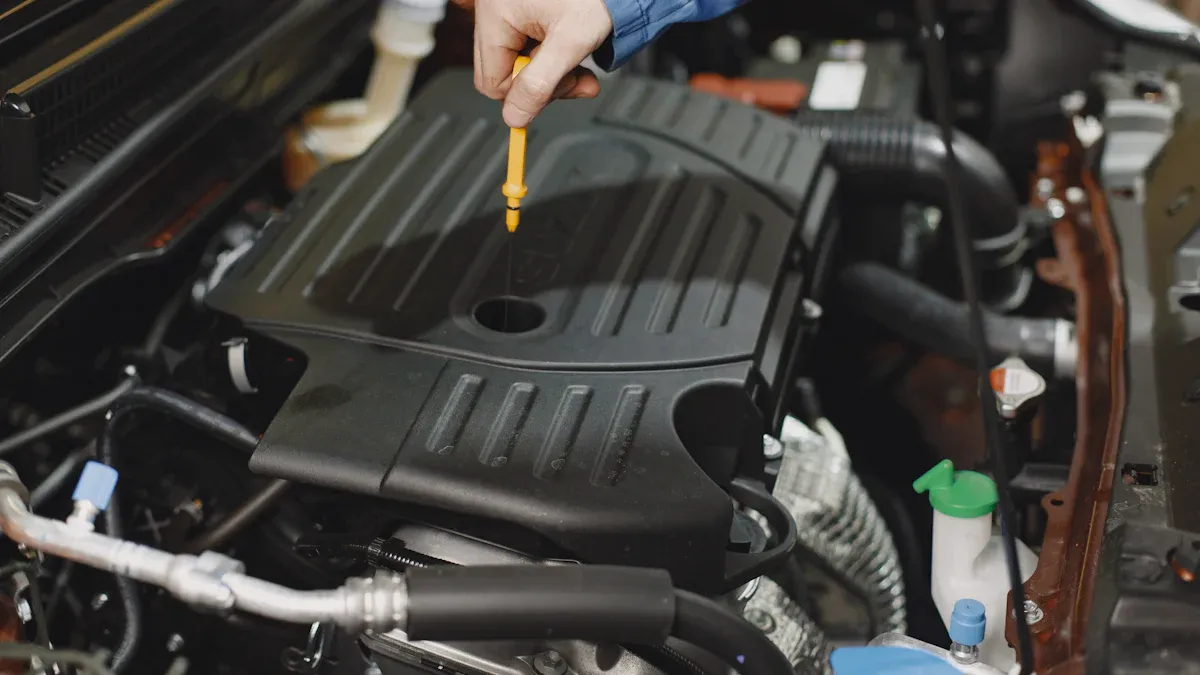
Regular car maintenance is vital for your safety and extends your car’s lifespan. You save money on costly repairs. Proactive car care, like routine car care, boosts your vehicle’s performance and fuel efficiency. It also increases resale value. Think of basic car maintenance as an investment, not a chore. Every dollar spent on regular maintenance saves you $3 to $9 on reactive, emergency repairs. This guide provides essential car maintenance tips and a comprehensive car maintenance checklist. This maintenance checklist covers your maintenance vehicle. You can master car maintenance with these tips.
Key Takeaways
Regular car maintenance keeps you safe and makes your car last longer.
Your car’s owner’s manual tells you when to do maintenance.
Check your tires, fluids, and lights often to prevent problems.
Pay attention to dashboard warning lights; they tell you about car issues.
Prepare your car for different seasons to keep it running well all year.
Your Car’s Maintenance Schedule
Owner’s Manual Importance
Your car’s owner’s manual is your best guide. It holds all the specific details for your particular vehicle. Think of it as a personalized car maintenance plan. You’ll find recommended service intervals and special care instructions there. Always check this manual first. It tells you exactly what your car needs.
Decoding Service Intervals
Your manual shows you when to get services done. These are your service intervals. Skipping these recommended services can cause big problems. For example, you might face increased repair costs. Small issues can become expensive engine damage if you miss oil changes. Your fuel efficiency will drop too. Dirty air filters or worn spark plugs make your engine work harder. This uses more gas. More importantly, skipping regular car maintenance can create safety risks. You could end up with a compromised braking system or even tire blowouts. Neglecting cooling systems can lead to engine failure. A simple maintenance checklist helps you stay on track.
Tracking Maintenance Records
Keeping good records is smart. You’ll find that keeping a maintenance checklist for your maintenance vehicle pays off. These records prove you’ve taken good care of your car. They support insurance claims if you have an accident. They also help with warranty claims. Manufacturers often require proof of regular service. Good records simplify repairs for mechanics. They can quickly diagnose issues. This saves you time and money. When you sell your vehicle, a complete service history boosts its value. It shows buyers your car has received proper check-ups. This comprehensive car maintenance approach ensures better performance and a longer life for your car.
Basic Car Maintenance: Tire Care
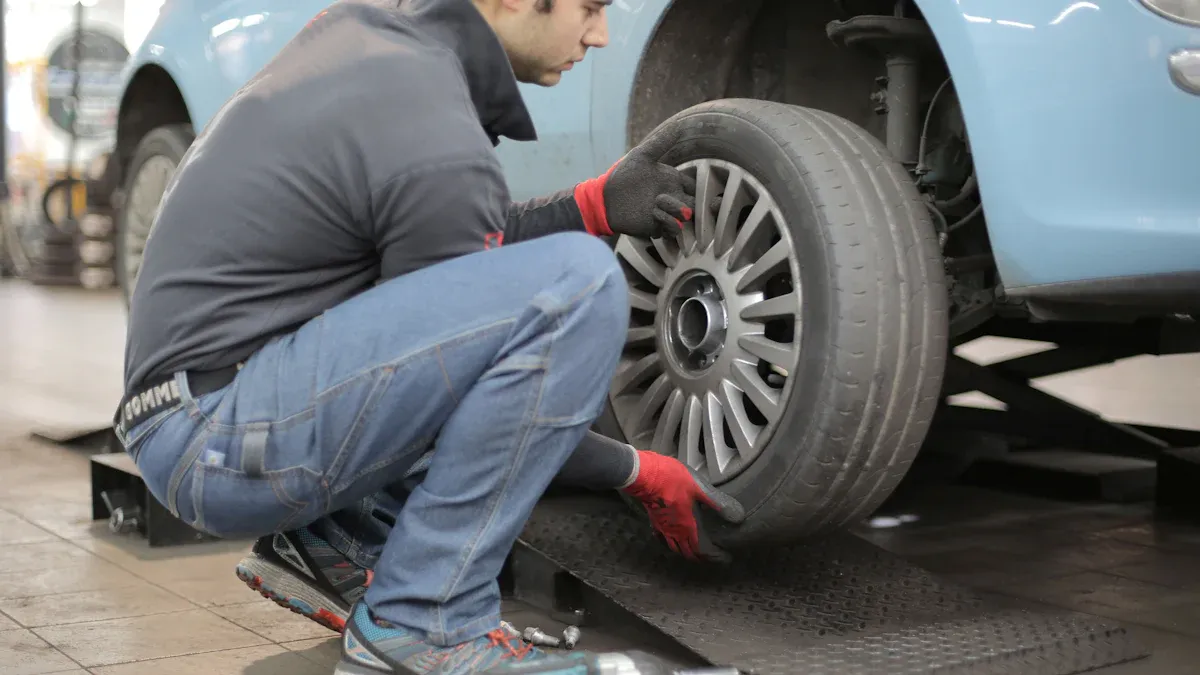
Taking care of your tires is a big part of car maintenance. It keeps you safe and helps your tires last longer.
Tire Pressure Checks
You should check tire pressure regularly. It’s super important for your safety and how your car performance. Most people should check tire pressure once a month. This helps you catch small drops before they become big problems. Always check your tires before and after long trips too. Tires can lose about 1 PSI of pressure each month, even with normal driving. Keeping them properly inflated helps your vehicle run smoothly.
Tire Rotation Benefits
You should also rotate tires regularly. This simple car maintenance task offers many benefits. Rotating your tires helps them wear evenly. This means your tires last longer because no single tire wears out faster than the others. Even wear also improves your fuel efficiency. It stops your car from pulling to one side, which reduces drag. You’ll also notice better handling and a safer ride. Evenly worn tires give you consistent grip, which is key for control, especially in bad weather. It also makes your driving more comfortable and reduces noise from uneven wear.
When to Replace Tires
Knowing when to replace your tires is crucial. You can check your tire’s tread depth. Most U.S. states require a minimum tread depth of 2/32 inches. However, some states like Idaho and California allow 1/32 inches. It’s always better to replace them before they reach the legal minimum for better safety.
Wheel Alignment and Balancing
Finally, pay attention to wheel alignment and balancing. These services keep your tires working correctly. If your steering wheel is off-center, or your car pulls to one side, you likely need an alignment. Uneven tire wear or vibrations in your steering wheel are also big signs. Getting these fixed improves your car’s performance and prevents further tire damage.
Essential Fluid Checks
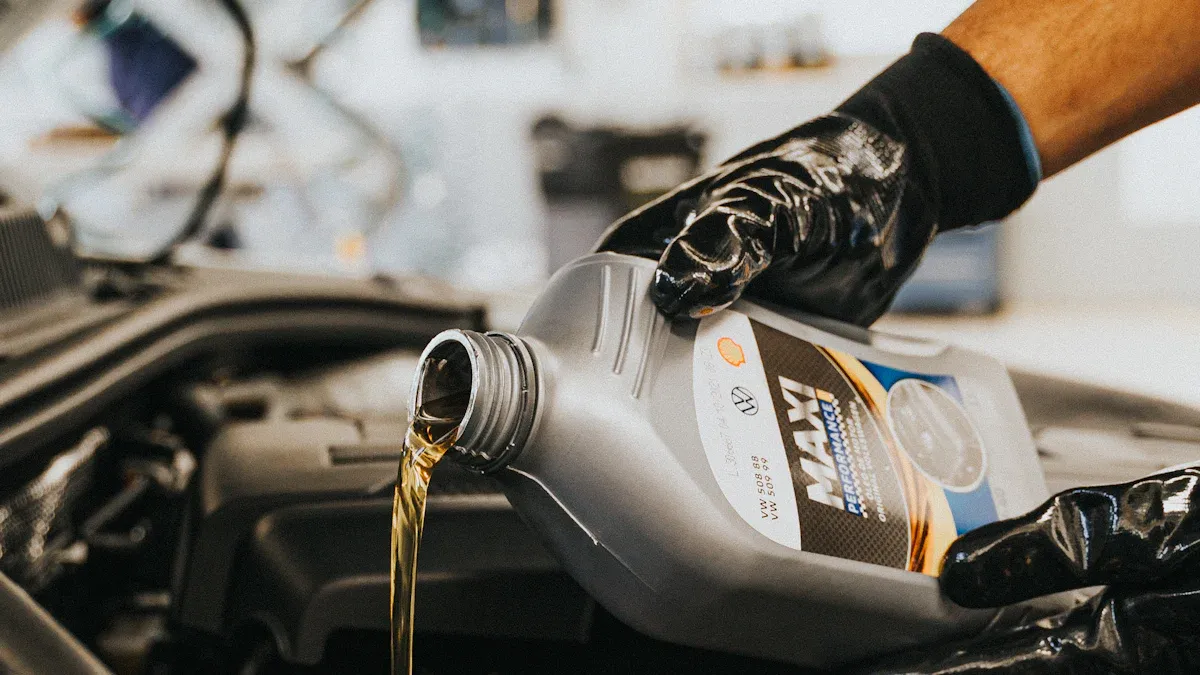
You should check your car’s fluid levels every month. Also, check them before any long trips. These simple car maintenance check-ups keep your maintenance vehicle running great. They help you spot problems early.
Engine Oil: Levels and Changes
Engine oil is your engine’s lifeblood. It lubricates moving parts and keeps them cool. Check your oil level with the dipstick. If it’s low, add more. Knowing when to get an oil change is key. Modern cars using synthetic oil can go 7,500 to 10,000 miles or more between an oil change. If you use conventional oil, plan for an oil change every 5,000 to 7,500 miles. Many new cars have smart systems that tell you when to change your oil based on how you drive. Always follow your owner’s manual for the best oil and oil change schedule.
Coolant System Health
Your coolant system stops your engine from getting too hot. It also keeps it from freezing. Watch for signs of low or bad coolant.
Your temperature gauge might rise.
You could see steam from under the hood.
Your car’s heater or AC might not work right.
You might smell a sweet odor, which means a leak.
Warning lights on your dashboard can also tell you.
Look for colored puddles under your car. These are signs of a leak.
Brake Fluid Inspection
Brake fluid is super important for stopping your car. It transfers the pressure from your foot to the brakes. Low brake fluid is dangerous.
Your braking performance will drop. You’ll need more pressure to stop.
Your car will take longer to stop, increasing accident risks.
In bad cases, your brakes could fail completely. This is a huge safety hazard. Always keep your brake fluid at the right level.
Transmission Fluid Care
Transmission fluid helps your gears shift smoothly. It also cools the transmission. You need to watch for signs of bad fluid.
Healthy fluid is bright red or pink. If it’s dark brown or black, it’s degraded.
A burnt smell means the fluid is too hot.
Your gears might slip, or shifting could feel rough.
You might hear grinding or humming noises when shifting. These all point to fluid problems.
Other Vital Fluids
Don’t forget other fluids! Your power steering fluid helps you steer easily. Your windshield washer fluid keeps your view clear. Check these regularly too. Keeping all your fluids topped off ensures your car’s overall performance and safety.
Under the Hood: Filters, Battery, Belts, and Hoses
You need to pay attention to what’s under your car’s hood. Several key parts there need regular inspection.
Air and Cabin Filters
You should look at your car’s filters. Your engine air filter keeps dirt out of your engine. A clean filter helps your engine breathe better. This improves your car’s performance. You should check your vehicle’s air filter every 12,000 to 15,000 miles. However, this schedule can vary based on driving conditions. Some environments require more frequent replacements. You might need to change it more often if you drive on dusty roads. Your cabin air filter cleans the air you breathe inside the car. Change it to keep your car smelling fresh and reduce allergens. Aim to check and replace both filters at least twice a year.
Battery Health and Connections
Your car’s battery is super important. It starts your engine and powers your electronics. You should regularly check its health. Make sure the connections are clean and tight. Loose or corroded terminals can stop your car from starting. Watch for these signs of a failing battery:
Weak Electrical Power: Headlights, radio, air conditioning, and power windows may operate sluggishly or appear dim.
Clicking Sound When You Turn the Key: A failing battery struggles to send sufficient electrical current to the starter solenoid, resulting in a clicking noise.
Slow Crank: The engine cranks more slowly or sluggishly than usual when starting the car.
Warning Light: A battery or charging system warning light illuminates on the dashboard.
Frequent Jumpstarts: The car requires jumpstarting more often than usual, indicating difficulty holding a charge.
Swollen Battery Case: The battery casing appears bulging or swollen, often due to excessive heat.
Heavy Corrosion: Fluffy blue buildup on battery terminals or a clear film across the top of the battery case suggests leaks or acidic fumes. These check-ups are simple but vital.
Inspecting Belts and Hoses
Belts and hoses keep many parts of your engine working. They move power and fluids. You should inspect them often. Look for any signs of wear. Drive belts can show visible cracks, fraying, missing ribs on the belt surface, or glazing on the ribbed side. Also, check for cracks, fraying, splits, brittle places, missing grooves (on a serpentine belt), separated layers (on a serpentine belt), a slick or glazed appearance, buildup of rubber deposits on pulleys, or worn spots on pulleys. Hoses can crack, bulge, or feel soft. Replacing worn belts and hoses is a key part of good car maintenance. This helps your maintenance vehicle run smoothly.
Brake System Car Maintenance
Your car’s brake system is a top safety feature. You rely on it every time you drive. Keeping your brakes in good shape is a crucial part of car maintenance. It ensures your safety and your car’s performance.
Recognizing Brake Warning Signs
You need to pay attention to what your brakes tell you. Strange noises are often the first sign of trouble.
High-Pitched Whine: This sound often means your brake components are worn out. It could also signal air in the brake system or worn brake pads and rotors.
Rattling or Clattering Noise: This suggests loose brake parts like calipers, brackets, or bolts. Clips and rubber bushings might also be degraded.
Whirring or Humming Noise: This can point to worn-out brake bearings or general brake component wear.
Grinding or Screeching Noise: This is a serious sign! It means your brake pads are severely worn. Metal wear indicators are likely rubbing against the rotor, or you have metal-to-metal contact.
Clicking or Clunking Sound: This often means loose or worn-out brake hardware, like caliper bolts or shims.
Brake Pad and Rotor Inspection
You should regularly check your brake pads and rotors. Look at your brake pads. Most manufacturers recommend you replace them when the lining thickness reaches 2mm. Some experts suggest changing them at 3mm. While pads can technically work at 1mm, waiting that long greatly increases the risk of grinding into the rotor. This can happen during a sudden stop or when going downhill. You don’t want that!
Professional Brake Service
When it comes to brakes, professional service offers many benefits. Certified technicians have the training to handle all sorts of brake issues. They can do everything from simple pad replacements to complex system diagnostics. Professional shops also use specialized equipment. This includes tools like rotor resurfacing machines and brake fluid flush systems. Technicians also perform comprehensive inspections. They check related systems like wheel bearings and suspension parts for hidden problems.
Professional brake service often comes with a warranty. This covers both parts and labor. For example, you might get a 24-month or 24,000-mile warranty. This gives you peace of mind. If something goes wrong, the shop fixes it. Doing DIY repairs means you pay for any mistakes or premature part failures yourself. Professional service guarantees your brakes work as they should, keeping you safe on the road.
Visibility and Safety Checks
You must see clearly when you drive. Your car’s visibility and safety features keep you safe. Regular check-ups on these parts are very important.
Wiper Blade Replacement
Your wiper blades clear your windshield. They help you see in rain or snow. You should replace them every six to twelve months. Look for streaks, chattering, or missed spots. These are signs you need new blades. Good wipers improve your driving safety.
Lighting System Functionality
Your car’s lights are crucial for seeing and being seen. Check all your lights regularly. This includes headlights, tail lights, brake lights, and turn signals. Make sure they all work. Improperly fitted headlights can cause distorted beams. This affects your visibility. It can also cause early bulb degradation. You should choose professional installations or follow manufacturer guidelines for proper fit. Differences in vehicle height can cause glare issues, even with compatible bulbs. Install and test headlights at night before driving on public roads. This helps you avoid being pulled over for glare.
Understanding Dashboard Lights
Your dashboard lights tell you about your car’s health. They are your car’s way of talking to you. You need to know what they mean.
Check Engine Light: This light means a sensor found an engine issue. It could be a minor spark plug fault or a major component failure. A mechanic should check it.
Low Tire Pressure: An exclamation point inside a half-circle means one or more tires have low pressure. Stop safely and add air.
Engine Oil Warning Light: A gravy boat symbol means a problem with engine oil pressure. This needs immediate inspection to prevent serious damage.
Coolant Temp Light: A thermometer symbol means your car is overheating. Stop, let the engine cool, and check the coolant level.
Brake System Warning Light: An exclamation mark in a circle means a brake problem. Driving with this light on is dangerous. Get professional help right away.
Practical Car Maintenance Tips: Seasonal Care
You need to prepare your car for different seasons. This ensures smooth operation all year. Good seasonal car care keeps your vehicle reliable.
Winter Car Preparation
Winter weather can be tough on your car. You should have your battery checked. AAA offers testing and replacement services. Examine your antifreeze levels. This mixture prevents engine overheating and freezing. Add a 50/50 solution of coolant and distilled water if levels are low. Test protection levels yearly. Apply hydrophobic repellent to your windshield. This makes ice scraping easier. Never pour hot water on icy windows; they can crack. Check your tire pressure more often in winter. PSI drops by 1 for every 10°F. Tires with less than 4/32” tread have less traction. Consider winter tires for extreme cold. They have a snowflake symbol on the sidewall. Have a professional inspect your brakes before winter. Rust from snow and salt can affect them. Prepare a winter emergency kit. Include items like sand, an ice scraper, jumper cables, and blankets.
Summer Car Readiness
Summer heat also demands specific attention. Check all your fluid levels. This includes oil, brakes, power steering, cooling system, and transmission. Consider changing your oil and filter. Test your brakes. Listen for squealing or grinding sounds. Examine your tires for uneven wear or low tread. Test your battery, especially if it is over two years old. Replace your wiper blades for summer downpours. Check hoses and belts for cracks. Test your air conditioning. Make sure it cools effectively within 5-10 minutes. Restock your emergency kit with water and first aid supplies. Your engine works harder in summer. The cooling system is vital to prevent overheating. Proper cooling system maintenance protects your engine.
General Seasonal Checks
Some check-ups are good for any season. Replace your windshield wipers annually. Consider winter blades for colder months. Periodically test your battery performance. Extreme temperatures affect it. Ensure it can start your car. Monitor your antifreeze levels in winter. This prevents engine damage. Regularly inspect your coolant system. Replace coolant every two years. This prevents overheating. Clean battery terminals before winter. Ensure tires have good tread and proper inflation. This is crucial for icy conditions. This consistent car maintenance helps your vehicle last longer.
You now see the benefits of regular car maintenance. It boosts your safety and makes your vehicle last longer. You save money over time and get more for your car when you sell it. Adopt a proactive approach to car care. Even basic checks make a big difference for your maintenance vehicle. Start using this maintenance checklist today. For complex services, always consult certified professionals. This comprehensive car maintenance plan, with its maintenance checklist, ensures your car’s best performance. Your maintenance checklist is a valuable tool. This comprehensive car maintenance guide helps you. Your maintenance checklist is essential.
FAQ
How often should you change your car’s oil?
You should change your car’s oil based on your owner’s manual. Modern cars with synthetic oil often go 7,500 to 10,000 miles. Conventional oil usually needs changing every 5,000 to 7,500 miles. Always check your manual for the best schedule. 🚗
Why is checking tire pressure so important?
Checking tire pressure is crucial for safety and performance. Proper inflation helps your tires last longer and improves fuel efficiency. It also gives you better handling and a safer ride. Low pressure can cause blowouts and poor control. 💨
What should you do if a dashboard warning light comes on?
If a dashboard warning light comes on, you should address it promptly. Some lights, like the “Check Engine” light, mean you need a mechanic. Others, like “Low Tire Pressure,” require immediate action. Always consult your owner’s manual to understand the specific warning. 🚨
How often should you inspect your car’s belts and hoses?
You should inspect your car’s belts and hoses regularly. Look for cracks, fraying, or bulges. These parts move power and fluids. Worn belts and hoses can cause breakdowns. Replacing them when needed keeps your car running smoothly. ✅



