

The best diesel engine oil for 2026 depends on your engine, climate, and emissions system. Many newer light-duty diesels call for low-viscosity oils like dexosD 0W-20 for clean cold starts and proper protection. Heavy-duty trucks often use CK-4 oils such as 15W-40 for strong wear control under load. Here are five top picks that can help you avoid poor cold flow, excess wear, and the wrong spec for your truck.
| ACDelco dexosD 0W-20 Diesel Motor Oil 6-Pack |

| OEM Diesel Oil | Viscosity: 0W-20 | Oil Type: Light-duty diesel motor oil | Package Size: 6 quarts | VIEW LATEST PRICE | Read Our Analysis |
| ACDelco 0W-20 Duramax Diesel Oil & Filter Kit |

| Best Duramax Kit | Viscosity: 0W-20 | Oil Type: Full synthetic diesel engine oil | Package Size: 7 quarts + 1 filter | VIEW LATEST PRICE | Read Our Analysis |
| ACDelco dexosD 0W-20 Duramax Diesel Oil Bundle |

| Alternate Filter Kit | Viscosity: 0W-20 | Oil Type: Full synthetic diesel engine oil | Package Size: 7 quarts + 1 filter | VIEW LATEST PRICE | Read Our Analysis |
| Shell Rotella T4 Triple Protection 15W-40 Diesel Engine Oil 2.5 Gallon |
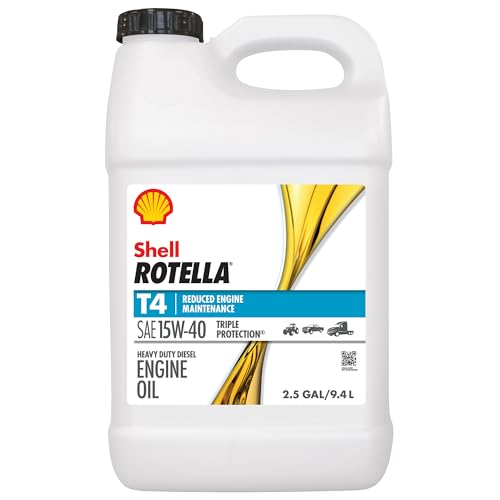
| Heavy-Duty Pick | Viscosity: 15W-40 | Oil Type: Diesel engine oil | Package Size: 2.5 gallons | VIEW LATEST PRICE | Read Our Analysis |
| Royal Purple 04154 15W40 Oil 1 Gallon (128 Ounces) |
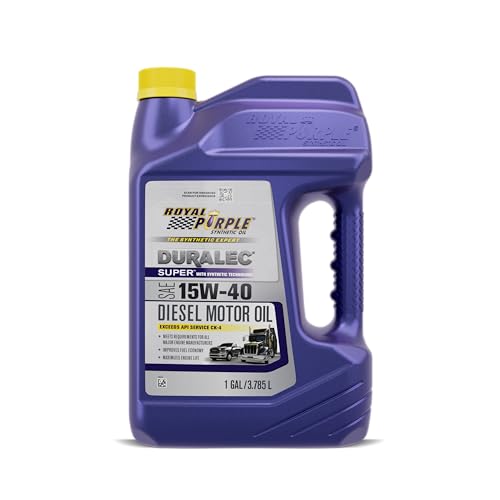
| Performance Blend | Viscosity: 15W-40 | Oil Type: Synthetic blend oil | Package Size: 1 gallon | VIEW LATEST PRICE | Read Our Analysis |
More Details on Our Top Picks
ACDelco dexosD 0W-20 Diesel Motor Oil 6-Pack
Provided that you want OEM diesel oil, this ACDelco dexosD 0W-20 pack fits GM light-duty diesels especially well. You get six 1-quart bottles, so topping off or completing a 6-quart fill stays simple, clean, and garage-floor friendly.
It’s built to GM’s dexosD spec for vehicle-specific Chevrolet, Buick, GMC, and Cadillac applications. Expect:
- 0W-20 low-viscosity flow for cold starts
- protection against wear, sludge, and deposits
- strong performance in hot and cold temperatures
You’ll also get OE-backed pedigree, with part number 19370138 and model 10-9277. No warranty is listed, which isn’t romantic, but at least it’s honest. Check your owner’s manual initially.
- Viscosity:0W-20
- Oil Type:Light-duty diesel motor oil
- Package Size:6 quarts
- Container:Bottle
- Engine Compatibility:GM light-duty diesel vehicles
- Protection Benefits:Wear, sludge, deposit protection
- Additional Feature:GM Original Equipment
- Additional Feature:dexosD approved formula
- Additional Feature:Vehicle specific fit
ACDelco 0W-20 Duramax Diesel Oil & Filter Kit
Should you drive a GM 3.0L Duramax, this kit is a top pick for an easy, correct oil change. You get 7 quarts of ACDelco dexosD SAE 0W-20 full synthetic oil, part 10-9277 or 19370138, plus the PF66A filter, part 19458926. That’s 224 fluid ounces total, packed for LM2 and LZ0 engines.
It fits:
- 2020 to 2026 Silverado 1500 and Sierra 1500
- 2021 to 2026 Tahoe, Suburban, Yukon, Yukon XL, Escalade, and ESV
And it’s vehicle-specific, so fitment stays simple. The oil fights wear, sludge, deposits, and oxidation, while the OEM-quality filter keeps oil flowing properly. Check your manual initially.
- Viscosity:0W-20
- Oil Type:Full synthetic diesel engine oil
- Package Size:7 quarts + 1 filter
- Container:Quart bottles + filter kit
- Engine Compatibility:GM 3.0L Duramax LM2/LZ0
- Protection Benefits:Wear, sludge, deposit, oxidation protection
- Additional Feature:Includes PF66A filter
- Additional Feature:Complete oil change kit
- Additional Feature:LM2/LZ0 Duramax fit
ACDelco dexosD 0W-20 Duramax Diesel Oil Bundle
ACDelco’s alternate filter kit fits your 3.0L Duramax and makes routine oil changes pleasantly straightforward. You get 8 pieces total:
- Seven quarts of ACDelco dexosD SAE 0W-20 full synthetic oil, part 10-9277/19370138
- One Wix WL10351 filter
That 224-fluid-ounce bundle suits GM’s LM2 and LZ0 3.0L diesels in Silverado and Sierra 1500s, plus Tahoe, Suburban, Yukon, Yukon XL, and Escalade models within the listed 2020 to 2026 range. You’re getting dexosD-approved protection against wear, sludge, deposits, and oxidation. And the Wix filter helps maintain consistent flow while trapping contaminants, because dirty oil belongs nowhere near your Duramax.
- Viscosity:0W-20
- Oil Type:Full synthetic diesel engine oil
- Package Size:7 quarts + 1 filter
- Container:Bottle bundle + filter
- Engine Compatibility:GM 3.0L Duramax LM2/LZ0
- Protection Benefits:Wear, sludge, deposit, oxidation control
- Additional Feature:Includes Wix WL10351
- Additional Feature:SAE J300 compliant
- Additional Feature:8-piece maintenance bundle
Shell Rotella T4 Triple Protection 15W-40 Diesel Engine Oil 2.5 Gallon
Should you run hard-working diesel equipment, this heavy-duty pick gives you broad protection without overcomplicating maintenance.
Shell Rotella T4 Triple Protection 15W-40, in a 2.5-gallon jug, helps you cover the essentials:
- wear protection
- deposit control
- resistance to oil breakdown
You get Triple Protection technology, advanced additives, and synthetic base oil working together. That means improved shear stability, which helps the oil hold its viscosity instead of thinning out as your engine works overtime. And that supports better oil pressure too.
If you run EGR-equipped or diesel particulate filter engines, you’re covered. It keeps engines cleaner through the drain interval and helps maximize efficiency, because sludge is a terrible roommate.
- Viscosity:15W-40
- Oil Type:Diesel engine oil
- Package Size:2.5 gallons
- Container:2.5-gallon container
- Engine Compatibility:Heavy-duty diesel engines
- Protection Benefits:Wear, deposits, oil breakdown protection
- Additional Feature:Triple Protection technology
- Additional Feature:Enhanced shear stability
- Additional Feature:Optimal oil pressure
Royal Purple 04154 15W40 Oil 1 Gallon (128 Ounces)
Royal Purple’s performance blend 15W-40 fits you well provided you want one oil for mixed gasoline and diesel use. You get a synthetic blend with proprietary additives, API SN licensing, and support for ILSAC GF-5 and Dexos1 performance requirements, so compatibility usually won’t cause drama.
Why choose it?
- Better wear and corrosion protection
- Improved fuel efficiency
- Added catalytic system protection
This 1-gallon bottle gives you 128 fluid ounces, or 4 quarts, in a manageable 7.67-pound package. And in case you’re switching from mineral or synthetic oil, you don’t need special procedures. Just wait until the initial scheduled oil change on a new gasoline engine. Sensible, right?
- Viscosity:15W-40
- Oil Type:Synthetic blend oil
- Package Size:1 gallon
- Container:Bottle
- Engine Compatibility:Gasoline and diesel engines
- Protection Benefits:Wear, corrosion, catalytic system protection
- Additional Feature:Synthetic blend formula
- Additional Feature:API SN licensed
- Additional Feature:Ethanol-fuel compatible
Factors to Consider When Choosing Engine Diesel Oil
At the point I choose engine diesel oil, I start with the big five: viscosity grade, an OEM specification match, engine compatibility, synthetic vs conventional base oil, and climate performance. I want you to check the label for the exact specs your engine calls for, because a 15W-40 versus 5W-40 choice affects cold starts, heat protection, and fuel economy more than the bottle’s marketing ever will. And once I line up those basics, it’s much easier to narrow the field without turning an oil change into a part-time job.
Viscosity Grade
Although viscosity grades can look like alphabet soup at initially, I read them as a quick map of how a diesel oil will behave in the cold and at full operating temperature: the number before the W tells me how easily the oil flows during cold starts, while the second number tells me how thick a protective film it maintains around 100°C.
I always stick with the SAE grade my engine calls for, because oil pressure and hydrodynamic lubrication depend on it.
Here’s how I view it:
- 0W-20 or 5W-30 helps in cold climates, short trips, and fuel economy.
- 10W-40 or 15W-40 suits hotter conditions, towing, and sustained heavy loads.
Multigrade oils use viscosity index improvers, so they resist thinning under heat. But I still make sure that second number matches my engine’s required hot-viscosity target exactly.
OEM Specification Match
Because the label can look reassuring while still being wrong for your engine, I always start matching the oil to the exact OEM specification listed in the owner’s manual or service bulletin, not just to a broad API or ACEA category.
Here’s my quick checklist:
- Confirm the exact spec number, including region or engine annotations.
- Match the OEM viscosity grade, like 0W-20 or 15W-40.
- Check required approvals for DPF, EGR, and SCR systems.
- Make sure the oil claims the OEM’s wear, oxidation, sludge, and shear standards.
That spec is your shortcut to meeting material, emissions, and warranty requirements without guessing. And yes, generic ratings help, but they’re not the whole story. In case I’m unsure, I follow the manual or bulletin, because oil labels sometimes oversell confidence.
Engine Compatibility
Even though two diesel oils look similar on the shelf, I don’t treat them as interchangeable, since engine compatibility depends on a few non-negotiables that affect wear, emissions hardware, and long drain performance.
I always check five things:
- The exact OEM spec. Should the label miss it, I move on. Wrong spec can cut protection and even risk warranty coverage.
- Viscosity grade, like 0W-20 or 15W-40, matched to startup temperatures and operating heat.
- Diesel-specific needs, including soot control, turbo protection, piston cleanliness, and low-SAPS chemistry or dexosD-level performance.
- Engine age and duty cycle. High-mileage, turbocharged, and heavy-duty setups usually need stronger anti-wear, dispersant, and oxidation control.
- Emissions device compatibility, especially DOC, DPF, and SCR systems. Ash, phosphorus, and sulfur matter more than most labels admit!
Synthetic Vs Conventional
Once I’ve confirmed an oil actually matches my engine’s specs, I look at the next big fork in the road: synthetic vs conventional. Here’s how I break it down for you.
- Synthetic oil gives me:
- Better viscosity stability under heat and shear
- Stronger film strength at high rpm and heavy loads
- Less oxidation, sludge, and deposits
- Longer drain intervals, often by measurable percentages
- Conventional oil still makes sense whenever:
- I’m coping with low-mileage, light-duty use
- An older engine burns enough oil that premium fill gets pricey fast
Yes, synthetic costs more per quart. But I also factor in slightly better fuel economy, sometimes a few percent, plus better long-term wear protection. For many modern diesels, that math works. Cheap oil can get expensive.
Climate Performance
While viscosity numbers can look like alphabet soup at outset, I treat climate performance as one of the most practical filters in diesel oil selection, since the right grade has to flow fast on a bitter-cold startup and still hold a strong protective film once the engine is fully hot, working hard, or towing uphill in July.
I focus on three checks:
- Match the winter rating, like 0W-20 or 5W-30, to local cold starts.
- In deep freeze country, look for low pour points and strong CCS numbers so the starter doesn’t act dramatic at dawn.
- Confirm HTHS viscosity, SAE grade, and approvals for oxidation and thermal stability.
And should your seasons swing wildly, I lean toward a lower winter number or full synthetic oil, because it keeps viscosity steadier across broader temperatures.
Wear And Deposit Protection
Temperature gets the oil moving, but wear and deposit protection decide how well it keeps an engine alive once the work starts. I look initially for current diesel specs, like API CK-4, FA-4, or dexosD-equivalent, because those formulas pack modern additives that fight scuffing and keep deposits in check.
I’d focus on:
- Adequate HTHS viscosity, typically 3.5 mPa·s or higher in heavier grades, so the oil film stays intact under load.
- Strong detergents and dispersants, which hold soot and combustion leftovers in suspension instead of baking them into sludge and varnish.
- ZDDP and similar anti-wear chemistry to protect cam lobes, lifters, and turbo bearings, especially at cold start.
And don’t ignore oxidation stability. Better base number retention means less thickening, fewer deposits, and happier internals.
Oil Change Requirements
Usually, I treat oil change requirements as the part that keeps a great diesel oil choice from turning into an expensive mistake, because even the best formula can’t protect much whether it stays in service too long or the wrong amount goes back in.
I follow the manual foremost. Stick to the maker’s interval in miles or months, especially for warranty coverage and modern diesel calibration needs.
But I shorten intervals for severe service:
- short trips
- heavy towing
- dusty roads
- long idling
I also replace the oil filter every single change, no exceptions, because filtration, oil flow, and pressure all depend on it.
And I always:
- use the specified viscosity and approval
- refill to exact capacity
- check level and appearance between changes
Milky oil, glittery particles, or rapid dark contamination mean change it sooner.
Frequently Asked Questions
How Should Diesel Oil Be Stored for Long-Term Shelf Life?
I store diesel oil sealed tightly in its original container, upright in a cool, dry, dark place. I keep it away from temperature swings, moisture, and contaminants, and I check dates and container condition regularly.
Can Switching Oil Brands Affect Engine Warranty Coverage?
✅ Usually no—I’d tell you switching oil brands won’t void warranty coverage provided you use the manufacturer-required specifications and viscosity. I suggest keeping receipts and service records, because I believe documentation visually proves your compliance in case questions arise.
How Do Climate and Altitude Impact Diesel Oil Performance?
Climate and altitude change viscosity, cold starts, oxidation, and soot control. I’d choose lower-viscosity oil for cold weather, stronger high-temperature protection for heat, and monitor turbo stress and evaporation more carefully at high elevations.
What Are the Environmental Disposal Guidelines for Used Diesel Oil?
I dispose of used diesel oil via taking it to approved recycling centers or auto shops; I never dump it. You should store it in sealed containers, avoid contamination, and follow local hazardous-waste regulations.
How Can Counterfeit Diesel Oil Products Be Identified?
Nearly 10% of lubricants globally might be counterfeit. I identify fake diesel oil through checking tamper seals, label quality, batch codes, certification marks, seller reputation, and suspiciously low prices. I also compare color and packaging.
