

Engine compression is simply how well your car’s engine cylinders seal. This sealing action is crucial for your engine to produce maximum power. When you have low engine compression, your engine power reduced. You will experience significant engine performance problems. This low engine compression often triggers a reduced engine power warning. It is a clear warning sign. We will discuss 11 common low compression causes. These issues act as vital warnings. They impact your engine’s overall performance. Pay attention to these warnings for your car’s engine health. Proper compression ensures good engine performance. Maintaining good compression is key.
Engine Compression
Engine Compression Basics
Your car’s engine relies on a fundamental process called compression. This process is vital for an internal combustion engine to create power. Understanding the basics helps you recognize potential low compression causes. During the compression stroke, both valves in a cylinder close. The piston then moves upwards. This upward movement shrinks the space in the combustion chamber. It reaches its smallest point when the piston is at the top. The piston pushes on the air or the air-fuel mixture. This action increases its pressure, temperature, and density. In gasoline engines, the piston compresses a mix of air and gasoline. This happens as it moves from the bottom to the top. This results in maximum fuel compression. Higher compression ratios make your engine more efficient.
Impact on Engine Power
Good compression directly leads to more engine power. It is the expansion of gases, not just the compression, that generates power. A higher compression ratio allows these expanding gases to push the piston with more force. They can also push it for a longer time. This means your engine produces more power. The amount of air and fuel trapped in the combustion chamber directly affects power. Increasing static compression can boost power by 2 to 4 percent for each point gained. For example, changing cylinder heads to get a smaller combustion chamber on an engine can add significant horsepower. If your engine has low engine compression, you will notice an engine power reduced. This leads to engine performance problems. You might even see a reduced engine power warning light. This is a clear warning sign that your car’s performance is suffering. Ignoring this warning can lead to more serious issues. Pay attention to any warning signs your engine gives you. This early warning can save you from bigger repairs.
Top 11 Low Compression Causes
Understanding the specific issues that lead to low compression helps you identify potential problems early. These are the common low compression causes that can significantly impact your engine’s health and performance.
Worn Piston Rings
Your engine’s piston rings create a seal between the piston and the cylinder wall. This seal is vital for containing the pressure during the compression and combustion strokes. When these piston rings wear out, they can no longer seal the combustion chamber effectively. This allows compressed air and fuel to escape past the piston, leading to a significant loss of compression. You will notice a direct reduction in engine power. Beyond just compression loss, worn piston rings often show other clear signs. You might see excessive exhaust smoke, experience high oil consumption, or hear engine knocking noises. These are all warnings that your engine needs attention.
Damaged Cylinder Walls
The cylinder walls provide the surface against which the piston rings seal. If these walls become scratched, scored, or otherwise damaged, the piston rings cannot form a tight seal. This damage creates pathways for gases to escape, resulting in a compression leak. When compression leaks, your engine cannot generate the necessary pressure for efficient combustion. This directly translates to a loss of power and overall engine performance problems.
Burnt or Bent Valves
Valves control the flow of air and fuel into the cylinder and exhaust gases out of it. They must seal perfectly against their seats during the compression and combustion strokes. If a valve is burnt or bent, it cannot close completely. This creates a gap, allowing precious compression to escape from the combustion chamber. This directly reduces the power your engine can produce. Several factors can cause valves to burn or bend. Burnt valves often result from combustion gases escaping past the valve at a single point, defective valve clearance, or faulty valve sealing due to carbon buildup. High heat and inadequate cylinder head cooling also contribute. Bent valves commonly occur when valves hit the pistons. This often happens due to operator neglect, like operating at a lower gear at high speeds, or a disruption in the timing belt or chain, which causes pistons and valves to collide.
Worn Valve Seats
Valve seats are the surfaces in the cylinder head where the valves rest when closed. They form a critical seal. When valve seats wear down, they prevent the valve from seating properly. This allows combustion gases to escape between the valve and the seat. This gas leakage increases heat in the valve, seat, and cylinder head, leading to overheating. Loose valve guides can also cause the valve to wobble, damaging the valve seat. This creates an oval seat trying to seal a round valve, which compromises the seal and reduces power. When valve guides and seals leak, oil can build up on the valve. This prevents it from seating correctly or creates a gap. This leads to compression issues, poor combustion, and a decrease in engine power and performance.
Blown Head Gasket
The head gasket seals the combustion chambers and prevents coolant and oil from mixing. A blown head gasket is a serious issue. It allows combustion gases to escape from the cylinder, leading to a significant compression leak. This can happen between cylinders, causing compression loss in multiple cylinders. It can also allow coolant to enter the combustion chamber, which further compromises compression and can cause severe engine problems. You might see white smoke from the exhaust or notice coolant disappearing. This is a clear warning sign of a major problem.
Cracked Cylinder Head
The cylinder head forms the top of the combustion chamber. It must be perfectly sealed to maintain compression. A crack in the cylinder head creates a pathway for compressed gases to escape. This directly leads to a loss of compression and a noticeable reduction in engine power. Engine overheating is the most common cause of a cracked cylinder head. This often comes from coolant leaks, a faulty thermostat, or a failing water pump. The extreme heat makes the metal expand beyond its limits, causing cracks. Rapid temperature changes, like pouring cold coolant into an overheated engine, can also cause thermal stress and cracking. Manufacturing defects or abnormal combustion events like detonation can also lead to cracks.
Timing Belt or Chain Issues
Your engine’s timing belt or chain synchronizes the rotation of the crankshaft and camshaft. This ensures the valves open and close at the correct time relative to the piston’s movement. If the timing belt or chain stretches, slips, or breaks, the valve timing becomes incorrect. Valves might open too early or too late, or even stay open during the compression stroke. This prevents the cylinder from sealing properly, leading to a significant loss of compression. Incorrect timing directly impacts engine performance and can even cause severe internal engine damage if valves collide with pistons.
Worn Camshaft Lobes
The camshaft lobes push on the lifters, which then open the valves. The shape of these lobes dictates how much and how long the valves open. If the camshaft lobes wear down, they cannot push the valves open sufficiently or for the correct duration. A ‘wiped’ cam lobe, a form of wear, increases valve lash. This increased lash causes the rocker arm to strike the valve, producing a ticking sound. This condition directly impacts valve lift because the effective distance the valve opens reduces due to excessive clearance. This improper valve action means the cylinder cannot draw in enough air or expel exhaust gases efficiently. It also affects how well the valves seal during compression, leading to reduced engine power.
Stuck Lifters
Lifters transfer the motion from the camshaft to the valves. Hydraulic lifters use oil pressure to maintain zero clearance in the valve train. If a lifter gets stuck, it can prevent the valve from closing completely. A collapsed lifter creates slack in the valve train, which can lead to a sticking or bent valve, impacting valve closure. Contaminated oil or normal wear can restrict oil flow due to minute particles, preventing proper lifter function and causing slack. Condensation in the crankcase can also cause internal galling of hydraulic lifters. Poor lubrication, dirty oil clogging the lifters, or excessive idling leading to a drop in oil pressure can all cause lifter failure. When a valve cannot fully close, compression escapes, and you experience a loss of power and engine performance problems.
Carbon Buildup on Valves
Over time, carbon deposits can accumulate on the intake and exhaust valves, especially on the valve stems and faces. This carbon buildup prevents the valves from seating properly against their valve seats. Carbon buildup on the valve stem can prevent the valve from closing completely. When carbon on the stem is cold and hard, it can inhibit the proper opening and closing of the valves. If the engine shuts off with an open valve, gunk might settle on the valve seat next to gooey face buildup, leading to a leaky valve until dislodged. Severe carbon buildup can even prevent the valve from moving at all. This creates a gap, allowing compression to escape from the combustion chamber. This reduces engine power and can trigger a reduced engine power warning.
Improper Valve Lash
Valve lash is the small gap between the valve stem tip and the rocker arm. This gap is crucial for proper valve operation. Improper valve lash, also called ‘out of spec’ valve lash, means this gap is either too tight or too loose. If the valve lash is too tight, the valve may not close completely. This allows compression to leak out. A valve lash that is too tight can prevent the valve from closing completely, causing hard starting, rough running, and potential damage to engine components due to high-temperature gases. Conversely, if the valve lash is too loose, the valve may not open enough, or it may open late. This affects the engine’s ability to breathe and can also lead to incomplete valve closure. A loose valve lash can result in noise and prevent the valve from opening sufficiently, thereby reducing engine performance and efficiency. Both conditions lead to a loss of compression and reduced engine power warning. This is a clear warning that your car’s engine performance is suffering.
Symptoms of Low Engine Compression
When your engine has low compression, it sends out clear signals. Recognizing these symptoms early helps you address the problem before it worsens. These warnings indicate your engine is not performing as it should.
Reduced Engine Power
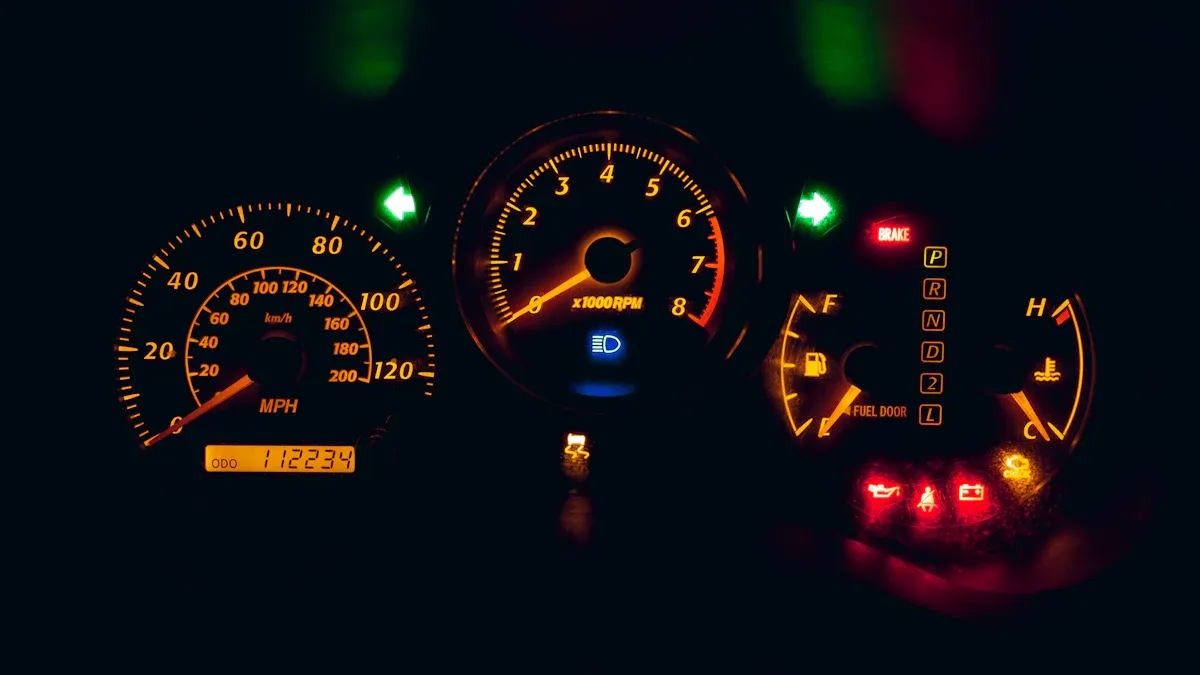
You will definitely notice a significant drop in your car’s acceleration and overall power. Your engine struggles to produce its usual output. This happens because the engine cannot properly compress the air-fuel mixture. Less compression means less force pushing the pistons during combustion. This directly translates to less power getting to your wheels. You might find your car struggles to climb hills or accelerate quickly. This is a direct sign of an engine power reduced state. You may even see a reduced engine power warning light on your dashboard. This warning tells you something is wrong with your engine’s ability to generate power.
Rough Idling
Your engine might feel shaky or vibrate excessively when it is idling. This is known as rough idling. Low engine compression causes this because the air-fuel mixture cannot compress enough for efficient combustion. This inefficiency leads to a loss of power and performance. You will experience misfires and a noticeable rough idle. Mechanical issues like worn piston rings or leaking valves directly contribute to these misfires and rough idling. These problems prevent proper compression of the air-fuel mixture. This hinders efficient combustion and leads to clear performance issues.
Increased Oil Consumption
If you find yourself adding oil more frequently than usual, low compression could be the culprit. Worn piston rings or damaged cylinder walls often cause this. When these parts are compromised, oil can seep past them into the combustion chamber. The engine then burns this oil along with the fuel. This leads to higher oil consumption. You might also notice blue smoke coming from your exhaust. This is another warning sign of burning oil.
Excessive Exhaust Smoke
The color of your exhaust smoke can tell you a lot about your engine’s health.
Blue smoke usually indicates that your engine is burning oil. This often points to worn piston rings or valve seals.
White smoke (especially thick, persistent white smoke) can signal that coolant is entering the combustion chamber. This is a common symptom of a blown head gasket or a cracked cylinder head.
Black smoke typically means your engine is burning too much fuel or not enough air. While not always a direct sign of low compression, it can sometimes accompany other issues that affect combustion efficiency.
Difficulty Starting
Your car might crank for a long time before starting, or it might not start at all. Engine compression creates the pressure needed within the cylinders to ignite the fuel-air mixture. Inadequate compression prevents the engine from burning fuel effectively. This leads to reduced performance and makes starting difficult. If your engine struggles to turn over, it is a clear warning that it lacks the necessary compression to initiate combustion.
Poor Fuel Economy
When your engine cannot compress the air-fuel mixture efficiently, it wastes fuel. The combustion process becomes less effective. This means your engine needs more fuel to produce the same amount of power. You will notice that you are filling up your gas tank more often. This is a direct result of the engine working harder and less efficiently due to low compression. Your overall engine performance suffers, leading to higher fuel costs.
Engine Misfires
An engine misfire occurs when one or more cylinders fail to ignite the air-fuel mixture properly. Low compression is a major cause of misfires. If a cylinder cannot build enough pressure, the spark plug cannot effectively ignite the mixture. This leads to incomplete combustion or no combustion at all in that cylinder. You might feel a jolt or stumble from the engine. The check engine light will likely illuminate, and it might even flash. This flashing check engine light is a serious warning. It indicates a severe misfire that could damage your catalytic converter.
Diagnosing Compression Issues
You need to accurately diagnose low engine compression. Two main tests help you find the problem. These tests give you important warnings about your engine’s health.
The Compression Test
The compression test measures the pressure each cylinder can build. It tells you if a cylinder has a problem. This test is a good first step to understand your engine’s performance.
To perform a compression test, you first disable the fuel and ignition systems. This prevents the engine from starting or flooding. Next, you select the correct threaded end from your compression test kit. You then thread this end into a spark plug hole. Hand-tighten it until it is snug. Now, crank the engine using the starter. Crank it about 3 to 5 times, or until the gauge stabilizes. Record the final reading. This gauge holds the highest pressure. Release the pressure using the button on the gauge. Repeat this process for all cylinders. A fully charged battery is essential for accurate results. Inconsistent cranking can give you false low readings. All cylinder readings should be within 10% to 20% of each other. Readings below 100 PSI often point to issues like leaking piston rings. Low readings in adjacent cylinders might suggest a bad head gasket. This test gives you a good initial warning about your engine’s health and overall engine performance.
The Leak-Down Test
The leak-down test is another powerful diagnostic tool. It helps you pinpoint the exact source of compression loss. This test pressurizes each cylinder with air. You then listen for where the air escapes.
First, warm the engine to its operating temperature. Remove all spark plugs. Bring the cylinder you want to test to Top Dead Center (TDC) on its compression stroke. You can use timing marks for this. Make sure the engine cannot spin. Put your car in gear and set the parking brake. Thread the leak-down tester hose into the spark plug hole. Connect the gauge to a compressed air source, around 100 psi. Zero the gauge. Then, connect the zeroed gauge to the hose in the spark plug hole. Observe the gauge reading. This tells you the leakage percentage. Listen carefully for air leaks at different engine points. This helps you understand your engine’s performance.
If you hear air in the intake manifold, you have a bad intake valve.
Air in the exhaust system points to a faulty exhaust valve.
Air coming from the oil filler cap or dipstick tube suggests worn piston rings.
Bubbles in the coolant reservoir indicate a cracked cylinder head or blown head gasket.
This test provides a clear warning about specific component failures. It helps you understand why your engine power reduced. It helps avoid a reduced engine power warning from appearing again. If you ignore these warnings, you might see your check engine light come on. A flashing check engine light means serious performance issues. This detailed performance check helps you fix the problem directly.
Proper engine compression is vital for your car’s overall performance and longevity. You must recognize the 11 power loss warnings and their symptoms. Addressing low compression issues promptly prevents further damage. Neglecting these warnings can lead to your vehicle failing emissions tests. Your car might become a ‘money pit’ with continuous repairs. Eventually, your engine might not even start due to very low compression. This also damages critical engine components. Seek professional diagnosis and repair if you suspect low engine compression. This protects your engine’s performance and helps avoid a reduced engine power warning.
FAQ
What is the main sign of low engine compression?
You will notice a significant loss of power. Your car struggles to accelerate. It feels sluggish. This happens because the engine cannot create enough pressure for strong combustion.
Can I drive with low engine compression?
No, you should not drive with low compression for long. It can cause more damage. It also reduces fuel efficiency. Get it checked by a mechanic quickly.
How much does it cost to repair low engine compression?
Repair costs vary greatly. It depends on the cause. A simple gasket fix costs less. Major engine repairs, like new piston rings, cost much more. Get a diagnosis first.
Why would only one cylinder have low compression?
Low compression in one cylinder often points to a specific issue. It could be a burnt valve. A damaged piston ring in that cylinder is another cause. A localized head gasket leak also causes it.



