You must recognize early warning signs of car overheating. Ignoring these critical red flags leads to severe engine damage. An estimated 50% of all engine failures link directly to cooling system problems. This means overheating causes many issues. Repair costs are high. For example, a blown head gasket costs $1,000 to $2,000. An engine rebuild can exceed $3,000. You need to understand these symptoms. This critical warning protects your car from costly repairs and catastrophic engine failure. Pay attention to these critical red flags and other important signs.
Key Takeaways
Watch for visual signs like a rising temperature gauge, steam from the hood, or coolant puddles under your car. These mean your car is getting too hot.
Pay attention to smells like a sweet odor or burning smells. Also, if your heater blows cold air, your engine might be overheating.
Listen for changes in your car’s performance. This includes less power, knocking sounds, rough idling, or stalling. These are serious signs of engine trouble.
If your car overheats, pull over safely and turn off the engine. Let it cool down completely before you do anything else. Do not drive an overheating car.
Visual Critical Red Flags

You must recognize these visual critical red flags. They demand your immediate attention. Recognizing these visual symptoms helps you act quickly. This prevents severe damage to your car.
Rising Temperature Gauge
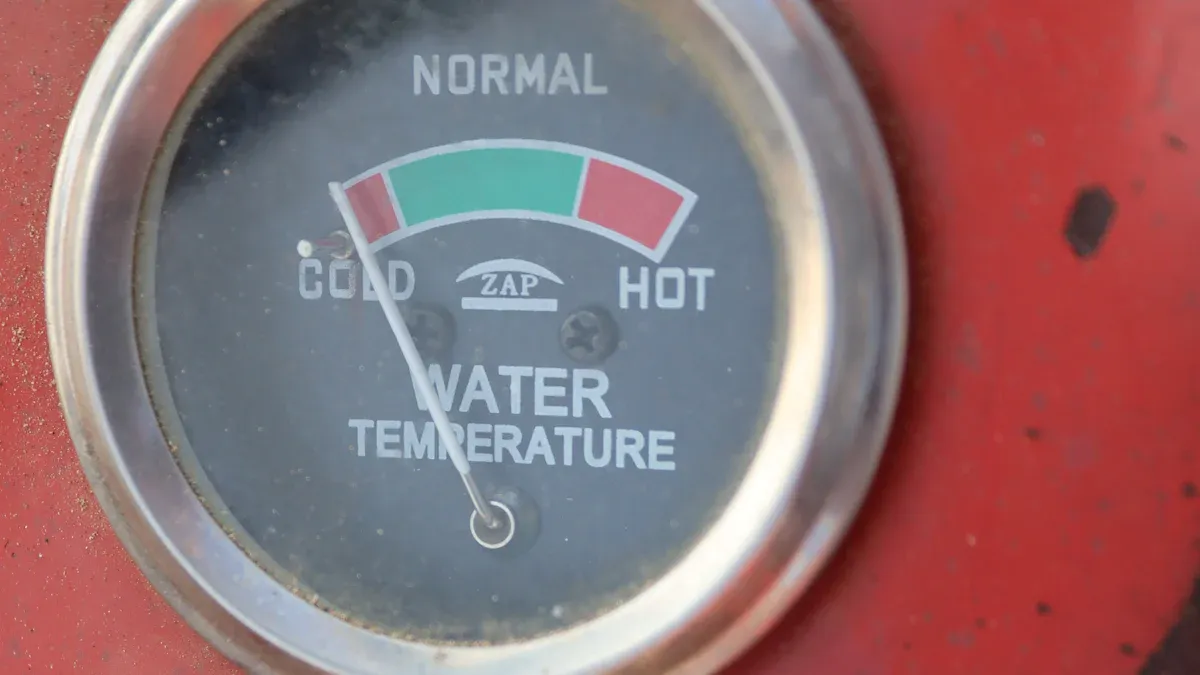
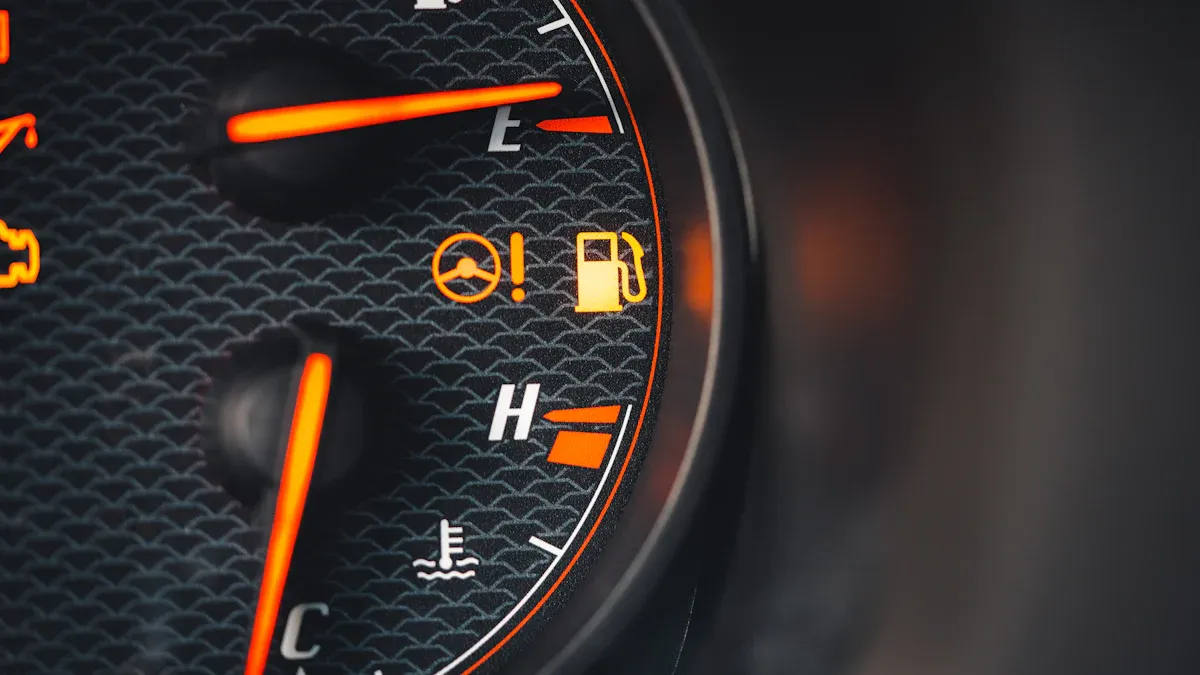
You must pay attention to your car’s dashboard. The temperature gauge is a key indicator. You see the needle move towards the “H” or red zone on your temperature gauge. This is a clear warning sign. It means your engine‘s temperature is rising too high. A safe operating temperature for your engine’s coolant is usually between 195-220°F (90-105°C). Temperatures above 220°F (105°C) can cause immediate engine failure. You must act fast. Pull your car over safely. Turn off the engine. Let it cool down completely. Never open the radiator cap when the engine is hot. Hot steam can cause severe burns. This indicates your car is at risk of overheating.
Steam or Smoke
You see steam or smoke coming from under your hood. This is one of the most alarming critical red flags. It signals severe overheating. Steam often comes from a leak in the cooling system. A dirty radiator or low coolant levels can also cause steam. A bad hose or a broken water pump are other reasons. Smoke can mean coolant leaks into the engine. This happens with a blown head gasket. Burning oil can also cause smoke. You must pull over immediately. Turn off your engine. Do not open the hood right away. Wait for the steam or smoke to stop. This prevents burns.
Coolant Leaks
You might notice brightly colored puddles under your car. These are often green, pink, or orange. You might also smell something sweet. These are clear symptoms of a coolant leak. Your cooling system loses vital fluid. Leaks often happen at the radiator. They can also occur in the heater core or water pump. Radiator hoses can crack. An intake manifold gasket or head gasket can also fail. These leaks cause your engine to lose coolant. This leads to overheating. Check your coolant levels when the engine is cool. Top it up if it is low. Get the leak fixed quickly. These are clear signs of a coolant leak.
Dashboard Warning Lights
Your dashboard warning lights up. This is a crucial warning. It signals potential overheating symptoms. You might see a thermometer symbol. It could be a radiator with wavy lines. Some cars show digital messages like “engine overheating” or “check coolant levels.” These are direct warning signs. A red light means high temperature. A yellow light also means high temperature. A blue light means the coolant is too cold. It should turn off when the engine warms up. If the light flashes red and blue, there is an electrical problem. You must pull over safely. Turn off your engine. Consult your car’s manual. This helps you understand the specific warning.
Sensory Overheating Indicators
Sweet or Burning Smells
You might notice unusual smells. These are important symptoms of a problem. A sweet, syrupy smell often means a coolant leak. This happens when coolant drips onto hot engine parts. Common leak points include radiator seams, plastic end tanks, and hose necks. You can also find leaks in upper and lower radiator hoses. Heater hoses and quick-connect fittings are other spots. Water pump seals and housings can leak. Thermostat housings and intake manifold gaskets are also common leak areas. The heater core and its small feeding hoses inside the dash can also leak. A failed intake manifold gasket can cause this sweet smell. A leaking radiator cap can also be the cause. If the smell is inside the passenger compartment, a bad heater core might be leaking.
💡 Tip: A sweet smell is almost always coolant. A burning smell can mean different things. It could be burning oil, rubber, or even electrical wiring.
These smells often point to an overheating engine. If you smell any of these symptoms, pull over safely. Turn off your engine. Let it cool down. Check for visible leaks or smoke.
Heater Blowing Cold Air
You turn on your heater, but it blows cold air. This seems strange for an overheating problem. However, it is a clear sign of trouble. This happens because your cooling system has issues.
A head gasket leak can create air bubbles. These bubbles block coolant flow to the heater core.
Air bubbles can also form in the cooling system without a head gasket issue. The heater is often the highest point. Air tends to gather there. This stops hot coolant from reaching it.
Low coolant levels also cause this. The heater core may not get enough hot coolant if levels are too low.
A bad thermostat or a faulty fan can make the engine overheat. This makes the air bubble problem worse.
If your heater blows cold air, your engine is likely struggling. It cannot properly circulate coolant. This is a serious symptom of overheating. Pull over immediately. Turn off your car. Do not drive it further.
Performance & Sound of an Overheated Car
You will notice changes in how your car performs. You might also hear strange sounds. These are critical signs of an overheating engine. You must pay attention to these performance and sound symptoms. They tell you your car needs help.
Reduced Engine Power
Your car might feel sluggish. It struggles to keep up with traffic. This is a clear sign of reduced engine power. An overheating engine triggers a reduced power warning. This protects your engine from severe damage. Your car does this to safeguard its engine. Low coolant levels, a faulty radiator, or a broken water pump are common causes. These issues lead to overheating. This then causes the protective power reduction. When your car’s engine overheats, its parts cannot work well. The excessive heat causes inefficiencies. You will notice a significant drop in performance. Your car might struggle to accelerate. It may not maintain speed, especially uphill. This also happens when you carry heavy loads. Insufficient coolant levels, a bad thermostat, or a faulty water pump cause this. A compromised cooling system also contributes to this reduced power. You should pull over safely. Turn off your engine. Let it cool down before you do anything else.
Engine Knocking or Pinging
You might hear a distinct knocking or pinging sound. This comes from your engine. It sounds like marbles rattling inside. This is a serious symptom of an overheating engine. High temperatures cause the fuel-air mixture to ignite too early. This happens inside the combustion chamber. This premature ignition creates the knocking sound.
Here is how it happens:
High temperatures from an overheated engine cause the air-fuel mixture to self-ignite. This happens before it is fully compressed.
As compression continues, the fully compressed air-fuel mixture near the combustion area ignites. The spark plug causes this.
The flames from these different ignition points burn unevenly. They collide. This creates shockwaves. These shockwaves produce the knocking sound.
Ignoring this sound causes serious damage. You could damage pistons. Excessive heat can warp or break pistons or piston rings. This leads to expensive repairs. Your engine block could crack. Overheating causes the engine to expand and crack. This leads to oil leaks. It affects engine function. This often means replacing the entire engine. Prolonged overheating causes severe damage. The engine can become unsalvageable. This happens when the engine block cracks. You must stop driving immediately. Get your car inspected by a mechanic.
Rough Idling or Stalling
Your car might shake or vibrate when it is stopped. This is rough idling. It might even turn off completely. This is stalling. Both are symptoms of an overheating engine. High engine temperatures affect the fuel and air mixture. They also affect the ignition timing. This makes the engine run unevenly. The engine struggles to maintain a steady speed. This causes rough idling. If the engine gets too hot, it can shut down. This protects itself from further damage. You should pull over. Turn off your car. Let the engine cool down completely.
Unusual Engine Noises
You might hear other strange noises from your engine. These are not just knocking or pinging. A hissing sound from under the hood often means a vacuum leak. It can also mean a cooling system leak. It can also mean an overheating engine. If you hear hissing with steam or a sweet smell, coolant might be leaking. This could come from a hose or radiator. If the hissing noise happens when the engine is off, pressure might be escaping. This comes from a recently overheated component. You might also hear a grinding or squealing sound. This could mean a failing water pump. The water pump circulates coolant. A failing pump cannot do its job. This causes the engine to overheat. You must investigate any unusual engine noises. They are important symptoms.
Poor Acceleration
Your car feels slow to respond. It struggles to gain speed. This is poor acceleration. It is a direct result of an overheating engine. Engine overheating causes a drop in performance. This includes sluggish acceleration. Performance issues happen because the engine struggles. It cannot operate well under extreme heat conditions. Excess heat disrupts the air/fuel mixture. The density of cool air intake is very important. It helps the engine’s combustion process. This process drives your car’s momentum. An overheated engine cannot get enough cool air. This affects combustion. This leads to poor acceleration. You should avoid pushing your car. Pull over and let the engine cool.
You must act quickly when you see any of these 11 red flags. Ignoring these symptoms leads to severe engine damage. Your car could face costly repairs or even complete engine failure. When your car shows signs of overheating:
Pull over safely.
Turn off the engine immediately.
Let it cool down completely. Then, seek professional inspection. This ensures your vehicle’s longevity and your safety on the road.
FAQ
What should you do immediately if your car overheats?
You must pull over safely. Turn off your engine right away. Let your car cool down completely. Do not open the radiator cap when the engine is hot. This prevents serious burns. Seek professional help if you are unsure.
Can you continue driving an overheating car?
No, you should not drive an overheating car. Driving it further causes severe engine damage. This leads to very costly repairs. You risk catastrophic engine failure. Always stop and let the engine cool.
What are common reasons a car overheats?
Your car can overheat for several reasons. Low coolant levels are a common cause. A faulty thermostat can also cause it. A broken water pump or a clogged radiator are other reasons. Leaks in the cooling system also contribute.
How can you prevent your car from overheating?
You should regularly check your coolant levels. Make sure your radiator is clean. Have your cooling system inspected during routine maintenance. Replace old hoses and belts. This helps prevent overheating issues.