

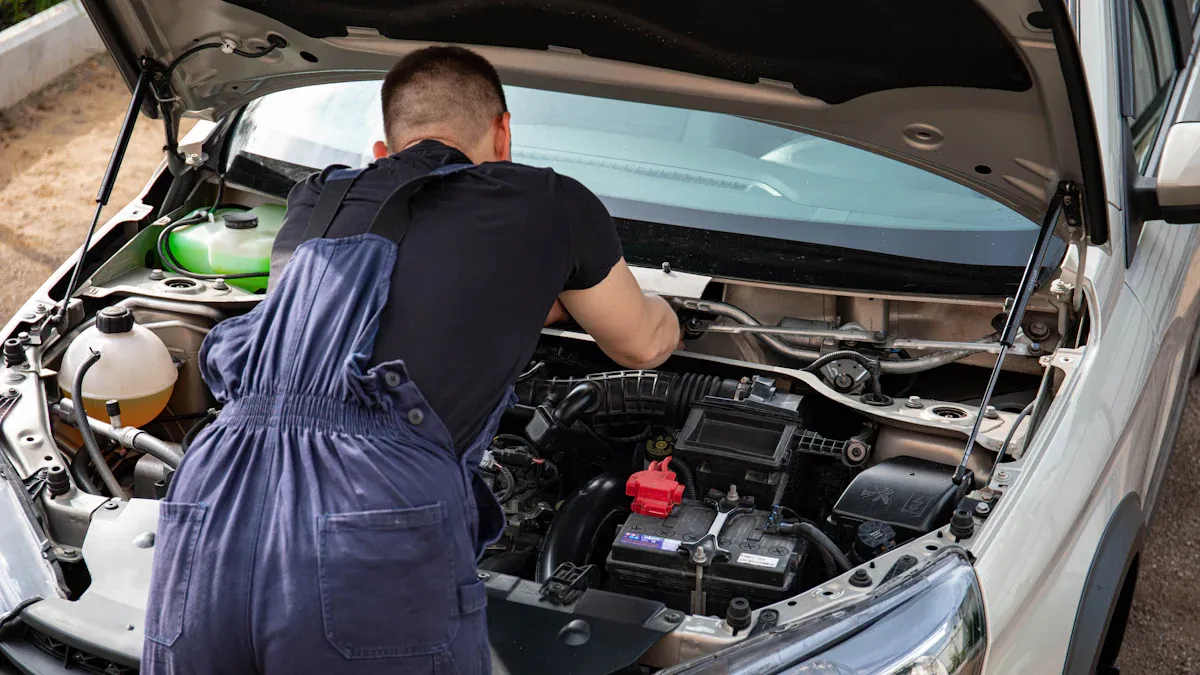
When your ‘Check Hybrid System’ warning light illuminates, it signals a malfunction within your hybrid powertrain. This general warning can indicate anything from small sensor issues to significant battery or motor problems in your hybrid. You must address this warning promptly. Ignoring the check hybrid system warning can prevent further damage, costly repairs, or a potential breakdown. This guide offers 10 critical fixes and diagnostic steps. You can use these to understand and address the warning light effectively.
Key Takeaways
Do not ignore the ‘Check Hybrid System’ warning light. It means your hybrid car needs attention right away.
Many things can cause this warning, like a weak 12V battery, a loose gas cap, or problems with the main hybrid battery.
Use a diagnostic tool to find error codes. These codes help you understand the exact problem.
Check simple things first, like your 12V battery and gas cap. If the problem continues, get help from a professional hybrid mechanic.
H2: Decoding Your Hybrid System Warning

H3: Why Your Hybrid System Light Appears
The ‘check hybrid system’ warning light tells you something is wrong with your hybrid vehicle’s powertrain. This warning is general. It does not point to one specific problem. Many issues can trigger this warning light. You might also see other alerts, like the Check Engine Light or a low battery warning, along with the ‘check hybrid system’ warning. These extra alerts give more clues about the problem. Common reasons for this warning include:
Blown Fuse: High-voltage fuses in the hybrid battery pack regulate power flow. A blown fuse disrupts the system.
Inverter Malfunction: The inverter converts DC energy from the battery to AC energy for the motor. A faulty one reduces power output and system efficiency.
Hybrid Battery Pack Issues: Degraded or faulty battery cells are common. They lead to diminished capacity and decreased performance.
12-Volt Battery Problems: A failing 12-volt battery can mimic hybrid system errors. It affects diagnostics.
Diagnostic Tool Errors: Outdated or malfunctioning onboard diagnostics can generate error codes. These activate the warning.
Mechanical Faults: Issues with the internal combustion engine, regenerative braking system, or transmission can disrupt hybrid system functionality.
H3: Immediate Steps When the Warning Light Comes On
When the ‘check hybrid system’ warning light appears, do not ignore this critical warning. This warning means your hybrid system needs immediate attention.
Check for Additional Alerts: First, look for other dashboard indicators. These include the Check Engine Light, Low Battery Warning, or System Temperature Alerts. These can provide clues about the specific issue.
Use a Diagnostic Tool or Code Reader: A crucial step is to connect a diagnostic tool to your vehicle. This identifies specific error codes related to the hybrid system. These codes point to problems like battery or inverter issues.
Diagnostic Evaluation (for Battery Issues): For battery-related problems, trained technicians use advanced diagnostic tools. They assess issues such as reduced capacity or faulty cells. This ensures an accurate diagnosis before any replacement. If a simple system reset (turning the vehicle off and on) does not clear the warning, or if the warning light is red, the issue is more serious. Addressing the warning quickly prevents further damage to your hybrid and maintains its performance.
H2: 10 Critical Fixes for Your Check Hybrid System
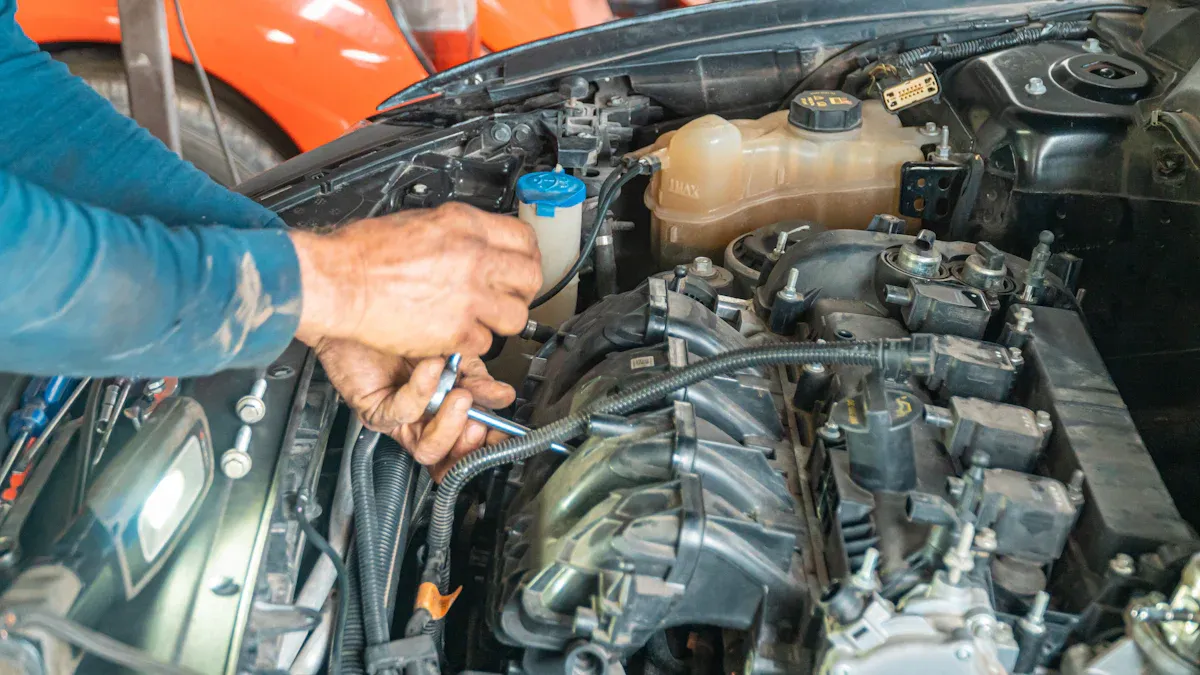
H3: Fix 1: Inspect the 12V Auxiliary Battery
One of the 10 critical fixes involves your 12V auxiliary battery. A failing 12V battery can cause many issues. You might find your car cannot shift out of neutral. Other warning lights may appear, such as the Master Warning or ABS light. You could experience power loss or stalling. Strange beeping sounds after turning off the car also signal a problem. These are all signs of a low 12V DC bus. This issue can trigger a general hybrid system warning.
H3: Fix 2: Check for a Loose Gas Cap
A loose gas cap can trigger a warning light. This often starts with a Check Engine Light. The gas cap seals your fuel system. It prevents fumes from escaping. A compromised cap can cause fuel loss. This triggers your vehicle’s diagnostic system. This system can then illuminate the Check Engine Light. This light is part of the onboard diagnostics. It monitors various vehicle functions. Sometimes, this can indirectly lead to a ‘check hybrid system’ warning. Users have reported that tightening a loose gas cap made a ‘Hybrid System Malfunction’ warning disappear.
H3: Fix 3: Scan for Diagnostic Trouble Codes (DTCs)
You should scan for Diagnostic Trouble Codes (DTCs). This is a key step among the 10 critical fixes. These codes pinpoint specific problems. Common codes include P0A80, which means you need a hybrid battery replacement. P0A7F indicates hybrid battery pack issues. P0A93 points to an inverter cooling system performance problem. P0AC4 means the hybrid powertrain control module requested a malfunction indicator light. These codes help you understand the exact malfunction. They guide you toward the correct repair. An inverter malfunction often shows specific codes.
H3: Fix 4: Evaluate Hybrid Battery Health
You must evaluate your hybrid battery health. This is crucial for your hybrid’s performance. You can use an OBD-II scanner. This tool provides data on battery voltage and charging cycles. It shows the State of Charge (SoC). You should also watch your fuel efficiency. A drop in MPG can signal battery issues. Reduced acceleration or frequent cooling fan operation also point to problems. For a full assessment, seek professional diagnostics. They use specialized tools. These tools perform in-depth capacity tests. They analyze individual battery modules. This helps determine if you need a hybrid battery replacement.
H3: Fix 5: Check Inverter Coolant Levels
Your inverter needs proper cooling. Check the inverter coolant levels. Low coolant can cause the inverter to overheat. This leads to an inverter malfunction. An overheated inverter triggers a warning. Ensure the coolant reservoir is at the correct level.
H3: Fix 6: Inspect for Blown Fuses
Inspect your vehicle for blown fuses. Fuses protect important hybrid components. These include the electric motor and battery pack. Pyro fuses are used in hybrid protection systems. They are also used for battery pack protection. A blown fuse can disrupt power flow. This causes a warning.
H3: Fix 7: Examine Brake System Components
Examine your brake system components. Problems with regenerative braking can cause a warning light. This system recovers energy when you slow down. Issues here reduce energy recovery. They can also increase wear on regular brakes. A regenerative braking failure can trigger the HEV warning light.
H3: Fix 8: Check Engine Oil Level
Check your engine oil level. Hybrid cars still use engine oil for their combustion engines. Specialized engine oil is often advised. This is due to lower operating temperatures and frequent cold starts. Using the correct oil prevents wear. It maintains engine performance. Low or incorrect oil can affect the engine. This can impact the overall hybrid system.
H3: Fix 9: Look for Wiring Damage
Look for any wiring damage. Damaged wires or connectors can cause electrical issues. These issues can lead to an intermittent or constant warning. Inspect visible wiring harnesses.
H3: Fix 10: Seek Professional Hybrid Diagnosis
If you cannot find the problem, seek professional hybrid diagnosis. This is one of the 10 critical fixes. Certified hybrid technicians have special training. They handle high-voltage systems. They understand battery technology and electric drivetrains. They can diagnose complex issues. These include an inverter malfunction or a needed hybrid battery replacement. They use advanced tools for accurate diagnosis.
H2: Preventing Future Hybrid System Warnings
H3: Regular Hybrid System Maintenance
You can prevent future hybrid system warnings with regular maintenance. Follow your owner’s manual for recommended maintenance schedules. These guidelines fit your vehicle’s specific needs. Factors like mileage and driving habits affect wear. High mileage means you need more frequent maintenance. Periodic checks on your hybrid battery system find issues early. Diagnostic tools help with these checks.
You should change your oil every 7,500 to 10,000 miles. Hybrid cars often extend this due to less frequent engine use. Brake pads can last over 100,000 miles. This is because of regenerative braking. Cooling systems need occasional checks. They regulate engine and battery temperature. Your hybrid battery system lasts beyond 100,000 miles. Many have extended warranties. Transmission fluid often needs less frequent maintenance. This is true for electrically controlled transmissions. Standard maintenance items include filters, wipers, and tires. Dealerships perform software updates during regular service. This preventive maintenance keeps your hybrid running well.
H3: Monitoring Key Fluid Levels
Monitoring key fluid levels helps prevent a hybrid system warning. This is a simple step. You must check your fuel level. This tells you your remaining range. It is crucial for energy management in hybrid vehicles. Coolant level detection prevents engine overheating. It is vital for complex thermal systems in hybrid vehicles. Oil level sensing helps maintain engine health. It warns you of low oil. Windshield washer fluid level detection ensures visibility. It keeps you safe. Brake and hydraulic fluid monitoring is critical for system reliability. It is important for advanced hybrid vehicles. You also need to monitor battery cooling system fluid. This fluid is essential for your hybrid’s performance and safety.
Do not ignore your ‘check hybrid system’ warning light. This warning needs your immediate attention. Addressing this warning promptly prevents more severe problems. Early diagnosis, whether through your own checks or professional assistance, saves you money. It also extends your hybrid vehicle’s life. Use these 10 critical fixes as a guide. For persistent or complex issues with your hybrid, always consult a certified hybrid technician. This warning is a crucial signal for your hybrid.
FAQ
Can you drive with the ‘Check Hybrid System’ light on?
No, you should not drive with this warning light on. It signals a problem in your hybrid system. Driving can cause more damage to your vehicle. You need to get your hybrid checked right away.
What is the most common reason for this warning?
Many issues can trigger this warning. Often, it is a problem with your 12V auxiliary battery or the main hybrid battery. Sometimes, a simple loose gas cap can also cause the light to come on.
How much does it cost to fix a hybrid system warning?
The cost to fix this warning varies greatly. A simple fix, like tightening a gas cap, costs very little. However, replacing a main hybrid battery can be very expensive. Diagnosis helps you find the exact problem and cost.
Can you reset the ‘Check Hybrid System’ light yourself?
You can try disconnecting your 12V battery for a few minutes. This might clear the light for a short time. However, the real problem will still exist. It is best to find the root cause of the warning.



