

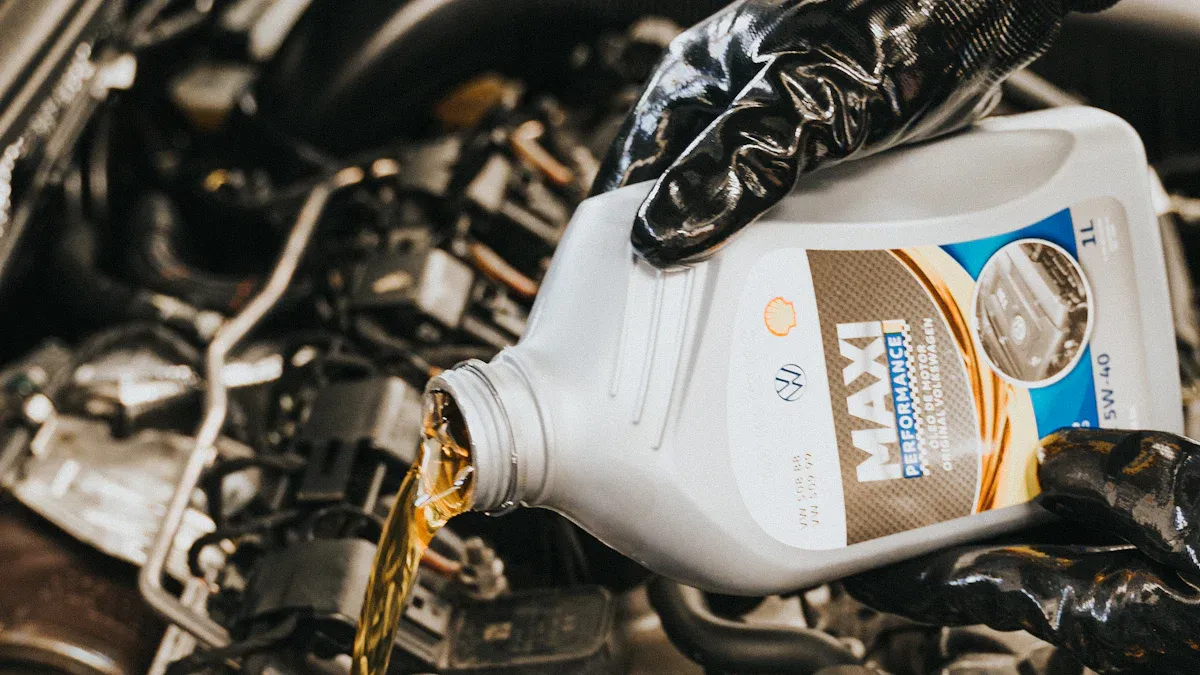
You should change your differential fluid typically every 30,000 to 60,000 miles. New automobiles might need a break-in fluid change as early as 8,000-12,000 miles. Severe use, like towing, requires this maintenance around 15,000 miles. A standard differential service usually costs between $80 and $170. This includes parts and labor.
Labor costs range from $44 to $56, with parts costing $36 to $114. These are general guidelines; your specific vehicle needs may vary. Proper care for this component is vital for optimal performance. These Crucial Tips will help you maintain your car.
Key Takeaways
Change your car’s differential fluid regularly. This prevents damage and keeps your car running well.
Check your owner’s manual for when to change the fluid. Driving conditions like towing or city traffic mean you need to change it more often.
Use the right type of differential fluid. The wrong fluid can cause serious damage to your car’s parts.
Listen for strange noises and look for leaks. These are signs that your differential fluid needs attention.
Professional service is a good idea. Experts ensure the job is done right and prevent costly problems later.
Understanding Differential Fluid
What is a Differential?
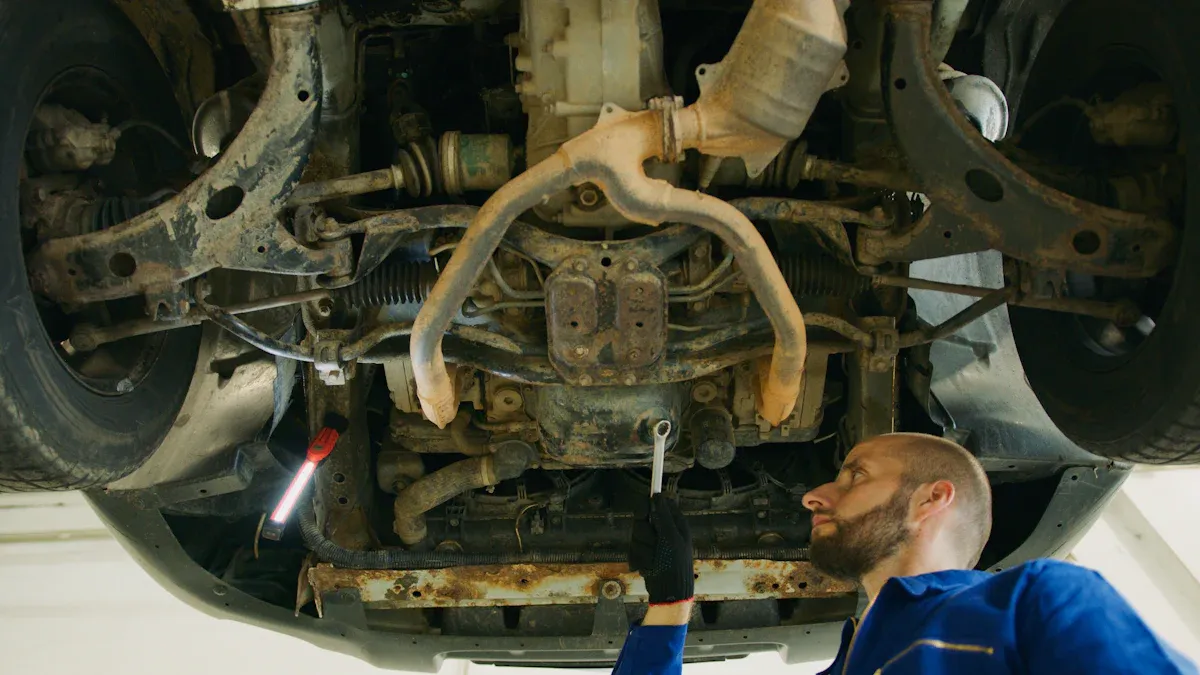
Your vehicle has a crucial part called the differential. This mechanical device is part of your axle assembly. It powers your wheels and controls their rotation speed, especially when you turn. When you drive straight, your wheels spin at the same speed.
But when you turn, the inside and outside wheels travel different distances. The differential manages these varying speeds. It gives torque to each wheel, letting them spin at different rates. This balances the speed difference.
Key components include output shafts, a drive gear, and planetary gears. Without a differential, all wheels would spin at the same speed. This would cause strain and wear on your car.
Why Differential Fluid Matters
Differential fluid, also known as gear oil, is a thick lubricant. It protects the gears, bearings, and other parts inside your differential. This fluid reduces friction and prevents wear. It also dissipates heat from the working parts.
The importance of rear differential fluid cannot be overstated. It forms a protective barrier, stopping metal-on-metal contact. This ensures smooth operation and extends component life. This fluid is specially made to handle high pressures and extreme temperatures. This is especially true for vehicles that tow heavy loads or drive off-road. Using a high-quality lubricant is vital for preventing overheating and maintaining your car’s performance.
Signs of Worn Differential Fluid
You can spot signs of worn differential fluid. Listen for unusual noises. Grinding, whining, or clunking sounds from the rear of your car can mean worn gears or low fluid. A burning smell is another warning.
This suggests the differential fluid is contaminated or low, causing friction and overheating. Also, look for fluid leaks. Dark, oily spots under your car show fluid leaking from the differential housing. This leads to poor lubrication and faster wear. Address these signs quickly to avoid bigger problems.
Differential Fluid Change Intervals
Manufacturer Recommendations and Manual
You should always start with your owner’s manual. It provides the most accurate information for your specific vehicle. For standard driving, manufacturers generally advise differential fluid changes every 30,000 to 60,000 miles.
However, under severe driving conditions, you need more frequent service. This could mean fluid changes every 15,000 to 30,000 miles. Some modern vehicles, thanks to advancements in transmission technology, might even recommend rear differential oil changes between 100,000 and 150,000 miles under certain conditions. Always consult your owner’s manual for precise recommendations.
Impact of Driving Conditions
Your driving habits greatly affect how long your differential fluid lasts. Stop-and-go traffic, common in city driving, is considered severe. Constant acceleration and braking generate more heat than steady highway cruising. This makes your differential work harder. Extreme temperatures, both very hot and very cold, also speed up the breakdown of automotive fluids. This includes your differential fluid.
For example, full synthetic fluid can last up to 60,000 miles under normal use. But this lifespan drops to 40,000 miles under extreme conditions like heavy towing or severe heat or cold. Synthetic fluids offer superior performance. They maintain consistent viscosity and resist oxidation across many temperatures. They also provide high thermal stability and better cold-start lubrication. This ensures protection and extends service interval even in tough conditions.
Severe Use Considerations (Towing, Off-Road, Deep Water)
Certain driving conditions put extra stress on your differential. These are “severe use” conditions. They demand more frequent maintenance.
Extreme Weather: This includes living in a climate with high humidity, very dusty areas, or experiencing temperatures consistently above 90 degrees Fahrenheit or below 10 degrees Fahrenheit.
Short Trips: You frequently take trips typically under 5 miles in length.
Stop-and-Go Traffic: You regularly drive in conditions like rush hour, which involves frequent stopping and starting.
Towing Heavy Loads: You operate your vehicle while towing something heavy.
For most passenger vehicles, differential oil should generally be changed every 30,000 to 60,000 miles. However, heavy-duty vehicles or those operating under severe conditions, such as towing or frequent off-road driving, may require more frequent changes.
Rear differentials in standard vehicles typically need an oil change every 30,000 to 50,000 miles. For vehicles under heavy workloads like trucks and SUVs used for towing, this interval may decrease. Trucks, especially those used in commercial applications, should have their differential oil changed every 25,000 to 50,000 miles, depending on usage intensity.
Break-In Fluid for New Vehicles
When you buy a new vehicle, it often comes with “break-in” fluid in the differential. This fluid helps the new gears and components wear in properly. It collects tiny metal particles during this initial period. Because of this, you should change this fluid much earlier than regular intervals. Many manufacturers recommend changing break-in fluid as early as 8,000 to 12,000 miles. This removes the metal particles and replaces them with fresh, clean fluid. This early change ensures the long-term health of your differential.
Cost of Differential Fluid Exchange Service
Average Service Costs
You need to understand the financial aspect of differential fluid changes. The average cost for a differential fluid exchange service can vary. It depends on several factors. Generally, you can expect to pay between $80 and $200 for this service. This range includes both parts and labor.
Labor vs. Parts Expenses
When you pay for a differential fluid service, your bill splits into two main categories: labor and parts. Labor covers the mechanic’s time and expertise. Parts include the new differential fluid and any necessary gaskets or seals.
For many common vehicles, the labor cost often remains consistent. For example, you might see labor costs around $145.99 for various models. Parts costs can fluctuate more. Some vehicles might have parts costs around $53.98. Others might have lower parts costs, or even none if the fluid is included in a larger service package.
Car Model | Parts Cost | Labor Cost |
|---|---|---|
2012 Honda Ridgeline | $53.98 | $145.99 |
2011 Chevrolet Equinox | $53.98 | $145.99 |
2009 Chevrolet Suburban 1500 | $53.98 | $145.99 |
2009 Cadillac STS | $53.98 | $145.99 |
2016 BMW 428i xDrive Gran Coupe | $0.00 | $145.99 |
2014 BMW M5 | $30.98 | $145.99 |
This table shows how labor costs can be quite stable. Parts costs can differ even for similar service.
Cost Factors by Vehicle and Location
The type of vehicle you drive significantly impacts the total cost.
Most 2WD vehicles (RWD or FWD) have one differential (either rear or front).
4WD and AWD vehicles typically have two differentials (front and rear) or a single center differential. If your car has both a front and rear differential, changing fluid in both simultaneously can increase the average cost to around $200–$400. Luxury vehicles or trucks often require specialized fluids. Their systems can also be more complex. This leads to higher service costs.
Vehicle Type | Estimated Cost Range (Independent Shop) |
|---|---|
Standard Sedan/Compact Car | $100 – $150 |
Luxury Vehicles/Trucks | Higher Range (due to specialized fluids and complex systems) |
Your geographic location also plays a big role in the final price. Prices for the same service can vary widely from one region to another.
The region of the country really impacts the price along with the number of dealers close enough to be a easy drive.
For example, a service in Colorado might cost around $207. A dealer quote in another area could be around $700. Western Washington might see costs around $700 if combined with an automatic transmission fluid change. In Harford County, MD, $207 is considered a very good deal for this service. You should always get quotes from local shops.
Region | Service Cost |
|---|---|
Colorado | $207 |
Unspecified (Dealer Quote) | ~$700 |
Western Washington | ~$700 (with AT transmission fluid change) |
Harford County, MD | $207 (considered a ‘damn good deal’) |
DIY vs. Professional Service
You might consider changing your differential fluid yourself. This can be a cost-effective solution. You save on labor costs. However, you need the right tools and knowledge. You also need to dispose of the old fluid properly.
This can be messy. You risk using the wrong fluid type or not sealing the differential correctly. This can lead to leaks or damage. A professional service offers peace of mind. Technicians have the expertise and specialized equipment.
They know the correct fluid for your specific model. They also handle fluid disposal responsibly. While it costs more upfront, a professional service can prevent expensive repairs down the road. This makes it a wise investment for your car’s longevity.
9 Crucial Differential Fluid Tips
You need to protect your vehicle‘s differential. These crucial tips help you keep it in top shape. Following these guidelines ensures long-lasting performance.
Consult Your Owner’s Manual
Always start with your owner’s manual. It gives you the best information for your specific vehicle. The manual tells you the proper service interval for differential fluid changes. While a general rule suggests changing it every 30,000 to 50,000 miles, your car manufacturer’s recommendation is most important.
Choose the Correct Fluid Type
Selecting the right fluid is vital. Using the wrong type can cause serious damage. For example, a truck’s rear differential was ruined quickly when someone used thick 85w140 conventional fluid instead of the recommended thinner 75w90 synthetic. The pinion gear suffered severe damage. You can find different types of fluid. Silicone diff oil is synthetic. It works well across many temperatures. Petroleum-based oils break down faster. Always match the fluid to your manufacturer’s specifications.
Inspect for Leaks and Noise
Regularly check for signs of trouble. Look for oil residue or puddles under your differential. You might see traces of oil on the underside. Differential fluid is thick. It is usually golden, amber, or dark brown. It often has a strong, sulfur-like smell. Listen for unusual whining or grinding sounds from the rear or front of your vehicle. These noises mean improper lubrication from fluid loss. Address these issues quickly to prevent bigger problems.
Adhere to Severe Service Schedules
Your driving conditions matter. If you drive in severe conditions, you need more frequent maintenance. This includes stop-and-go driving. Under these conditions, you may need a rear differential fluid exchange every 15,000-20,000 miles. This proactive service prevents wear.
Regular Fluid Level Checks
Check your fluid levels often. Low fluid levels can lead to overheating and damage. This simple check helps you catch problems early. It is a key part of good maintenance.
Combine with Other Maintenance
You can save time and money. Combine your rear differential fluid exchange with other routine maintenance. For example, do it during a tire rotation or brake inspection. This makes your service more efficient.
Professional Rear Differential Fluid Exchange
Trust the experts for this job. A professional rear differential fluid exchange ensures correct fluid type and proper sealing. Technicians have the right tools and knowledge. This professional service prevents costly mistakes. It is a wise investment for your car’s health.
Keep Detailed Service Records
Always keep good records. Document every rear differential fluid exchange. This helps you track your maintenance history. It also adds value if you sell your car.
Schedule Your Service Proactively
Do not wait for problems to appear. Proactive maintenance saves you money in the long run. A timely rear differential fluid exchange prevents expensive repairs. It maintains your vehicle‘s performance. It also reduces noise and vibration. This ensures safety and protects against corrosion. You should schedule your service today. These crucial tips help you keep your differential healthy.
Timely differential fluid changes prevent expensive repairs. They extend your differential’s lifespan and ensure optimal performance for your vehicle. We discussed varied intervals and cost considerations. Proactive maintenance is very valuable. Neglecting this can lead to increased wear and costly repairs. Dirty fluid causes rough driving and gear damage.
Without routine inspection, you might miss fluid containing metal flakes, which indicates internal wear. This can also show fluid that is black, suggesting overheating. Diagnosing the cause sooner can significantly reduce repair costs.
You should prioritize this often-overlooked aspect of car care. Schedule your service when due. This keeps your vehicle running smoothly.
FAQ
What happens if you don’t change your differential fluid?
If you neglect differential fluid changes, you risk severe damage. The fluid breaks down, losing its ability to lubricate. This causes increased friction and heat. Your differential gears will wear out faster. This can lead to expensive repairs or even complete differential failure.
Is differential fluid the same as transmission fluid?
No, differential fluid is not the same as transmission fluid. They serve different purposes and have different formulations. Differential fluid, or gear oil, is thicker. It handles extreme pressure in the differential. Transmission fluid lubricates your transmission. Always use the specific fluid your manufacturer recommends for each component.
How do you check your differential fluid level?
You can check your differential fluid level. First, locate the differential housing. It has a fill plug. Remove this plug. The fluid level should be even with the bottom of the fill hole. If it is low, you need to add the correct type of fluid until it starts to drip out.
Do all vehicles have a differential?
Yes, almost all vehicles have at least one differential. Rear-wheel drive cars have one in the rear. Front-wheel drive cars have one integrated into the transaxle. All-wheel drive and four-wheel drive vehicles typically have two or three differentials. They manage wheel speed differences.



