

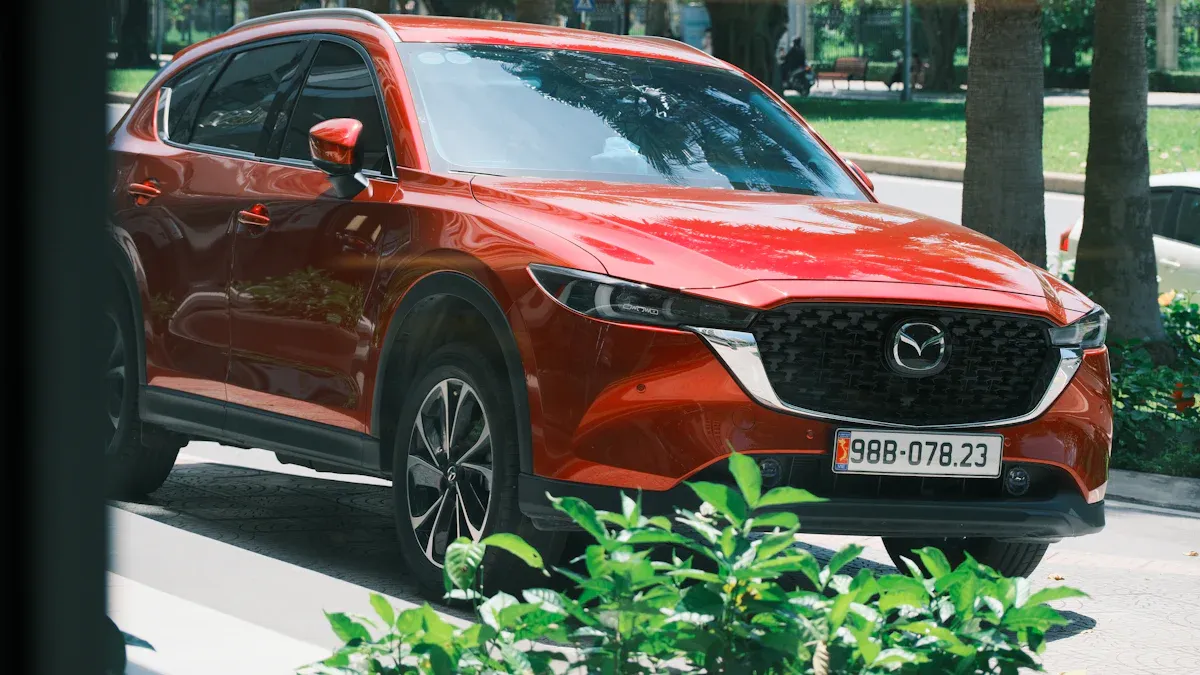
Mazda doesn’t currently produce a Mazda Pickup Truck, but it has a rich history in this segment. As interest in small pickups grows, you might wonder if Mazda will return to this market with a new Mazda Pickup Truck. The global demand for compact pickups is increasing, driven by urbanization and rising incomes, making it an exciting time for potential new Mazda Pickup Truck models.
Key Takeaways
Mazda has a rich history in small pickup trucks, starting with the Familia truck in 1964 and the popular B-Series, which was discontinued in 2009 due to declining sales.
The current market for small pickups is growing, with competitors like the Ford Maverick and Hyundai Santa Cruz leading in sales, highlighting a shift towards affordability and fuel efficiency.
Mazda’s CEO has expressed interest in re-entering the small pickup market, indicating potential for future models that could leverage existing technology and meet rising consumer demand.
Mazda Pickup Truck History
Early Models
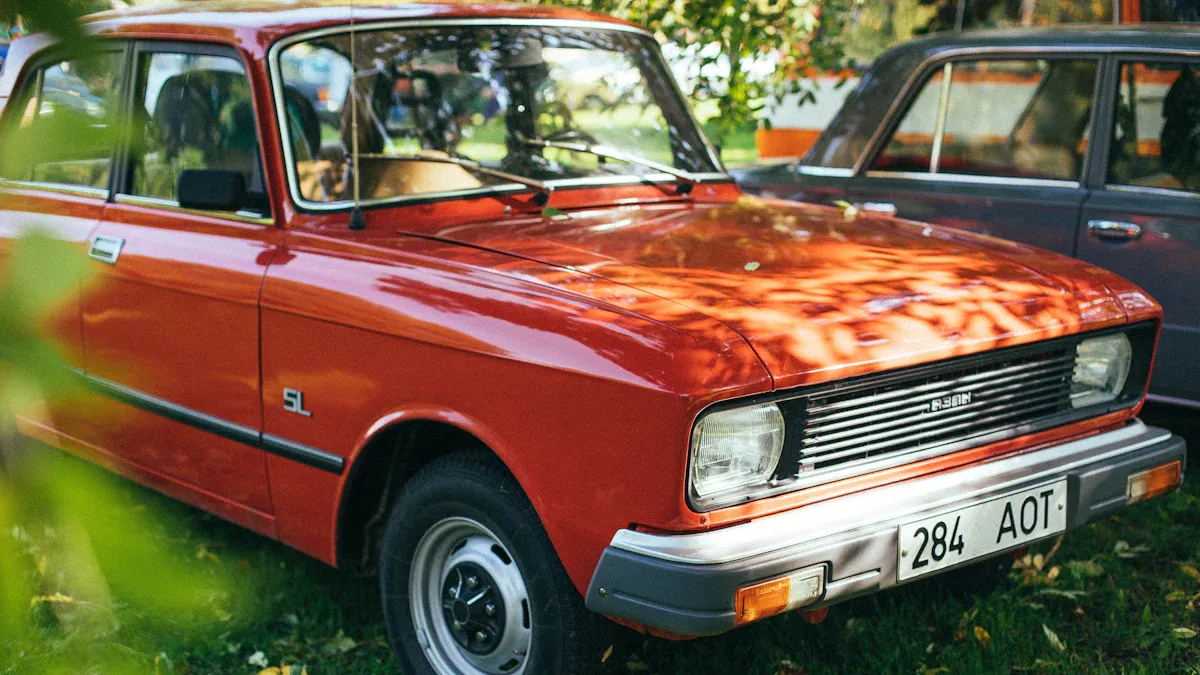
Mazda has a long-standing tradition of producing small pickup trucks, dating back to the early 1960s. The company first introduced the Familia truck, also known as the Mazda 800/1000 Pickup, in 1964. This model marked Mazda’s entry into the compact pickup market, showcasing their commitment to utility and functionality. Before that, in 1961, they launched the Mazda B1500, which was a compact pickup that laid the groundwork for future models.
Here’s a quick look at some of the early models Mazda produced:
Model Name | Year Introduced |
|---|---|
Familia truck (Mazda 800/1000 Pickup) | 1964 |
Mazda B1500 compact pickup | 1961 |
These early models set the stage for Mazda’s reputation in the compact pickup truck segment. They emphasized practicality and durability, appealing to consumers looking for reliable workhorses.
The B-Series
The Mazda B-Series is perhaps the most recognized name in Mazda’s pickup truck history. It first hit the market in 1961 and quickly gained popularity, especially outside the U.S. The B-Series was known for its robust design and versatility, making it a favorite among small truck enthusiasts.
Year Introduced | Markets Available |
|---|---|
1961 | Japan (Proceed), Australia (Bravo), New Zealand (Bounty), Thailand (Magnum / Thunder / Fighter), South Africa (Drifter) |
Despite its success in various international markets, the B-Series faced challenges in the U.S. market. Sales began to decline significantly, leading to its discontinuation in 2009. The following table illustrates the sales figures leading up to its exit from the U.S. market:
Year | Sales Units |
|---|---|
2005 | 5,872 |
2006 | 4,086 |
2007 | 2,657 |
2008 | 1,319 |
2009 | 573 |
2010 | 10 |
The decline in sales reflected changing consumer preferences and increased competition from other brands. The B-Series was ultimately discontinued due to these factors, but it left a lasting legacy in the compact pickup truck segment.
The B-Series influenced many other small pickup trucks in the industry. Its design focused on functionality and a minimalist aesthetic, which resonated with consumers. This approach set a standard for future models, emphasizing utility without unnecessary embellishments.
Current Market for Small Pickup Trucks
Competitors Overview
The small pickup truck market is heating up, with several models leading the charge. You might have heard of the Ford Maverick and the Hyundai Santa Cruz. These trucks have gained popularity for their unique features and affordability.
Ford Maverick: This compact pickup truck stands out for its hybrid options, making it an eco-friendly choice. Its price point appeals to budget-conscious buyers, which is a significant factor in its success.
Hyundai Santa Cruz: Known for its versatility, this model caters to a wide range of needs, from daily commuting to weekend adventures.
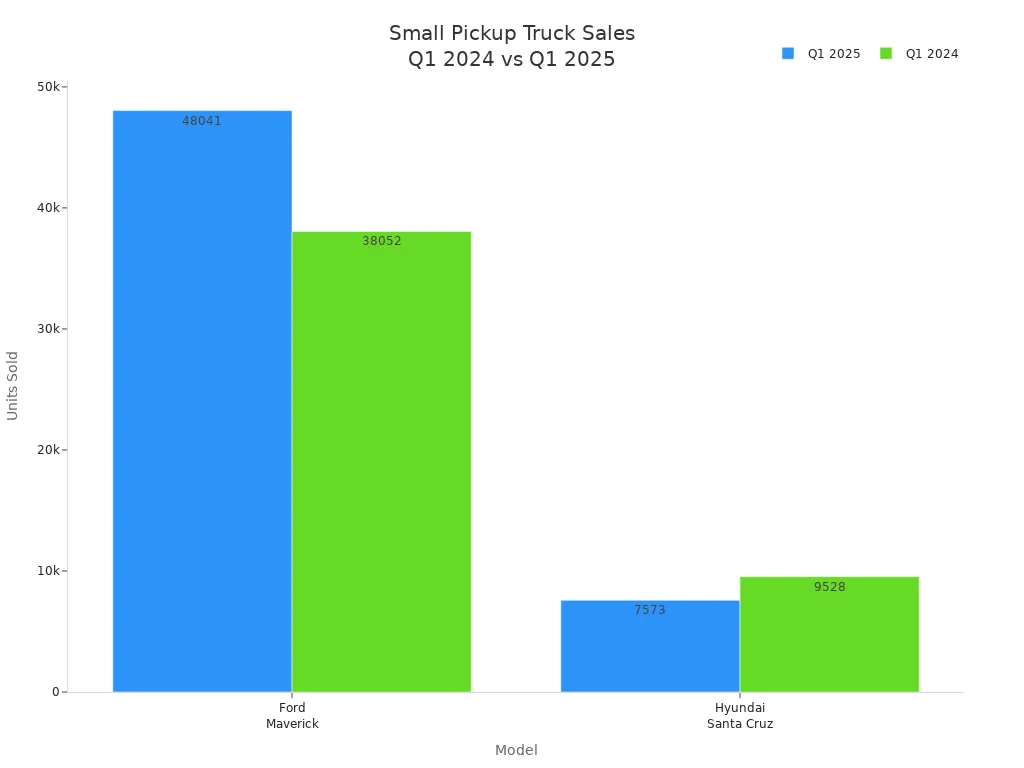
Here’s a quick look at the sales numbers for these competitors in the first quarter of 2025:
Model | Q1 25 Sales | Q1 24 Sales | Q1 25 Share |
|---|---|---|---|
Ford Maverick | 38,015 | 39,061 | 85% |
Hyundai Santa Cruz | 6,648 | 8,417 | 15% |
As you can see, the Ford Maverick dominates the market, capturing a whopping 85% share. This trend shows how consumers are leaning towards compact options that offer both functionality and efficiency.
Consumer Trends
Consumer preferences in the pickup truck segment have shifted significantly over the past decade. Many buyers now favor smaller, more versatile options. Here are some key trends:
Affordability: Compact pickup trucks are often more affordable to purchase and maintain. This is especially appealing to younger consumers who are budget-conscious.
Fuel Efficiency: With rising fuel prices, better fuel economy is crucial. Many buyers look for trucks that can help them save on gas.
Practicality: The overall U.S. pickup truck market is moving towards smaller options, driven by practicality and lower prices.
Recent surveys reveal what features consumers prioritize when choosing a small pickup truck:
Safety Feature | Description |
|---|---|
Automatic Emergency Braking (AEB) | Includes pedestrian detection |
AEB at Highway Speeds | Functions effectively at higher speeds |
Blind Spot Warning (BSW) | Alerts drivers to vehicles in blind spots |
Rear Cross Traffic Warning (RCTW) | Warns of approaching traffic from the sides |
These features highlight the importance of safety in consumer decision-making.
Moreover, the Toyota Tacoma has seen a sales increase of over 150% in Q1 of 2025, indicating a strong consumer shift towards smaller trucks. The overall pickup truck market is expected to grow at a compound annual growth rate (CAGR) of 5.5% from 2025 to 2032, showing that the demand for compact pickup trucks is on the rise.
Future of Mazda Pickup Trucks
CEO Insights
Mazda’s leadership has shown interest in re-entering the small pickup truck market. Recently, CEO Masahiro Moro shared some thoughts on this topic. He acknowledged the growing demand for a Mazda pickup truck, stating:
“We get requests from our data partners to see a small pickup truck, but we don’t have the platform to do it.”
This statement highlights a few key points:
There is a clear demand for a small pickup truck from Mazda.
Currently, Mazda lacks the necessary platform to produce one.
Collaboration with other manufacturers could be a possibility if market conditions are favorable.
Industry analysts believe that if Mazda collaborates with an established truck manufacturer, it could significantly enhance their chances of success in the pickup truck segment. This partnership would allow Mazda to leverage existing platforms, reducing development costs and speeding up the process.
Potential Pricing
When it comes to pricing, you can expect a new compact pickup truck from Mazda to be competitive. Based on current market trends and competitor pricing, here’s what you might anticipate:
Base Model Pricing: The starting price could range from $25,000 to $30,000, similar to the Ford Maverick.
Mid-Range Options: Expect mid-range models to fall between $30,000 and $35,000, offering more features and capabilities.
Top-Tier Models: Higher-end versions could reach up to $40,000, especially if they include advanced technology and luxury features.
In terms of features, a future Mazda small pickup truck might include:
All-wheel drive capabilities, akin to the Ford Maverick.
Powertrains similar to the Mazda CX-50, such as:
A 186-horsepower naturally aspirated 2.5-liter SKYACTIV-G four-cylinder engine.
A 250-horsepower turbocharged 2.5-liter SKYACTIV-G engine with up to 320 lb-ft of torque.
A hybrid variant using Toyota-sourced battery technology, providing a combined 219 horsepower.
The design could focus on ruggedness while maintaining efficiency, appealing to both urban and rural consumers.
The introduction of a new Mazda pickup truck could bring several benefits:
Tapping into a growing market for compact pickups.
Leveraging existing technology to reduce costs.
Enhancing brand presence in a competitive segment.
With the right approach, Mazda could see excellent resale values, retaining over 83% of the original sticker price after five years. This potential makes the idea of a new compact pickup truck from Mazda exciting for both the company and consumers.
In summary, Mazda doesn’t currently offer a small pickup truck, but its history shows promise. The 1984 Mazda B2000, known for its practical design, set a standard for reliability and simplicity. As consumer interest grows, you might see Mazda return to this segment with models that prioritize these qualities.
FAQ
Does Mazda plan to release a new small pickup truck?
Mazda hasn’t confirmed any plans yet, but CEO Masahiro Moro mentioned interest in developing one.
What features might a new Mazda pickup truck include?
You can expect features like all-wheel drive, advanced safety tech, and efficient powertrains similar to the Mazda CX-50.
Why did Mazda stop selling the B-Series in the U.S.?
The decline in sales due to changing consumer preferences led to the discontinuation of the B-Series in the United States.



