


You feel both excited and a little nervous about driving a car. Learning to drive is a big step in your life. This guide offers 15 essential pro lessons. These lessons build your confidence and safety from day one. Many new drivers face challenges. Lack of driving experience often leads to accidents. Distracted driving is also a major risk. This includes texting or talking to passengers. These driving lessons cover everything from basic car familiarity to advanced defensive driving techniques. You will learn what skills to master and how to avoid common mistakes. These lessons are crucial for your driving journey. The importance of professional driving lessons cannot be overstated. You can maximize your learning experience with these valuable lessons. These lessons offer practical advice.
Key Takeaways
Always adjust your seat and mirrors before driving for safety and comfort.
Understand dashboard lights and gauges to know what your car needs.
Practice smooth starts, stops, and steering in safe, low-speed areas.
Maintain a safe following distance using the 3-second rule to react to hazards.
Develop a defensive driving mindset to anticipate risks and avoid distractions.
I. Pre-Drive Essentials
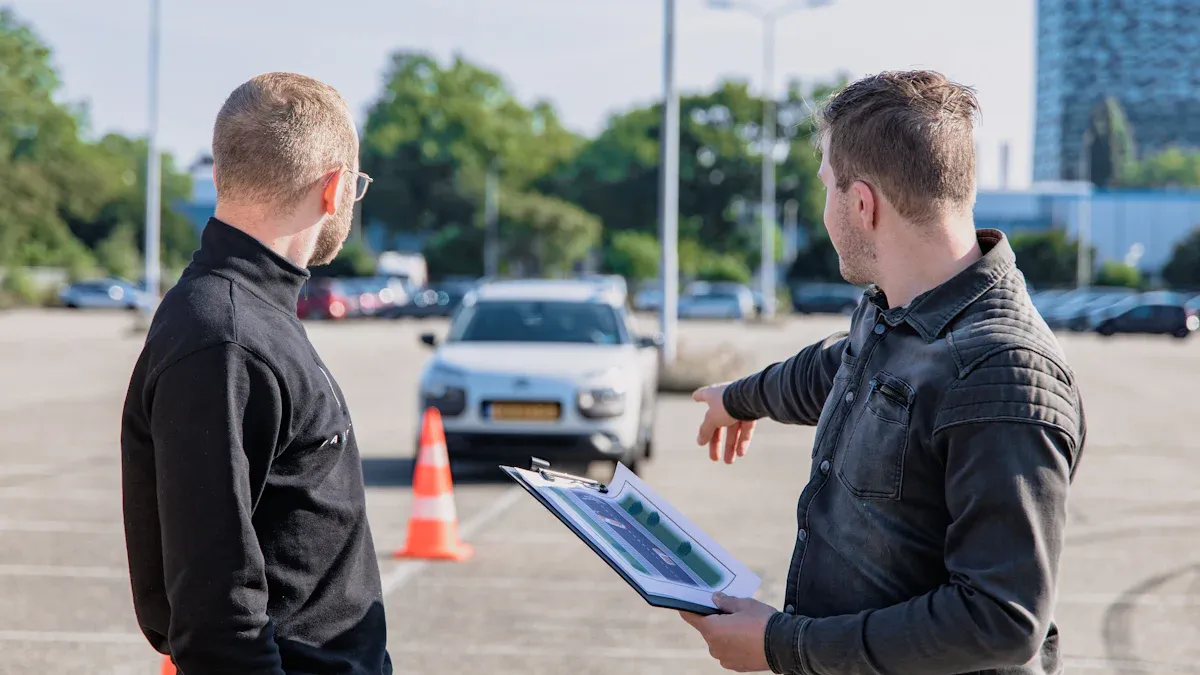
Lesson 1: Adjusting Your Driving Setup
Before you even start the engine, proper setup is crucial. This first of many driving lessons ensures your comfort and safety. Adjust your seat height. You should clearly see the road without straining your neck. Your hips should be roughly level with or slightly higher than your knees. Set the seatback to about a 100-degree angle. This gives good lower back support. You avoid leaning too far forward or back. If your car has lumbar support, adjust it to fit your lower spine’s natural curve. This feels supportive. Maintaining good posture while driving alleviates physical strain.
Next, adjust your mirrors. For side mirrors, lean your head towards the driver’s side window. Adjust the mirror until you just see the side of your car. Repeat this for the passenger side. Ensure your rearview mirror provides a clear view of the road behind you. You should not need to move your head. Properly adjusted rearview and side mirrors prevent neck strain. These ergonomic adjustments lead to a more relaxed posture. They reduce muscle strain and fatigue. You will also have increased alertness and focus on the road. This enhances your overall driving comfort and safety. These initial lessons are vital for all your future driving.
Lesson 2: Dashboard Lights & Gauges
Your car communicates with you through its dashboard lights and gauges. Understanding these signals is a key part of your driving lessons. A “Check Engine Light” indicates various issues. It could be a loose gas cap or a complex engine problem. An “Oil Pressure Warning” signals low engine oil pressure. This can cause severe engine damage. If you see it, pull over immediately. The “Battery/Charging System Light” suggests problems with the battery or charging system. This could be a failing battery. The “ABS Light” points to a potential problem with your anti-lock braking system. This affects your car’s ability to prevent wheel lock-up during hard braking. The “TPMS Light” alerts you to under-inflated tires. Proper tire pressure is vital for safe driving. A “Brake Warning Light” indicates issues like low brake fluid. Ignoring it can reduce braking efficiency. A “Temperature Warning Light” warns of engine overheating. Knowing these lights helps you react quickly.
Lesson 3: Pre-Drive Vehicle Checks
Develop a pre-drive checklist. This simple habit ensures your car is ready for the road. Daily checks are necessary before every trip. Focus on main working components. Check tire pressure. Look at fluid levels. Confirm mirror adjustments. Ensure seat belt security. This basic operation of the car is your responsibility. Some equipment has unique features. These require specialized equipment checks. Beyond regular inspections, schedule periodic comprehensive checks. These less frequent but thorough inspections focus on components needing detailed examination. This checklist helps you stay safe. These lessons build your confidence for every driving trip.
II. Fundamental Driving Skills
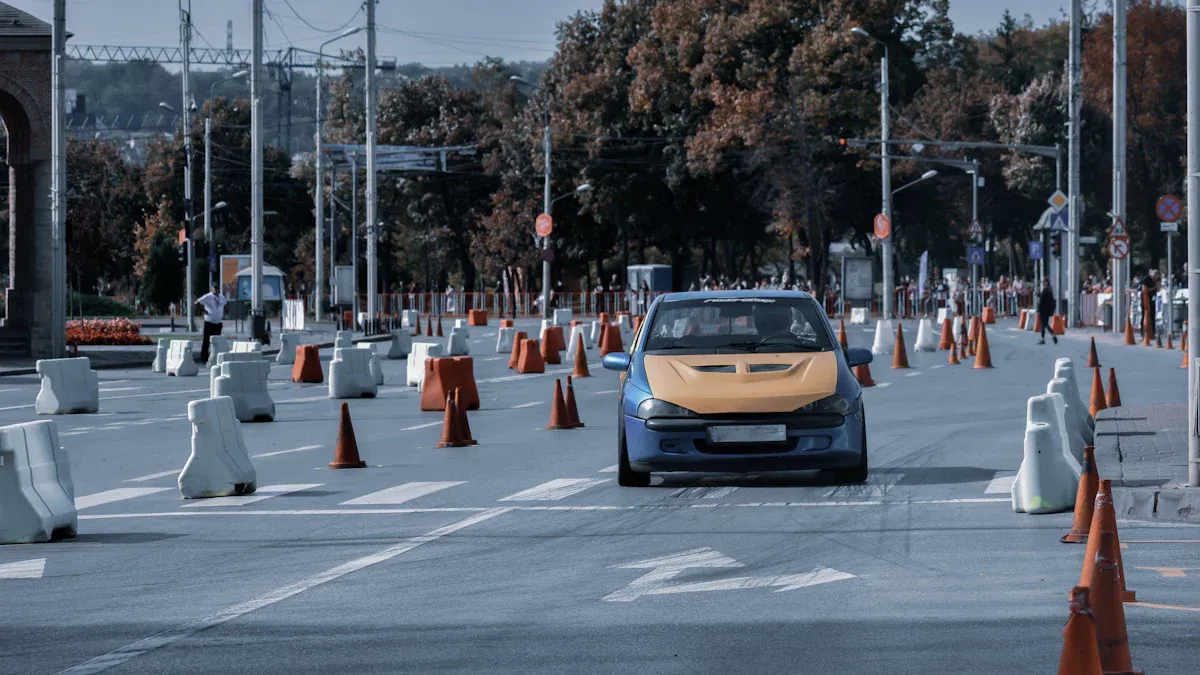
These driving lessons focus on your first time behind the wheel. You will start your practice in safe, low-speed areas. Empty parking lots are perfect for this. This section builds your core driving skills.
Lesson 4: Smooth Starts & Stops
Learning to drive means mastering smooth movements. You need to control the gas and brake pedals gently. New drivers often change speed a lot. They struggle to judge pedal pressure. This causes jerky movements. Practice in low-traffic areas. Focus on smooth pedal control. Monitor your speedometer to keep a steady speed. Do not be afraid to drive slower if you feel unsure. Beginners also brake too hard. You might press too lightly or too hard. This leads to sudden, uncomfortable stops. Start braking earlier than you think you need to. This gives you more time. Imagine a cup of coffee on your dashboard. You do not want to spill it. This encourages gentle braking. These lessons help you gain control.
Lesson 5: Steering Control & Turns
Good steering is a key driving skill. Hold the steering wheel with both hands. Use the “9 and 3” or “10 and 2” o’clock positions. Keep your grip firm but relaxed. When turning, look where you want the car to go. Gently turn the wheel. Let the wheel slide back to the center as you finish the turn. Practice making wide turns first. Then try sharper turns. This practice builds your confidence.
Lesson 6: Effective Mirror & Blind Spot Checks
You must know what is around your car. Check all your mirrors often. This is especially true when you merge or change lanes. Continuously scan the road. Know which vehicles are near you. If a car disappears from your mirror, it might be in your blind spot. You must turn your head to check your blind spots. This is called looking “over your shoulder.” The BGE (Blind-spot Glare Elimination) method helps. Lean your head against the driver’s side window. Adjust that mirror until you barely see your car’s side. Then lean to the center of the car. Adjust the passenger mirror the same way. This reduces blind spots. Always signal early. Check your mirrors. Look over your shoulder. Then go when it is safe. These lessons are vital for safety.
Lesson 7: Signaling Intentions
Signaling tells other drivers your plans. This is a legal requirement in most places. Activate your turn signal about 100 feet before turning in town. On highways, signal 5 seconds before changing lanes. Failing to signal can cause tickets. It can also raise your insurance costs. Always use your signals. This helps prevent accidents. It shows you are a responsible driver.
III. Navigating Traffic Safely
You have practiced in parking lots. Now you will gradually move to faster roads. You will face more complex traffic situations. These driving lessons prepare you for the real world.
Lesson 8: Safe Following Distance: 3-Second Rule
Maintain a safe following distance. This is a core part of your driving lessons. Use the 3-second rule. Pick a fixed object on the road. When the car in front passes it, count “one thousand one, one thousand two, one thousand three.” Your car should not reach that object before you finish counting. This rule gives you time to react. Highway engineers use 2.5 seconds for perception and reaction time. The National Safety Council recommends a minimum three-second following distance. This extends the standard for added safety. The 3-second rule accounts for the time to notice a risk and react. These lessons are vital for safe driving.
Lesson 9: Anticipating Road Hazards
Always look ahead. Anticipating road hazards is a key driving skill. Scan the road far in front of you. Look for potential dangers. These hazards include potholes, debris, or sudden stops by other drivers. Pay attention to identifying road signs. These signs warn you of upcoming curves, construction, or school zones. You can react in time if you see hazards early. This proactive approach prevents accidents. These lessons teach you to be prepared.
Lesson 10: Right-of-Way Rules
Understanding right-of-way rules is essential. These rules tell you who goes first. They prevent confusion and collisions. At a four-way stop, the first vehicle to arrive has the right of way. If two vehicles arrive side-by-side, the vehicle furthest right goes first. When two vehicles arrive head-to-head, the vehicle going straight has the right of way over a vehicle turning. Bicyclists are vehicles. They must stop and yield to traffic. Drivers must always yield to pedestrians. At uncontrolled intersections, the ‘yield to the right’ rule applies. The driver on the left must yield to the driver on the right. If you arrive first, proceed with caution. Treat intersections as four-way stops if traffic lights are not working. Always proceed with extreme caution. Make eye contact. Ensure your path is clear. These rules of the road are fundamental driving lessons. These lessons are crucial.
Lesson 11: Lane Discipline & Changes
Lane discipline means staying in your lane. It also means changing lanes safely. This is a critical skill for merging into traffic. Plan ahead before you drive a car. Ensure your mirrors are adjusted. Know your route to avoid sudden lane changes. Regularly check your mirrors. This keeps you aware of your surroundings. Use your turn signal early. This tells other drivers your intentions. Always check mirrors and blind spots before moving. Follow the S.M.O.G. technique: Signaling early, Mirror checks, Over-the-shoulder glance for blind spots, and Going when it is safe and clear. Avoid unnecessary lane changes. This is especially true in heavy traffic. It reduces the risk of incidents. When changing multiple lanes, do it one lane at a time. This is the safest way. Pause at each step. Ensure the next lane is clear. These driving lessons help you master complex driving situations. These lessons build your driving skills.
IV. Advanced Driving & Safety
Learning to drive a car involves mastering advanced skills. These advanced lessons prepare you for real-world challenges.
Lesson 12: Mastering Parking
You must master parking. This is a crucial part of your driving lessons. You will encounter different parking situations. These lessons are fundamental.
Parallel Parking: You drive next to a parallel car. Move back slowly. Turn the wheel towards the curb. Then turn the wheel away from the curb fast. Drive backward slowly. Align your seat with the other car’s rear bumper. Adjust your position. Ensure enough space to exit.
Perpendicular Parking: You park vehicles side-by-side. They are at a 90-degree angle to a curb. Place your car in the center of the spot. Turn your wheels straight. This is common in parking garages.
Angle Parking: This is similar to perpendicular parking. Vehicles align at an angle. It is easier and faster. You often see it in wide parking garages.
These parking skills require practice.
Lesson 13: Driving in Adverse Conditions
Driving in adverse conditions demands extra care. Wet roads reduce traction. Water acts as a lubricant. This reduces steering responsiveness. It increases sliding. Stopping distances are longer. You need more time to stop. Hydroplaning is a risk. Your tires cannot disperse water fast enough. Your car rides on water. You lose steering and braking control. These driving lessons teach you to handle road hazards. These lessons are critical for your development.
Slow down significantly. Increase your following distance to 5-6 seconds. Make deliberate, smooth movements. Avoid sudden braking or steering. Turn on your headlights. Check your tire tread depth. Never use cruise control. Watch for standing water. Avoid large puddles. If you hydroplane, ease off the accelerator. Do not brake. Steer gently. Wait for your tires to reconnect with the road.
Lesson 14: Managing Driving Distractions
Managing driving distractions is vital for safety. Many things take your focus from the road. In-car infotainment systems are a common hazard. They require taps or voice commands. This creates visual, manual, and cognitive distractions. Everyday habits also distract you. Eating, drinking, or grooming take your eyes off the road. Reaching for objects makes you look away. Adjusting car controls diverts attention. Passengers, kids, and pets are also hazards. Adult passengers engage you in conversation. Children cry or drop toys. Pets move unpredictably. These distractions slow your reaction time. They narrow your attention. You must focus on driving. These lessons help you stay alert. These lessons are important for every driver.
Lesson 15: Defensive Driving Mindset
Develop a defensive driving mindset. This reduces accident risk. Maintain a safe following distance. Use the three-second rule. This allows more reaction time. Be aware of blind spots. Check mirrors frequently. Perform head checks before changing lanes. Avoid distractions. Do not text or adjust the radio. Focus fully on the road. Anticipate other drivers’ actions. Watch for sudden lane changes. Look for failure to signal. Be aware of pedestrians and cyclists. This proactive approach improves your driving skills. Continuous practice makes you a safer driver. These driving lessons are essential for your long-term safety. These lessons will serve you well. These lessons empower you.
Learning to drive a car is a journey, not a destination. Continuous practice is key. Apply these 15 driving lessons consistently. You will develop safe driving habits. For example, consistent practice reduces crash rates. It helps you build experience safely. This foundation of good skills lasts a lifetime. It helps you avoid crashes. Patience, staying alert, and prioritizing safety are vital. These driving lessons help you maximize your learning experience. Remember these driving lessons. You become a confident and responsible driver. Your practice leads to lifelong safe driving habits and increased confidence.
FAQ
How long does it take to learn to drive?
Learning time varies. Most teen drivers need many hours of practice. You must pass a driving test. This test shows your skills. Some teen drivers learn faster. Others need more time. Prepare well for your final test.
How can I best prepare for my driving test?
Practice consistently. Drive with a licensed adult. Consider a professional driving instructor. They offer valuable tips. This helps you pass your driving test. Many teen drivers benefit from this preparation for the test.
Why are professional driving lessons important?
Professional lessons offer structured learning. They teach you safe habits. This builds confidence. They prepare you for your driving test. This is the importance of professional driving lessons. Many teen drivers find them very helpful for the test.
What are common challenges for teen drivers?
Teen drivers face many challenges. They lack experience. This makes driving harder. Peer pressure can also distract a teen. Night driving is tough for a new teen. You must stay focused. This is a real test of skill.
How can teen drivers stay safe on the road?
Always avoid distractions. Put your phone away. Follow all traffic laws. Drive defensively. Get enough practice. This helps every teen driver. Remember, every drive is a true test.



