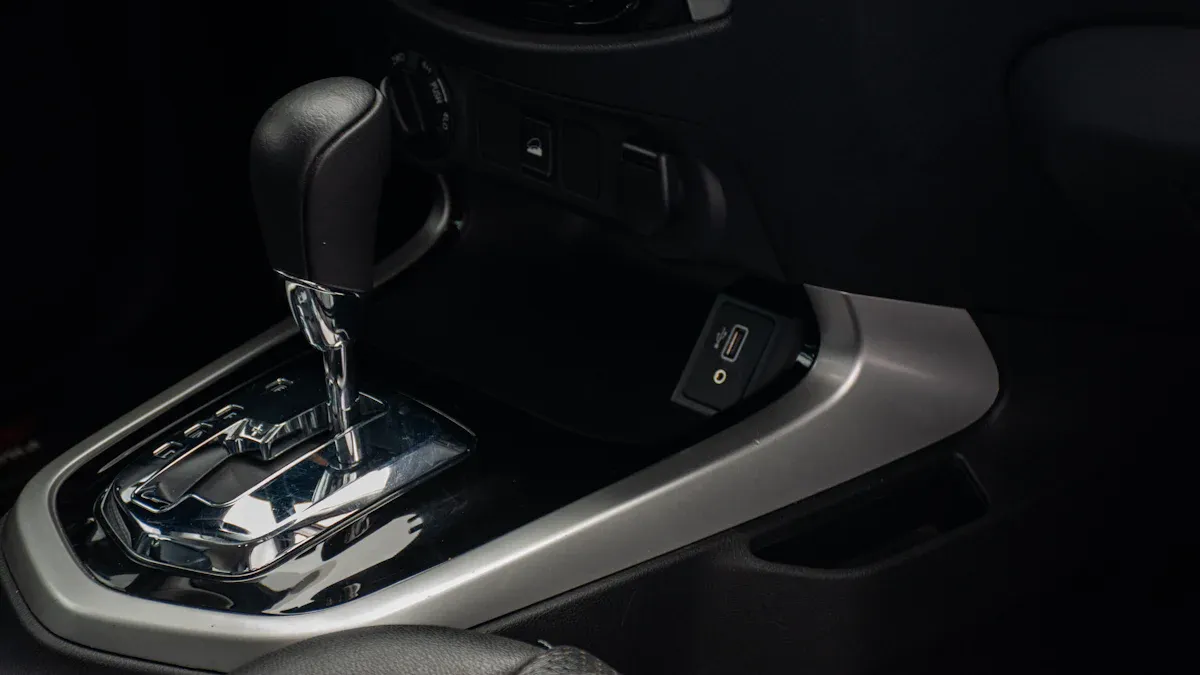
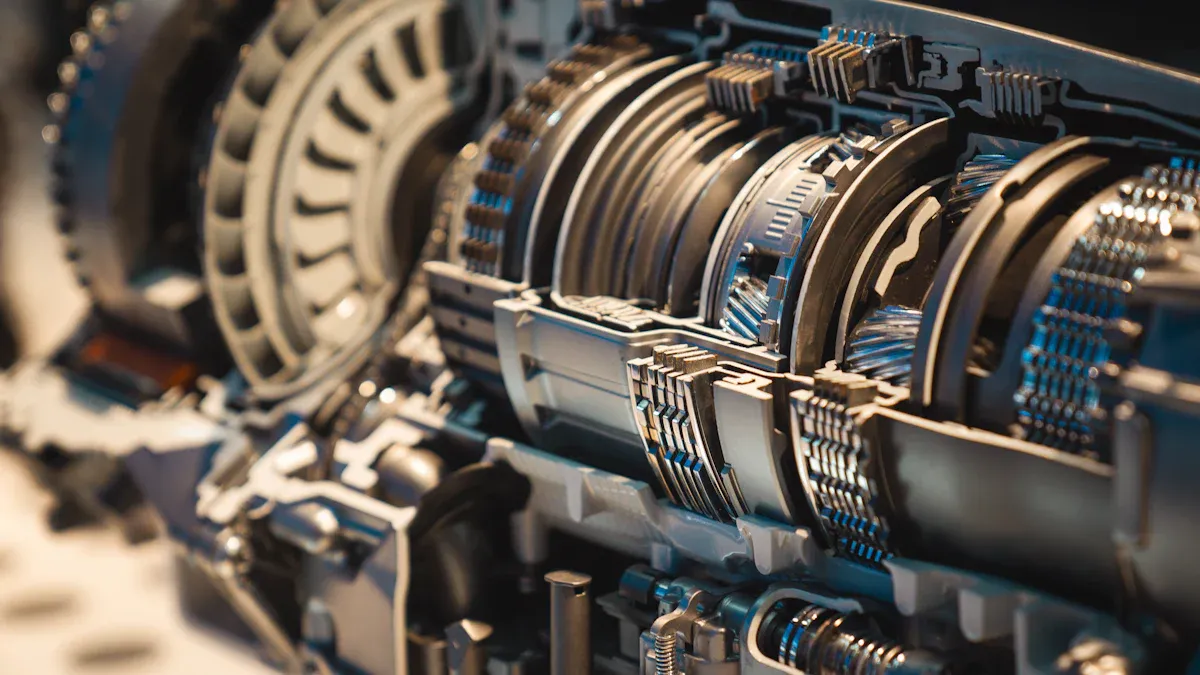
A dual clutch transmission (DCT) is a unique gearbox. It features two separate clutches. One clutch handles odd gears, and the other handles even gears. This advanced automated manual transmission blends manual and automatic characteristics. It offers computerized shifting. You experience the economy and feel of a dual-clutch transmission. The dual-clutch automatic market is growing. Experts project a 5.0% Compound Annual Growth Rate for dual clutch transmissions from 2023 to 2033. This growth highlights its increasing role in modern driving.
Key Takeaways
Dual Clutch Transmissions (DCTs) shift gears very fast. This makes cars perform better and use less fuel.
DCTs cost more money. They can also feel jerky when driving slowly in traffic.
You must take good care of a DCT. Follow the maintenance schedule and avoid creeping in traffic to make it last longer.
Always get software updates for your DCT. This helps prevent problems and keeps it working well.
Dual Clutch Transmission Advantages
Faster, Seamless Gear Shifts
A dual clutch transmission offers incredibly fast gear changes. One clutch handles odd gears. The other clutch manages even gears. This unique setup allows the transmission to pre-select the next gear before you even need it. When you shift, the change happens almost instantly. You experience seamless transitions. This greatly improves your vehicle’s performance.
Improved Fuel Efficiency
You will notice better fuel efficiency with a dual-clutch transmission. This is because it creates a direct mechanical connection between the engine and wheels. Unlike traditional automatics, it does not use a torque converter. This direct mechanical connection means less energy loss. The result is higher efficiency. You get more miles from each tank of gas.
Enhanced Performance and Sportiness
Dual clutch transmissions boost your vehicle’s overall performance. They deliver quicker acceleration. This makes them ideal for performance cars and high-performance vehicles. You will feel a more responsive vehicle. This creates a more engaging driving experience. The rapid shifts contribute to a sporty feel. This enhances your connection to the road.
Smooth Operation
You will enjoy very smooth acceleration. The quick and precise gear changes minimize any jerking. This provides a comfortable driving experience. The operation feels fluid. You get consistent power delivery. This contributes to a very comfortable ride.
Manual Mode Control
Many dual clutch transmissions offer a manual mode. This gives you direct control over gear selection. You can use paddle shifters or the gear lever. This feature lets you choose when to shift. It adds to the sporty driving. You can optimize performance for different situations. This level of control enhances your driving pleasure.
Dual Clutch Transmission Disadvantages
While dual clutch transmissions offer many benefits, you also need to understand their drawbacks. These transmissions come with specific challenges you should consider.
Higher Initial Cost
You will often find vehicles with a dual clutch transmission carry a higher price tag. This is because the technology is more advanced and complex to manufacture. The intricate design and specialized components contribute to this increased cost. You pay more upfront for the sophisticated engineering involved.
Low-Speed Jerkiness
You might experience some jerkiness, especially at low speeds or in heavy traffic. This can feel less smooth than a traditional automatic transmission. A dual-clutch transmission works by having one gearbox engaged in the current gear while the other pre-selects the next anticipated gear. This design allows for very fast shifts when the computer guesses correctly. However, if the computer’s prediction is wrong—for example, if you suddenly downshift when the system expected an upshift—the transmission must quickly re-select the correct gear. This necessary re-selection and the slight delay in engaging the right gear often cause that low-speed jerkiness you feel. This is particularly noticeable when you are creeping in traffic, as the clutches engage and disengage frequently. This constant engagement and disengagement can also lead to increased wear over time.
Increased Complexity and Maintenance
The advanced design of dual clutch transmissions means they are more complex than traditional automatics or manuals. This complexity can lead to higher maintenance costs. If a repair becomes necessary, you might find parts are more expensive and fewer mechanics specialize in these systems. This means you could pay more for service and repairs.
Heavier Than Manuals
You might think a high-tech transmission would be lighter, but a dual clutch transmission often weighs more than a standard manual gearbox. This added weight comes from the extra clutch, the complex gear sets, and the electronic control units. While the difference might not be huge, it can slightly impact a vehicle’s overall weight, which in turn can affect its handling and fuel economy in some specific driving situations.
Specific Driving Adaptations
You may need to adjust your driving style when operating a vehicle with a dual clutch transmission. For instance, you should avoid “creeping” slowly in traffic for extended periods. This action causes the clutches to slip more, leading to premature wear. You also need to be mindful of how you use the accelerator and brake pedals. Smooth, deliberate inputs are best for optimal performance and longevity of the transmission. Understanding these specific driving adaptations helps you get the most out of your vehicle.
11 Tips for DCT Owners and Buyers
You own a vehicle with a dual clutch transmission, or you are thinking about buying one. These tips help you get the best experience. They also help you keep your transmission in top condition.
Tip 1: Understand Your DCT Type
You should know if your dual clutch transmission is a “wet” or “dry” type. This affects how you care for it. Wet-clutch DCTs use fluid to cool the clutches. Dry-clutch DCTs do not.
Feature | Wet-Clutch DCT | Dry-Clutch DCT |
|---|---|---|
Transmission Efficiency | Lower (5%-10% less than dry dual clutch due to oil limitations) | Higher (highest among automatic gearboxes) |
Cleanliness | Engine oil traps dust/contaminants, keeps system clean | Fast contamination, captures more dust and contaminants, oily surface becomes dirty quickly |
Understanding your DCT type helps you understand its specific needs for performance and longevity.
Tip 2: Avoid Creeping in Traffic
You should avoid letting your car “creep” slowly in heavy traffic. This means you should not just let off the brake a little to move forward. This action causes the clutches to slip too much. This creates extra heat and wear.
Relying on a DCT’s Hill Hold or Creep functionality in stop-and-go traffic or on inclines, while easing driver fatigue, can strain the transmission. Frequent use of these features can accelerate the wear of clutch packs compared to normal driving conditions, particularly in heavy traffic.
A dual-clutch transmission needs its clutch to be fully engaged or fully released. This is different from older automatic transmissions. When you drive slowly, the DCT slips the clutch to make the movement smooth. This constant slipping creates too much heat. It wears out the clutch packs faster. This problem is worse in dry-clutch DCTs. They do not have fluid to cool them. This can lead to premature failure.
Tip 3: Utilize Manual Mode
Your DCT often has a manual mode. You can use paddle shifters or the gear lever. This gives you direct control over gear changes. Using manual mode can reduce clutch wear in some situations. It also gives you a more engaging driving experience. You can choose the right gear for better performance.
Tip 4: Smooth Throttle Inputs
You should use smooth and steady pressure on the gas pedal. Avoid sudden, jerky accelerations or decelerations. Smooth inputs help the transmission shift more efficiently. This reduces stress on the clutches and gears. It also makes your driving smoother.
Tip 5: Adhere to Maintenance Schedules
You must follow the manufacturer’s recommended maintenance schedule. This is very important for your dual-clutch transmission. Regular fluid and filter changes keep your DCT working well.
Component | Interval (Miles) | Interval (Years) | Notes |
|---|---|---|---|
DCT Filter Change | 7,500 | N/A | Initial change, then every 22,500 miles thereafter. |
DCT Fluid Change | 22,500 | 3 | Change if fluid life is below 10% at 22,500 miles, or every 3 years, whichever comes first. |
Hydraulic System Flush | N/A | N/A | Performed as the first step for external canister filter replacement. |
Proper maintenance extends the life of your transmission. It also helps maintain its efficiency.
Tip 6: Thorough Test Drive
If you are buying a car with a DCT, take a long test drive. Drive it in different conditions. Try city driving, highway driving, and stop-and-go traffic. Pay attention to how the transmission shifts. Listen for any unusual noises. This helps you understand its behavior before you buy.
Tip 7: Check for Software Updates
Your dual-clutch transmission relies on complex software. This software controls its shifting. Software glitches or outdated firmware can cause problems.
A significant symptom of a dual-clutch transmission requiring a software update, as reported by some Hyundai owners, is a sudden loss of power while driving. This dangerous situation, which can occur at high speeds, is attributed to malfunctioning transmission software that unexpectedly forces the transmission into neutral.
You should check for software updates for your vehicle. These updates can fix bugs and improve transmission performance.
Dual-clutch transmissions (DCTs) can exhibit issues due to software glitches or outdated firmware. These electronic control unit (ECU) related problems can lead to improper gear shifts and other anomalies, highlighting the importance of keeping vehicle software updated to prevent such malfunctions.
Here are some signs you might need a software update:
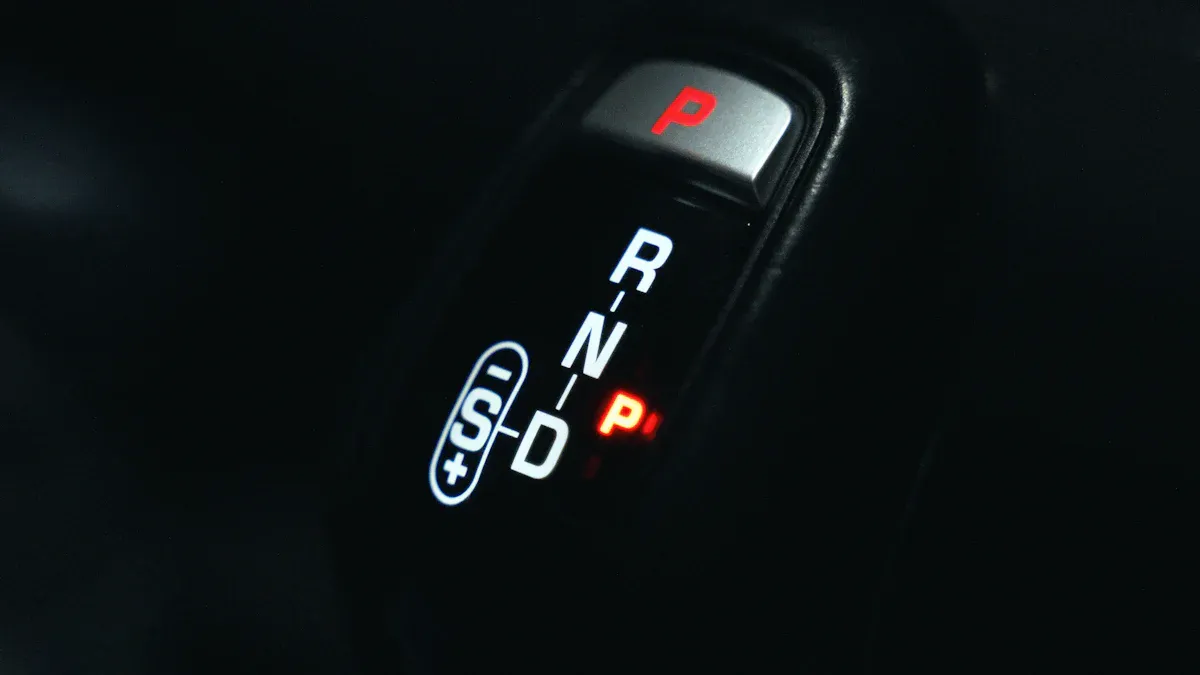
PRNDS Light Flashing on Dashboard: This light indicates a transmission fault. Software errors can cause this.
Incorrect Gear Selection or Unexpected Shifting Behavior: The transmission might shift into the wrong gear. It might also behave strangely. This can lead to a loss of power.
Tip 8: Avoid Brake Pedal Resting
You should not rest your foot on the brake pedal while driving. This is especially true when you are stopped at a light. Even light pressure can cause the clutches to slightly engage. This creates unnecessary wear and heat.
Here are the potential negative effects:
Premature clutch wear due to constant slight engagement.
Overheating of the clutch mechanism.
Reduced fuel efficiency.
Potential for unexpected lurching or jerky movements.
Increased maintenance costs due to early component failure.
Tip 9: Learn Launch Control
Some DCT-equipped cars have a launch control feature. This system helps you achieve the fastest possible acceleration from a standstill. It manages engine RPM and clutch engagement for optimal performance. Learn how to use it correctly if your car has this feature. Use it sparingly, as it can put stress on the drivetrain.
Tip 10: Monitor for Unusual Noises
You should pay attention to any new or strange noises coming from your transmission. Unusual sounds can signal a problem.
Common unusual noises include:
Whining noises
Humming noises
Clunking noises
Other sounds to watch for are:
Grinding sounds
Clicking sounds
Clunking sounds
If you hear any of these, have your vehicle inspected by a professional.
Tip 11: Seek Specialist Repairs
If your DCT needs repair, take it to a specialist. Dual clutch transmissions are complex. Not all mechanics have the right tools or knowledge. A specialist understands these systems. They can diagnose and fix problems correctly. This saves you money and prevents further damage in the long run.
You now understand the benefits and drawbacks of dual clutch transmissions. They offer a superior driving experience with performance gains. However, you must consider their higher cost and complexity. Your driving habits also play a big role. Apply these 11 tips for optimal ownership. This helps you make an informed decision. Is a dual-clutch transmission the right choice for your driving needs?
FAQ
Is a Dual Clutch Transmission reliable?
Yes, a DCT can be reliable. You must follow the manufacturer’s maintenance schedule. Proper care helps ensure its longevity. Avoid harsh driving habits. This includes excessive creeping in traffic.
How long do Dual Clutch Transmissions typically last?
A DCT can last over 100,000 miles. This depends on your driving habits and maintenance. Regular fluid changes are crucial. You should also avoid putting too much stress on the clutches.
Is a DCT better than a traditional automatic?
A DCT offers faster shifts and better fuel efficiency. It provides a sportier feel. Traditional automatics often offer smoother low-speed driving. Your preference depends on your driving style.
Can you tow with a DCT-equipped car?
You can tow with some DCT-equipped cars. Always check your vehicle’s owner’s manual. It specifies the maximum towing capacity. Exceeding this limit can damage your transmission.