A dual clutch transmission (DCT) uses two separate clutches. One clutch handles odd-numbered gears, and the other manages even-numbered gears. This unique dual-clutch design allows for incredibly fast and smooth gear changes. You get the efficiency of a manual with the convenience of an automatic. This post explores the advantages and disadvantages of dual-clutch transmissions and provides 11 essential tips for owners and potential buyers.
Key Takeaways
Dual-clutch transmissions (DCTs) shift gears very fast. They help cars go quicker and save gas.
DCTs can cost more to buy and fix. They might also feel a bit jerky when driving slowly.
There are two types of DCTs: wet and dry. Wet DCTs use oil to stay cool, while dry DCTs do not.
Avoid driving slowly in traffic for a long time. This can wear out the clutch faster, especially in dry DCTs.
Always get your DCT checked regularly. This includes changing fluids to keep it working well.
Dual Clutch Transmission Advantages
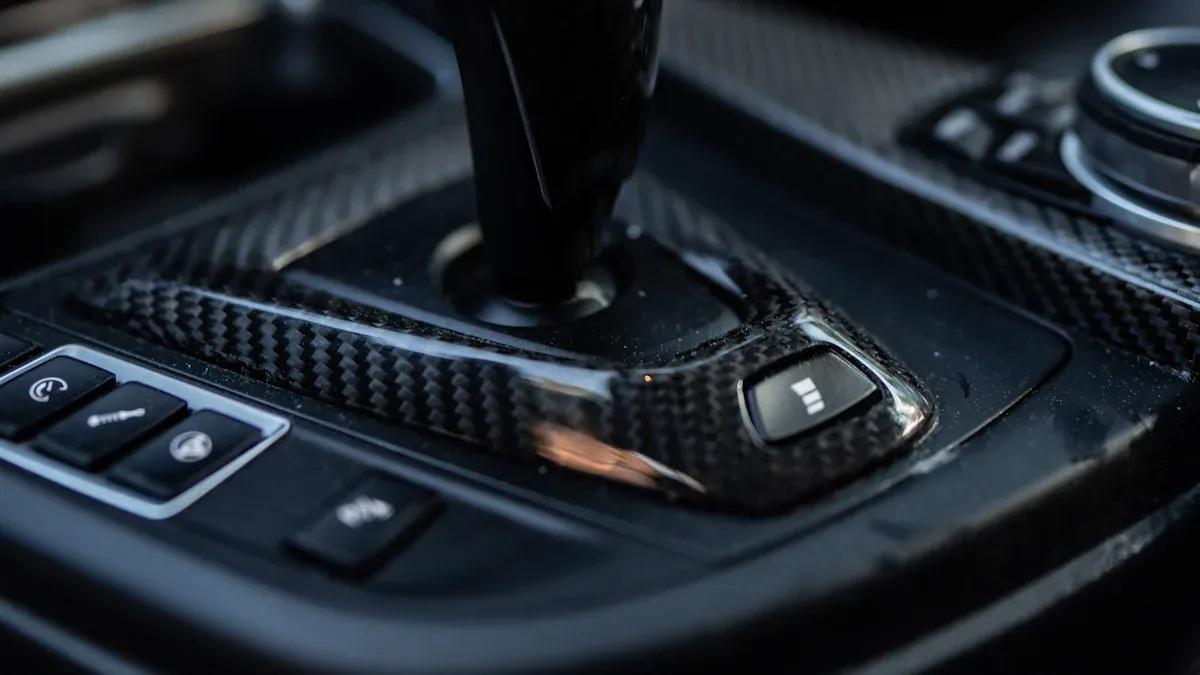
Dual-clutch transmissions offer many benefits. They combine the best features of manual and automatic gearboxes. You get efficiency, speed, and control.
Faster Gear Shifts
A dual-clutch system pre-selects the next gear. This means the transmission is always ready. One clutch engages the current gear. The other clutch prepares the next gear. This leads to lightning fast shifts. You experience improved acceleration. These fast or smooth shifts are quicker than a human can achieve with a manual transmission.
Better Fuel Economy
Dual-clutch transmissions operate without a torque converter. This maintains a direct mechanical connection between the engine and wheels. This design greatly contributes to fuel efficiency. Automotive experts estimate a 6-speed dual-clutch transmission can increase fuel efficiency by up to 10 percent compared to a standard 5-speed automatic. This makes a dual-clutch a smart choice for saving gas.
Enhanced Performance
DCTs generally offer better performance than traditional automatic transmissions. The quick gear changes keep your engine in its optimal power band. This translates to quicker acceleration and a more engaging driving experience. Look at these examples of how a dual-clutch improves performance:
Model | Transmission Type | 0-60 mph / 0-62 mph Time |
|---|---|---|
Volkswagen Golf R32 | Manual | 6.6 seconds (0-60 mph) |
Volkswagen Golf R32 | DSG | 6.4 seconds (0-62 mph) |
Volkswagen Golf GTI (MK7) | Seven-speed DSG | ~6.5 seconds (0-62 mph) |
Hyundai Elantra N | Eight-speed N-tuned DCT | 4.8 seconds (0-60 mph) |
BMW M2 (F87) | M-DCT | ~4.0 seconds (0-60 mph) |
Audi RS3 Sedan | Audi S-Tronic | 3.6 seconds (0-60 mph) |

For example, a Porsche 911 Carrera with an eight-speed PDK (a type of dual-clutch) can hit 60 mph in just 3.0 seconds. This shows the incredible performance potential.
Smooth Operation
The design of a dual clutch transmission ensures very smooth operation. Gear changes happen almost seamlessly. You will notice a continuous power delivery. This results in smooth acceleration without the lurching often found in older automatic transmissions.
Manual Mode Option
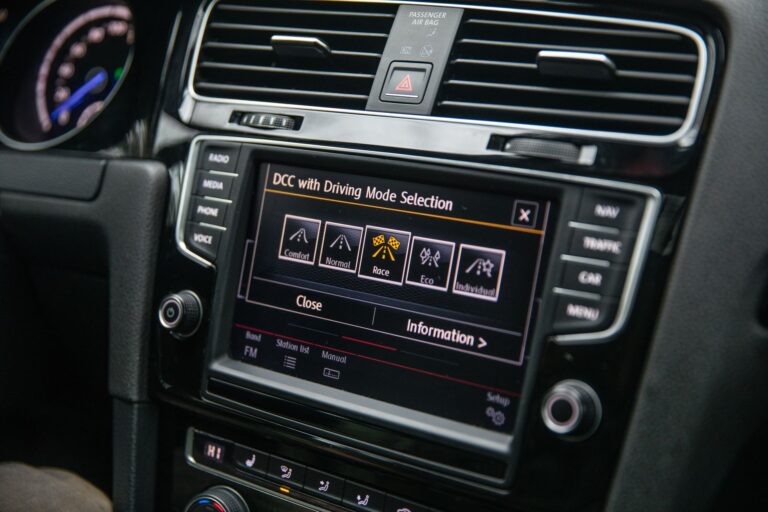
Many dual-clutch transmissions offer a manual mode. This gives you the best of both worlds. You can let the car shift automatically for convenience. Or, you can take control using paddle shifters or the gear lever. This option allows you to choose your driving style.
Dual-Clutch Disadvantages
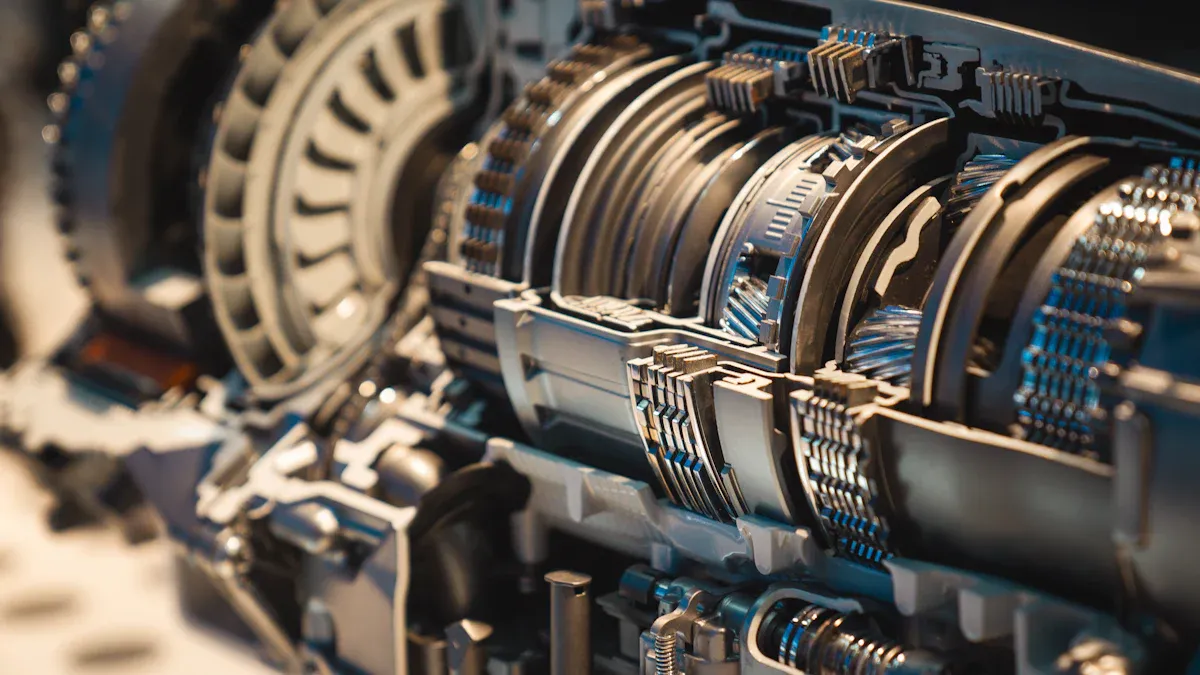
While dual-clutch transmissions offer many benefits, they also come with some drawbacks. You should understand these points before you buy or own a vehicle with this technology.
Higher Initial Cost
Dual-clutch transmissions are generally more expensive to make. This means you will pay more for a car with a dual-clutch system than for one with a traditional automatic or manual transmission. The advanced engineering and components add to the price.
Low-Speed Jerkiness
You might experience some hesitation or jerkiness with a dual-clutch, especially in slow-moving traffic or when parking. This happens because the system constantly engages and disengages clutches at very low speeds.
I was fortunate to test drive a used 2002 C8 before ordering my 2024. I noticed the low speed jerkiness and decided it was minor, probably inherent to the design or implementation of the transmission and that it is part of the personality of the car.
This characteristic can feel different from a smooth automatic.
This guy explains how dual-clutch transmissions (DCT) work and why we experience delay in shifting sometimes. I highly recommend all CLA (and other DCT) owners to watch this explanation. He also briefly explains why the car jerks at low speeds sometimes.
Increased Complexity & Cost
The intricate design of a dual-clutch transmission means more parts and complex systems. If issues arise, repairs can be more expensive. You often need specialized tools and knowledge to fix these transmissions.
Added Weight
Some dual-clutch systems can be heavier than traditional manual transmissions. This extra weight can slightly impact a vehicle’s overall performance or fuel efficiency. However, the benefits often outweigh this small increase.
Driving Habit Adaptation
You might need to change your driving style to get the best performance and longevity from your dual-clutch. For example, avoid prolonged low-speed creeping in traffic. This habit puts extra wear on the clutches. You also have less fine control at very low speeds compared to a manual clutch.
11 DCT Tips for Owners and Buyers
Owning a car with a dual-clutch transmission offers a unique driving experience. You can maximize its benefits and longevity by following these tips. These suggestions help you understand and care for your advanced gearbox.
Tip 1: Understand Your DCT Type
Dual-clutch transmissions come in two main types: wet and dry. Knowing which type your car has helps you understand its characteristics and maintenance needs.
Feature | Wet Dual-Clutch Transmission | Dry Dual-Clutch Transmission |
|---|---|---|
Cooling Mechanism | Bathed in oil for cooling | No oil bath for cooling |
Torque Capacity | Often used in applications with higher torque loads (e.g., Bugatti Veyron’s 1,250 N·m engine) | Typically for lower torque applications |
Oil Use | Utilizes oil for cooling and lubrication | Does not use oil for clutch cooling |
Thermal Endurance | Increased thermal endurance due to oil cooling | Lower thermal endurance compared to wet DCTs |
Wet dual-clutch systems use oil to cool the clutches. This makes them suitable for higher power applications. Dry dual-clutch systems do not use oil for cooling. They are often found in smaller, less powerful cars.
Tip 2: Avoid Creeping in Traffic
Prolonged low-speed creeping in traffic significantly increases wear on dual-clutch transmission clutches. The DCT’s direct coupling needs continuous clutch slippage. This happens to mimic the smooth operation of a traditional automatic. Torque converters absorb speed variations. DCTs must be fully engaged or disengaged. Sustained slippage creates heat. This causes premature wear of the clutch plates. This problem is especially bad for dry-clutch DCTs. They lack fluid cooling. They are very prone to overheating and failure in these conditions.
Low-speed creeping in traffic jams causes dual-clutch plates to stay in a semi-linked state. This leads to continuous wear.
Frequent shifting between 1st and 2nd gears during low-speed traffic greatly increases the wear of the running-in plates. It reduces their lifespan.
When the gearbox is in D gear and you apply the brake during traffic jams, it stays in a semi-linked state. This increases clutch plate loss.
You should avoid this habit to protect your dual-clutch.
Tip 3: Use Manual Mode for Control
Many dual-clutch transmissions offer a manual mode. This gives you more control over gear selection. You can use paddle shifters or the gear lever. This is useful for specific situations. For example, you can use it when driving uphill or downhill. It is also great for spirited driving.
When it’s time for a bit more involvement you knock it into manual mode and away you go.
This feature can be thrilling. It gives you better control over your vehicle’s performance.
Tip 4: Be Gentle with Low-Speed Throttle
You should use smooth throttle inputs at low speeds. This helps prevent jerkiness. It ensures smoother engagement of the clutches. A gentle foot on the accelerator makes a big difference. It improves the driving experience. It also reduces stress on the transmission.
Tip 5: Regular Maintenance is Crucial
You must follow your manufacturer’s service schedule. This is especially true for fluid changes. Regular maintenance is vital for the longevity of your dual-clutch transmission.
Wet clutch DCT systems typically need fluid changes around every 40,000 miles. They have faster contamination rates.
Dry clutch DCT systems can extend the fluid change interval much longer than wet clutch systems.
Proper fluid levels and clean fluid keep your transmission working well.
Tip 6: Test Drive Thoroughly
If you are buying a car with a dual-clutch, test drive it extensively. Experience the DCT in various driving conditions. This includes city driving, highway speeds, and parking maneuvers.
Drive on varying road roughness. This includes flat roads and uneven surfaces.
Test different adhesion coefficients, like wet road surfaces.
Drive on varying road slopes. Try 10% road slopes and general uphill conditions.
Start on a straight asphalt road.
Start on a Class B random uneven road surface.
Start on a wet and slippery road surface.
Start on an uphill slope with a gradient of 10%.
This helps you understand how the transmission behaves. It ensures you are comfortable with its characteristics.
Tip 7: Be Aware of Software Updates
Manufacturers often release software updates for their dual-clutch transmissions. These updates improve performance, shift logic, and fix known issues.
BMW: DCT transmissions receive regular software updates. These address model-specific characteristics. M-car owners report smoother low-speed operation.
Porsche: PDK systems frequently receive updates. These focus on improving launch control consistency. They also reduce shift times in Sport Plus mode.
Audi: S-Tronic gearboxes benefit from regular software updates. These address model-specific characteristics.
Mercedes-AMG: MCT transmissions receive updates. These refine wet-clutch engagement. They provide smoother take-offs and reduced shudder during low-speed maneuvers.
Nissan: The GT-R’s GR6 transmission has received many updates. These improve shift speed, clutch longevity, and fix early clunking issues.
Mitsubishi: Evo X owners with SST transmissions have seen big improvements. These come through software updates. They address early reliability concerns, improve shift quality, and extend service intervals.
You should check with your dealership for any available updates.
Tip 8: Don’t Rest Foot on Brake
You should avoid resting your foot on the brake pedal. This can cause unnecessary clutch engagement and wear in some DCT systems.
Repeated stop-and-go launches on steep grades can increase transmission clutch temperatures. Sudden take-off or acceleration can also do this. Other harsh driving conditions can also lead to overheating.
In stop-and-go traffic, when stopped, you should move the shift lever to N (Neutral) or P (Parking). This reduces driving stress and improves transmission operation.
This simple habit helps preserve your clutches.
Tip 9: Understand Launch Control
Some dual-clutch transmission vehicles have a launch control feature. This helps you achieve optimal acceleration from a standstill. You should understand its proper use.
Engage Competitive Driving Mode / PTM: Double-press the Traction Control button (slippery car symbol) on the center console. This activates Competitive Driving Mode (non-Z51 C8) or Performance Traction Management (PTM) (Z51-package C8). This makes Launch Control available. The instrument cluster will confirm the change.
Hold the Brake Firmly: Press and hold the brake pedal firmly to the floor with your left foot. Ensure the car stays still when you apply throttle. If the car moves forward, press the brake harder.
Floor the Accelerator: Rapidly press the accelerator pedal to the floor (wide-open throttle) with your right foot. Keep holding the brake. The engine RPM will surge. The Launch Control system will then cap it to an optimal level (e.g., mid-3000s RPM for Stingray). Keep the accelerator floored.
Release the Brake (Launch!): Swiftly release the brake pedal. Keep the accelerator fully depressed. The car will launch with maximum acceleration. The system will manage power to minimize wheel spin. The dual-clutch transmission will handle gear shifts.
Launch control aims for consistent launches. It optimizes engine RPM, throttle position, and manifold pressure. For launch control to activate, the vehicle must be stopped. The system must be enabled.
Tip 10: Listen for Unusual Noises
You should pay attention to any strange sounds from your transmission. Unusual noises like grinding or whining, especially during gear changes, indicate potential dual-clutch transmission problems.
Whining Noise: This often signals low or contaminated transmission fluid. It can also mean a worn torque converter.
Grinding Noise: This can indicate worn synchronizers or a damaged clutch. It can also mean internal wear or fluid issues in automatics.
Clunking Sound: This typically points to worn gears, failing bearings, or driveshaft problems.
Humming or Buzzing: This may suggest issues with the transmission pump or damaged internal components.
Prompt attention to these sounds can prevent major issues.
Tip 11: Consult a Specialist for Repairs
If your dual-clutch transmission needs repairs, seek out specialists. Find mechanics or dealerships experienced specifically with these transmissions. Their expertise ensures proper diagnosis and repair. This protects your investment.
Dual-clutch transmissions offer impressive performance benefits. You get fast shifts and improved fuel economy. However, you must consider their higher cost, complexity, and specific driving habits. Weigh these factors carefully. Apply the provided tips for optimal ownership. This ensures the longevity of your dual-clutch. Is a dual-clutch the right transmission for your driving needs.