

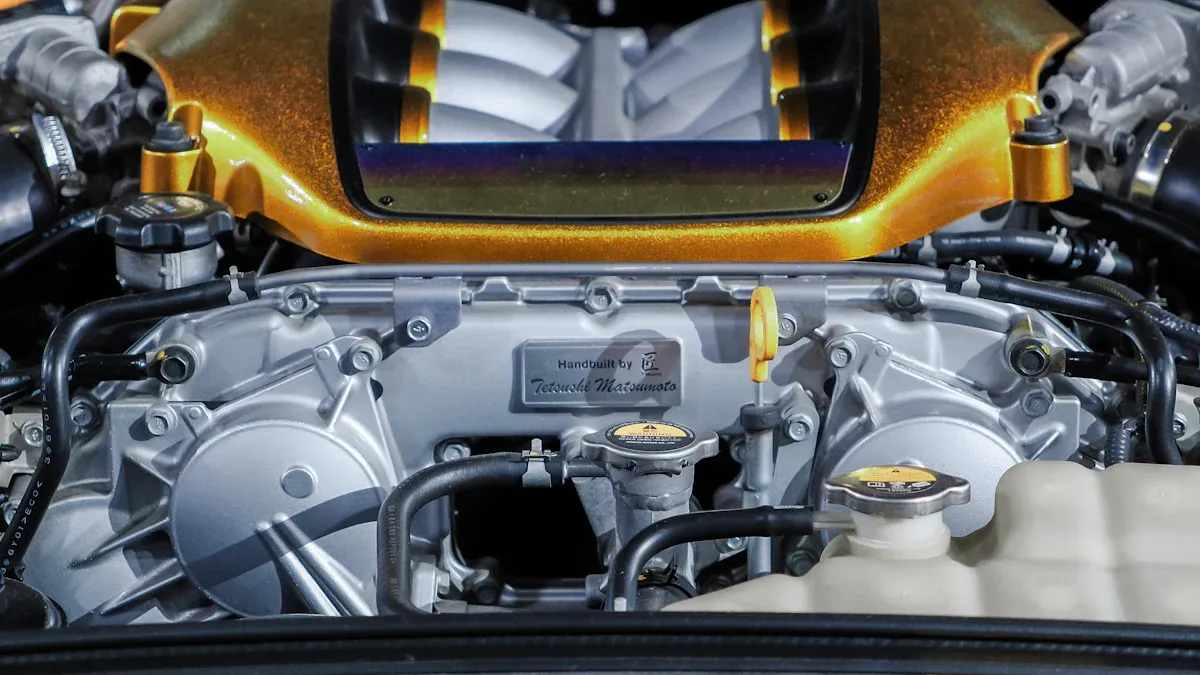
Coolant protects your engine. It maintains proper temperature and prevents damage. Sometimes, coolant disappears, but you see no external leaks. This hidden loss is dangerous. Cooling system problems cause 53% of early engine failures before 150,000 miles. Ignoring these hidden issues leads to catastrophic damage. This post reveals nine secret engine killers behind mysterious coolant disappearance.
Key Takeaways
Coolant loss without visible leaks means a serious internal problem. It can damage your engine.
Hidden leaks can come from parts like the head gasket, cracked engine block, or water pump. These leaks cause coolant to mix with oil or burn in the engine.
Watch for signs like white smoke, milky oil, or a sweet smell inside your car. These clues help find internal leaks.
Ignoring hidden coolant leaks leads to expensive engine damage or total engine failure. Get your car checked right away.
A bad radiator cap can also cause coolant loss. It stops the cooling system from working right.
Head Gasket: A Silent Engine Killer
Coolant Loss Mechanisms
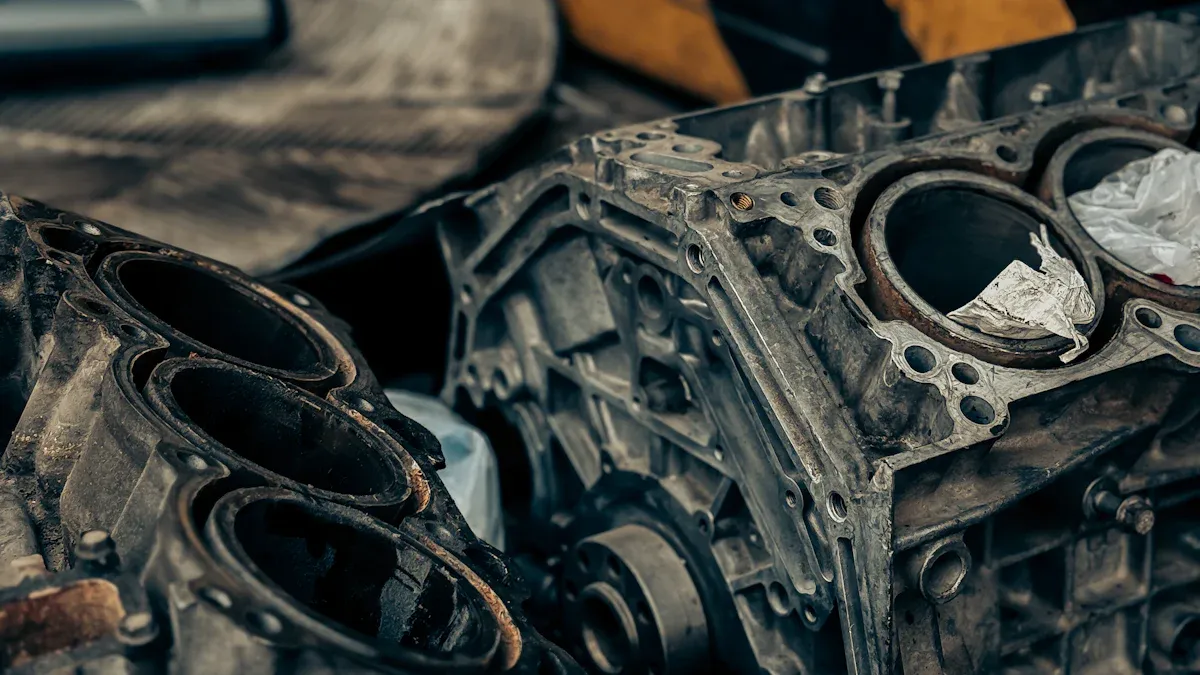
A head gasket seals vital engine parts. It separates combustion chambers, oil passages, and coolant passages. When this gasket fails, coolant travels to wrong places. Coolant can enter the combustion chamber. Your engine burns it off. You see no external leaks. This process might even clean your combustion chamber.
Coolant can mix with engine oil. This corrupts the oil’s properties. It reduces engine lubrication. You might see a milky substance on your dipstick or oil filler cap. Combustion gases can leak into the cooling system. These gases create air pockets. Air pockets reduce cooling effectiveness. Your engine overheats. It may push coolant into the overflow tank. Coolant entering cylinders causes white smoke from the tailpipe. A large amount can cause hydrolock.
Key Symptoms and Indicators
You might notice your coolant level dropping. You find no puddles under your car. Your engine could overheat frequently. You might see white smoke from your exhaust. This happens even on warm days. Your engine oil might look milky or foamy. Check your oil filler cap for this. Your car’s heater might not work well. Air in the system causes this.
Diagnostic Methods
You need to confirm a head gasket leak. Several tests help you. A compression test is very useful. It checks pressure in each cylinder. If two side-by-side cylinders show zero pressure, the gasket between them is bad. An exhaust gas analyzer test detects combustion gases. It checks your cooling system. A mechanic inserts a probe into the radiator. If combustion gases are present, the analyzer shows it. A combustion leak tester, also called a block tester, is another option. This kit uses a special fluid. The fluid changes color if combustion gases are in your coolant. You idle a warm engine. You force radiator gases through the fluid. A color change confirms a leak. These are serious Engine Killers.
Cracked Engine Block or Cylinder Head
Internal Crack Pathways
A crack in your engine block or cylinder head is a serious problem. These cracks create pathways for coolant to escape. Coolant can leak directly from the cylinder head. This causes your engine to overheat. You might not see any external leaks. The coolant burns off in the combustion chamber. Sometimes, coolant mixes with your engine oil. This creates a milky substance. You can see this on your dipstick. A cracked cylinder head gasket can also cause these leaks. This is a common reason for coolant loss inside the engine. You should regularly check your coolant levels. Also, visually inspect the cylinder head for any signs of cracks.
Severe Overheating Signs
A cracked engine block or cylinder head leads to severe overheating. You will notice your temperature gauge running hot often. This shows reduced cooling efficiency. You might see white smoke coming from your tailpipe. This happens because coolant burns in the combustion chamber. Your engine oil might look milky or frothy. This means coolant and oil are mixing. You might also experience:
Engine overheating
Low coolant levels
Bubbling in the radiator and coolant reservoir
Unexplained coolant loss with no leaks
Misfires and a rough-running engine
A flashing Check Engine light
These are clear signs of internal damage. They are definite Engine Killers if ignored.
Professional Diagnosis
Diagnosing a cracked engine block or cylinder head requires professional help. Mechanics use several methods. They perform a cooling system pressure test. This test checks for pressure drops. A drop indicates a leak. They might use a borescope. This small camera looks inside the cylinders. It helps them find cracks. They also check for combustion gases in the coolant. This confirms if a crack is letting exhaust into the cooling system. A professional diagnosis is crucial. It prevents further damage to your engine.
Leaking Intake Manifold Gasket
Coolant Entry into Engine
Your engine’s intake manifold gasket seals the intake manifold to the cylinder heads. This gasket prevents air and fuel leaks. It also keeps coolant contained. When this gasket fails, coolant finds new pathways. Coolant can enter the combustion chamber. Your engine burns it off. You might not see any external drips. Coolant can also be drawn into the air intake system. It then enters the combustion chamber. This process affects combustion. Sometimes, coolant leaks and mixes with your engine oil. This contaminates the oil. Contaminated oil reduces lubrication.
Performance and Exhaust Clues
A leaking intake manifold gasket causes several noticeable problems. You might experience engine misfires. These often happen when you start your car. An incorrect air-to-fuel mixture causes this. Your vehicle might shake and vibrate. This is rough idling. Your engine can overheat. Improper coolant circulation often leads to this. Coolant seeps into the engine. You might see visible coolant leaks or residue. This indicates a severe problem. Your engine performance may decrease. You will notice slow acceleration. Bad gas mileage often results from a deficient intake manifold gasket. It negatively impacts the air-to-fuel mixture. You might hear rattling noises from the engine. These are particularly noticeable at high speeds. The gasket fails to provide a proper seal. The Check Engine Light (CEL) may illuminate. This general warning light indicates an engine issue. An intake manifold gasket failure could be the cause. These issues are definite Engine Killers if you ignore them.
Identifying the Leak Source
You need to identify an intake manifold gasket leak. Look for coolant stains around the intake manifold. These stains might be hard to see. Check your engine oil for a milky appearance. This indicates coolant mixing with oil. A cooling system pressure test can help. This test applies pressure to the cooling system. It reveals external or internal leaks. You can also use a UV dye in your coolant. The dye glows under a black light. This helps you spot hidden leaks.
Faulty Water Pump Seal (Internal)
Hidden Coolant Diversion
Your water pump circulates coolant throughout your engine. It has seals that keep coolant inside. Sometimes, these seals fail internally. This means coolant leaks, but you do not see it on the ground. The coolant might leak into the engine’s timing cover. It can also seep into the engine oil. This internal leak causes your coolant level to drop. You will not find any puddles under your car. The engine still loses vital coolant. This can lead to overheating.
Disappearing Coolant, No Drips
You notice your coolant reservoir is low. You add more coolant. Then, it disappears again. Yet, your driveway remains dry. This is a classic sign of an internal water pump seal leak. The coolant does not escape to the outside. Instead, it goes into another part of the engine. It might evaporate from hot engine surfaces. Or, it mixes with your oil. This makes the problem hard to spot. You only see the dropping coolant level.
Pinpointing Internal Pump Leaks
Finding an internal water pump leak requires careful inspection. You can pressurize the cooling system with a radiator pressure tester. Do this when the engine is cold. This procedure helps pinpoint the exact location of coolant leaks. It eliminates guesswork. Coolant leaks are often difficult to locate without a tester. Coolant follows irregularities. It can also evaporate quickly when the engine is warm. Look for moisture at the base of the water pump. If you see it there, rather than at the front bearing or seal area, it can indicate an O-ring leak. A mechanic might also check your oil for coolant contamination. This confirms if coolant is mixing with your engine’s lubricant.
Heater Core Leak
Coolant Evaporation in Cabin
Your car’s heater core is like a small radiator inside the dashboard. It uses hot engine coolant to warm the air for your cabin. If this core develops a leak, coolant can evaporate directly into your car’s interior. You might not see any puddles on the ground. Instead, you will notice a distinct, sickly-sweet aroma inside your car. This smell comes from the ethylene glycol in the antifreeze. It is a clear indication of a radiator fluid leak, even if your windows are not foggy and your heat seems to work. This sweet and fruity odor is particularly strong inside the passenger compartment or from the vents after you warm up the engine. A small leak can spray a fine mist of coolant into the cabin.
Interior Warning Signs
Beyond the sweet smell, other signs point to a heater core leak. You might experience fogged-out windows. This is not just mist on the windshield. Warm condensation covers all your windows. This happens when hot coolant leaks and evaporates into steam. The steam then condenses on the cooler air inside your car, causing the windows to fog. You might also find a greasy film on the inside of your windshield. This film is difficult to clean. Your coolant level will drop without any visible external leaks. You might also notice your car’s heater does not work as effectively as before.
Checking for Core Issues
You can check for heater core issues with a few simple steps.
Check Hoses: After your engine warms up, carefully touch the two heater hoses. These hoses connect to the firewall. Both hoses should feel hot. If one hose is hot and the other is lukewarm or cold, you likely have a coolant flow problem through the heater core.
Check for Leaks: Look for moisture or residue on your floor mats or carpet inside the cabin. Pay special attention to the passenger side. A sticky or greasy film indicates a coolant leak.
Use a Coolant Pressure Tester: A professional pressure test can identify small internal leaks. These leaks are not visible to the naked eye. A sudden drop in pressure could point to a leak in the heater core or another part of your cooling system. Ignoring these issues can lead to serious problems, making them potential Engine Killers.
EGR Cooler Leak
Coolant Entering Exhaust
Your engine’s Exhaust Gas Recirculation (EGR) cooler helps reduce emissions. It cools hot exhaust gases before they re-enter the engine. An internal rupture in this cooler is a serious problem. This rupture prevents the cooler from separating coolant and exhaust gases. Engine coolant normally runs next to hot exhaust gas channels. When the cooler fails, coolant flows into the exhaust gas channel. The coolant then mixes with the exhaust gas. This mixture flows through your engine’s combustion process. When your engine is cool, a leaking EGR cooler can allow coolant to flow directly into the right side exhaust tube and manifold.
Exhaust Smoke and Loss
You might notice specific signs if your EGR cooler leaks. You will see white steam or smoke from your exhaust. This indicates an internal EGR cooler leak. Coolant enters the intake system. It boils in the combustion chamber. Then, it expels as gas. This white smoke signifies that coolant leaks into either the intake or exhaust stream. Unlike normal condensation, this smoke will not disappear quickly. You will also experience a lowered coolant level. You will find no visible leaks. A decrease in coolant without external signs points to an internal EGR cooler problem. This can cause air pockets and ineffective cooling. If coolant levels drop without any external leaks, it strongly suggests an internal leak within the EGR cooler. Coolant drains into the exhaust system. This makes it one of the silent Engine Killers.
Diagnosing EGR Cooler Faults
You need to diagnose an EGR cooler leak accurately. First, visually inspect for coolant contamination. Regularly monitor your coolant reservoir levels. Unexplained drops suggest a leak. Look for crusty white deposits on the EGR valve and cooler assembly. Check for milky or frothy engine oil. This indicates coolant in the crankcase. You can also pressure test the cooling system. Allow your engine to cool completely. Attach a pressure tester to the radiator or reservoir. Pump it to the specified pressure, for example, 15–18 PSI. A steady pressure drop indicates a leak. Inspect the EGR cooler and its connections for visible coolant seepage. A pressure test of the system while it is hot, followed by removing the EGR motor to check for wetness, can also indicate a cooler leak.
Transmission Fluid Cooler Leak (Internal)
Coolant Mixing with Fluid
Your car’s transmission fluid cooler often sits inside the engine’s radiator. This design helps regulate the transmission fluid’s temperature. A small tank within the radiator allows transmission fluid to pass through for cooling. If a rupture occurs in this tank, coolant can mix with your transmission fluid. A leak can also develop in the radiator between the coolant passage and the transmission fluid passage. This allows coolant to enter the transmission fluid. You will not see external leaks. Instead, your vital fluids become contaminated.
Contaminated Fluids and Overheating
When coolant mixes with transmission fluid, you face serious problems. Fresh transmission fluid typically appears bright red or pink. If your transmission fluid smells burned or looks dark, you need immediate fluid replacement. Fluid darkens over time, but it should never be completely black. It should also not have a thick, gritty consistency. A distinct ‘burnt toast’ or acrid odor indicates overheating. This smell also signals rapid degradation of the fluid. Contaminated or burnt fluid loses its lubricating and hydraulic properties. This leads to increased friction and heat. Your transmission can overheat severely. This causes significant internal damage.
Inspect for Internal Cooler Damage
You need to check for internal cooler damage if you suspect a leak. First, inspect your transmission fluid. Look for a milky or foamy appearance. This indicates coolant contamination. You might also see a pinkish sludge on the transmission dipstick. This sludge is often called “strawberry milkshake” fluid. It is a clear sign of a coolant leak into the transmission. You can also perform a pressure test on your cooling system. This test helps identify leaks within the radiator. A professional mechanic can also inspect the cooler lines and the radiator’s internal structure. Ignoring this issue can lead to costly transmission failure, making it one of the silent Engine Killers.
Turbocharger Coolant Line Leak (Internal)
Coolant Loss into Systems
Your vehicle’s turbocharger generates significant heat. It relies on coolant to maintain proper operating temperatures. Coolant lines run through the turbocharger assembly. These lines can develop internal leaks. When this happens, coolant escapes into other systems. It might enter the exhaust stream or mix with engine oil. You will not see any external drips or puddles. The coolant simply disappears. This internal loss reduces your cooling system’s effectiveness.
Turbo Performance and Exhaust
An internal turbocharger coolant leak causes serious problems. You might notice your turbocharger overheating. It can even glow red-hot. This happens because ineffective heat dissipation causes internal bearings to burn out. Cracks can form in the turbo housing. These issues severely compromise engine performance. They can lead to total turbocharger failure. You may also see white smoke from the exhaust. This often indicates coolant entering the combustion chamber. This can lead to overheating and severe engine damage. The white smoke will persist, unlike normal condensation.
Diagnosing Turbo Coolant Issues
Diagnosing an internal turbocharger coolant leak requires careful inspection. You should look for the symptoms mentioned above. Check your coolant level regularly. If it drops without external leaks, suspect an internal issue. A cooling system pressure test can help identify leaks. This test applies pressure to the system. It reveals if pressure drops over time. A mechanic might also inspect the turbocharger for signs of overheating or coolant residue. They can check for coolant in your exhaust system. Ignoring these leaks can lead to catastrophic turbocharger and engine damage.
Radiator Cap Failure (Pressure Loss)
Pressure System Compromise
Your radiator cap does more than just cover an opening. It maintains crucial pressure in your cooling system. A failing radiator cap compromises this pressure. This often happens because of worn-out springs or seals inside the cap. The cap cannot hold the correct pressure. This makes coolant boil at lower temperatures. It then evaporates or overflows without visible leaks. A leaking radiator cap can cause a loss of coolant. This directly contributes to inadequate cooling. Your engine becomes vulnerable to overheating. Leaks can come from the seal or a damaged cap itself.
Overheating and Reservoir Issues
When your radiator cap fails, your cooling system cannot maintain proper pressure. This causes coolant to boil too easily. The boiling coolant turns into steam. It escapes the system. You will notice your coolant level dropping. Your engine might overheat frequently. The coolant reservoir might overflow often. Or, it stays constantly low. These issues happen even if you see no puddles under your car. The lost coolant simply evaporates into the air.
Testing Cap Functionality
You need to test your radiator cap if you suspect a problem. One way involves a personal check. Carefully open the radiator cap when your engine is hot. Use a towel for safety. If you see no steam or coolant spray, your cap is not sealing correctly. The system is not pressurizing. Replace the faulty cap with a new, correct one. Then, test your car. Idle it in hot weather. Monitor the temperature gauge. It should cycle normally. The temperature will go up to 195 degrees and drop to 180 degrees. No coolant should spew from the overflow. This shows normal operation with the new cap. A professional can also perform a pressure test on the cap itself. This confirms its ability to hold pressure. Ignoring this issue can lead to serious engine damage. It is one of the silent Engine Killers.
Never ignore unexplained coolant loss. Even without visible leaks, it signals danger. These nine hidden issues are serious Engine Killers. They pose severe risks to your vehicle. Prompt diagnosis and repair are crucial. You prevent catastrophic engine damage.
Consult a qualified mechanic immediately. This ensures your vehicle’s longevity and safety.
FAQ
Why does my coolant disappear without visible leaks?
Your coolant can disappear for many reasons. Internal engine components can leak. These leaks allow coolant to burn off or mix with other fluids. You will not see puddles on the ground. The coolant goes into your engine or exhaust system.
How can I check for internal coolant leaks myself?
You can check your oil for a milky appearance. Look for white smoke from your exhaust. You can also smell for a sweet odor inside your car. These signs suggest an internal leak. A professional test offers more certainty.
What happens if I ignore a hidden coolant leak?
Ignoring a hidden leak causes serious engine damage. Your engine can overheat. This leads to warped cylinder heads or a cracked engine block. Repairs are very expensive. You risk total engine failure.
Is it safe to drive my car with a suspected internal coolant leak?
No, it is not safe. Driving with a suspected internal leak can cause severe engine damage. You risk overheating and breaking down. Get your car checked by a mechanic right away. This prevents further harm.
Can a bad radiator cap cause coolant loss?
Yes, a bad radiator cap can cause coolant loss. It prevents your cooling system from holding pressure. Coolant boils at lower temperatures. It then evaporates or overflows. You will not see external leaks.



