

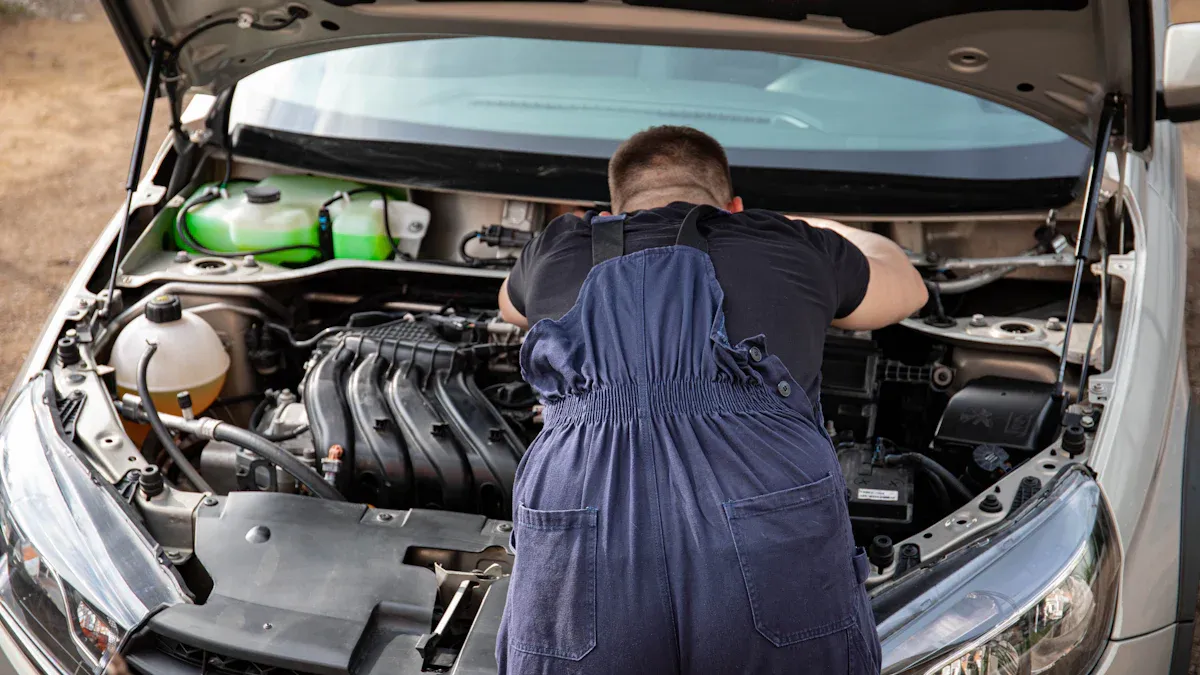
Your car’s EVAP system is vital for clean air and saving fuel. This system captures harmful fuel vapors. The EVAP canister purge valve is a key part of this process. It controls vapor flow. This guide helps you find your car’s Evap Canister Purge Valve Location. You will understand its importance. A failing EVAP system can reduce your fuel economy by 2-5%, costing you $80-200 each year. Knowing this valve’s spot is crucial for diagnosing issues and performing potential DIY maintenance.
Key Takeaways
The EVAP purge valve helps your car use fuel vapors. This keeps the air clean and saves gas.
You can find the purge valve in your engine bay. It is often near the engine or intake manifold. Your car’s manual shows the exact spot.
A bad purge valve can turn on your “Check Engine” light. It can also make your car run rough or use more gas.
You can check the purge valve for damage. You can also do simple tests. Decide if you can fix it or need a mechanic’s help.
Understanding the EVAP System and Purge Valve
EVAP System Function
Your car’s Evaporative Emission Control (EVAP) system is a crucial part of its design. It stops harmful fuel vapors from escaping into the atmosphere. These vapors come from your fuel tank. The EVAP system captures them. This process protects the environment and improves air quality. It also helps your car run more efficiently.
The primary components of an EVAP system work together to achieve this goal. They include:
The gas tank, where fuel is stored.
The EVAP canister, which stores fuel vapors.
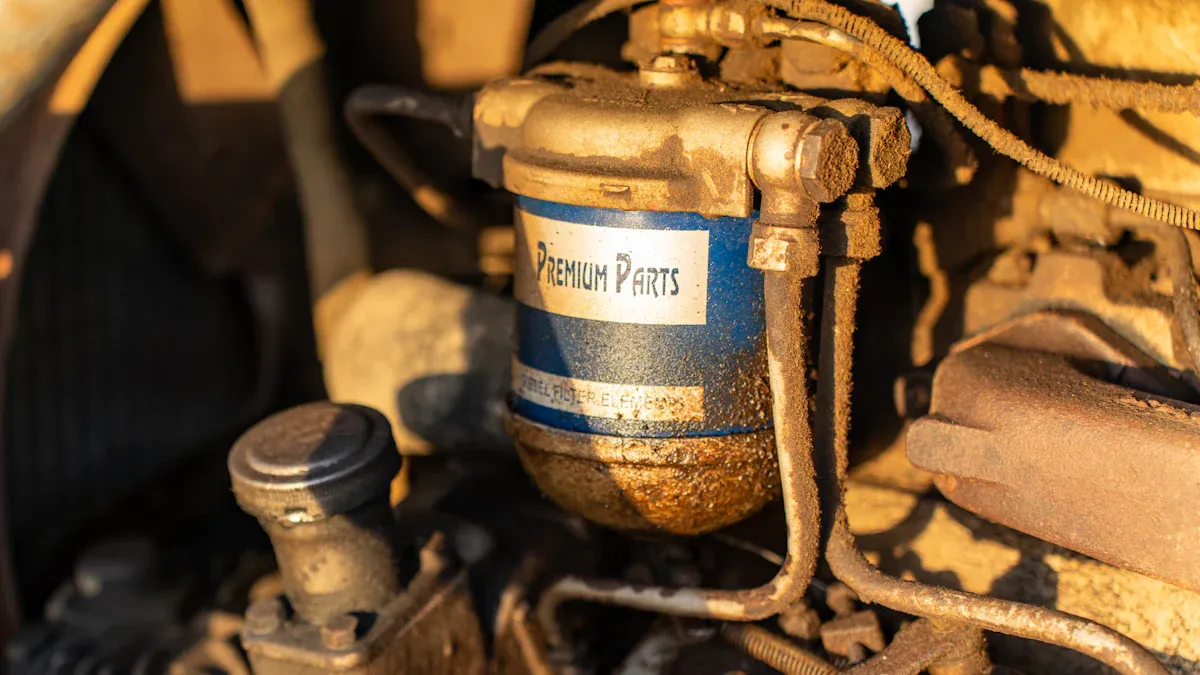
A fuel filter, which cleans the fuel.
The fuel filler tube, where you add gas.
Various sensors, hoses, and valves that control the system.
Purge Valve’s Specific Role
The purge valve plays a very important role within this system. It acts like a gatekeeper. This valve controls the flow of stored fuel vapors. These vapors move from the EVAP canister to your engine’s intake manifold. When your engine runs under specific conditions, the purge valve opens. It allows the engine to draw in the fuel vapors. Your engine then burns these vapors as part of the normal combustion process. This action prevents the vapors from escaping into the air. It also uses fuel that would otherwise be wasted. A properly working purge valve ensures your car meets emission standards and maintains good fuel economy.
General Evap Canister Purge Valve Locations
Finding your Evap Canister Purge Valve Location can sometimes feel like a treasure hunt. However, knowing the common spots helps you narrow down your search.
Common Engine Bay Placements
You will often find the purge valve in your engine bay. It usually sits on top of the engine. You might also see it near the intake manifold. Another common spot is on the bulkhead, also known as the firewall. This is the wall separating the engine from the passenger cabin. For instance, on a 2022 Hyundai Palisade, you would look under the engine cover on the driver’s side. You can also trace the hose from the fuel tank vapor canister into the engine bay. This hose often leads directly to the purge valve.
Other Possible Locations
Sometimes, the valve is not in the engine bay at all. It can be under your car. This is less common, but it happens.
One car owner found their ‘evap purge valve which is underneath by evap canister and gas tank’.
This means you might find it closer to the EVAP canister itself. The canister is usually located under the vehicle, near the fuel tank. So, if you do not see it in the engine bay, check underneath your car.
Why Location Varies
The exact Evap Canister Purge Valve Location changes a lot. It depends on your car’s make, model, and year. Car manufacturers design their vehicles differently. They place components where they fit best or work most efficiently. This is why your owner’s manual is always the best place to start your search. It provides specific details for your vehicle.
Finding Your Evap Canister Purge Valve Location
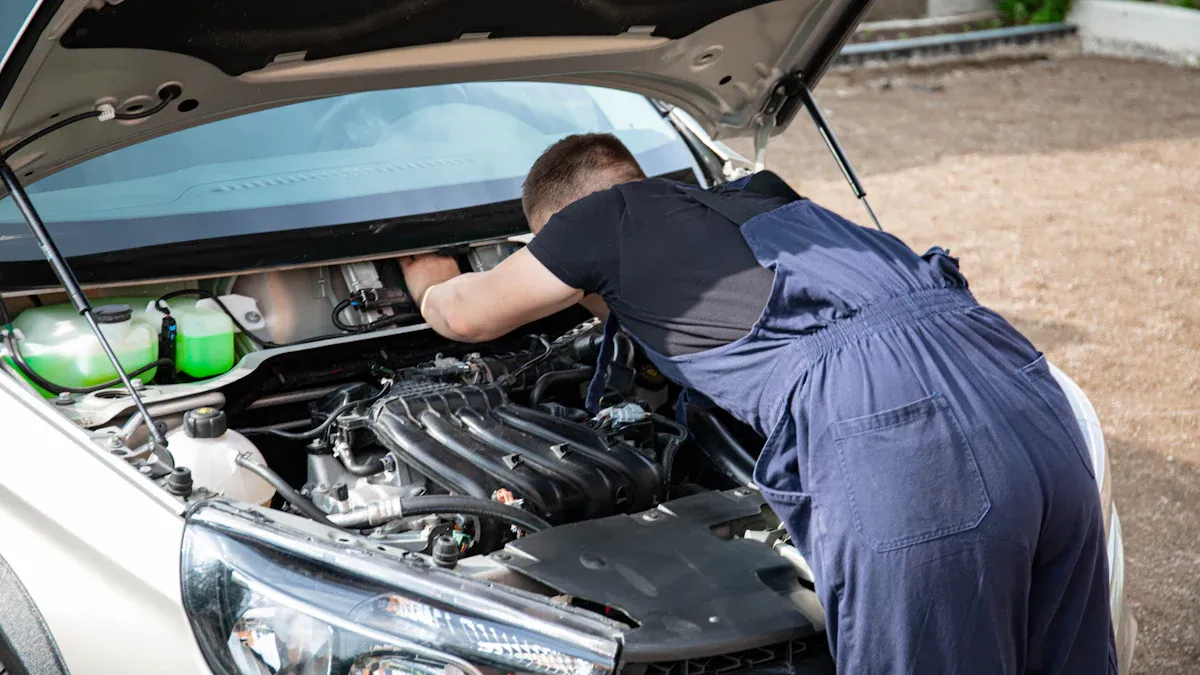
Finding your Evap Canister Purge Valve Location is a straightforward process. You can use a few reliable methods. These steps help you pinpoint the valve on your specific vehicle.
Consulting Your Owner’s Manual
Your car’s owner’s manual is the most accurate source of information. It provides detailed diagrams and descriptions. Look in the index for “EVAP system,” “emissions,” or “purge valve.” The manual will show you the exact Evap Canister Purge Valve Location. It also explains how the system works in your car. This is always your best first step.
Visual Engine Bay Inspection
You can perform a visual inspection of your engine bay. Open your car’s hood. Look for a small valve. It often looks cylindrical or rectangular. This valve will have several vacuum lines connected to it. You will also see an electrical connector. The valve is usually black plastic. It might be mounted on or near the intake manifold. Sometimes, it sits behind the throttle body. Take your time and look carefully at all the hoses and wires.
Utilizing Online Resources
Online resources are very helpful if you do not have your owner’s manual. Many websites offer repair guides specific to your car. Your car’s repair manual is the most accurate source for vehicle-specific information. You can also search online parts retailers. For example, search for “[year] [make] [model] canister purge valve” on platforms like PartsHawk. This search helps you find the part. It often shows you where it is located on your car. Many car forums also have discussions. Other car owners might have already shared the valve’s location for your specific model.
Identifying Nearby Components
You can identify key components near the purge valve. This helps you narrow down your search. The intake manifold is a large part on top of your engine. It distributes air to the cylinders. The purge valve often connects directly to it. Look for vacuum lines. These are small rubber hoses. They carry air or vapor. One of these lines will connect the purge valve to the EVAP canister. The EVAP canister is usually under your car near the fuel tank. Another line connects the valve to the intake manifold. Fuel lines are also nearby. They carry fuel from the tank to the engine. Tracing these lines can lead you directly to the purge valve.
Symptoms of a Failing Purge Valve
Your car often tells you when something is wrong. A failing purge valve gives clear signs. You should pay attention to these warnings. Addressing them quickly can prevent bigger problems.
Check Engine Light and Codes
The most common sign of a problem is your “Check Engine” light. This light turns on when your car’s computer detects an issue. A faulty purge valve often triggers specific diagnostic trouble codes (DTCs). You might see codes like:
P0441: Evaporative Emission System Incorrect Purge Flow
P0442: Evaporative Emission Control System Leak Detected (Small Leak)
P0455: System Gross Leak Evaporative Emission
P0456: Evaporative Emissions System – Small Leak Detected
P0457: Evaporative Emission System Leak Detected (Fuel Cap Loose/Off)
A faulty purge valve can cause an incorrect purge flow. This specifically triggers the P0441 code. If the valve malfunctions, it might not seal properly. This leads to leaks within the EVAP system. These leaks then trigger other diagnostic trouble codes.
Engine Performance Issues
A bad purge valve can directly affect how your engine runs. You might notice several performance problems.
Rough Idle: Your engine might shake or vibrate more than usual when you stop.
Stalling: Your car could shut off unexpectedly, especially at low speeds or when you come to a stop.
Difficulty Starting: You might struggle to start your car. This is especially true after it has sat for a while.
A malfunctioning purge valve can create vacuum leaks. These leaks allow uncontrolled air into your engine. This disrupts the combustion process. This interruption makes starting your car difficult. It also causes rough idling. Your engine struggles to run smoothly with inconsistent air intake. If the purge valve gets stuck open, it lets too much air into the engine. This extra air throws off the air/fuel ratio. Your engine control module (ECM) then struggles to keep the mixture correct. This inconsistency leads to rough idling or stalling. Your engine cannot run efficiently with fluctuating fuel vapors.
Fueling Problems
You might also notice issues when you refuel your car. These problems point to a malfunctioning purge valve.
Difficulty Starting After Refueling: Your car might be hard to start right after you fill up the gas tank. You may need to crank the engine longer.
Increased Fuel Consumption: You might find yourself filling up your tank more often. A faulty purge valve can improperly control fuel vapor flow. This sends too much fuel into the engine. This results in higher fuel consumption.
Strong Fuel Odor: You might smell a strong fuel odor coming from your car’s exhaust. This happens if the purge valve allows unburned fuel vapors to escape into the exhaust system.
Decreased Gas Mileage: Your fuel efficiency can drop. Extra fuel vapors burn at the wrong time.
Other Warning Signs
It is important to understand the different parts of your EVAP system. People sometimes confuse the purge valve with the vent solenoid. Both are part of the EVAP system, but they are distinct.
The EVAP purge valve sits on your engine.
The EVAP vent solenoid (or vent valve) is on the charcoal canister. This canister is usually near your gas tank.
Dealers sometimes replace the “Evap Vent Solenoid” when the actual problem is the “Evaporative Emissions Purge Valve.” This shows they are separate components. You should know the difference. This helps you get the correct repair.
Next Steps After Locating the Valve
You found your EVAP canister purge valve. Now, you need to figure out if it is working correctly. Here are the next steps you can take.
Initial Visual Inspection
Start with a careful look at the valve and its surroundings. You are checking for any obvious problems.
Look for physical damage or signs of wear on the valve itself.
Check all connecting hoses. Are they cracked, loose, or disconnected?
Notice if you see an unusual amount of smoke or emissions from your exhaust. This can point to a problem with the valve.
Smell around your car. A strong fuel odor, even when parked, suggests fuel vapors are escaping. This often means the valve is faulty.
Make sure the electrical connector is firmly attached. A loose connection can cause issues.
Basic Testing Procedures
You can perform some basic tests to check the valve’s function. These tests help you understand if the valve is working mechanically or electrically.
Disconnect the purge solenoid’s electrical connector.
Attach a vacuum gauge to the canister side port of the purge solenoid.
Start your engine. You should see no vacuum present. If there is vacuum, the purge solenoid is leaking. You can also check for vacuum by placing your finger or a piece of paper in front of the port.
Remove the solenoid from the vehicle.
Use a hand vacuum pump. Confirm that the solenoid maintains both vacuum and pressure at each port.
You can also use a multimeter to check the electrical resistance of the valve. This tells you if the electrical coil inside is good.
DIY vs. Professional Help
Deciding whether to fix the valve yourself or get professional help depends on a few things. You can often replace the purge valve yourself if you are comfortable with basic car repairs. The part is usually easy to access.
However, consider professional help in these situations:
Your DIY solutions do not fix the purge valve issue.
The purge valve problem might point to a larger malfunction within your EVAP system. Veteran mechanic Michael Brown notes this.
You feel uncomfortable performing diagnostic tests yourself.
You need specialized tools and knowledge for accurate diagnosis and correct installation. Renowned automotive specialist Jane Smith highlights this need.
Sometimes, a simple replacement fixes the problem. Other times, it is a sign of a deeper issue. Do not hesitate to seek expert help when you are unsure.



