Storing a hybrid car for months can feel tricky, but it does not have to be stressful. The right steps keep the battery healthy and the car ready for the road. Many people worry about flat tires, dead batteries, or rust, but simple actions help avoid these problems. Getting the details right makes a big difference once it is time to drive again.
Managing Hybrid Battery State of Charge for Long-Term Storage
When storing a hybrid car for a long time, managing the battery’s state of charge (SoC) is crucial to avoid damage and make sure the vehicle remains in good condition.
The ideal SoC for hybrid batteries is between 25% and 50%, which helps reduce stress and keeps the cells healthy.
When the battery is too full, driving the car a bit before storage can bring it down to the right level.
When it’s too low, charging it up is essential to prevent deep discharge.
SoC targeting means keeping the battery in this sweet spot, while cell balancing helps all the battery cells work together evenly.
Checking the SoC every few months and topping it up when necessary will keep the battery strong and ready for use.
Maintaining 12-Volt Lead-Acid Battery Health During Storage
Maintaining the 12-volt lead-acid battery in a hybrid during long-term storage involves preventive steps to avoid discharge and damage.
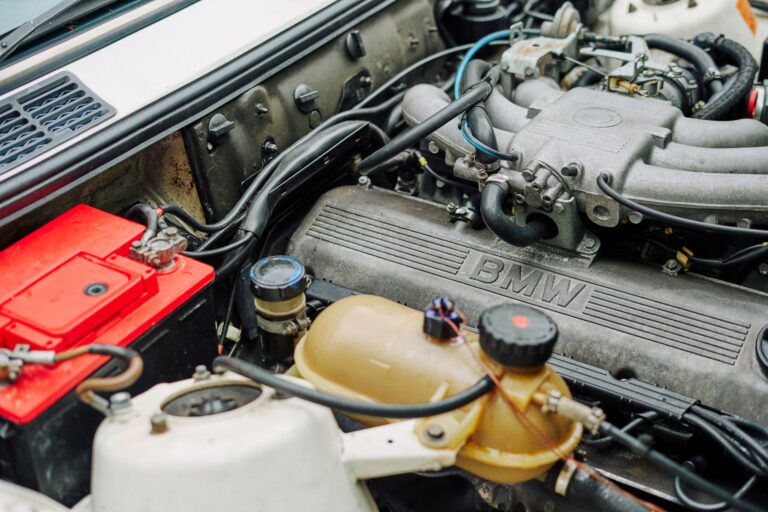
One effective method is disconnecting the negative terminal to stop parasitic drain that can slowly deplete the battery and reduce its lifespan.
Alternatively, using a battery tender or a slow, continuous charger helps keep the battery properly charged without overcharging, ensuring it stays healthy and ready for use once the vehicle is brought out of storage.
Disconnecting Negative Terminal
Should a hybrid car sit unused for weeks or months, its 12-volt battery—the same type found in regular cars—faces a quiet but steady drain, even though everything seems off.
To prevent damage, disconnecting the negative terminal is essential.
This step cuts off the electrical flow that causes parasitic drain, preserving battery health during storage.
Before disconnecting, clearly label terminals to avoid confusing the positive and negative connections later.
Use insulated tools to reduce risk of short circuits or sparks while handling terminals.
Disconnecting prevents slow battery discharge that otherwise leads to sulfation, corrosion, and eventual failure.
It also safeguards delicate electronic systems through preventing unintended current flows.
For longer storage periods beyond 30 days, this practice is a simple yet effective way to extend the 12-volt battery’s life and help the vehicle start reliably once returned to use.
Using Battery Tender
Another way to keep the 12-volt battery healthy during long storage is through using a battery tender.
This smart device keeps the battery charged just right, so it won’t die or get damaged.
Here’s how to use it like a pro:
- Choose a tender with App control for easy monitoring and peace of mind.
- Connect it to the battery after fully charging, then let it manage the charge automatically.
- Check the tender’s manual for any Warranty impact, as some brands might have rules.
- Inspect the battery and tender monthly to catch issues promptly.
A battery tender is like a guardian for your battery, making sure it stays strong and ready for whenever you need it most.
Optimal Environmental Conditions for Hybrid Vehicle Storage
Keeping a hybrid car in a cool, dry spot is the best way to protect its batteries and electronics.
High heat and humidity can make batteries wear out faster and cause parts to corrode.
A garage or shaded area works great, and avoiding direct sun helps everything last longer.
Ideal Temperature Range
What temperature should be chosen for storing a hybrid vehicle to keep it in the best shape?
Maintaining the correct temperature range is essential for preserving battery health and general vehicle condition.
The ideal environment balances temperature thresholds to reduce battery stress and degradation caused by extreme heat or cold while considering seasonal variance.
Consider these key points:
- Store in a cool location, ideally between 10°C and 25°C, to avoid accelerating chemical aging in the battery.
- Avoid temperatures above 30°C, as heat speeds up battery capacity loss and internal damage.
- Prevent freezing conditions below 0°C, which can cause electrolyte damage or permanent battery impairment.
- Adjust storage plans seasonally to maintain these temperature thresholds, using shaded indoor spaces or ventilated garages whenever possible.
This temperature control supports battery longevity and vehicle readiness after storage.
Low Humidity Storage
Controlling humidity plays a key role in protecting a hybrid vehicle during long-term storage.
High humidity creates an environment prone to mold growth, which can damage interior fabrics and promote corrosion on electrical components.
Maintaining low humidity helps preserve the integrity of door and window seals, preventing them from drying out or becoming brittle, which could cause leaks or drafts later.
A dry storage environment also minimizes the risk of metal corrosion on battery terminals and undercarriage parts.
To achieve this, storing the vehicle indoors or in a well-ventilated, shaded area with controlled moisture levels is essential.
Using dehumidifiers or moisture absorbers can help in damp climates, further protecting the car from mold issues and seal deterioration, ensuring that the hybrid remains in ideal condition during periods of inactivity.
Preserving Tires and Mechanical Components in Stored Hybrids
When a hybrid car is stored for an extended period, the tires and mechanical parts face unique challenges that require careful attention.
To maintain Suspension Protection and avoid damage, users should:
- Remove vehicle weight from tires using jack stands or tire cradles. This prevents flat spots, especially during storage exceeding a year.
- Inflate tires to the recommended maximum pressure before storage. Proper inflation helps maintain tire shape and performance.
- Clean the vehicle thoroughly, including the undercarriage, to prevent corrosion and buildup of dirt or road salt. This protects mechanical components.
- Address Rodent Prevention through sealing openings and using deterrents since rodents can damage wiring and other parts in long-term storage.
Additionally, engaging parking brakes cautiously or using wheel chocks helps avoid brake seizing.
Applying protective wax guards paint and external elements, further preserving the car’s condition.
Preparing Vehicle Systems and Fluids Before Extended Storage
Before storing a hybrid vehicle for an extended period, preparing the engine and fluid systems is essential to prevent damage and guarantee smooth operation upon return. Begin with an oil change to remove contaminated oil and protect the engine internals from corrosion and wear during inactivity.
Next, fill the fuel tank completely and add a fuel stabilizer to prevent moisture buildup and fuel degradation, which can cause starting problems later. Besides, it is beneficial to run the engine and hybrid system occasionally to circulate fluids and maintain battery State of Charge.
Disabling automatic electrical systems that could drain the battery further preserves charge. These proactive steps help that the hybrid’s mechanical and fluid systems remain healthy, reducing costly repairs and enabling a hassle-free restart after storage.
Steps for Vehicle and Battery Readiness After Long-Term Storage
Completing the steps to prepare the vehicle and its fluids before storage sets the stage for what comes next upon bringing the vehicle back into regular use.
Initially, recharge and inspect both the traction and 12V batteries, verifying no signs of degradation.
Next, perform a detailed safety inspection including brakes, tires, and fluid levels to identify any wear or damage from storage.
Then, check for and install any necessary software updates to the vehicle’s systems, helping maintain peak functionality.
Finally, clear any alerts or fault codes through onboard diagnostics or a dealership to confirm all systems communicate properly and the vehicle is ready for reliable operation.
This structured approach promotes both safety and longevity as hybrid vehicles return to daily driving.
Conclusion
Whenever storing a hybrid car long term, the traction battery’s state of charge must be carefully managed—not too full, not too empty—with cell balancing enabled. The 12-volt battery needs either a tender or disconnection of its negative terminal in case parked for over 30 days. The vehicle should rest in a cool, dry place, tires supported or inflated to avoid flat spots, with fluids inspected and electronics disabled. Yet what lurks beneath this careful preparation could determine how well the vehicle awakens once it’s time to drive again.