A handbrake is a crucial safety device in your vehicle. You know it as a parking brake, but it also functions as an emergency brake. This system keeps your car stable and secure when parked, especially on inclines. Many people wonder how does a handbrake work. While its use seems simple, the underlying mechanisms are vital for proper operation. Understanding how the handbrake work helps you use this essential parking brake effectively. It ensures your car remains safely in place.
Key Takeaways
A handbrake is a safety device. It keeps your car still when parked. It also works as an emergency brake.
Manual handbrakes use a lever and cables. They apply pressure to the rear wheels. Electronic handbrakes use a button and motors.
Always use the handbrake when you park. This stops your car from rolling. It also adds security.
To use a manual handbrake, pull the lever up firmly. To release it, press the button and lower the lever. For electronic handbrakes, push or pull a button.
Never drive with the handbrake on. This can damage your car’s brakes. Always check your dashboard light to make sure it is off.
How Does the HandBrake Work: Mechanics
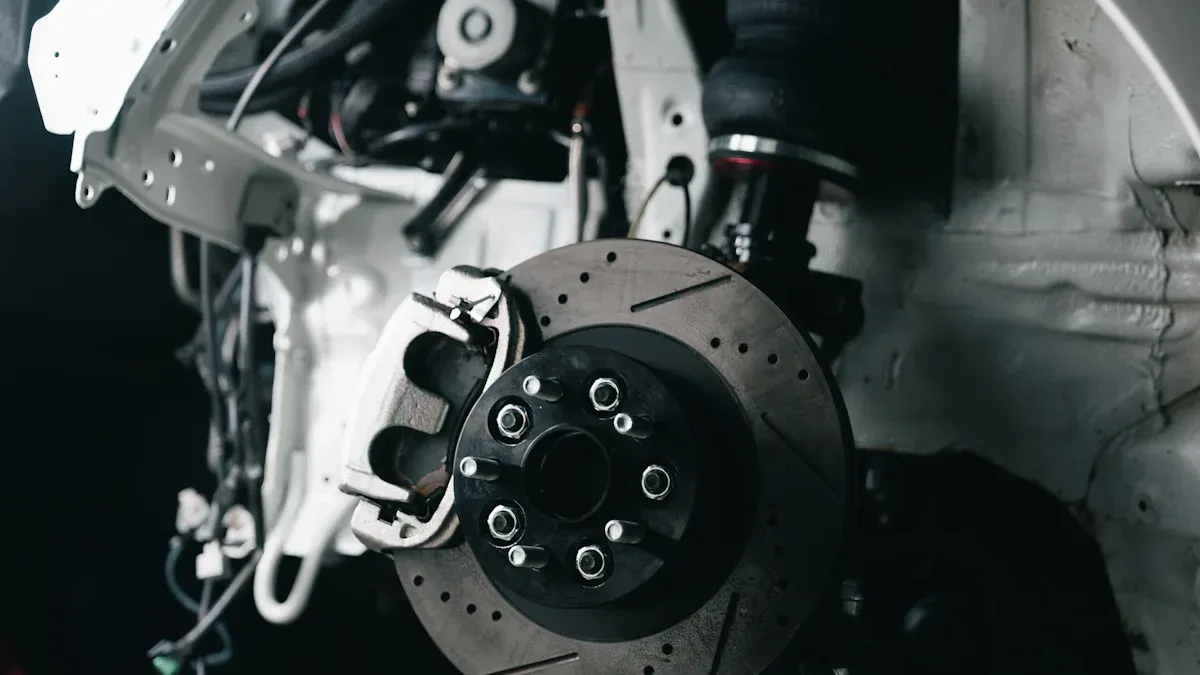
Understanding how does handbrake work reveals a clever system designed for safety. A traditional handbrake in a car operates through a purely mechanical braking system. This system applies pressure, usually to your vehicle’s rear wheels. It acts as a crucial parking brake, keeping your car stationary.
Traditional Handbrake System
You engage a traditional handbrake using a lever or a foot pedal. This component is your brake operating mechanism. It connects to a pulling mechanism. This mechanism then pulls a cable. This cable links to two wheel brakes, typically on the rear wheels. This is how does handbrake work at its core. The system uses mechanical force to hold your car.
Electronic Parking Brake Operation
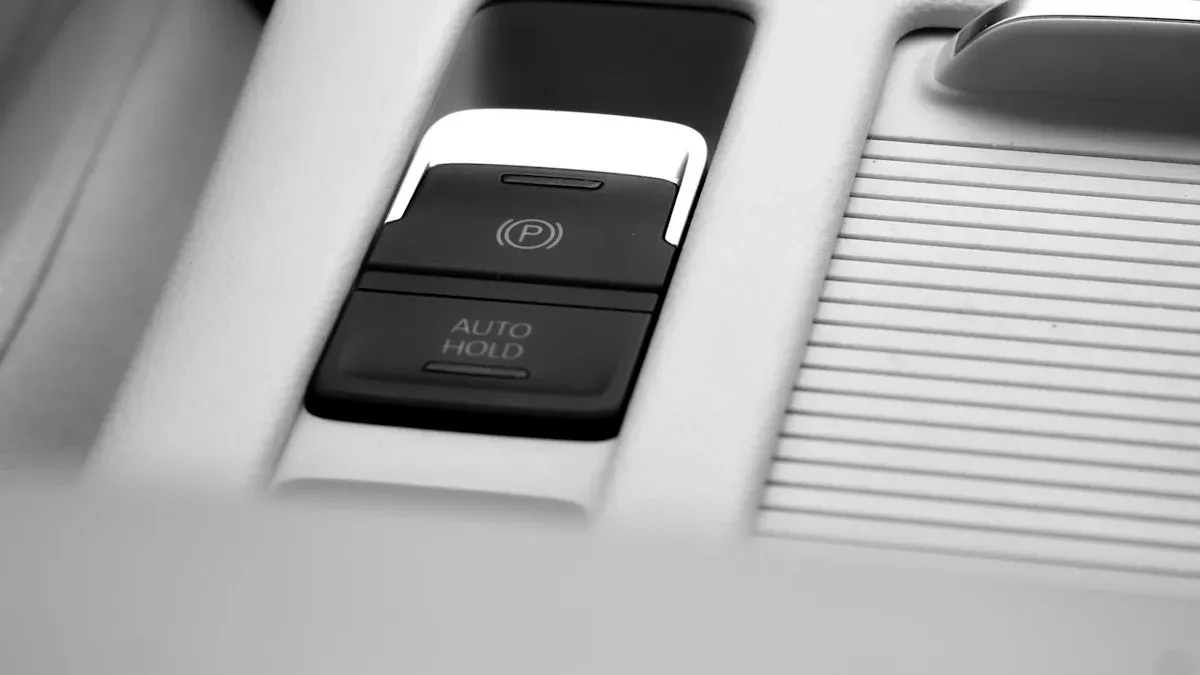
Modern vehicles often feature an electronic parking brake. This system replaces the physical cable with electronic controls. You engage it with a simple button. Sensors and electric motors then apply the braking force. This offers convenience and sometimes automatic engagement. However, the fundamental goal remains the same: to secure your vehicle.
Cable and Lever Engagement
When you pull the handbrake lever, you activate a series of actions. An intermediate lever increases the force you apply. This lever pulls on steel cables, often called Bowden cables. These cables run inside protective tubes. They transfer the braking force from your hand-brake lever directly to the wheel brakes on the rear axle. These cables also have adjustment devices. A plastic sheathing protects them from water and dirt. This ensures the handbrake work reliably. This entire setup provides a dependable parking brake for your car.
Key Functions of a Handbrake
The handbrake in a car does much more than just hold your vehicle still. You use it for several critical safety and security reasons. Understanding the various functions of a handbrake helps you appreciate its importance. This device is a vital part of your vehicle’s safety system.
Parking Stability
You primarily use the handbrake as a parking brake. It keeps your vehicle from rolling away when you park, especially on sloped surfaces. This is a crucial safety feature. For instance, regulations require parking brake systems to be friction-type. They must use a mechanical means to stay engaged. Your vehicle must remain stationary for five minutes on a 20 percent grade. This applies in both forward and reverse directions. The force you apply to engage the handbrake should not exceed 90 pounds for hand-operated systems. This ensures the handbrake work effectively.
Emergency Braking
The handbrake also serves as an emergency brake. You can use it if your regular foot brakes fail or do not work properly. This provides a backup system to slow down or stop your vehicle. While you should not use it as your primary braking method, it offers a critical safety net. Knowing this function of a handbrake can prevent accidents in unexpected situations.
Vehicle Security
Engaging the handbrake in a car also adds a layer of security. It helps prevent unauthorized movement or theft. For example, devices like a Universal Shift Lock Clamp can secure your handbrake.
This heavy-duty anti-theft device locks the handbrake in place. It makes it very difficult for someone to move your car without permission. For larger vehicles, preventing brake release, similar to engaging a parking brake, makes unauthorized movement nearly impossible. Devices like the Air Cuff® Lock cover and secure air valve levers. This adds to the importance of the handbrake for overall vehicle security.
How to Use a Handbrake: Manual Type
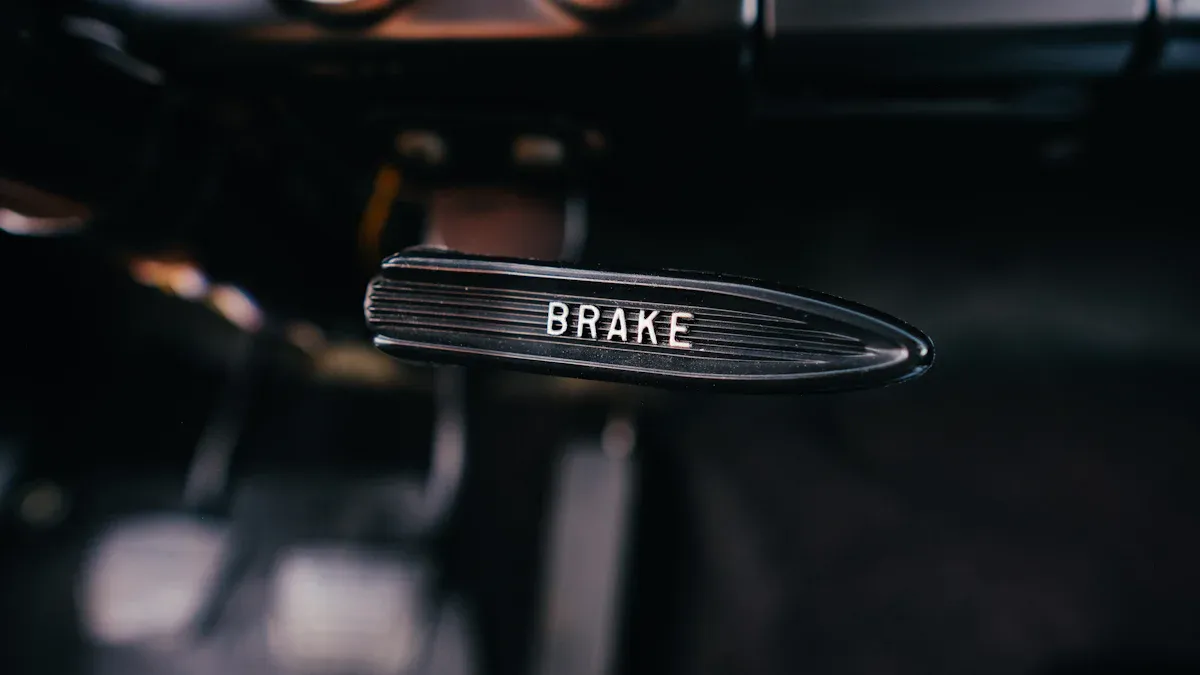
You need to know how to use a handbrake correctly. This ensures your vehicle’s safety and prevents unnecessary wear. A manual handbrake, often a lever between the front seats, requires specific actions to engage and release.
Engaging the Manual Handbrake
When you want to secure your car, you apply the handbrake. Here are the steps:
Stop Your Vehicle Completely: First, bring your car to a full stop using the foot brake.
Select the Correct Gear:
For Manual Transmission Cars: Put your car into first gear or reverse. This adds an extra layer of security, especially on inclines. The engine’s compression helps hold the car.
For Automatic Transmission Cars: Shift the gear selector into “Park” (P). This locks the transmission.
Apply the Handbrake: Firmly pull the handbrake lever upwards. You will hear a series of clicks as it engages. Pull it until it feels secure and you cannot pull it any further without excessive force. This action tightens the cables and applies the braking force to the rear wheels. You have now successfully engaged the handbrake in a car.
Tip: Do not yank the lever too hard. A firm, steady pull is sufficient to apply the handbrake effectively.
Releasing the Manual Handbrake
Releasing the handbrake is just as important as engaging it. You must do it correctly to avoid strain on your vehicle’s components.
Prepare for Movement:
For Manual Transmission Cars: Put your car into first gear.
For Automatic Transmission Cars: Ensure your car is in “Drive” (D) or “Reverse” (R).
Press the Button: Most manual handbrakes have a button on the end of the lever. You press this button with your thumb.
Slightly Lift the Lever: While holding the button, slightly lift the handbrake lever upwards. This releases the locking mechanism.
Lower the Lever: Gently lower the lever all the way down until it rests in its original position. You will no longer hear the clicking sound. This action will release the handbrake.
Coordinate with Driving:
For Manual Transmission Cars: You release the handbrake while simultaneously releasing the clutch gradually. This smooth coordination prevents the car from rolling backward on a hill or stalling.
For Automatic Transmission Cars: Ensure the vehicle is in ‘Park’ mode before you begin to release the brake. Then, gradually release the brake and allow the handbrake to come down smoothly.
Important: Always ensure the handbrake is fully disengaged before driving. Driving with the handbrake partially engaged can cause significant damage to your brake system and reduce fuel efficiency. You should always use handbrake in car properly.
How to Use a Handbrake: Electronic Type
Modern vehicles often feature an electronic parking brake, or EPB. This system replaces the traditional lever with a simple button or switch. You operate it with ease. Understanding how to use a handbrake of this type ensures your vehicle’s safety and convenience.
Engaging the Electronic Brake
Engaging your electronic parking brake is straightforward. You typically use a button or a small switch. This button then electrically applies the brake pads to your car’s rear wheels.
Stop Your Vehicle: Bring your car to a complete stop.
Locate the Button: Find the EPB button. It often sits on your center console. A common design for this switch is a simple push-button. You can easily operate it.
Press or Pull the Button: To apply the handbrake, you usually push or pull this button. The specific action depends on your car’s model.
Confirm Engagement: Look for a warning light on your dashboard. This light illuminates when the electronic parking brake system is operating. It typically appears as a circled ‘P’ symbol. This confirms you successfully engaged the parking brake.
💡 Tip: Some vehicles allow you to hide the EPB switch, even in a glovebox, for added security.
Releasing the Electronic Brake
Releasing the electronic parking brake is also simple. You usually perform a specific action, and the system disengages.
Start Your Engine: Ensure your engine is running.
Foot on Brake Pedal: Place your foot firmly on the brake pedal. This is often a safety requirement for releasing the EPB.
Press or Pull the Button: Press or pull the EPB button again. This action signals the system to release the brake.
Confirm Release: The circled ‘P’ warning light on your dashboard should turn off. If the light stays on, the parking brake is still engaged. You must ensure it is fully disengaged before driving. Driving with the parking brake partially engaged can cause damage. You always want to use handbrake in car correctly.
Automatic Features
Electronic parking brakes offer several convenient automatic features. These features enhance both safety and ease of use.
Automatic Engagement: Your car can automatically apply the handbrake. This often happens when you turn off the ignition. Some systems also engage the parking brake if you stop for more than three minutes. It also engages if you remove your seat belt or open the driver’s door. This automatic application of the parking brake improves safety during traffic stops.
Automatic Release: The system can also release the handbrake automatically. When you press the accelerator pedal, the EPB often disengages on its own. This makes starting from a stop smoother.
Automatic Brake Hold (AVH): This feature maintains braking pressure when you stop. For example, in stop-and-go traffic, you can take your foot off the brake pedal. The car stays stationary. The system releases the brakes when you press the accelerator. This automatic function enhances convenience and safety.
Dynamic Braking Assistance: In emergency situations, the EPB can help bring your vehicle to a stop. It provides assistance with dynamic braking.
Slope and Load Adaptation: Some systems can program braking force. They adjust it based on vehicle conditions like slope and load. This enhances safety, especially in hilly areas. These self-locking mechanisms prevent vehicle movement on slopes. They ensure the brake remains engaged. These features make using a handbrake more intuitive and secure. You benefit from how to use a handbrake with advanced technology. This makes the handbrake in a car a very smart safety device. You use handbrake in car with greater confidence.
You now understand how does handbrake work. It serves as both a crucial parking brake and an emergency safety device. Knowing how does handbrake work ensures your vehicle’s safety and extends its life. From manual levers to electronic buttons, the handbrake continues to evolve. Proper usage remains essential for every driver. Make sure your handbrake work correctly every time you use it.