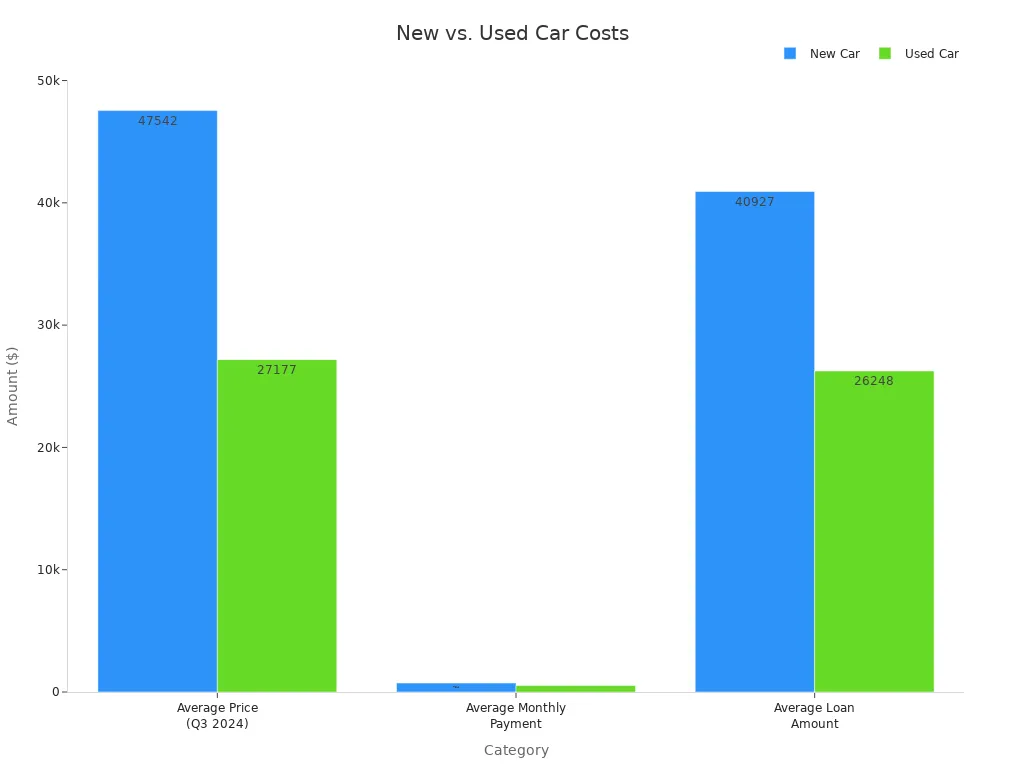
Buying a used car brings excitement, but it can also feel overwhelming. You can make a smart, rewarding decision with the right approach. Purchasing a used car can result in an average price saving of over $20,000 compared to a new car.
This guide helps you confidently navigate the process to buy a used car. It covers everything from setting your budget to driving off the lot.
Key Takeaways
Set a clear budget for your car. Your total car costs should be less than 10% of your income.
Get your car loan ready before you shop. Credit unions often have good interest rates.
Know what you need in a car. Make a list of features important for your life.
Research reliable car brands. This helps you avoid problems later.
Check the car’s history report. This report tells you about past accidents or issues.
Preparing to Buy a Used Car
Before you start looking at cars, you need to prepare. This preparation helps you make smart choices. It ensures you find the right vehicle for your lifestyle and budget.
Set Your Budget
First, decide how much you can truly afford. Your total transportation costs include your car loan, gas, insurance, and repairs. These costs should not go over 10% of your gross income. For the car payment itself, aim to spend less than 10% of your monthly take-home pay. Also, plan to spend another 5% of your monthly take-home pay on other car expenses. This helps you avoid financial strain when you buy a used car.
Explore Financing Options
It is wise to get financing lined up before you even start looking at cars. This gives you a clear idea of your purchasing power. You can compare rates from different lenders. Credit unions often offer better interest rates on loans than traditional banks. For example, look at these typical used auto rates:
Minimum Loan Amount | Term (months) | Rates as low as (APR) |
|---|---|---|
**Used Auto Rates | 2018 – 2023** | |
$2,500 | 0-54 | 5.94% |
$15,000 | 55-70 | 6.19% |
$20,000 | 71-77 | 6.54% |
$25,000 | 78-84 | 7.24% |
**Older Used Auto Rates | 2012 – 2017** | |
$2,500 | 0-36 | 7.64% |
$5,000 | 37-48 | 7.89% |
$7,500 | 49-60 | 8.24% |
Understanding these rates is a key part of used car financing.
Define Your Vehicle Needs
Think about what you need in a car. Make a list of your must-have features. Do you need space for a family? Do you commute long distances? Common vehicle types include:
Vehicle Type | Example Models (with popularity) |
|---|---|
SUV | Honda Pilot (0.8%), Volkswagen Tiguan (0.8%), Hyundai Santa Fe (0.8%), Subaru Outback (0.8%), Honda HR-V (0.8%), Chevrolet Tahoe (0.7%), Subaru Forester (0.7%), Kia Sportage (0.7%), GMC Terrain (0.7%), GMC Acadia (0.6%), Chevrolet Blazer (0.6%), Kia Sorento (0.6%), BMW X3 (0.6%), Subaru Crosstrek (0.5%), Ford Bronco Sport (0.5%), Nissan Rogue Sport (0.5%), Dodge Durango (0.5%), Hyundai Kona (0.5%), Chevrolet Trax (0.5%), Volkswagen Atlas (0.5%), Nissan Kicks (0.5%), Lexus RX 350 (0.5%), Nissan Pathfinder (0.5%) |
Passenger car | Kia Forte (0.7%), Dodge Charger (0.7%), Hyundai Sonata (0.6%), Dodge Challenger (0.5%), Volkswagen Jetta (0.5%), Ford Mustang (0.5%), Kia Soul (0.5%) |
Truck | Chevrolet Colorado (0.6%), Jeep Gladiator (0.6%), Toyota Tundra (0.6%), Ram 1500 Classic (0.6%), Nissan Frontier (0.5%), Ford Ranger (0.5%) |
Minivan | Honda Odyssey (0.4%), Chrysler Pacifica (0.6%) |
This helps you narrow down your search and find the right vehicle.
Research a Reliable Used Car
Research is crucial for successful used car shopping. You want a car that will last. Consumer Reports often ranks brands for reliability. Here are some of the most reliable used car brands:
Lexus
Toyota
Mazda
Honda
Acura
Looking for a reliable used car from these brands can save you trouble later. These used car buying tips help you start strong.
How to Find Used Cars

You have prepared your budget and know what car you want. Now, you need to locate potential vehicles. This section helps you find used cars that meet your needs.
Search Online Platforms
Online platforms make it easy to find used cars. You can browse many options from your home. These sites offer filters for make, model, price, and features. This helps you narrow your search quickly. Many people use these popular online platforms:
CarMax
Carvana
Cars.com
Autotrader
Edmunds
TrueCar
CarGurus
AutoTempest
CarsDirect
Craigslist
Facebook Marketplace
EVTrader
PlugInCars
Vroom
eBay
Hemmings
Some online retailers, like Carvana, even offer shopping and delivery services. This makes the process very convenient. You can explore a vast used car marketplace with just a few clicks.
Consider Dealerships and Private Sellers
You have two main options for buying a used car: dealerships or private sellers. Each has pros and cons.
Franchise dealers often specialize in specific car brands. They can offer certified pre-owned cars. These vehicles usually come with extended warranties and have passed strict inspections. Dealers are also required to provide a Buyers Guide. This guide includes vehicle history, warranty details, and payment options. This makes buying a used car from a dealer a safer choice for many. You can visit used car lots to see many cars in one place.
Private sellers might offer lower prices. They do not have the overhead costs of a dealership. However, buying a used car from a private party means you take on more risk. You must do more of the research yourself. You will not get a warranty.
Review Vehicle History Reports
Always get a vehicle history report for any car you consider. This report gives you important information about the car’s past. It helps you avoid hidden problems. A comprehensive vehicle history report typically includes:
Accident history
Open recalls
Previous owners
Service history
This report helps you make an informed decision. It protects you from buying a car with a troubled past. You can often get a vehicle history report from services like CarFax or AutoCheck.
Understand Market Pricing
Before you make an offer, understand the car’s market value. This helps you negotiate a fair price. You can use online tools to check your vehicle’s price. Websites like Kelley Blue Book (KBB) and Edmunds provide estimated values. These values depend on the car’s condition, mileage, and features.
Used car prices can vary by location. For example, there is a notable price difference of $4,735 in average used car pricing between Wyoming and Colorado. Most neighboring states tend to have similar used car prices. You can see how prices differ across states:
State | Average Used Car Price |
|---|---|
Wyoming | $41,405 |
Alaska | $40,462 |
Montana | $38,943 |
North Dakota | $37,773 |
South Dakota | $37,192 |
Idaho | $37,092 |
Arkansas | $36,343 |
Washington | $36,119 |
Georgia | $36,016 |
Louisiana | $35,893 |
California | $35,759 |
Iowa | $35,750 |
Oregon | $35,556 |
Oklahoma | $35,509 |
Kansas | $35,323 |
Colorado | $35,269 |
Illinois | $35,217 |
New Mexico | $35,189 |
Nebraska | $35,064 |
Texas | $35,061 |
South Carolina | $35,015 |
Nevada | $34,859 |
North Carolina | $34,725 |
Tennessee | $34,658 |
Utah | $34,580 |
Florida | $34,519 |
Arizona | $34,413 |
Alabama | $34,206 |
Kentucky | $34,176 |
Mississippi | $34,130 |
Wisconsin | $34,018 |
New Jersey | $33,936 |
West Virginia | $33,761 |
Minnesota | $33,758 |
Maine | $33,758 |
Virginia | $33,724 |
Michigan | $33,597 |
Missouri | $33,596 |
Average Used Car Price | $33,582 |
Maryland | $33,377 |
New York | $33,246 |
Massachusetts | $33,232 |
Pennsylvania | $33,097 |
Delaware | $32,996 |
Connecticut | $32,980 |
Rhode Island | $32,970 |
New Hampshire | $32,960 |
Indiana | $32,890 |
Ohio | $32,880 |
Montana | $32,870 |
Vermont | $31,445 |
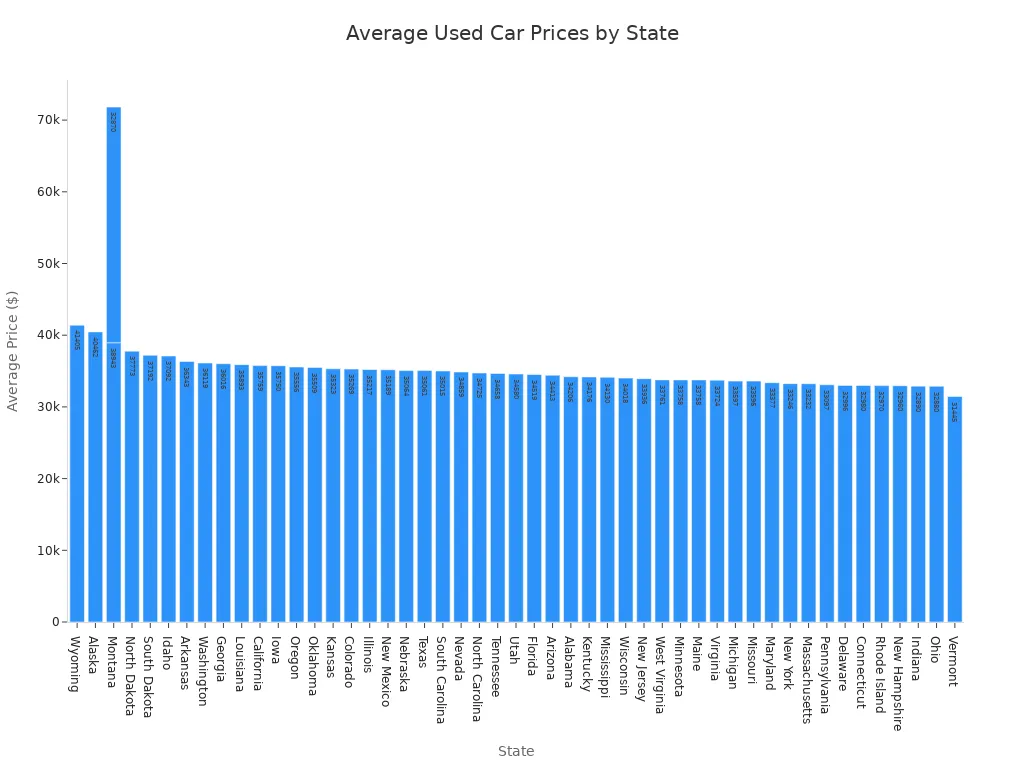
Knowing these price differences helps you determine if you are getting a good deal. It also helps you decide the best place to buy a used car based on pricing. Always check your vehicle’s price against market data. This helps you negotiate confidently.
Inspect and Evaluate the Car
Inspect and Evaluate the Car
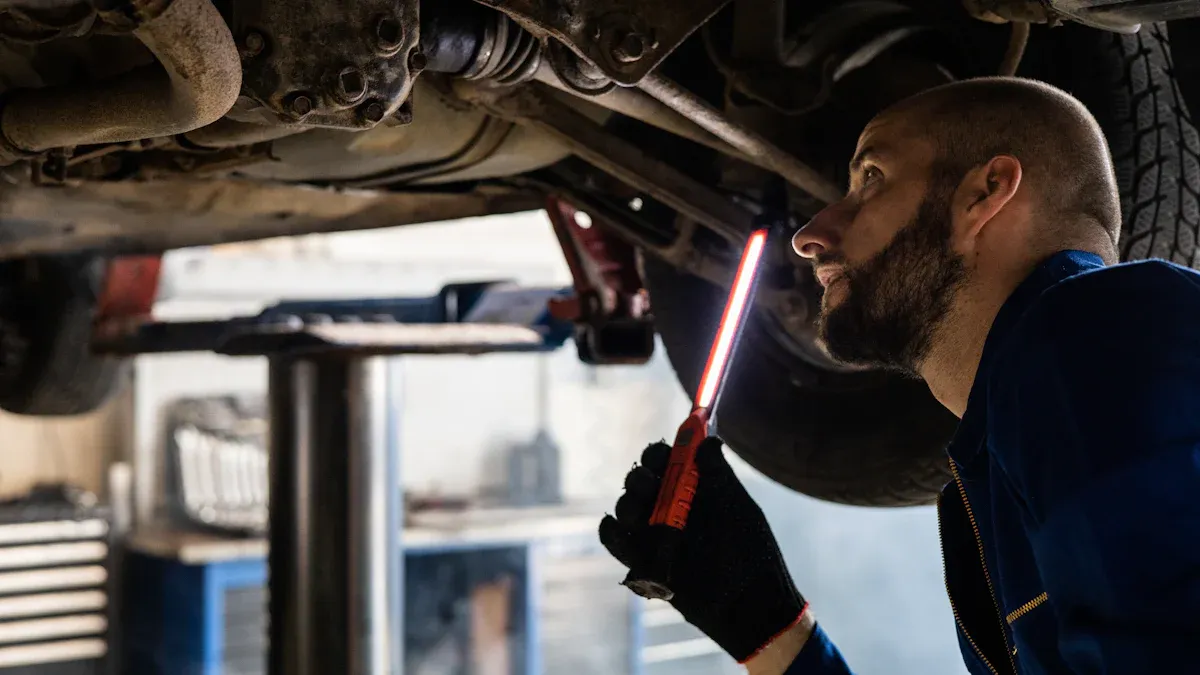
After identifying potential cars to purchase, your next step is to assess their condition. This evaluation is crucial in preventing future problems and avoiding costly surprises. A thorough examination—including a visual inspection, test drive, and professional assessment—is essential. Be sure to avoid common mistakes that can lead to issues after the purchase.
Conduct a Visual Check
Begin with a careful visual inspection of the vehicle. Start by examining the exterior to identify signs of damage, poor repairs, or neglect.
Exterior Red Flags:
- Scratches, Dents, or Mismatched Panels: These often indicate past accidents or low-quality repairs.
- Misaligned Doors, Hood, or Trunk: May suggest frame damage.
- Uneven Paint, Bubbling, or Rust: Signs of substandard repairs, corrosion, or hidden structural issues. Rust on the underbody or wheel wells is especially concerning.
- Bent Frames, Crumpled Fenders, or Uneven Panel Gaps: Strong indicators of serious collisions or structural damage affecting safety and handling.
- Uneven Tire Wear: Excess wear on one side may signal alignment problems or previous impacts.
- Mismatched Headlights or Taillights: Could indicate prior collisions or part replacements.
- Mismatched Tire Brands or Sizes: Often a sign of inconsistent or poor maintenance.
Next, inspect the engine bay. Its condition provides valuable insight into how well the vehicle has been maintained.
Under-the-Hood Checks:
- General Engine Bay Condition: Look for oil splatters, a corroded battery, or loose wires and hoses.
- Hoses and Belts: Rubber hoses should feel firm and flexible—not cracked, brittle, or mushy. Belts should not show fraying.
- Fluids:
- Engine oil should not be gritty or contain foam or water droplets.
- Transmission fluid should appear pinkish without burnt odors or metal particles.
- Brake and power steering fluids should be within the safe range.
- Radiator: Coolant should be green or orange, not milky or rusty. Check for green stains outside the radiator, which indicate leaks.
- Battery: For maintenance-free batteries, inspect the charge indicator. If the battery has filler caps, the fluid level should not be low.
- Leaks: Look for oil or other fluid leaks around the engine. Sludge buildup may indicate neglect or future repair needs.
- Head Gasket: Milky or light-brown sludge suggests a blown head gasket—an expensive issue.
Test Drive the Car Thoroughly
A test drive is essential for evaluating how the car performs under real-world conditions. It reveals issues that a visual inspection may not uncover. Pay close attention to sounds, vibrations, and how the vehicle responds.
Potential Mechanical Issues to Watch for During a Test Drive:
- Engine Start-Up: Listen for hard starting, knocking, clicking, or grinding. Warning lights should turn off after ignition.
- Engine Noise and Vibration: Loud ticking, knocking, or sputtering at idle or during acceleration is a red flag.
- Transmission:
- Automatics should shift smoothly without jerking, slipping, or delay.
- Manual clutches should engage cleanly, and the gearshift should not feel loose.
- Brakes: Watch for pulling to one side, grinding, squealing, pulsations, or a soft pedal.
- Steering and Handling: Excessive play or clunking over bumps may indicate worn components.
- Acceleration: Hesitation, sluggishness, or difficulty climbing hills can point to mechanical issues.
- Suspension: Excessive bouncing, rattling, or a loose feeling over rough roads suggests worn suspension parts.
- Unusual Smells: Burning oil, coolant, or rubber odors from inside or outside the car may indicate underlying problems.
Test the vehicle on various road conditions—city streets, highways, and uneven surfaces—to get a complete picture. Take your time; this stage should never be rushed.
Get a Pre-Purchase Inspection
Even if the car looks and drives well, a professional pre-purchase inspection (PPI) is strongly recommended. An independent mechanic can uncover hidden issues that may not be visible during your initial assessment. Costs typically range from $100 to $400, depending on the vehicle and location. Some services offer a flat rate (around $199), while a detailed inspection of a luxury or performance car may cost more.
Benefits of a Professional Inspection:
- Avoid Expensive Repairs: Early detection of issues can prevent costly future repairs.
- Ensure Safety: Confirms the vehicle is safe to drive.
- Make an Informed Decision: Detailed findings help you make a confident choice.
- Peace of Mind: Provides reassurance that a qualified expert has evaluated the car thoroughly.
- Negotiation Advantage: An inspection report can help lower the price or require the seller to handle repairs—potentially saving you significant money.
Examine Service Records
Always request the vehicle’s service history. These records reveal how well the previous owner cared for the car and whether routine maintenance was completed on schedule.
Key Information to Look For:
- Regular Maintenance Documentation: Includes scheduled service, tire rotations, brake inspections, and air/cabin filter replacements, plus routine fluid checks.
- Oil Change and Filter Records: Indicates consistency in oil change intervals, typically every 3,000–7,500 miles, reflecting proper engine care.
- Warranty and Recall Information: Factory warranty documents, dealership service stamps, and any transferable extended warranties.
- Repair Receipts and Major Work: Records of substantial repairs—such as engine or transmission work, collision repairs, and structural fixes—provide insight into the car’s longevity and condition.
Reviewing these documents helps confirm the vehicle’s maintenance history and shows whether the previous owner followed recommended service intervals.
Negotiate and Complete Your Purchase
You have found a car you like and inspected it thoroughly. Now, you need to negotiate the price and finalize the deal. This part of the process requires careful attention. You can ensure a smooth transaction and get the best price.
Master Negotiation Tactics
Approach negotiations with confidence. You have done your research. You know the car’s market value. Be ready to walk away if the deal does not feel right. Start by making a reasonable offer below the asking price. Justify your offer with any issues you found during inspection. Be polite but firm. Do not rush your decision.
Agree on Price and Terms
Once you agree on a price, clarify all the terms before signing anything. You need to understand every detail of the purchase agreement. This ensures you get the best price and avoid surprises.
Essential Terms to Clarify:
Basic Vehicle and Party Details: Confirm your name and address, the dealer’s name and address, the car’s make, model, color, VIN, odometer reading, and the date of sale.
Purchase and Payment Terms: Review the purchase price, payment terms, and financing terms.
Sales and Financing Information: This includes the vehicle’s price, total cost of accessories, various fees (dealership, registration, documentation, destination, advertising), sales tax, total purchase price, fees and taxes, trade-in value, amount to be financed, loan interest rate, loan duration (months), and monthly payment amount.
Hidden Fees and Add-Ons: Look for dealer fees (for processing paperwork), optional extras like extended warranties or paint protection. Ensure the advertised price matches the contract.
Warranties and Disclosures: Clarify what components or conditions are covered. Understand any exclusions (e.g., wear-and-tear parts). Check for maintenance obligations tied to the warranty.
Return and Cancellation Policies: Understand if the dealer allows cancellations or returns. Used cars might be sold “as-is.”
Understand All Paperwork
Carefully read all documents before you sign them. Do not feel pressured to sign quickly. Ask questions about anything you do not understand. Verify all your personal information. Check for extra fees you did not agree upon. Ensure the interest rate and loan terms match what you discussed.
Finalize Ownership Transfer
After you agree on everything, you must transfer ownership. This involves several steps to legally make the car yours.
Review the Title: The seller must provide a valid, original Certificate of Title. Ensure no lienholders are present or that any existing lien has been paid off.
Fill Out the Title: The seller completes the “Transfer of Title” section. They include your full legal name and address, the odometer reading (if the vehicle is under 10 years old), the date of sale, and signatures from both buyer and seller. Accuracy is crucial.
File a Bill of Sale (Recommended): A Bill of Sale documents the agreed-upon sale price, date, and vehicle details. This offers protection for both parties.
Seller Submits the Notice of Transfer and Release of Liability: The seller must notify the DMV of the ownership change within 5 calendar days of the sale. This protects the seller from future liabilities.
Smog Check Requirements: For most private sales, if the vehicle is more than four model years old, the seller is responsible for providing a current smog certification.
Buyer Submits Paperwork and Pays Fees: You must visit a DMV office or an authorized provider within 10 days of purchase. Submit the signed title, a completed Application for Title or Registration, a valid smog certificate (if applicable), proof of insurance, and payment for title transfer fees, registration, and use tax.
Buying a used car does not have to be difficult. You can succeed with proper preparation and a systematic approach. You prepared your budget, researched options, inspected vehicles, and negotiated effectively. Each step helps you make a smart purchase. Take your time. Be thorough. Trust your instincts throughout the process of buying a used car. You will enjoy your new-to-you vehicle, confident in your informed decision. This makes buying a used car a rewarding experience.
FAQ
How much should I spend on a used car?
Your total car costs should not exceed 10% of your gross income. Your car payment should be less than 10% of your monthly take-home pay. Plan another 5% for other car expenses. This keeps your finances healthy.
Where can I find reliable used cars?
Look online on sites like CarMax or Autotrader. Consider franchise dealers for certified pre-owned vehicles. They often offer warranties. Private sellers might have lower prices. Always check vehicle history reports.
Why do I need a pre-purchase inspection?
An independent mechanic checks the car for hidden problems. This inspection helps you avoid expensive repairs later. It ensures the car is safe. The report can also help you negotiate the price.
Can I negotiate the price of a used car?
Yes, you can. Research the car’s market value first. Use any issues found during inspection to support a lower offer. Be polite and firm. Do not rush your decision.