

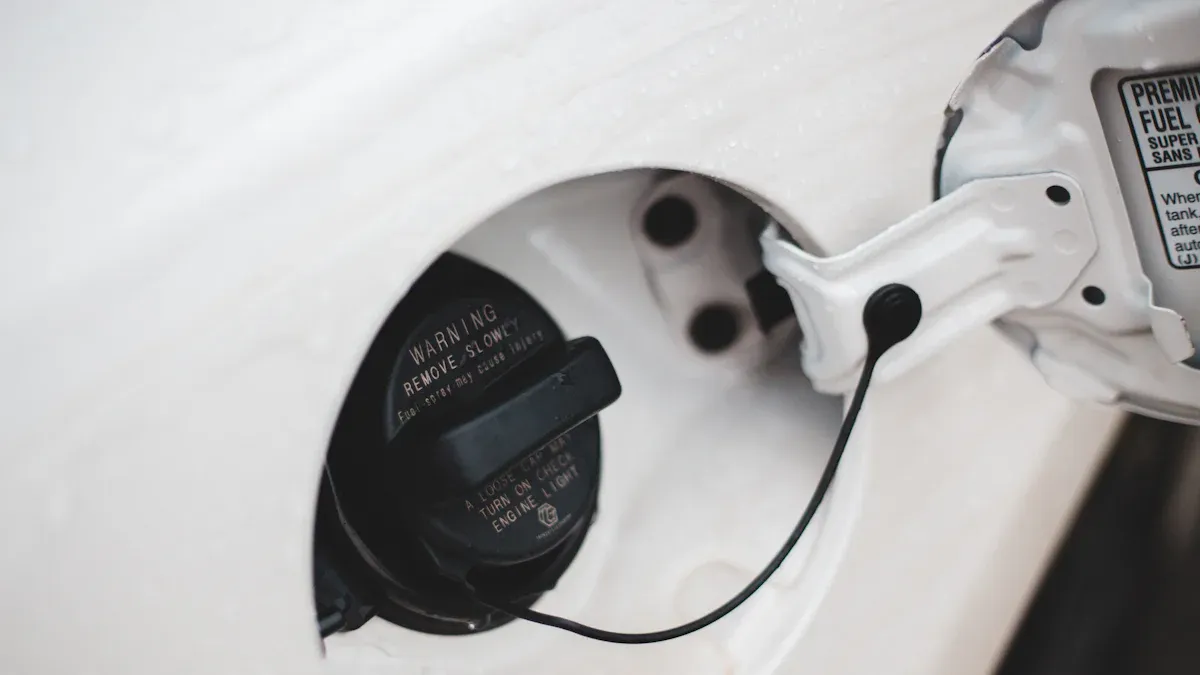
You need to know your car’s fuel type before you hit the pump. Using the wrong fuel can cause engine misfiring, stalling, or costly damage. Did you know nearly 29% of drivers have filled up with the wrong fuel? Check out these common consequences:
Consequence | Description |
|---|---|
Engine Knocking | Premature combustion, possible engine damage |
Reduced Performance | Sluggish acceleration and poor car response |
Fuel System Damage | Corrosion, leaks, and blockages |
Always double-check before refueling to avoid a headache. Want to tell if a car is gas or diesel? Keep reading for easy tips.
Key Takeaways
Always check for stickers or labels on the fuel cap and inside the filler flap to identify if your car uses gas or diesel.
Listen for engine sounds; diesel engines produce a deep knocking noise, while gasoline engines sound smoother and higher-pitched.
If unsure about the fuel type, consult the owner’s manual or ask a mechanic to avoid costly misfueling mistakes.
Tell if a Car Is Gas or Diesel
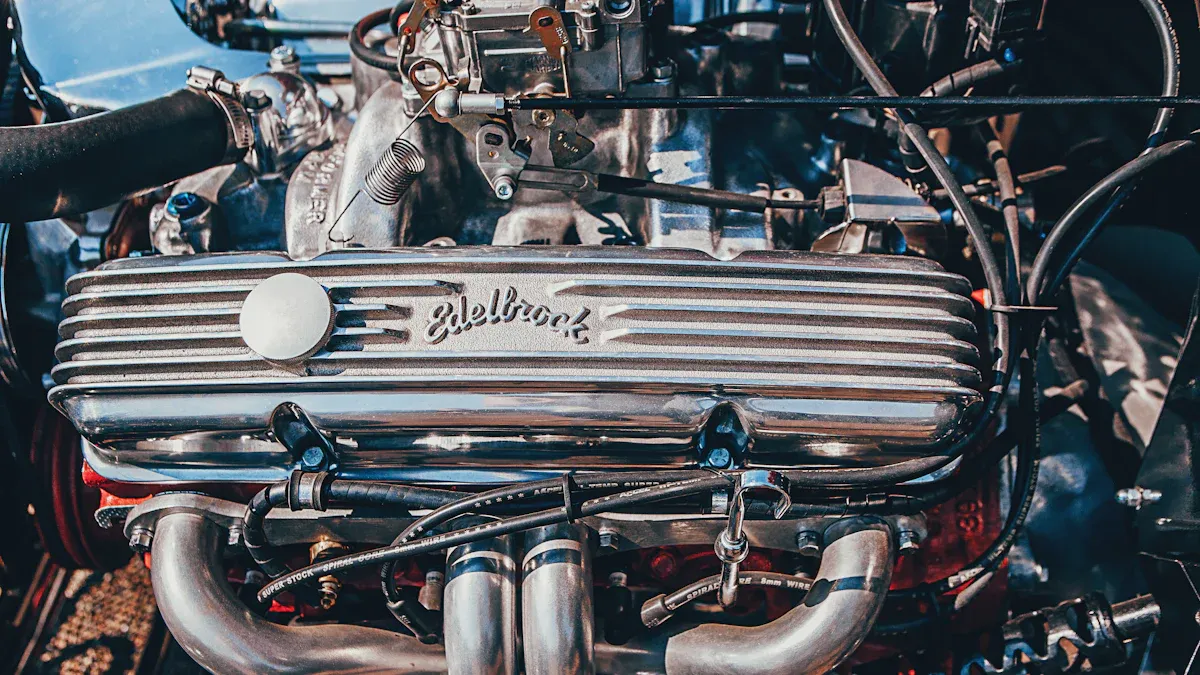
You want to tell if a car runs on gas or diesel before you fill up. Using the wrong fuel can lead to misfueling, which damages the engine and costs you money. Let’s break down the fastest ways to identify between petrol cars and diesel cars, so you never make a mistake at the pump.
Check Stickers and Labels
Start with the easiest step. Check for stickers and labels around the car. Many manufacturers place a sticker on the fuel cap, inside the filler flap, or even on the dashboard. If you drive a rental car, always check for stickers before refueling. Some keys have a tag that shows the fuel type. You might see “Diesel Only” or “Unleaded Gasoline Only.” If you don’t see a sticker, check the fuel cap label. This label often tells you if the car needs petrol or diesel.
Tip: If you can’t find a sticker, look at the vehicle’s title or bill of sale. The eighth position of the VIN can also help you confirm the fuel type. For rental cars, ask the staff or check the documentation.
Here’s a quick table showing reliable methods experts use to tell if a car is gas or diesel:
Method | Description | Reliability |
|---|---|---|
Engine Performance Testing | Evaluates how well the engine runs on different fuels. | High |
Emissions Testing | Measures pollutants emitted by the vehicle to infer fuel type. | High |
LIBS (Laser-Induced Breakdown Spectroscopy) | Analyzes fuel composition with precision. | Very High |
NIR (Near-Infrared) Spectroscopy | Quick, non-destructive test for fuel quality. | High |
Fuel Cap and Filler Flap
Next, check the fuel cap and filler flap. Most cars have a clear label inside the flap. If you see “Diesel,” you know it’s a diesel-powered engine. If it says “Unleaded,” you need petrol. Some rental cars have a bright sticker on the flap to help you avoid mistakes. Always check the fuel cap label before you fill up. If you don’t see a label, look for the shape of the nozzle. Diesel pumps are usually larger, so a diesel car has a wider filler neck.
Note: Older vehicles may not have clear labels. In that case, listen for knocking or pinging sounds after refueling. Petrol cars can knock with lower octane fuel, while diesel engines need the right fuel to run smoothly.
Dashboard Indicators and Glow Plug Symbol
When you turn the key, look at the dashboard. Diesel cars have a special glow plug symbol. It looks like a coil or spring. This symbol lights up when the glow plugs warm up the engine for a cold start. If you see this symbol, you’re driving a diesel. Gasoline cars don’t have glow plugs, so you won’t see this indicator.
Symbol | Description |
|---|---|
Coil or spring shape | Shows glow plugs warming up the engine for a cold start. Only found in diesel cars. If it stays on or flashes, there’s a problem with the glow plugs or control module. |
Engine Components and Rev Meter
If you want to dig deeper, look at the engine. Gasoline engines use spark plugs to ignite the fuel. Diesel engines rely on compression ignition, so they don’t have spark plugs. Instead, diesel engines use glow plugs to help start in cold weather. Here’s a table to help you spot the difference:
Component | Gasoline Engines | Diesel Engines |
|---|---|---|
Ignition Method | Spark plugs ignite fuel | Compression ignition |
Additional Component | N/A | Glow plugs assist ignition |
Gasoline engines use spark plugs for ignition.
Diesel engines use glow plugs to help start in cold weather.
Diesel engines rely on high compression to ignite the fuel.
Now, check the rev meter on the dashboard. Diesel engines run at lower RPMs than petrol engines. A diesel engine might idle around 750 RPM and cruise at 2000 RPM. Petrol engines idle at 900 RPM and can cruise at much higher RPMs, sometimes over 6500 RPM. If you see the rev meter max out at a lower number, you probably have a diesel.
Quick tip: If you still can’t tell if a car is gas or diesel, ask a mechanic or use the DOE’s Alternative Fuel and Advanced Vehicle Search tool. Never guess, especially with a rental car.
Common Mistakes to Avoid
Many drivers confuse diesel with petrol and end up misfueling. Gasoline lacks the lubricating properties diesel engines need. This mistake can cause severe engine damage. Always double-check the fuel type before you fill up. For newer cars, sensors help prevent preignition and handle ethanol blends. Older cars may knock or ping if you use the wrong fuel.
If you want to identify between petrol car and diesel cars, use these steps every time. You’ll avoid costly repairs and keep your car running smoothly.
More Ways to Spot Fuel Type
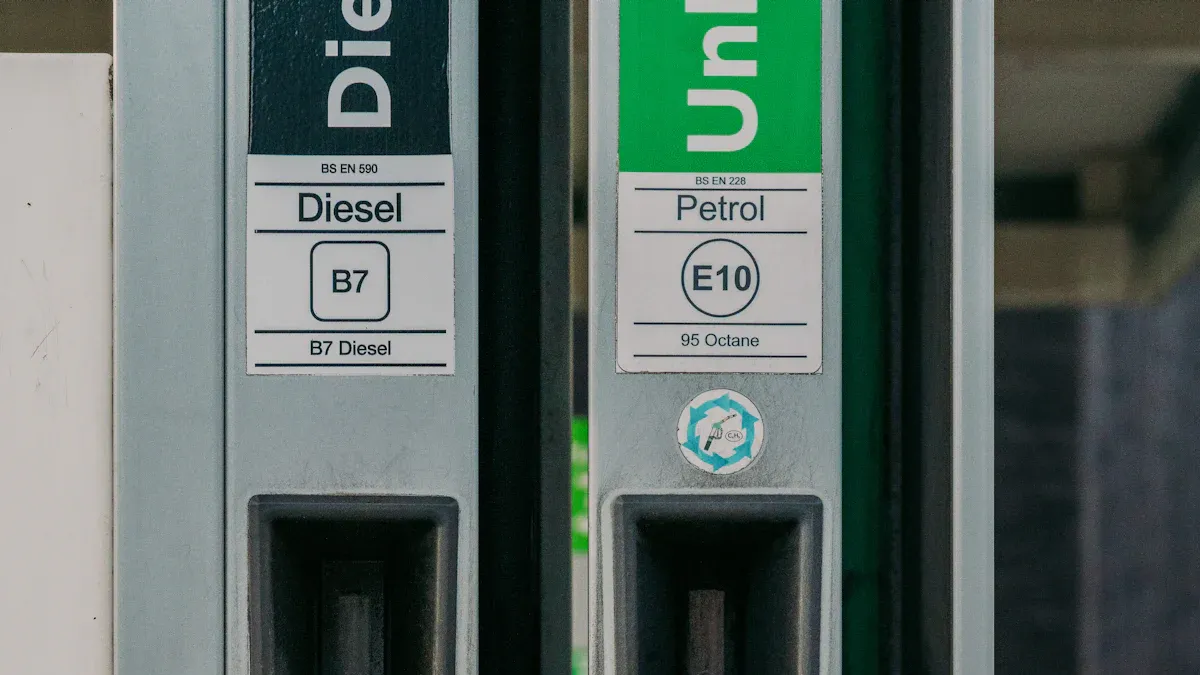
Exhaust Soot and Smell
You can spot the difference between petrol and diesel cars by checking the exhaust. Diesel engines often leave black soot around the tailpipe. This soot has a higher carbon content than what you see on a gas car. Gasoline engines, especially modern ones, produce less soot and it looks more like sludge. Here’s a quick table to help you see the difference:
Characteristic | Diesel Soot | Gasoline Soot |
|---|---|---|
Carbon Content | Higher | Lower |
Appearance | Black, powdery | Sludge-like |
The smell is another clue. Diesel exhaust has a strong, oily odor. Gas exhaust smells sharp, almost sweet, especially if the air/fuel mix is too rich. If you notice a strong diesel smell, you might have an exhaust leak, which can be dangerous.
Engine Sound Differences
Listen to the engine when you start the car. Diesel engines make a deep, knocking sound. This happens because of the way diesel fuel ignites. Gas engines sound smoother and higher-pitched. Diesel engines also run louder, usually between 70 and 85 decibels. Gasoline engines are quieter, around 60 to 75 decibels. Here’s what you might notice:
Diesel engines have a knocking or rattling sound.
Gasoline engines sound smoother and more refined.
Diesel engines run at lower RPMs and sound deeper.
Gas engines rev higher and sound lighter.
Diesel vs Gasoline Car Comparison
You might wonder about the main difference between a diesel vs gasoline car. Here’s a table to help you compare:
Feature | Diesel Cars | Gasoline Cars |
|---|---|---|
Fuel Efficiency | Up to 30% better | Less efficient |
Torque | Higher, great for towing | Lower |
Horsepower | Lower | Higher |
Emissions | More soot, more NOx | Cleaner, less NOx |
Maintenance | Fewer repairs needed | More frequent repairs |
Ride Quality | Noisier | Smoother, quieter |
Fuel Cost | Usually higher | Usually lower |
Diesel engines last longer and need less maintenance, but petrol cars are cheaper to fix and run smoother. Gas cars also accelerate faster.
What to Do If Unsure or Mistake Happens
If you still can’t tell the fuel type, check the owner’s manual or look for documentation in the glove box. Federal agency resources can help you identify between petrol cars and diesel cars. Always check for stickers or check the fuel cap label before filling up, especially with a rental car. If you misfuel, don’t start the car. Tell the fuel attendant, push the car to safety, and call for help. Your insurance may cover misfueling, so contact them if needed.
Tip: If you rent a car, always double-check the fuel type. Rental car companies often use clear labels, but it’s smart to ask if you’re unsure.
You can spot your car’s fuel type by checking the owner’s manual, fuel cap labels, and dashboard symbols. Always double-check before refueling. Here’s a table with smart strategies to avoid misfuelling:
Strategy | Description |
|---|---|
Label Fuel Caps | Mark fuel caps clearly with the correct fuel type. |
Color Coding | Use color-coded labels for easy identification. |
Regular Maintenance | Check fuel caps and labels during routine maintenance. |
If you’re still unsure, try these steps:
Ask your dealer for details.
Look in your owner’s manual.
Get familiar with your car’s features.
Double-checking saves you money and keeps your engine safe!
FAQ
How do you know if your car needs diesel or gas?
Check the fuel cap label or owner’s manual. Look for dashboard symbols. Ask your dealer if you still feel unsure.
Can you switch between diesel and gasoline in the same car?
No, you cannot. Each engine type uses a specific fuel. Using the wrong fuel can damage your engine.
What should you do if you put the wrong fuel in your car?
Stop the engine right away. Call for help. Do not drive. Your insurance may cover the cost of repairs.



