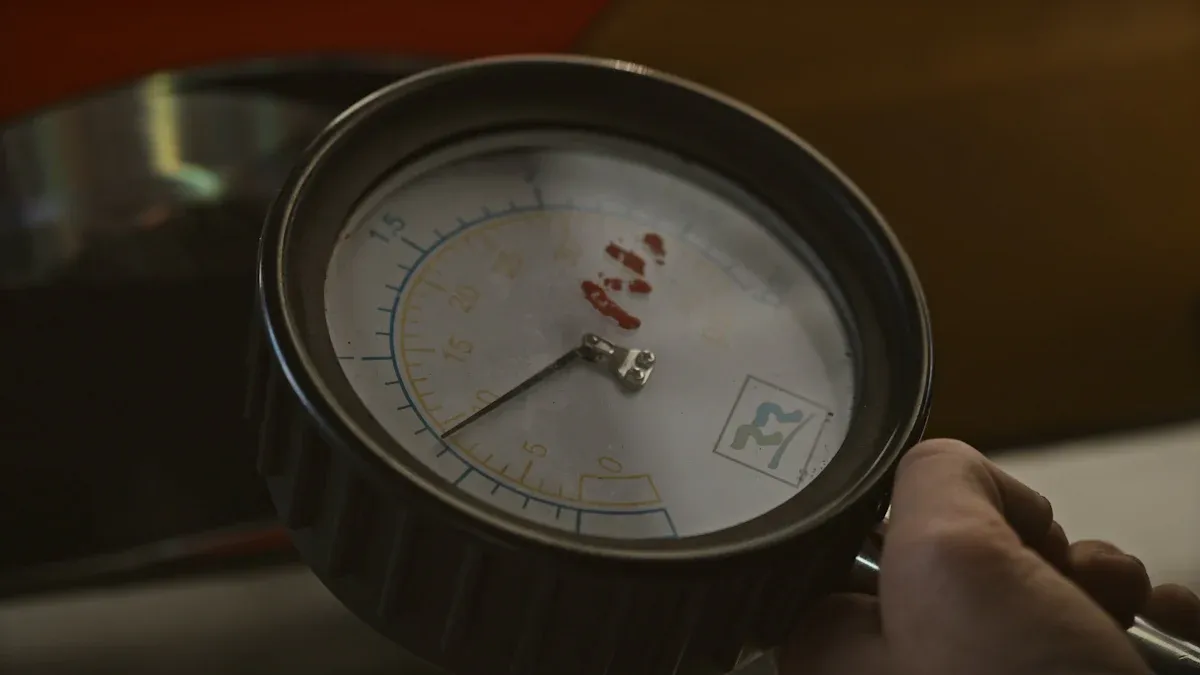
Seeing the low tire pressure light on your dashboard can be frustrating. This tire pressure light signals a potential safety concern. Many causes are simple to fix. This guide offers 10 quick fixes. Addressing low tire pressure promptly is vital for your safety. Proper tire pressure also saves fuel. Underinflated tires can reduce fuel economy by 2-10%. This also extends tire lifespan. Your TPMS warning light helps you avoid these issues. This TPMS system helps you monitor your tire pressure. You should check your tire pressure regularly. A persistent tire pressure monitor light means you need to check your tire and pressure.
Address Low Tire Pressure
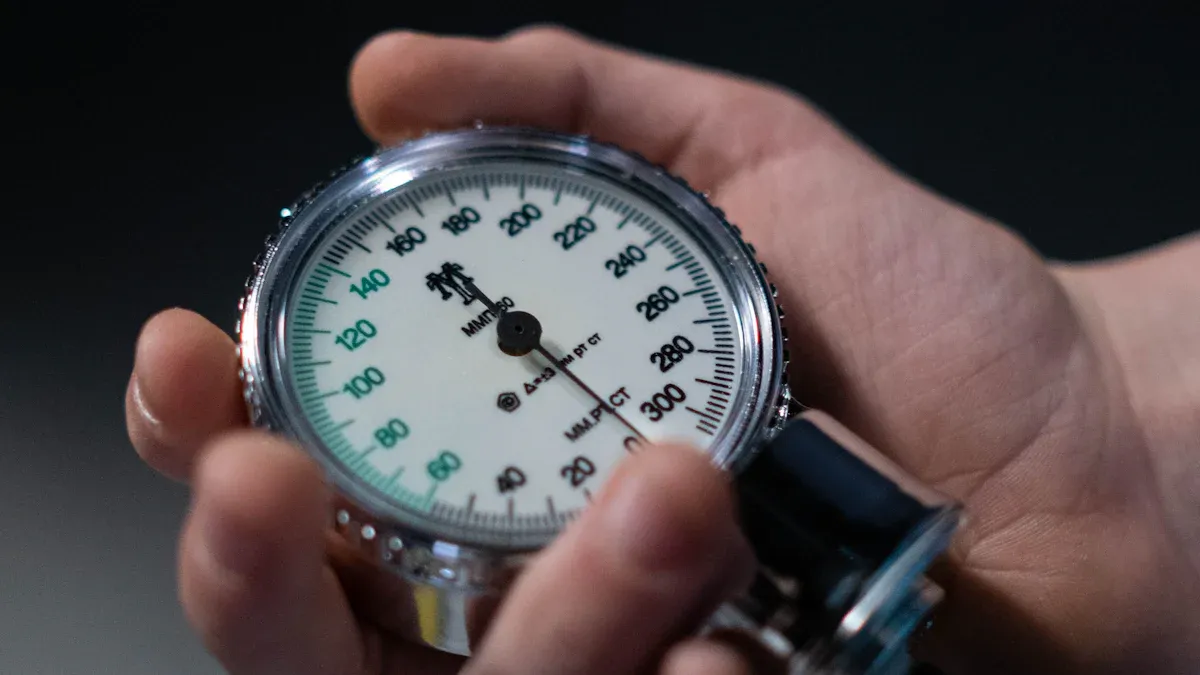
When your low tire pressure light comes on, the most common reason is actual low tire pressure. You need to check your tires. This is the first step to fix the issue.
Use a Tire Pressure Gauge
First, you need a reliable tire pressure gauge. You can find different types. Quality pencil-style gauges are usually under $5. Digital gauges with backlit displays often cost between $7 and $45. The best analog gauges, which have hoses and liquid-filled displays, can cost up to $30. Here is a quick look at some options:
Gauge Type | Model | Price |
|---|---|---|
Best Analog | JACO ElitePro Tire Pressure Gauge – 100 PSI | $22.90 – $24.95 |
Best Digital | JACO ElitePro Digital Tire Pressure Gauge | $29.90 |
Best Pencil Style Analog | ETENWOLF Pencil Tire Gauge | $5.39 – $9.99 |
Best Budget Option | AWELTEC Digital Tire Pressure Gauge 150 PSI | $6.99 |
You will use this tool to measure the air in each tire.
Know Your Recommended PSI
Every vehicle has a specific recommended tire pressure, measured in PSI (pounds per square inch). You must know this number. You can find your car’s recommended tire pressure in several places:
Your owner’s manual
A sticker on the vehicle’s door jamb
A sticker on the doorpost
A sticker on the glove box door
A sticker on the fuel door
This number is important for safe driving and tire longevity. Do not guess your tire pressure.
Inflate to Correct PSI
Once you know the correct PSI, you can add air to your tires. Use an air compressor at a gas station or a portable one. Fill each tire slowly. Check the pressure often with your gauge. Stop when you reach the recommended PSI. Do not overinflate your tires. Overinflated tires can be dangerous. They also wear out faster.
Check All Tires, Including Spare
You must check every tire on your vehicle. This includes the spare tire if your car has one. Sometimes, only one tire has low pressure. Other times, multiple tires need air. The TPMS warning light will stay on if even one tire is underinflated. Make sure all tires meet the correct pressure. This helps turn off the TPMS warning. Proper tire pressure is key for your safety.
Reset TPMS System
After you have corrected your tire pressure, the TPMS warning light might still be on. You need to tell the system that the issue is resolved. There are several ways to reset your TPMS.
Drive to Reset TPMS Light
Sometimes, the TPMS system needs time to recognize the new tire pressure. After you add air to your tires, the low tire pressure light might not turn off right away. You need to drive your car. It often takes a few miles of driving for the TPMS light to turn off. This shows the system has sensed the correct tire pressure. After a manual reset, the TPMS sensors usually need about 20 minutes of driving. This helps them refresh and update. This driving also helps clear the warning.
Use TPMS Reset Button
Some cars have a special TPMS reset button. You can find this button in different places. It might be on the farthest left side panel, just underneath the A/C vent. You could also find it on the steering wheel or the dashboard. Sometimes it is near the gear shifter or the pedals. Check your glove box too. Always look in your car’s owner’s manual for the exact spot. This manual gives you precise instructions. Newer cars often do not have a physical button. You will find the TPMS reset function in the ‘Settings’ menu on your center console. There you can test, calibrate, or reset the TPMS. This digital option makes the reset process simple.
Disconnect Battery for Reset
If other methods do not work, you can try to reset the TPMS by disconnecting your car’s battery. This is a more drastic step. First, turn off your car completely. Then, find your car battery under the hood. Use a wrench to disconnect the negative terminal. This terminal is usually marked with a minus sign. Wait for about 15 to 30 minutes. This waiting period allows the car’s computer to clear its memory. Then, carefully reconnect the negative terminal. This action can sometimes force a system reset for the TPMS. Be aware, this might also reset your radio presets, clock, or other electronic settings in your vehicle. You will need to re-enter these settings.
Inspect for Tire Damage

Sometimes, your tire pressure light comes on because your tire has physical damage. You need to check your tires carefully. This damage can cause air to leak out. Finding the damage helps you fix the problem.
Visually Check for Punctures
You should look closely at each tire. Search for anything stuck in the tread or sidewall. This includes nails, screws, or sharp objects. These items can cause a slow leak. Also, check for any cuts or bulges on the tire. A bulge means the tire’s structure is weak. If you find a puncture, you will need to repair or replace the tire. This step is important to maintain proper tire pressure.
Examine Valve Stems for Leaks
The valve stem is where you add air to your tire. It can also leak. Rubber valve stems can crack. Extreme temperatures make them crack more easily. This leads to slow air loss or sudden tire deflation. You can check for a leaking valve stem.
Flex the stem to one side. Look for cracks or punctures.
See if the rubber looks old and dry.
Remove the valve cap. Apply a soap and water mixture to the valve. Watch for bubbles. Bubbles mean air is escaping. Chris “Moose” Pyle, an auto repair expert, says you might hear or feel air rush out when you remove the cap. A cracked cap also signals a problem. Squirt soapy water into the tire valve stem. If bubbles form, you have a slow leak. This can trigger your tpms warning light.
Listen for Hissing Sounds
After you visually check your tire, listen carefully. A hissing sound means air is escaping. This sound can come from a puncture or a leaking valve stem. Move slowly around each tire. Listen for any air escaping. If you hear a hiss, you have found a leak. This leak causes low pressure. You must fix it to turn off the warning.
Account for Temperature Changes
Temperature changes can affect your tire pressure. This often triggers your TPMS. You need to understand how weather impacts your tires.
Understand Cold Weather Effects
Cold weather makes the air inside your tires contract. This causes the pressure to drop. For every 10°F reduction in air temperature, tire pressure is expected to decrease by about 1 pound per square inch. Tire pressure typically decreases by approximately 1–2 PSI for every 10-degree Fahrenheit drop in ambient temperature. This means your tires lose pressure as temperatures fall. Your TPMS will detect this change. It will then activate the low tire pressure light. This is a common reason for the tire pressure light to come on during colder months. The system gives you a warning.
Recheck Pressure After Temperature Swings
You should always check your tire pressure after big temperature changes. If the weather gets much colder, your tire pressure will likely drop. You need to add air to your tires to reach the correct PSI. This will turn off the TPMS warning light. If you live in an area with fluctuating temperatures, make it a habit to check your tire pressure regularly. Maintaining proper tire pressure is crucial for safety and tire longevity. A quick check can prevent a persistent warning.
Utilize a Tire Repair Kit
Sometimes, you find a small leak in your tire. A tire repair kit can offer a temporary fix. You can use it to get to a repair shop. These kits often contain many useful items for your tire.
Apply Temporary Sealant
You can use a tire repair kit to fix minor punctures. This helps restore your tire pressure temporarily. A comprehensive kit might include many tools and parts. For example, you might find:
25 Thick string inserts
25 Thin String Inserts
2 Standard Pressure Valve Stems
1 High Pressure Valve Stem
3 Medium Radial & Bias Ply patches
4 Small Radial & Bias Ply Patches
1 4”x 6” Large Patch “Baja Boot”
2 Large Tube Repair Patches
3 Medium Tube Repair Patches
4 Tubes of Rubber Cement
1 Jar of String Insert Lube
6 High Temp Valve Cores
4 Steel Valve Caps W/ Core Remover
1 4 Way Tire Tool, Hard Anodized
1 Utility Razor Knife
1 Buffer and Stitcher Tool
1 Tire Probe, Chrome Plated Steel
1 Needle Insert Tool
1 Chalk for Marking Punctures & Tire
3 Hand Cleaner Wipes, Packaged
1 Carrying case
You apply the sealant or plug the hole. This stops the air from escaping. This temporary fix allows you to drive safely to a service center.
Understand Sealant Limitations
You must understand the limits of these sealants. They are not for every situation. They are not a permanent fix for low tire pressure.
Sealants do not work for holes larger than 4 millimeters.
Extreme temperatures affect their performance. They can freeze in cold or degrade in heat.
They can make your tire vibrate. This makes driving unsafe.
Sealants can harm your TPMS sensors. They can also affect wheel balancing.
They might damage your tire’s internal parts. This can void your tire warranty.
Sealants are not long-term fixes. They do not permanently seal the innerliner. Moisture can get in and corrode steel belts.
They can be messy. They may not work with all tire types.
Always seek professional repair for your tire as soon as possible. You should still check your tire for proper pressure soon.
Replace a Faulty Valve Stem
Sometimes, the problem is not a puncture in your tire. The issue can be with the valve stem itself. This small part helps keep air in your tire. A faulty valve stem can cause your low tire pressure light to come on.
Identify a Damaged Valve Stem
You need to look closely at your valve stems. They can show signs of damage. You might see visible cracks on the stem. The rubber can look old and dry. Sometimes, the valve stem appears corroded. You can also check for air leaks. Wiggle the valve stem gently. If you hear air escaping, it is damaged. You might also notice the valve stem is loose. Dirt can clog the valve stem. This can prevent a good seal. All these issues lead to air loss. This causes low tire pressure. You must address these problems to maintain proper pressure.
Professional Valve Stem Replacement
Replacing a faulty valve stem is not a simple task. It requires special tools. The tire must come off the wheel. This allows access to the valve stem from the inside. A professional can do this safely. They will remove the old stem. Then, they install a new one. They also ensure the new stem seals correctly. This prevents future air leaks. After replacement, they will check the tire pressure. This ensures it is at the correct level. This repair helps turn off your TPMS light. It also keeps your tire safe.
Diagnose TPMS Sensor Issues
Sometimes, the problem is not low tire pressure. Your TPMS sensors themselves can malfunction. This can trigger the tire pressure light. You need to understand the signs of a faulty sensor.
Recognize Sensor Malfunction Signs
You might see misleading information from your TPMS sensors. This includes false alerts. You get constant warnings about a damaged tire. This happens even when your tires are properly inflated. You might notice increased fuel consumption. This occurs if you drive with an undetected flat tire. Your engine works harder to compensate for increased friction. You could also experience handling concerns. This means tight steering or a jerky feel. Low air pressure in the front tires causes this. A faulty sensor failed to detect it.
The TPMS warning light illuminates on your dashboard. This indicates the system is not working correctly. A ‘Tire Pressure Sensor Fault’ message might appear on your dashboard. Sometimes, the TPMS light blinks on your dashboard. It may turn solid after 60-90 seconds. This often indicates a dead battery in a tire pressure sensor. These are all signs you have a problem with your TPMS.
Professional Sensor Diagnosis
If you suspect a faulty TPMS sensor, you should seek professional help. Mechanics use specialized tools to diagnose these issues. These tools can activate, program, and relearn your TPMS. For example, advanced scanners like the TS5000 and TS7000 offer comprehensive vehicle fault diagnostics. The T2000WF is a wireless scan tool. The T1000 is a compact tool for quick checks.
These diagnostic tools support both 315MHz and 433MHz frequencies. This makes them compatible with most vehicles. They connect via OBD-II. This gives direct access to TPMS data. They support various relearn procedures. These tools can program aftermarket sensors. They can clone existing sensor IDs. They also check sensor battery life and transmission strength. A professional can accurately check your tire pressure system. They will find the exact cause of your tire pressure monitor light. This ensures your safety and turns off the warning.
Replace Dead TPMS Sensor Batteries
Sometimes, your tire pressure light comes on even when your tires have the correct pressure. The problem might be a dead battery inside one of your TPMS sensors. These sensors monitor your tire pressure. They rely on small batteries to send data.
Understand Sensor Battery Life
TPMS sensors have a limited lifespan because their batteries eventually die. You can expect these batteries to last about 5 to 7 years. Some sensors might even work for 10 years. However, some sensors fail sooner. For example, some drivers report sensors failing before 90,000 miles, often around the 6-year mark, especially with daily driving. One vehicle needed a TPMS sensor replaced at the 6-year mark. Another car went through two full sets of sensors in just 54,000 miles. When a sensor battery dies, it stops sending a signal. This causes your tpms warning light to illuminate. The system cannot get a reading from that tire. This triggers the tire pressure monitor light.
Professional Sensor Battery Replacement
You cannot usually replace just the battery in a TPMS sensor. The sensor is a sealed unit. When the battery dies, you must replace the entire tire pressure sensor. This job requires professional help. A mechanic will remove the tire from the wheel. They then replace the old sensor with a new one. After installing the new sensor, they will remount and rebalance the tire. Finally, they perform a TPMS relearn procedure. This tells your car’s computer about the new sensor. This process ensures your tpms system works correctly. It also turns off the persistent warning. You will then have accurate tire pressure readings again.
Perform a TPMS Relearn Procedure
After you fix a low tire or replace a sensor, your car’s computer needs to learn the new information. This process is called a TPMS relearn. It tells the system the correct pressure for each tire. A relearn ensures your TPMS works accurately. It also turns off the tpms warning light.
Consult Owner’s Manual for Relearn
Your car’s owner’s manual is the best place to find specific instructions for a TPMS relearn. Many vehicles have built-in reset systems you can use.
Using the Vehicle’s Built-in Reset System: You can access the TPMS reset menu through your dashboard controls or infotainment system. Select a ‘Reset’ option and confirm your choice. Then, drive for about 20 minutes at 20 mph. This helps the sensors synchronize. If your car has a dedicated button, press and hold it until the TPMS lights blink and turn off. This completes the reset.
Drive Cycle Activation: Turn your car keys to ignite the engine. Drive slowly at a steady speed of 20-30 mph for at least 10 minutes. The warning should disappear. This simple drive can often reset the system.
Manual Reset Using Ignition and Pedal Sequences: Some cars allow a manual reset. Turn your car key to the ‘ON’ position, but do not start the engine. Press and release the brake pedal once, then turn the key to ‘OFF’. Repeat this step one more time. Turn the car key to ‘ON a third time. Wait for the TPMS lights to blink or a horn to beep. This confirms activation of the reset. You should check your tire to ensure it is properly inflated before attempting this reset.
Professional Relearn Service
Sometimes, you cannot perform a TPMS relearn yourself. Certain vehicles require specialized tools for this procedure. If your owner’s manual does not provide a simple method, or if your attempts to reset the system fail, seek professional help. A mechanic has the diagnostic equipment to perform a proper TPMS relearn. They ensure your tire pressure monitoring system functions correctly. This prevents any false warnings and keeps your tire pressure accurate.
Seek Professional Help for Persistent Tire Pressure Light
You have tried many solutions. Sometimes, the low tire pressure light still stays on. This means you need expert help. A mechanic can properly diagnose the problem.
When to Visit a Mechanic
You have filled your tires to the correct pressure. You have reset the system. Yet, the tire pressure light remains illuminated. This indicates a sensor or system fault. You need professional mechanic assistance for diagnosis and repair. Expert TPMS services quickly find the issue. Skilled technicians inspect your TPMS. This improves your safety and gas mileage. Do not ignore a persistent tire pressure monitor light. It signals a problem beyond simple air loss. A blinking tpms warning light often means a sensor has failed. You should visit a professional in these cases.
Advanced Diagnostic Tools
Mechanics use advanced tools to find complex TPMS problems. These tools go beyond basic checks. For example, the Autel TS501 diagnoses newer car models. It can copy data from your car’s computer. This helps replace faulty sensors. It also checks your TPMS health. It reads error codes. Another powerful tool is the TOPDON TP58. It has a full-color touchscreen. It connects to Wi-Fi for automatic updates. It can relearn TPMS for over 90% of vehicles. It also retrieves and clears TPMS-related error codes. These tools help adjust tire pressure settings. They can even unlock Toyota TPMS systems. They support Tesla’s latest sensors. They get free software updates. They also help record tire information. They quickly identify your vehicle. These specialized tools ensure an accurate diagnosis and proper repair of your tire pressure system.
Maintaining correct tire pressure is critical. It ensures your vehicle’s safety. It also improves fuel efficiency and extends your tire’s lifespan. You can fix many instances of the low tire pressure light with our quick solutions. Make sure you check your tire pressure regularly. This is part of your routine maintenance. If the tire pressure monitor light or tpms warning light stays on, seek professional help. Do not ignore this warning. You should check your tire again.