

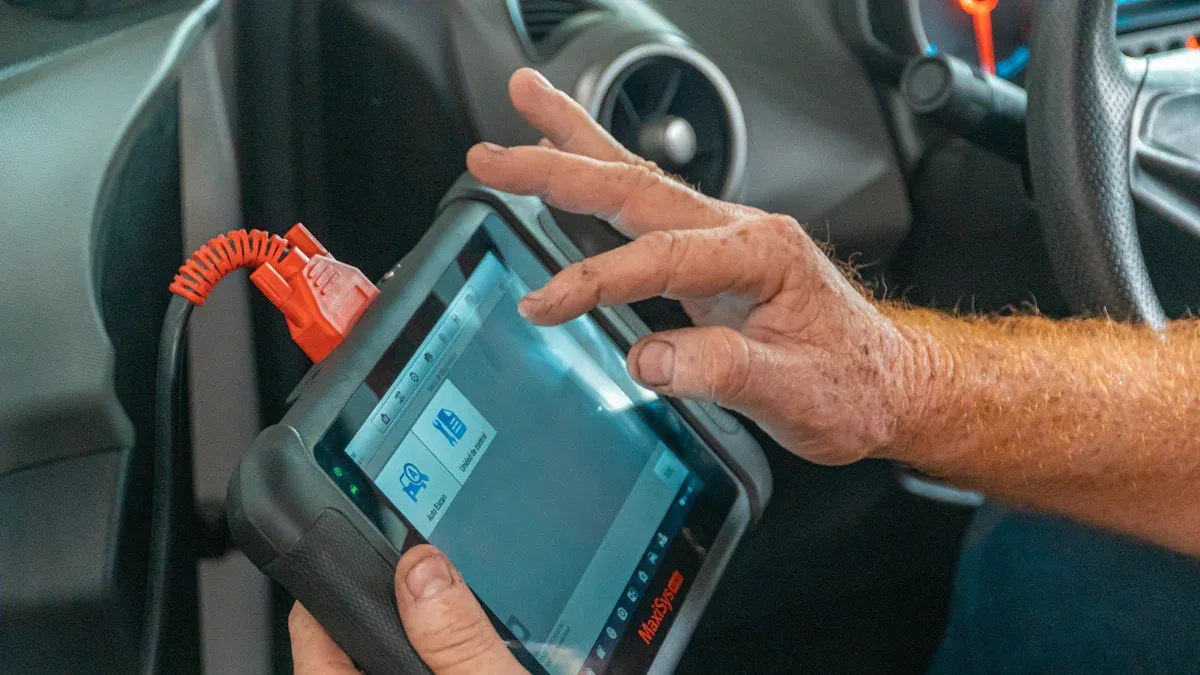
The P0106 code signals a “Manifold Absolute Pressure/Barometric Pressure Circuit Range/Performance Problem.” This means your vehicle’s computer detects an abnormal voltage or implausible signal from the MAP/BARO sensor. This specific code triggers your check engine light. It tells you about a pressure problem in the intake manifold. Addressing this P0106 problem is crucial for your engine performance and fuel efficiency. Ignoring this code can cause further complications. You will learn about the symptoms, causes, and practical steps to fix this P0106 code effectively.
Key Takeaways
The P0106 code means your car’s computer sees a problem with the MAP/BARO sensor. This sensor helps your engine get the right amount of air and fuel.
This code can cause your car to use more gas, lose power, or run roughly. Your check engine light will also turn on.
Common reasons for this code include a bad sensor, air leaks, or bad wires. A dirty engine part called the throttle body can also cause it.
You can fix this problem by checking for air leaks, cleaning or replacing the sensor, or fixing bad wires. An OBD-II scanner helps find the exact issue.
Fixing the P0106 code quickly is important. It helps your car run well and saves you from bigger problems later.
Understanding the P0106 Code
MAP and BARO Sensor Function
Your vehicle relies on specialized sensors to run smoothly. The Manifold Absolute Pressure (MAP) sensor is one of these. It provides instant manifold pressure information to your engine’s electronic control unit. This sensor helps calculate air density and the engine’s air mass flow rate. It determines the exact fuel delivery needed for perfect combustion. The map sensor monitors pressure changes inside the intake manifold. It turns these pressure changes into electrical signals for the Powertrain Control Module (PCM). This data is vital for fuel injection control. It also helps detect leaks in the intake manifold. This sensor ensures efficient engine performance, good fuel economy, and proper power output. It also aids in emissions control.
Another important sensor is the Barometric (BARO) sensor. This sensor measures the atmospheric pressure around your car. It produces a linear analog voltage signal. This signal tells the PCM about the current air pressure. The PCM uses this information to determine altitude. This helps adjust engine timing and fuel quantity. This ensures optimized engine operation across different altitudes. For example, it can increase glow plug on-time at higher altitudes.
How the PCM Uses Sensor Data
The PCM acts as your engine’s brain. It uses data from both the MAP and BARO sensors. The PCM calculates engine load by estimating the amount of air entering the engine. It uses the map sensor signal along with engine RPM, throttle position, and temperatures.
This estimated airflow helps determine engine load. When your engine works hard, the intake vacuum drops. The map sensor sends a signal to the PCM showing this heavy load. For light loads, the vacuum increases, and the sensor signals this too. The PCM then adjusts the fuel mixture and ignition timing. It gives more fuel for heavy loads and less for light loads.
The PCM also uses the BARO sensor data to adjust fuel delivery. This is important for changes in altitude and weather. In some fuel control systems, the BARO reading is part of the calculation for how long the fuel injectors stay open. This shows the BARO sensor’s direct role in adjusting fuel based on atmospheric pressure.
Why Range/Performance Matters
A “range/performance” issue with these sensors means they are sending data that does not make sense. This is critical for your engine’s operation. An incorrect map sensor signal can cause many issues. It can lead to increased vehicle emissions.
Your car might release too much fuel, causing higher levels of carbon monoxide. This can make you fail an emission test. You might notice reduced engine power. If the sensor incorrectly signals a low engine load, the PCM reduces fuel. This means less power for you. You could also experience acceleration issues, like hesitation or jerking. In severe cases, your car might even stall. A strange gasoline smell can also be a sign.
These issues can lead to a P0106 code. This code turns on your Check Engine Light. It tells you the sensor is providing incorrect data. A faulty sensor directly impacts your engine’s air-fuel ratio. This can cause improper ignition timing. Sustained problems can damage internal engine parts. This includes pistons and rods. You might see symptoms like a rough idle, poor fuel economy, or slow acceleration. Other issues include surging, stalling, lack of power, or engine overheating. Addressing the P0106 code is important to prevent these serious problems.
P0106 Symptoms
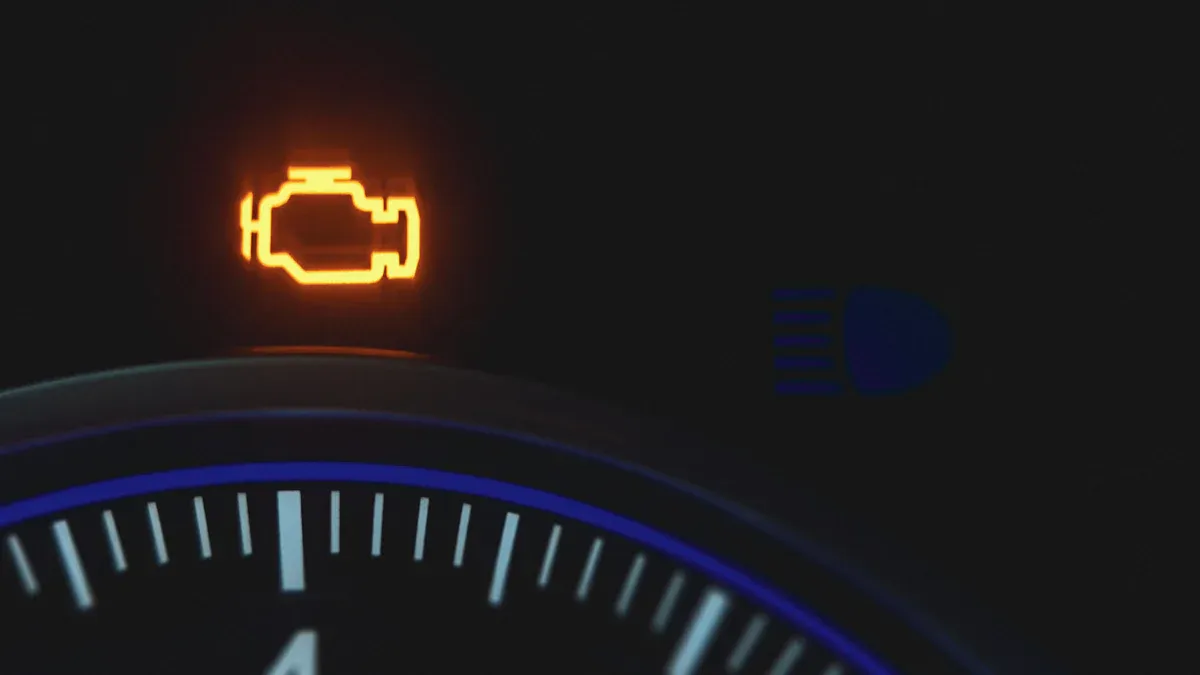
When your vehicle experiences a P0106 code, you will notice several clear symptoms. Recognizing these signs helps you address the issue quickly.
Check Engine Light On
This is often the first and most obvious sign. Your check engine light will illuminate on your dashboard. The Powertrain Control Module (PCM) activates this light when it detects a problem with the Manifold Absolute Pressure (MAP) sensor signal. Specifically, a P0106 code logs if the PCM perceives the MAP/BARO sensor signal falls outside a predetermined voltage threshold, typically between 1 and 4.5 volts, for a specific duration. This indicates erratic readings from the sensor. The Engine Control Module (ECM) identifies this issue with the MAP sensor signal. This problem frequently relates to a range or performance anomaly within the sensor’s operation.
Rough Engine Idle
You might feel your engine running roughly. The engine will not idle smoothly. This means your engine cannot idle steadily when you are stopped. This rough engine performance makes your car shake or vibrate more than usual.
Poor Fuel Economy
Your car may start using more gasoline than it should. The P0106 code directly impacts how your engine manages fuel. Incorrect sensor data causes the engine to burn too much fuel. This means you will visit the gas station more often.
Reduced Engine Power
You may notice your car feels weaker than normal. The engine might struggle to accelerate. It could feel sluggish when you press the gas pedal. This happens because the engine does not receive the correct air-fuel mixture for optimal power.
Starting Difficulties
Your vehicle might take longer to start. Sometimes, it might not start at all. The P0106 code can disrupt the engine’s starting process. The engine needs accurate pressure readings to ignite properly.
Black Exhaust Smoke
You might see black smoke coming from your exhaust pipe. This indicates your engine is burning too much fuel. This rich fuel mixture creates soot, which exits as black smoke. This can also lead to a failed emissions test. Addressing the P0106 code helps prevent these issues.
P0106 Causes
Many different problems can trigger a P0106 code. Understanding these common causes helps you find the right fix.
Faulty MAP/BARO Sensor
A malfunctioning MAP/BARO sensor is a very common reason for the P0106 code. This sensor might simply be defective. It could also have an electrical fault. This includes an open circuit, a short circuit, or high resistance in the sensor’s wiring. These electrical issues prevent the sensor from sending correct signals. While MAP sensors are generally robust, some have worked well for over 180,000 miles. However, they can still fail. A faulty sensor directly sends incorrect pressure data to your car’s computer. This leads to the P0106 code.
Vacuum Leaks
Vacuum leaks are another frequent cause of the P0106 code. These leaks let unmeasured air into your engine’s intake system. This changes the pressure inside the intake manifold. Your MAP sensor then reads this incorrect pressure. A vacuum leak in the intake manifold is a common problem. You might find a leaking MAP sensor vacuum hose. Cracked hoses or a bad intake manifold gasket can also cause these leaks. For example, a large vacuum leak from the PCV end can cause a P0106. Even a small, controlled vacuum leak can affect MAP sensor readings.
Wiring or Connector Issues
Problems with the wiring or connectors for the MAP/BARO sensor can also cause the P0106 code. You might have damaged or corroded wiring in the sensor circuit. This stops the electrical signals from reaching the computer correctly. Loose or broken connectors also affect signal transmission. These electrical issues create bad communication between the sensor and the Powertrain Control Module (PCM). This leads to incorrect pressure readings and triggers the code.
Clogged Catalytic Converter
A clogged catalytic converter can create too much back pressure in your exhaust system. This increased pressure can affect how your engine breathes. It can indirectly influence the intake manifold pressure readings. When the exhaust cannot flow freely, it impacts engine performance. This can cause the MAP sensor to send unusual signals. These signals then trigger the P0106 code.
Faulty PCM
Sometimes, the problem is not with the sensor itself but with the Powertrain Control Module (PCM). The PCM is your car’s main computer. If it malfunctions, it might misinterpret the sensor’s data. It could also fail to process the information correctly. In some cases, the PCM’s software might need an update. If your PCM is faulty, you might need to reprogram or replace it to fix the P0106 code.
Dirty Throttle Body
A dirty throttle body can also cause the P0106 code. The throttle body controls the amount of air entering your engine. Carbon buildup or dirt can prevent the throttle plate from closing properly. This can create an uncontrolled air leak. This affects the intake manifold pressure. Your MAP sensor then reads this incorrect pressure. This leads to the P0106 code.
Diagnosing and Fixing P0106
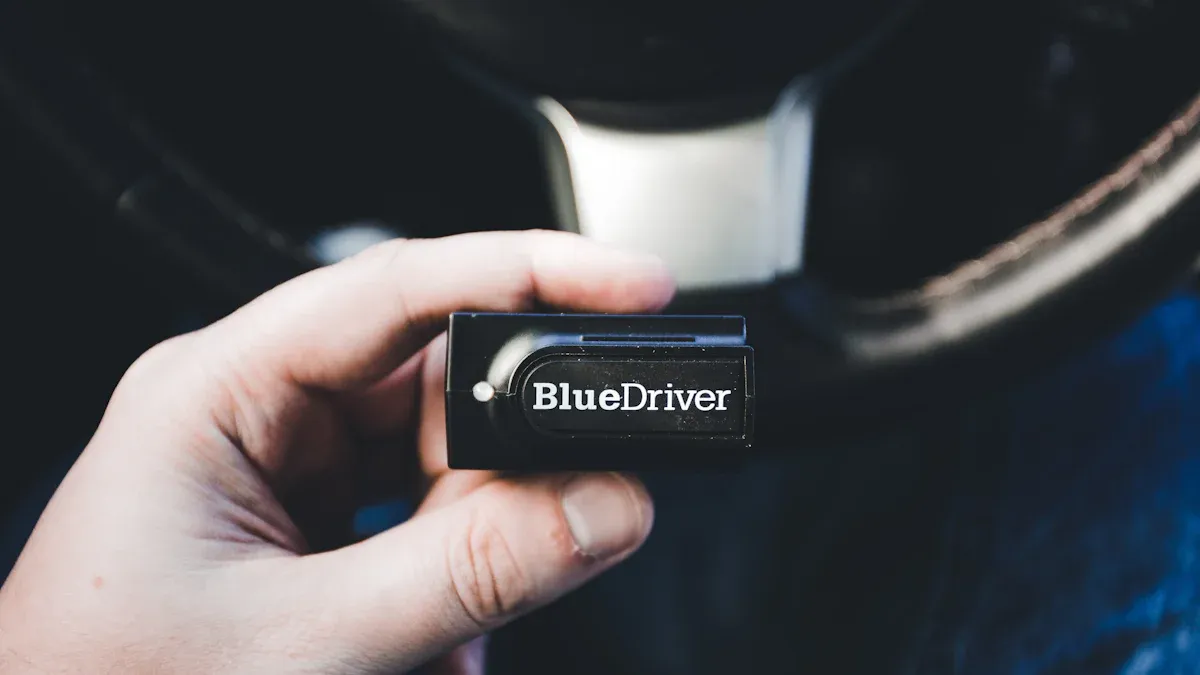
You can effectively diagnose and repair the P0106 code with a systematic approach. This section guides you through the steps to identify the root cause and apply the correct solutions.
Step-by-Step Diagnosis
Start your diagnostic journey with these steps. They help you pinpoint the exact problem.
Use an OBD-II Scanner: You need an OBD-II scanner to begin. This tool reads the diagnostic trouble codes (DTCs) from your vehicle’s computer. It gives you crucial data about your engine’s performance. Follow these steps to use your scan tool:
Turn your ignition switch to the “ON” position.
Set your scan tool to the data reading mode for item 8, Manifold Absolute Pressure Sensor.
Start your engine.
Turn your ignition switch to the “LOCK” (OFF) position.
Compare your readings to these typical values. This helps you understand if your sensor is reporting correctly.
Condition
Manifold Absolute Pressure (kPa)
Manifold Absolute Pressure (in.Hg)
Altitude 0 m (0 foot)
101
29.8
Altitude 600 m (1,969 feet)
95
28.1
Altitude 1,200 m (3,937 feet)
88
26.0
Altitude 1,800 m (5,906 feet)
81
23.9
Engine idling
16 – 36
4.7 – 10.6
Engine suddenly revved
Varies
Varies
If your readings are far from these values, you likely have a sensor problem or another issue affecting pressure. This diagnostic step is key.
Perform a Visual Inspection for Leaks: Next, perform a thorough visual inspection. Look for signs of vacuum leaks. These leaks can significantly affect manifold pressure readings.
Check vacuum hoses.
Inspect intake piping.
Examine sensor mounting. Specifically, inspect vacuum hoses connected to the MAP/BARO sensor for cracks, disconnections, or kinks. A small leak can cause a big problem.
Check Sensor Wiring and Connectors: Inspect the wiring and connectors for your MAP/BARO sensor. Look for any signs of damage. This includes frayed wires, corrosion, or loose connections. These issues can disrupt the signal from the sensor to the PCM. This causes incorrect readings and triggers the P0106 code.
Test Sensor Voltage/Resistance with a Multimeter: Use a multimeter to test your MAP sensor’s electrical connector. This helps confirm if the sensor receives proper power and ground.
Steps for Testing the MAP Sensor Electrical Connector:
Disconnect the electrical connector.
Inspect the connector’s terminals for corrosion.
Use a voltmeter to test the connector.
Place one lead on the electrical ground. Gently probe the outside terminal to check for 5 volts.
To confirm proper computer grounding, place a lead on the ground terminal (the opposite outside terminal). Test the other outside terminal for 5 volts. You can also use a jumper harness with a scan tool for more detailed diagnostic testing.
How to Test the MAP Sensor Electrical Connector with a Jumper Harness and Scan Tool:
Create a jumper harness. Include a fuse and spliced wire ends.
Position the spliced wire ends onto the electrical connector’s outside terminal (for 5 volts) and the center terminal.
Gently press the spliced ends onto the outside and center terminals.
Use a scan tool to verify that the connector transmits 5 volts through the signal wire. These tests help you identify electrical issues.
Inspect the Throttle Body: Finally, inspect your throttle body. Look for excessive carbon buildup or dirt. A dirty throttle body can prevent the throttle plate from closing correctly. This creates an uncontrolled air leak. This affects intake manifold pressure and can cause the P0106 code.
Common P0106 Fixes
Once you complete your diagnosis, you can apply the right solutions. These common fixes address the underlying causes of the P0106 code.
Repair Vacuum Leaks: If you find vacuum leaks during your inspection, repair them immediately. Replace any cracked or disconnected vacuum hoses. You might need to replace a faulty intake manifold gasket. Fixing these leaks restores proper intake manifold pressure. This often resolves the P0106 problem.
Clean or Replace the MAP/BARO Sensor: Keeping your MAP sensor clean is crucial for optimal engine performance. Dirt buildup can lead to incorrect information. This affects fuel efficiency and overall performance. Regular cleaning ensures accurate readings. It helps maintain fuel efficiency, reduces pollution, and extends the sensor’s lifespan. It also prevents small issues from dirt buildup and ensures your engine runs smoothly.
Steps for Cleaning Your MAP Sensor:
Gather Tools: You will need a wrench or socket set and a clean rag. You also need MAF Sensor Cleaner or MAP Sensor Safety Cleaner.
Locate the Sensor: It is typically on the intake manifold or connected by a vacuum hose.
Disconnect the Electrical Connector: Carefully unplug the wire.
Unscrew the Sensor: Use your wrench or socket set to loosen and remove bolts gently.
Remove the Sensor: Gently take out the sensor. Wipe away dirt from its placement area with a clean rag.
Spray the Cleaner: Hold and spray MAF Sensor Cleaner on all parts, especially dirty spots.
Allow to Dry: Let it air dry completely before reinstallation. This prevents moisture damage.
Avoid Harsh Chemicals: Only use cleaners specifically made for sensors.
Inspect the Sensor: Before cleaning, check for damage or wear. Replace if necessary.
Clean Surrounding Areas: While removed, clean the intake manifold area to prevent future dirt buildup.
Reinstall the Sensor: Put it back by reversing the removal steps. Ensure it is tight and the wire is properly attached. If cleaning does not resolve the problem, you may need to replace damaged MAP sensor. A new sensor provides accurate readings to your PCM.
Repair Electrical Issues: Address any electrical issues you found during your diagnostic checks.
Diagnose and repair any MAP Sensor DTCs before proceeding with further tests.
Diagnose and repair any system voltage DTCs before continuing.
Check the MAP Sensor operation and repair as necessary.
Check the Barometric Pressure Sensor (internal to the PCM). If the value is not within 2% of a known good vehicle, replace the Powertrain Control Module (PCM).
Inspect wiring and connectors between the MAP Sensor and the PCM for chafed, pierced, pinched, or partially broken wires. Also check for broken, bent, pushed out, or corroded terminals. Repair as necessary.
If no wiring issues are found after inspection, replace the Powertrain Control Module (PCM). These steps help fix trouble code P0106 by ensuring proper electrical communication.
Clean the Throttle Body: If your throttle body is dirty, clean it thoroughly.
Preparation: Locate the throttle body. Disconnect the battery. Remove hoses and ducts, labeling them for reassembly. Loosen the hose clamp with a Phillips or Torx screwdriver to remove the air intake tube.
Apply Cleaning Solution: Wear rubber gloves and eye protection. Spray cleaner onto the butterfly valve, cleaning both sides. For cable-driven throttles, open the valve by hand. For drive-by-wire, depress the gas pedal to open the valve. Let it soak for about 10 minutes.
Scrub and Wipe: Gently scrub the inside with a toothbrush to loosen dirt. Wipe up residue with a rag or paper towel. Repeat spraying, scrubbing, and wiping until clean. Avoid getting cleaner on sensors and surrounding components. Lightly lubricate the throttle shaft with general-purpose oil.
Optional Mass Airflow Sensor (MAF) Cleaning: Locate the MAF sensor (small black box between throttle body and air filter box). Remove screws. Spray the silver wire or plate 10-15 times with MAF cleaner from about 4 inches away until it sparkles. Let it air-dry for one hour before reinstalling.
Reassembly and Test: Reconnect hoses and ducts using labels. Double-check connections and tighten clamps. Start the engine. Let it idle for several minutes, then test drive the car. This repair helps restore proper airflow and pressure.
Replace a Restricted Catalytic Converter: If your catalytic converter is clogged, it creates excessive back pressure. This can indirectly affect MAP sensor readings. Replacing a restricted catalytic converter is a more involved repair. However, it is necessary if it is the cause of your P0106 code.
Remember, simply clearing the P0106 code without addressing the underlying problem will not resolve the issue. You must perform the necessary diagnosis and repair to ensure your vehicle runs correctly. These solutions help you restore your vehicle’s performance.
Address the P0106 code promptly. This maintains optimal engine performance and fuel efficiency. It also prevents long-term damage. You now understand the code, recognize its symptoms, and know common causes. You also learned a systematic approach to diagnosis and repair. Use this information for effective troubleshooting. Consult a certified mechanic if you are uncertain about the repair process. Resolving the P0106 restores your vehicle’s reliability and peace of mind. This repair is important. The repair ensures your engine runs well. This repair helps avoid future issues.
FAQ
Can I drive with a P0106 code?
You can drive short distances. However, you risk poor fuel economy and engine damage. Address the code quickly to prevent further issues. Ignoring it can cause more serious problems for your vehicle.
How much does it cost to fix a P0106 code?
Costs vary. A new MAP sensor might cost $50-$200. Labor adds to this. Vacuum leak repairs are often cheaper. A PCM replacement is more expensive. Always get a quote from a trusted mechanic.
Is a P0106 code serious?
Yes, it is serious. It affects engine performance and fuel efficiency. Ignoring it can lead to long-term engine damage. Fix it promptly to maintain your vehicle’s health.
Can a P0106 code clear itself?
No, a P0106 code usually does not clear itself. You must fix the underlying problem. Then, you can clear the code with an OBD-II scanner. The code will return if you do not address the issue.



