The Toyota Hilux and Suzuki Jimny each bring a distinct edge to off-road driving. The Hilux impresses with its strong build and advanced Multi-Terrain Select system, making it a go-to for tough, heavy-duty work and rough terrains. Meanwhile, the Jimny shines in tight, tricky spots, thanks to its compact size and ALLGRIP PRO system that enhances agility and traction. This contrast in power and nimbleness sets the stage for a revealing look at how these two vehicles meet different off-road challenges.
Engine and Powertrain Comparison
Although both the Toyota Hilux and Suzuki Jimny are designed for off-road use, they take very different approaches to their engines and powertrains.
The Hilux employs a sturdy 2.8L diesel MHEV engine that combines durability with strong torque, making it ideal for demanding terrain and heavy-duty tasks. It also offers both manual and automatic transmissions, enhancing engine handling and powertrain efficiency customized for comfort and control.
In contrast, the Jimny features a smaller 1.5L four-cylinder petrol engine focused on compactness and efficiency, paired mainly with a manual transmission and an optional 4-speed automatic. This setup prioritizes nimble engine response and straightforward handling for tight, technical off-road conditions.
Both powertrains highlight efficiency, but the Hilux integrates hybrid assistive technology for smoother operation and better fuel economy, setting a different benchmark in powertrain sophistication.
Off-Road System Features
The Suzuki Jimny uses its ALLGRIP PRO system to switch easily between two-wheel and four-wheel drive, making it simple to handle rough trails and slippery roads.
The Toyota Hilux relies on a part-time 4×4 system with a dual-range transfer case, giving drivers more control in tough off-road situations.
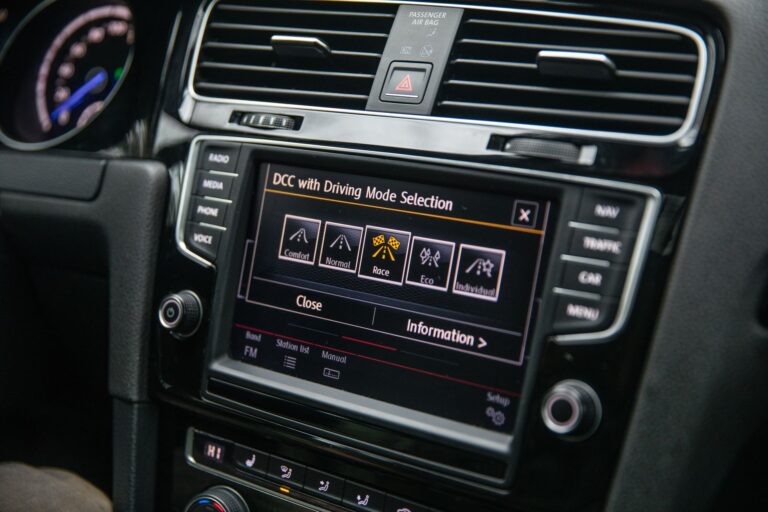
Both trucks offer terrain management modes that help drivers pick the best setting for sand, mud, snow, or rocks, making off-road excursions safer and more fun.
ALLGRIP PRO System
What makes the Suzuki Jimny such a capable off-roader in tricky terrain? Its ALLGRIP PRO system delivers unmatched off road adaptability and handling characteristics, letting drivers confidently tackle rocks, mud, and steep inclines. This advanced system allows seamless switching between 2WD and 4WD, optimizing traction for any surface. The Jimny’s compact size and sturdy chassis work with ALLGRIP PRO to provide precise control, making it a favorite for those who love exploring narrow trails and technical environments.
| Feature | Suzuki Jimny | Toyota Hilux |
|---|---|---|
| Drive System | ALLGRIP PRO | Part-Time 4×4 |
| Terrain Modes | 2WD/4WD | Multi-Terrain Select |
| Differential Lock | No | Rear Lock |
| Ground Clearance | High | Very High |
| Maneuverability | Excellent | Good |
Part-Time 4×4
How does a part-time 4×4 system improve a vehicle’s off-road performance? This setup lets drivers switch between two-wheel drive and four-wheel drive as needed.
Part time functionality means the Hilux uses less fuel on smooth roads but gains extra grip while tackling mud, sand, or rocks. The drivetrain advantages are clear: better traction, more control, and less wear on parts while not off-roading.
Unlike full-time systems, part-time 4×4 avoids driveline stress on dry pavement. Drivers feel confident realizing they can engage 4×4 only as the terrain demands it.
This smart design balances everyday comfort with serious off-road muscle, making the Hilux a reliable partner for both city streets and wild trails.
Terrain Management Modes
While off-roading demands more than just power, terrain management modes play a key role in customizing a vehicle’s performance to the specific challenges of various terrains.
The Toyota Hilux stands out with its Multi-Terrain Select system, offering six distinct modes—Auto, Sand, Mud, Deep Snow, Dirt, and Rock. This gives drivers precise control over how the vehicle responds to different driving conditions, enhancing both confidence and capability. Each mode adjusts throttle response, traction control, and braking for ideal terrain adaptability.
In contrast, the Suzuki Jimny relies on its rugged chassis and ALLGRIP PRO system, focusing on simplicity and direct feedback. While it lacks multiple terrain modes, its design excels in technical trails where agility matters most.
Both vehicles deliver strong off-road performance, but the Hilux’s advanced system offers more customized responses for diverse environments.
Dimensions and Maneuverability
Size and shape play a big role in how a car feels on the road and off it. The Suzuki Jimny’s compact design grants it exceptional parking agility and maneuverability in tight urban spaces and narrow trails.
Measuring about 3645 mm long and 1645 mm wide, its small footprint allows drivers to confidently steer through dense environments where larger vehicles struggle.
In contrast, the Toyota Hilux’s larger dimensions reflect its pickup heritage, offering more cabin and cargo space but less nimbleness in confined spots. This size supports heavy-duty use, providing a stable platform for durable work and off-road hauling.
While the Jimny shines on tight, technical terrain, the Hilux trades maneuverability for payload capacity and a commanding road presence. Their distinct sizes shape how each tackles different off-road and everyday challenges, blending compact ease with sturdy utility.
Fuel Efficiency and Running Costs
In regard to fuel and running costs, both the Toyota Hilux and Suzuki Jimny provide distinct experiences that align with their lifestyles.
The Jimny’s smaller petrol engine keeps fuel bills lower for city driving and weekend escapades, while the Hilux’s diesel hybrid system is designed for long hauls and heavy loads, even though it means more frequent service visits.
Owners should anticipate the Jimny to be easier on the wallet for everyday use, but the Hilux rewards those who require tough, reliable performance over time.
Fuel Consumption Comparison
Despite the larger engine and heavier build of the Toyota Hilux, its fuel consumption benefits from modern mild hybrid electric vehicle (MHEV) technology, which helps improve efficiency through assisting the diesel engine during operation. Driving habits play a key role in how much fuel each vehicle uses, especially at the time of tackling city streets or rough terrain. The Suzuki Jimny, with its smaller petrol engine, offers lower fuel consumption in daily driving, while the Hilux’s diesel hybrid system balances power and economy for longer trips.
| Vehicle | Fuel Type | Avg. Consumption (L/100km) | Driving Style Impact |
|---|---|---|---|
| Suzuki Jimny | Petrol | 6.4–7.7 | Light, city-focused |
| Toyota Hilux | Diesel MHEV | 8.5–9.7 | Heavy, mixed use |
| Both | – | – | Varies with habits |
Servicing and Ownership Costs
Contemplating how much fuel each vehicle uses is just one part of the ownership scenario. Ownership experiences with the Toyota Hilux and Suzuki Jimny often revolve around their maintenance practices and service costs, not just how often they need to be refueled.
For Jimny owners, the satisfaction comes from lower running costs; its simpler petrol engine and chassis mean average servicing stays around $453 over five years, and the vehicle’s compactness usually results in fewer expensive repairs.
Hilux owners, meanwhile, appreciate the truck’s sturdy construction and reputation for durability, but this strength comes with higher routine costs, about $779 per year, reflecting its more complex hybrid systems and the need for more frequent maintenance.
Both vehicles have set service intervals, with the Hilux requiring check-ups every 10,000 km or six months, encouraging consistent care. Although the Hilux’s upkeep is greater, its five-year unlimited kilometer warranty offers peace of mind for those tackling long distances or rugged environments.
In contrast, Jimny drivers enjoy a lightweight ownership experience, with straightforward maintenance that matches their straightforward journeys—shorter stays at the garage, less waiting for repairs, and more time for driving, whether in the city or down a tricky trail.
Durability and Reliability
Choosing a vehicle that stands the test of time often comes down to how well it handles the bumps, both on the road and in life. The Toyota Hilux is built for durability testing, with reliability ratings that consistently rank among the best.
Its long term resilience is backed with a strong frame and proven engineering, making it a favorite in tough conditions. Structural integrity is a hallmark, with parts designed to last and resist wear.
The Suzuki Jimny, while smaller, also shows impressive toughness, especially off-road. Both vehicles offer solid reliability, but the Hilux’s industrial-grade build gives it an edge for those needing heavy-duty dependability over years of use.
Off-Road Performance in Practice
Off-road performance in practice reveals a clear contrast between the Toyota Hilux and Suzuki Jimny, shaped through their design and capabilities.
The Hilux excels in managing challenging terrain with its advanced traction control systems and multi-terrain select modes. These features allow it to maintain grip on diverse surfaces, enhancing stability and power delivery on steep inclines or slippery paths. Users experience confident obstacle guidance supported by hill descent control and regenerative braking that smoothens downhill maneuvers.
Conversely, the Jimny’s compact size and ALLGRIP PRO system favor nimble handling across tight, technical trails. Its lightweight chassis improves precision, making it easier to maneuver around rocks and narrow obstacles.
Jimny users benefit from direct control, as traction control balances grip without overly intruding on driving feel. Together, these distinctions highlight how Hilux suits heavy-duty off-road challenges, while Jimny thrives in technical, confined environments.
Advanced Driver Assistance Technologies
- Toyota Hilux includes hill descent control, rear differential lock, and regenerative braking for downhill stability and fuel efficiency.
- Hilux’s Multi-Terrain Select offers customized traction control across six modes for diverse conditions.
- Suzuki Jimny features the ALLGRIP PRO system, allowing easy switching between 2WD and 4WD for versatile traction.
- Jimny’s elevated chassis and sturdy underbody protection improve off-road safety in tight, technical terrain.
These systems guarantee both vehicles boost driver confidence and safety appropriate to their design and use cases.
Service Intervals and Warranty Coverage
Although both the Toyota Hilux and Suzuki Jimny serve off-road enthusiasts, their service intervals and warranty coverage reflect their distinct engineering and usage focus. The Hilux requires maintenance every 10,000 km or six months, demanding more frequent service coverage due to its complex MHEV system and heavy-duty design. In contrast, the Jimny’s maintenance frequency is generally lower, suited to its simpler petrol engine and lighter build. Toyota offers a five-year unlimited kilometer warranty on the Hilux, reassuring users with extended coverage for durability. Meanwhile, Jimny’s warranty tends to be shorter, reflecting its emphasis on basic ruggedness rather than industrial-grade resilience. These differences mirror the vehicles’ contrasting priorities: Hilux targets reliability under harsh, sustained use, while Jimny balances ease of upkeep with dependable off-road fun.
| Aspect | Toyota Hilux | Suzuki Jimny |
|---|---|---|
| Service Interval | Every 10,000 km or 6 months | Longer intervals, less frequent maintenance |
| Maintenance Frequency | Higher, due to advanced systems | Lower, simpler mechanical setup |
| Warranty Coverage | 5 years unlimited km | Typically shorter warranty |
| Service Coverage Scope | Extensive, for rugged use | Basic yet effective |
| User Focus | Heavy-duty reliability | Practical, light off-road use |
User Experience and Practicality
User experience and practicality are shaped considerably through how these vehicles fit into daily life and exploration routines. User feedback highlights the Toyota Hilux’s driver comfort, improved with features like smoother idle-stop and spacious cabins, making long trips less tiring.
Storage solutions in the Hilux cater to work and exploration needs, offering ample cargo space and versatile layouts. In contrast, the Suzuki Jimny excels in off-road experiences with its compact size and ALLGRIP PRO system that provides confident handling in tight, technical terrain.
Although its storage is more limited, the Jimny’s urban agility adds practicality for daily use. Both vehicles balance ruggedness with user-friendly controls; however, Hilux prioritizes comfort for extended driving, while Jimny highlights driver engagement and nimbleness.
- Hilux’s hybrid assist and idle-stop technology improve fuel efficiency and ease stop-start driving
- Jimny’s compact dimensions boost maneuverability in narrow urban and off-road environments
- Hilux supports multiple terrain modes and driver aids increasing off-road confidence and safety
- Jimny provides straightforward manual transmission options favored by off-road purists