

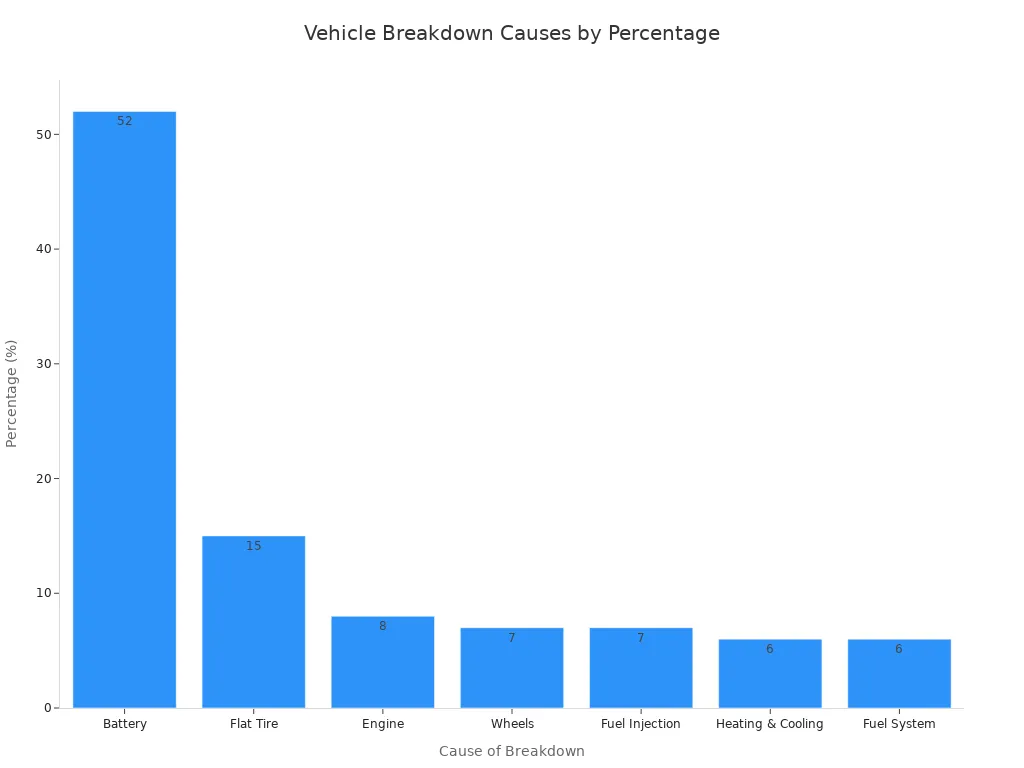
A dead car battery is incredibly frustrating, especially when you’re locked out of your vehicle. It’s a common problem, too; batteries are responsible for 52% of all vehicle breakdowns.
The good news is you can still unlock your Toyota Highlander even with a dead battery. The process is often simpler than you might imagine. Your key fob actually contains a hidden mechanical key. This guide will provide clear, step-by-step instructions to safely regain access to your vehicle and address the dead battery.
Key Takeaways
Your Toyota Highlander key fob has a hidden mechanical key. You can use this key to open the driver’s door if your car battery is dead.
To unlock the door, find the keyhole on the driver’s door. It is often under a small cover. Insert the mechanical key and turn it to unlock.
After you get inside, you will need to open the hood. Then, you can jump-start your car to get power back to the battery and unlock all doors.
If your key fob battery is dead, hold the fob against the start button. Then, push the start button with the fob to start the car.
Check your car battery often. Drive your car regularly. This helps prevent your battery from dying in the future.
Accessing Your Mechanical Key
Find Key Fob Release Button
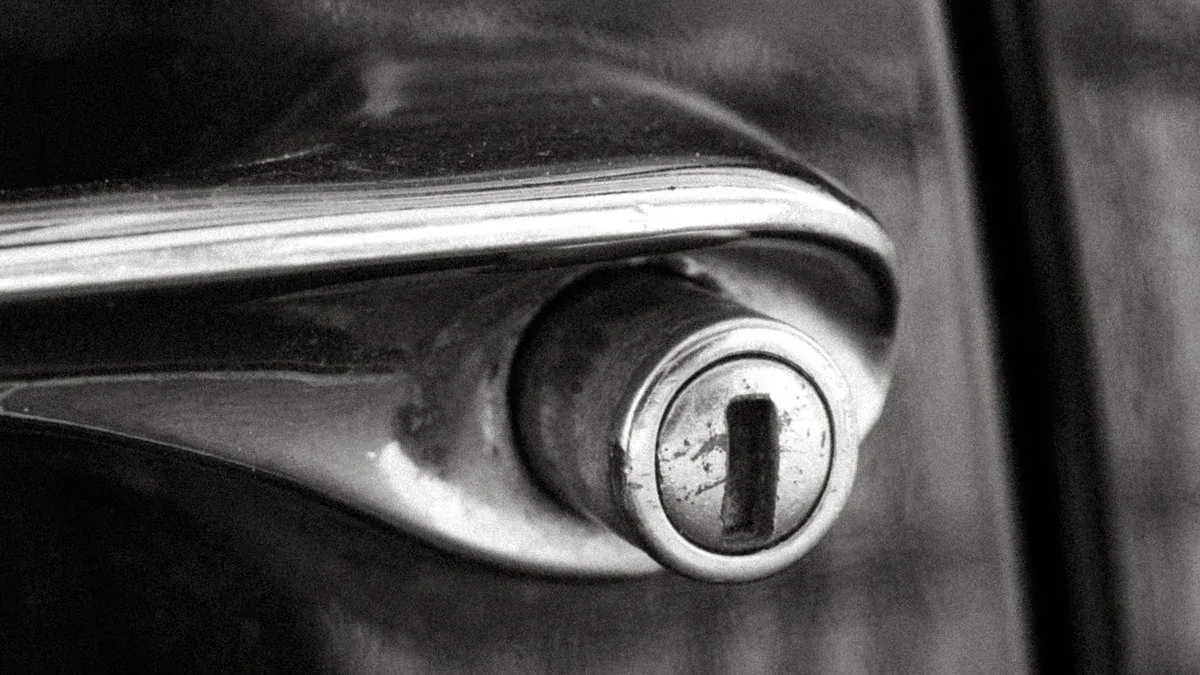
Your Toyota Highlander key fob is a clever device. It contains a hidden feature you will need in an emergency. Look closely at the side or the back of your key fob. You will discover a small button or a slide tab. This is the release mechanism for the mechanical key.
Toyota designs its key fobs to be sleek and modern. The release button might be small or blend seamlessly into the fob’s casing. If you do not spot it right away, run your finger along the edges. You will feel a distinct button or a small, textured tab. Press this button firmly. For some Highlander models, you might need to slide a small tab instead of pressing a button. This action disengages the internal lock. It allows the mechanical key to be removed. Knowing where this button is located is crucial. It is your first move to regain access to your vehicle.
Remove Mechanical Key
After you press the release button or slide the tab, gently pull the key out. The mechanical key will slide smoothly from the main body of the key fob. This key looks like a traditional car key. It is important because it does not need any battery power to work. It operates purely mechanically with your car’s physical lock cylinder. Keep this small, metal key in a safe place.
It is your essential tool to Unlock Toyota Highlander when your car battery is completely dead. You now hold the means to open your driver’s door. This method completely bypasses the electronic locking system. This is a critical first step in a dead battery situation. It grants you access to the vehicle’s interior. From there, you can begin to address the dead battery problem. This mechanical key provides a reliable backup. It ensures you can always get into your Highlander, even in unexpected circumstances. This simple action helps you Unlock Toyota Highlander without power. Always remember this hidden key. It offers peace of mind.
How to Manually Unlock Toyota Highlander: 11 Steps
You have the mechanical key. Now you can manually open your Highlander. Follow these steps carefully.
Step 1: Locate Driver’s Door Keyhole
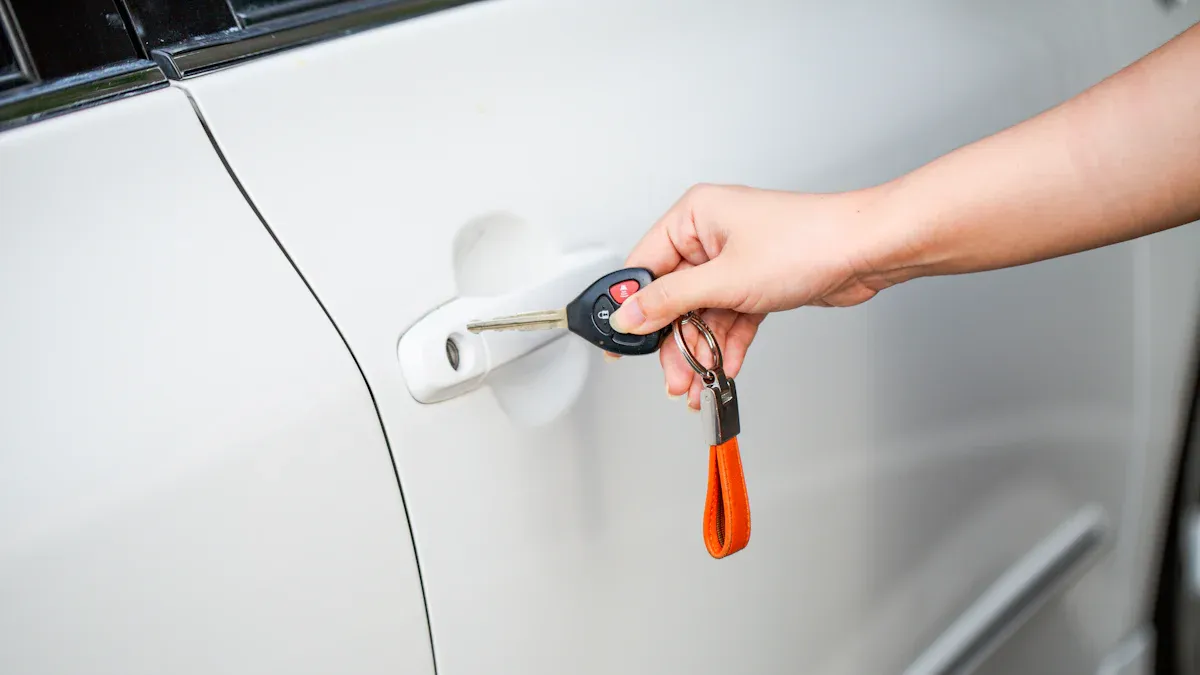
Find the driver’s side door handle. Look closely at it. You will see a small keyhole. It is usually on the fixed part of the handle, not the moving part.
Step 2: Gently Remove Keyhole Cover
Your Toyota Highlander often hides the keyhole. It sits under a small plastic cap. This cap matches the door handle’s color. Use a small flat-head screwdriver or the tip of your mechanical key. Gently pry off this cover. Be careful. You do not want to scratch the paint or damage the cover. The cover should pop off. It reveals the keyhole underneath.
Step 3: Insert Mechanical Key
Take the mechanical key you removed from your fob. Insert it fully into the exposed keyhole. Make sure it goes all the way in.
Step 4: Turn Key to Unlock Door
Turn the key clockwise. You will feel a slight resistance. The lock mechanism will engage. You should hear a click. This sound means the door is now unlocked.
Step 5: Apply Lubricant if Key Sticks
Sometimes, the lock cylinder is stiff. The key might not turn easily. Do not force it. You can use a lubricant. Spray silicone lube works well for door locks. Dry graphite is another good option. It will not attract dirt. Graphite lubricant is the appropriate choice for car locks. It will not attract dirt to the delicate lock mechanisms. To apply graphite, use a blast of powder. You might need to push back the dust protector flap. Use a small metal nail file or flathead screwdriver. This helps you access the lock. After applying, move the key in the lock cylinder. Do this several times. This works the graphite into the mechanism. Apply this process to the trunk lock too.
Step 6: Open Driver’s Door
Now that you have unlocked the door, pull the handle. The driver’s door will open. You can now get inside your Highlander.
Step 7: Understand Central Locking Limitations
You have manually unlocked the driver’s door. However, other doors might still be locked. The central locking system needs battery power. Your car’s battery is dead. This means the electronic system cannot operate. You might need to jump-start the car. This will power the ECU and central locking. Then all doors will unlock.
Step 8: Access Hood Latch
You need to open the hood. This lets you access the battery. First, find the hood latch release. It is inside the cabin. Look on the driver’s side. It is usually near your left foot. It is often a small lever. Pull this lever. You will hear a click from the front of the car. Next, go to the front of your Highlander. Look under the hood. You will find a safety latch. It is usually in the center. Push this latch up or to the side. Then you can lift the hood.
Step 9: Prepare for Jump Start
You need to prepare for a jump start. Gather your equipment. You need a donor vehicle with a charged battery. Get jumper cables in good condition. Wear safety gloves and eye protection. Have your Toyota owner’s manual ready. Park the working vehicle close.
Make sure the cables can reach. Do not let the cars touch. Put both vehicles in Park (or Neutral). Turn off all electronics. Switch off engines. Remove keys from both cars. Open both hoods. Locate the battery terminals. Connect the red (positive) cable. Attach it to the dead battery’s positive (+) terminal. Then, connect the other end of the red cable. Attach it to the donor vehicle’s positive (+) terminal. Attach one black (negative) cable. Connect it to the donor vehicle’s negative (-) terminal. Finally, connect the other black cable end. Attach it to an unpainted metal surface. This can be on your Toyota’s engine block or chassis. Do not connect it to the battery. This provides grounding. Double-check all connections. Prevent clamps from touching.
Step 10: Jump Start Vehicle (if needed for central locking)
Do not run the donor car when jump-starting. The charging system is not designed for a 200+ amp drain, which exceeds the alternator’s capacity and could seriously damage the donor car.
Bring the two cars together. Position them nose to nose. Keep them about 18 inches apart. Ensure both are parked away from traffic. Both cars should have their parking brakes on. Turn off both cars. Place automatic transmission cars in Park.
Place manual transmission cars in Neutral. Set the parking brake firmly. Identify the positive (‘+’) and negative (‘-‘) terminals on both batteries. The positive terminal is usually wider. It is marked with a red indicator. Attach one end of the positive cable clamp. Connect it to the positive terminal of the dead battery.
Attach the other end of the positive cable. Connect it to the positive terminal of the good battery. Attach one end of the negative cable. Connect it to the negative terminal of the good battery. Ensure everyone is clear of the engine compartments. This avoids injury from moving parts. Start the engine of the good car. Let it run for 1-2 minutes. Rev it slightly. Start the engine of the dead car. Try up to three or four times if necessary. If it starts, let it run for at least 15 minutes. This helps recharge your battery. This also powers the central locking system. You can then Unlock Toyota Highlander’s other doors.
Step 11: Confirm All Doors Unlock
After the jump start, check all doors. The central locking system should now work. All doors should unlock. If they do not, try pressing the unlock button on the driver’s door. This confirms you have full access to your vehicle.
Troubleshooting Manual Unlock Issues
Sometimes, you might face problems when you try to manually unlock your Toyota Highlander. Do not worry. These issues often have simple solutions.
Key Won’t Turn in Lock
You insert your mechanical key, but it just will not turn. This can happen for a few reasons. First, the lock cylinder might be stiff from lack of use. Dirt or grime can build up inside. You can try applying a small amount of graphite lubricant into the keyhole. This helps free up the internal parts. Gently wiggle the key while turning it. Do not force it too hard. You could break the key or damage the lock. Make sure you are using the correct mechanical key for your Highlander. Sometimes, a bent key can also prevent it from turning. If the key is bent, you might need a new one.
Door Remains Locked
You turn the key, but the door still does not open. This means the mechanical linkage inside the door might have a problem. The key operates a part called the ‘Front Door Lock Open ‘Rod”. This rod connects the key cylinder to the lock assembly. If this rod is not in the right place, or if it is disconnected, your mechanical key will not work.
Here is what you can do:
You need to inspect the ‘Front Door Lock Open ‘Rod”. Check its position and connection from the key cylinder to the lock assembly.
Remove the front door interior trim board sub-assembly. Also, remove the service cover. This gives you a better view of the ‘door lock open rod’. You can then ensure it is securely connected and moves when you turn the key.
Check if the lock rod has come off. Also, look for any broken internal parts.
When you put everything back together, make sure the spline on the lock rod goes in first. It does not just fall into place.
If your mechanical key fails to Unlock Toyota Highlander, but your key fob still works (if it had battery), it points to a mechanical issue. The problem is with the linkage, not the electrical system.
Starting with a Dead Key Fob Battery
You now know how to get into your Highlander with a dead car battery. What if only your key fob battery is dead? This is a different problem. Your car battery might be fine. Your key fob battery powers the remote functions. It also sends a signal to the car. This signal allows the car to start. If the fob battery dies, the car cannot “see” the fob. You cannot start the engine normally. Do not worry. Your Highlander has a backup system. You can still start your vehicle.
Hold Fob to Start Button
Your Toyota Highlander has a special sensor. This sensor can detect your key fob. It works even if the fob battery is very low or dead. You need to bring the fob very close to the start button. Hold the key fob directly against the “ENGINE START/STOP” button. This allows the car to read the fob’s internal chip. The chip does not need battery power. It sends a signal to the car’s computer.
Push Start Button with Fob
Keep the key fob pressed against the start button. Now, push the start button. Use the key fob itself to push the button. This action tells the car you want to start it. The car will recognize the fob’s chip. It will then allow the engine to start. You should hear the engine crank. It will then turn on.
Touch Toyota Symbol to Start Button
Some Toyota models have a specific method. You might need to touch the Toyota symbol on your key fob. Place this symbol directly onto the “ENGINE START/STOP” button. Hold it there for a few seconds. Then, push the start button with your foot on the brake. This method ensures the car reads the fob’s chip. It bypasses the need for a working fob battery. This lets you start your Highlander. Remember to replace your key fob battery soon. This prevents future starting issues.
Addressing the Dead Car Battery
You have successfully accessed your Highlander. Now you need to address the dead battery. This usually means jump-starting your vehicle. Sometimes, you might need a new battery.
Safely Jump-Starting Your Highlander
Jump-starting your Highlander requires careful steps. You need another vehicle with a good battery and jumper cables. First, park the donor car close to your Highlander. Do not let the cars touch. Turn off both vehicles. Set their parking brakes. Open both hoods.
Locate the batteries. Find the positive (+) and negative (-) terminals on each. The positive terminal is usually red. It has a plus sign. The negative terminal is black. It has a minus sign.
Attach one red clamp to your Highlander’s positive (+) terminal. Attach the other red clamp to the donor car’s positive (+) terminal. Next, attach one black clamp to the donor car’s negative (-) terminal. Finally, attach the other black clamp to an unpainted metal surface on your Highlander’s engine block. This provides a safe ground. Do not connect it to your Highlander’s negative battery terminal.
Start the donor car’s engine. Let it run for a few minutes. This charges your battery slightly. Then, try to start your Highlander. If it starts, let it run for at least 15-20 minutes. This helps recharge your battery. Remove the cables in reverse order.
When to Consider Battery Replacement
Sometimes, a jump start is only a temporary fix. You might need a new battery. Look for these signs.
Old Battery: Your car battery typically lasts only three to five years. If your Highlander’s battery is within or beyond this age range, its power capacity decreases. Chemical breakdown prevents it from starting the engine. You should test your battery annually starting from its third year.
Illuminated Battery Warning Light: The battery warning light on your dashboard might stay on after the engine starts. This indicates a problem with the electrical charging system. A weak battery triggers this light. Its voltage output drops below 12.4 volts. This signals it is not recharging correctly.
Dim Lights: Your headlights or cabin lights appear dim when the engine is off. They brighten significantly once the engine runs. This suggests a weak battery. The battery powers systems when the engine is off. The alternator takes over when the engine is on.
If you notice these signs, consider replacing your battery. This prevents future breakdowns.
Preventing Future Lockouts
You can take steps to avoid future dead battery situations. Regular checks and good habits keep your Highlander ready to go.
Regular Battery Health Checks
You should regularly check your battery’s health. Some batteries have a colored indicator. A green light means the charge level is good. A red light means it is not properly charged. You can also use a multimeter to check the voltage.
Here is how you measure battery voltage with a multimeter:
Turn off your engine. Let it rest for at least 5 minutes. Turn the headlamps on for 30 seconds, then off. This stabilizes the electrical charge.
Set the multimeter selector to 20 V.
Connect the red probe to the positive (+) terminal. Connect the black probe to the negative (-) terminal. A healthy battery shows between 12 and 13 volts.
Turn the engine on. The multimeter should show higher than 9 V, usually between 9 and 11 volts.
With the engine on, the multimeter should read between 13.2 and 14.8 volts. Repeat this with all electrical accessories on. Then, accelerate to 3,000 RPM with and without accessories. The voltage should stay in the 13.2-14.8 volt range.
If you have liquid batteries with filler caps, check the liquid level often. Add fluid up to the marked level if it is low. After adding liquid, let the battery rest for 10 minutes. Then, turn the engine on for 5 minutes. Turn it off and recheck.
Understanding Battery Lifespan
Several things affect how long your Highlander’s battery lasts. You should know these factors.
Climate: Very hot weather can make water evaporate from the battery. This speeds up corrosion. Cold temperatures make the battery work harder.
Driving Frequency: Not driving often can drain your battery. Regular 30-40 minute drives help keep it charged.
Car Accessories: Using things like the radio or air conditioner when your car is off uses battery power. Always turn off all lights when you leave your car.
Car Care Schedule: Regular maintenance helps your battery. This includes checking cables, cleaning clamps, and checking fluid levels and voltage.
Tips for Maintaining Battery Charge
You can keep your battery charged with simple actions.
For regular cars, run the engine for about 30 minutes every 15 to 20 days. You can do this in your driveway or by driving a short distance.
For hybrid cars, switch on ‘Ready Mode’ for about 30 minutes every 15 to 20 days. The ‘Ready Lamp’ on your dashboard will light up.
You can also use a trickle charger if your Highlander sits for a long time. Or, drive your car for at least 30 minutes every week. This helps the battery fully recharge. Park in shaded areas when it is hot. Park in a garage when it is cold. This protects the battery from extreme temperatures. Always turn off all lights and electronics when the engine is off. This stops unnecessary battery drain. Test your battery’s voltage regularly. It should be around 12.6 volts or higher. Ask a mechanic to check the battery’s condition.
You can easily unlock your Toyota Highlander, even with a dead battery. The mechanical key is simple and effective. This essential skill gives you control. Understand central locking and key fob battery nuances. You learned key steps today. This knowledge brings peace of mind. Perform regular maintenance on your vehicle. This prevents future battery issues. You are now prepared for unexpected situations.
FAQ
Can I unlock my Highlander if the key fob battery is dead?
Yes, you can. Your key fob has a mechanical key hidden inside. You can remove this key. Use it to manually unlock the driver’s door. This method works without any battery power.
What if my mechanical key doesn’t turn in the lock?
Try applying graphite lubricant to the keyhole. Gently wiggle the key while turning it. Do not force the key. A stiff lock often needs lubrication. This helps the internal parts move freely.
Will manually unlocking my car set off the alarm?
No, it usually will not. Using the mechanical key in the driver’s door lock is the intended manual entry method. This action disarms the alarm system. You can enter your vehicle without triggering the alarm.
How often should I replace my car battery?
You should replace your car battery every 3 to 5 years. Extreme temperatures or frequent short trips can shorten its life. Regular checks help you know when to replace it. This prevents unexpected breakdowns.



