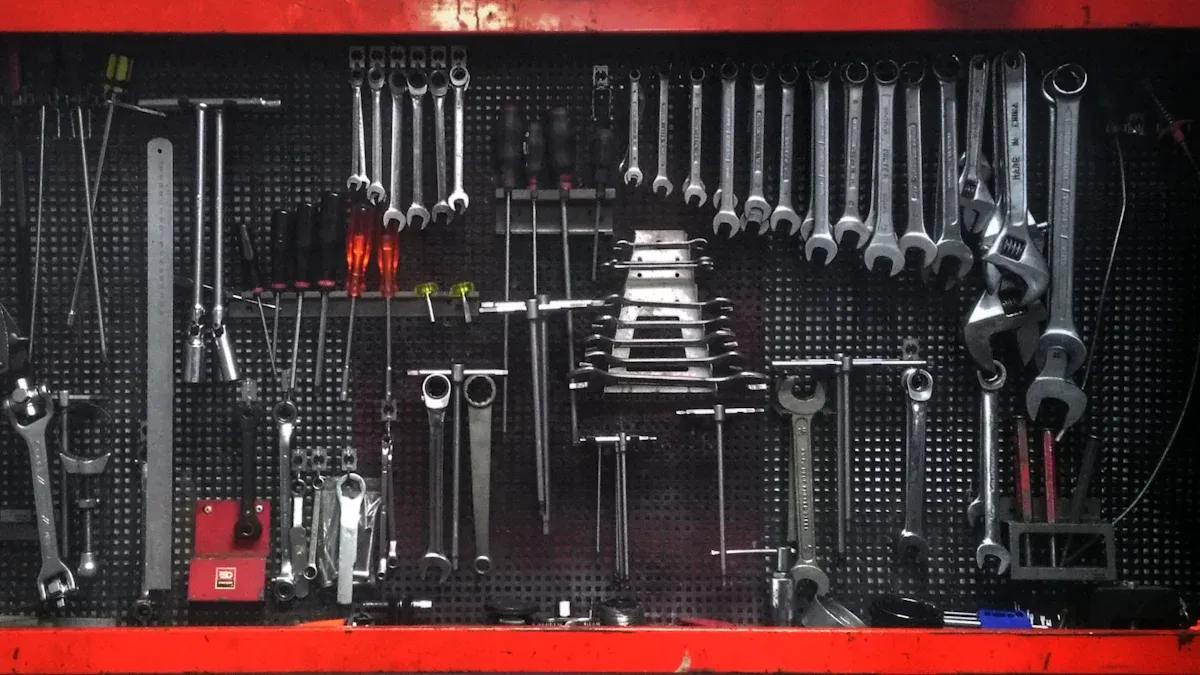
Your vehicle is a crucial part of daily life. Prioritizing vehicle safety essentials protects you and others on the road. This focus prevents accidents and ensures peace of mind. Consistent maintenance keeps your vehicle reliable and performing well. Thorough emergency preparedness offers vital support when unexpected situations arise. These essential tips empower you to enhance your safety. Mastering vehicle safety essentials is key for every driver.
Key Takeaways
Regular vehicle checks keep your car safe and reliable. Check your tires, fluids, and brakes often.
Drive carefully and pay attention to the road. This helps you avoid accidents and stay safe.
Always have an emergency kit in your car. It helps you handle unexpected problems on the road.
Know what your dashboard warning lights mean. Fix any issues quickly to prevent bigger problems.
Adjust your driving for bad weather. Slow down and be extra careful when it rains or snows.
Essential Vehicle Maintenance: Foundation of Safety
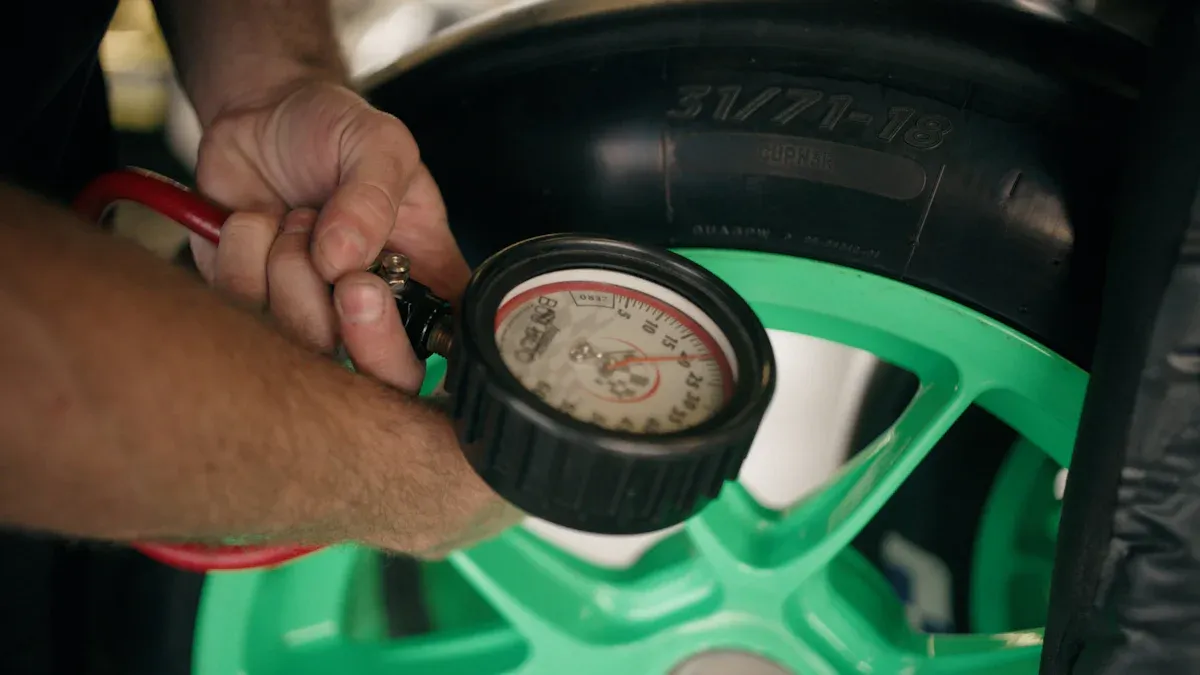
You build a strong house on a solid foundation. Your vehicle also needs a strong foundation. This foundation is regular care. Consistent maintenance keeps your vehicle running well. It also keeps you safe. Many breakdowns happen because people skip routine checks. You can avoid these problems.
Routine Checks for Vehicle Health
You should check your vehicle regularly. This helps you find small problems before they become big ones. Schedule comprehensive vehicle inspections every six months. You should also get an inspection if a dashboard warning light comes on. Monthly checks are also important. You can check oil levels and top them off if they are low. You can also check coolant and antifreeze levels. Look for any leaks. Examine hoses for bulges or cracks. Check belts for wear. You should also verify tire pressure. Inspect your tires for damage. Look at the air filter. Replace it if you cannot see light through it.
Many vehicle breakdowns are avoidable with routine maintenance. Electrical system failures are common. Dimming lights or a dead battery are signs. Tire issues also cause breakdowns. Engine overheating happens from poor coolant. Brake failures come from worn parts. Transmission problems can also occur. Preventative maintenance helps you avoid these issues.
Tire Care and Road Performance
Your tires are the only part of your vehicle touching the road. You must keep them in good condition. Incorrect tire pressure affects your vehicle. Tires naturally lose about 1 PSI of pressure each month. A 10°F drop in temperature can decrease pressure by about 2 PSI. For every 1 PSI drop in average tire pressure, you lose about half a percentage point in fuel economy. Proper tire pressure improves gas mileage by 0.6% to 3%. Underinflated tires wear unevenly. They wear faster at the edges. This leads to premature wear. It also increases the risk of blowouts. Overinflation can reduce traction. It also worsens ride quality.
Driving on worn or improperly inflated tires is dangerous. It increases your risk of blowouts. Worn tires have less grip. This makes it harder to stop or turn. Your stopping distances become longer. This is very risky in emergencies. Poor tire condition also makes other vehicle parts work harder. This includes your suspension and brakes. Always check your tire pressure. Inspect your tires for damage.
Fluid Levels and System Function
Your vehicle relies on many fluids. These fluids help different systems work. You must check them regularly. Engine oil lubricates engine parts. It reduces friction. It also helps manage engine temperature. Coolant prevents your engine from overheating. It also stops it from freezing. Brake fluid transfers pressure to your brakes. This helps you stop safely. Power steering fluid helps you turn the wheel easily. Transmission fluid lubricates gears. It helps with smooth shifting. Windshield washer fluid keeps your view clear.
Neglecting fluid level checks has serious consequences. Low engine oil can cause severe engine damage. It can lead to expensive repairs. Low coolant levels can cause your engine to overheat. This also causes severe engine damage. Low or dirty brake fluid affects braking efficiency. This can lead to accidents. Low transmission fluid can cause shifting problems. It can damage the transmission system. Always check these critical fluid levels.
Brake System Integrity
Your brakes are vital for safety. You must ensure they work perfectly. You should have your brake system inspected at least once a year. You may need more frequent inspections if you drive in heavy traffic. Pay attention to warning signs.
Listen for squealing or squeaking noises. These sounds often mean your brake pads are wearing out. Grinding or scraping sounds mean your pads are completely worn. Metal parts are rubbing together. This can damage your rotors. You might feel a vibration or pulsing in the brake pedal. This often means you have warped brake rotors. A soft or spongy brake pedal can mean low brake fluid. It can also mean air in the brake lines. A hard brake pedal means you need to push harder to stop. This can signal issues with the brake booster. If your vehicle pulls to one side when you brake, it could be uneven brake wear.
You can also look for visual signs. Your brake pads should be at least 1/4 inch thick. Thinner pads need replacement. Your brake rotors should be smooth. Look for deep grooves or cracks. Dark or dirty brake fluid needs replacement. Dashboard warning lights also signal brake problems. These lights mean you need an immediate inspection. Components like brake pads and rotors are common failures if you neglect inspections.
Proactive Driving for Enhanced Safety
Understanding Dashboard Warnings
Your vehicle communicates with you. Dashboard warning lights signal potential problems. You must understand these alerts. A check engine light means your engine needs attention. A low tire pressure warning means you should check your tires. Ignoring these warnings can lead to bigger issues. Consult your owner’s manual for specific meanings. Address any warning light promptly.
Safe Driving Practices and Habits
You can significantly reduce accident risks with proactive driving. Defensive driving techniques are very effective. Drivers completing defensive driving courses see a 32.8% reduction in accidents. Professional fleet operators report 60-70% accident rate reductions. Effective scanning patterns prevent 85% of preventable accidents. Systematic awareness techniques reduce rear-end collisions by 40%. Always use your turn signals early, at least 100 feet before turning. Follow the 3-second rule for safe following distance. Check your blind spots. Keep both hands on the wheel. Be mindful of speed limits; speeding caused 29% of traffic fatalities in 2023. Avoid distractions. Be aware of pedestrians. Adjust your speed in changing conditions.
Visibility and Lighting
Good visibility is crucial for road safety. Poor visibility, especially at night or in bad weather, increases accident risk. Dense fog dramatically reduces visibility. Drivers cannot see hazards or stop in time. This often leads to rear-end collisions. Poor visibility shortens your reaction times. You must adjust your driving behavior. Reduce your speed. Maintain safe following distances. Use appropriate vehicle equipment like headlights. Driving at normal speeds when visibility is limited shows poor judgment. Adverse lighting at night increases accident risk for vehicles by 1.1 times.
Child Passenger Safety
Protecting child passengers is a top priority. You must use the correct child restraint system. Children should use a rear-facing car seat from birth until age 2-4. Keep them rear-facing as long as possible. Never place a rear-facing seat in the front. After outgrowing a rear-facing seat, use a forward-facing car seat with a harness until at least age 5. Then, use a booster seat until the seat belt fits properly, usually between ages 9-12. The lap belt should be across the upper thighs, and the shoulder belt across the center of the shoulder. Children should remain in the back seat until age 13. Avoid common mistakes like using the wrong car seat type or having loose straps. Do not turn children forward too soon.
Emergency Preparedness: Your Car Emergency Kit and Beyond
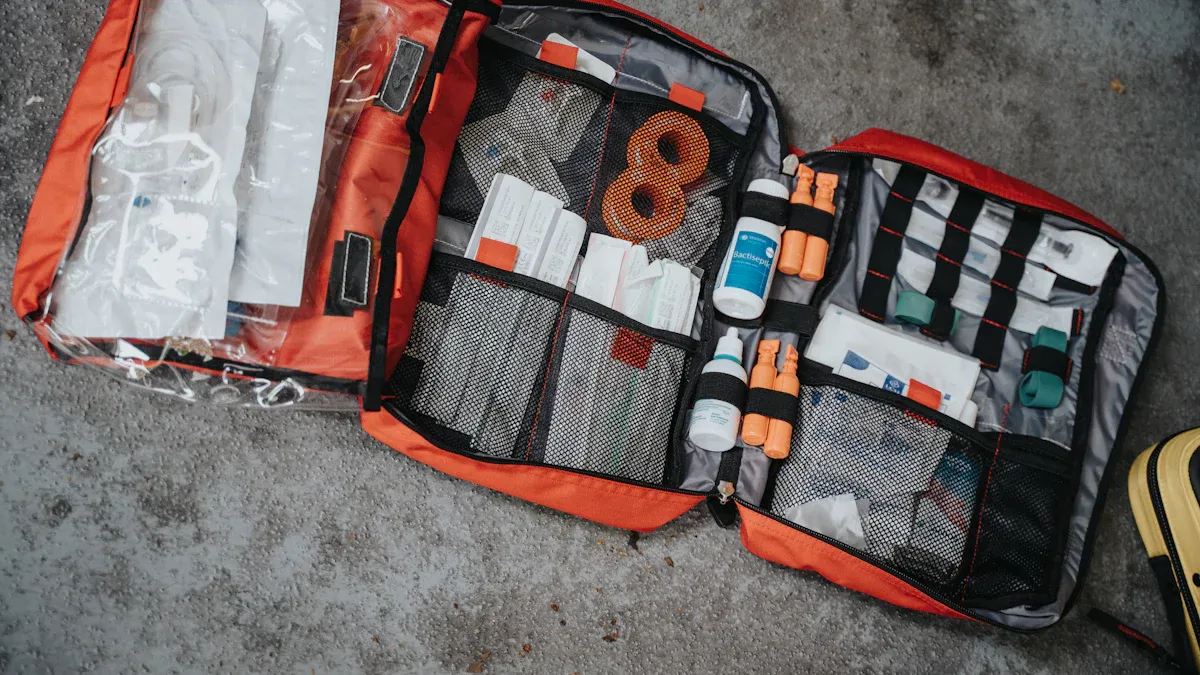
You must prepare for unexpected events on the road. An emergency can happen at any time. A well-stocked car emergency kit gives you peace of mind. It helps you handle many situations. This section guides you through building your kit and responding to common road emergencies.
Assembling Your Car Emergency Kit
A comprehensive car emergency kit is your first line of defense. You need specific items to handle various situations. Think of this as your personal emergency preparedness kit. You should include:
Jumper Cables: Get long, heavy-duty cables (10-12 feet). You use them to restart a dead battery.
Portable Jump Starter: This is a self-sufficient option. It works when another vehicle is not available. It can also charge your devices.
First-Aid Kit: A comprehensive kit includes bandages, antiseptic wipes, gauze, and pain relievers. Add any personal medications you need.
Flashlight and Extra Batteries: Choose a bright LED, water-resistant flashlight. A red light mode helps your night vision.
Reflective Warning Triangles: Place these to alert other drivers during breakdowns. They are especially important at night or in bad weather.
Multi-Tool or Swiss Army Knife: This tool is versatile. You can use it for tasks like cutting seatbelts or making minor repairs.
Tire Repair Kit and Portable Inflator: Use these for quick fixes of minor punctures. You can also reinflate your tires.
Spare Tire, Jack, and Lug Wrench: These are essential for changing a flat tire. Make sure your spare tire is in good condition.
Blanket or Sleeping Bag: Use these for warmth and comfort in cold weather. Consider a space blanket for extreme cold.
Non-Perishable Snacks and Water: Pack energy bars, nuts, and bottled water. Aim for at least a gallon per person per day.
Fire Extinguisher: Get a small, automotive-rated extinguisher. Keep it easily accessible. Inspect it regularly.
Duct Tape: Use this for temporary repairs on hoses or windows. It can also serve as a makeshift bandage or rope.
Work Gloves: Protect your hands during repairs or when handling equipment.
Ice Scraper and Snow Brush: Clear snow and ice from your vehicle. A small shovel helps with deep snow.
Tow Rope or Chain: Ensure it is sturdy enough for your vehicle’s weight. This helps in difficult towing situations.
Cat Litter or Sand: This provides traction if you get stuck in snow or mud.
Rain Poncho: Stay dry while working on your vehicle in wet conditions.
Basic Tool Kit: Include screwdrivers, pliers, and an adjustable wrench for simple repairs.
Car Phone Charger: Keep your phone charged for emergencies and navigation. Consider a portable power bank.
Emergency Cash: Have cash for unexpected expenses when card payments are not accepted.
Windshield Washer Fluid: Maintain visibility, especially in winter or dusty conditions.
Emergency Flares or LED Road Flares: These provide high visibility to other drivers during roadside stops.
You should treat this collection of emergency car supplies as a road trip safety kit. Check your car emergency kit every six months. Replace expired items. You should also inspect tool condition, fluid levels, and battery charge monthly. Conduct a complete inventory quarterly. Test all equipment. Rotate stock using a First-In, First-Out method. Update your vehicle-specific emergency kit based on any new needs. Annually, review the contents against actual usage. Replace worn tools. Update to new technology. After each use, immediately restock consumed items. Evaluate the kit’s adequacy. This ensures your well-equipped winter emergency kit or general emergency grab bag is always ready.
Handling Roadside Breakdowns
A roadside breakdown can be stressful. You must act quickly and safely.
Coast to Safety: If possible, steer your vehicle to the side of the road or shoulder. Park as far from traffic as you can. Angle your wheels away from the road. Engage the emergency brake.
Stay Put: If you cannot move your vehicle off the road, remain inside. Wait for help. If you are in a safe location, exit through passenger doors or doors opposite the road.
Note Your Location: After stopping, identify your precise location. Use exit signs, mile markers, or intersections. This helps when you call for assistance.
Make Vehicle Visible: Turn on hazard lights immediately. If hazard lights are not enough, tie a brightly colored cloth to your antenna or window. Prop open your hood as a distress signal. If safe, place cones, flares, or reflectors about six feet behind your car.
You must assess the situation. Look for smoke, odors, or leaks from your vehicle. Consider your surroundings, weather, and traffic. This helps you make informed decisions. Stay inside your vehicle if it is safe. Your car provides a protective barrier. Keep your seatbelt fastened and doors locked. Only lower windows slightly to communicate. If you must exit, do so from the passenger side, away from traffic. Move behind a guardrail if possible. Call for roadside assistance. Have contact information ready for your insurance or auto club. Be cautious of strangers offering help. Acknowledge them with a wave. Remain in your locked vehicle. If they approach, lower your window slightly. Explain you have already called for assistance. Call 911 if you feel uncomfortable or threatened.
Responding to Accidents
Even minor accidents require specific actions. You have legal obligations.
Stop at the Scene: You must stop at or as close to the accident scene as possible. Return to the scene if you cannot stop at the exact location.
Identify and Aid: Identify individuals involved. Assess if anyone needs aid.
Remain at the Scene: Stay at the scene until aid is provided and information is exchanged. Leaving the scene of an accident can lead to criminal charges.
You must also know basic first-aid. This helps before professional help arrives.
Assess Responsiveness and Life-Threatening Conditions: Check if the person is unresponsive. Look for severe bleeding or other obvious life-threatening conditions. Immediately call 9-1-1. Get your first-aid kit.
Interview and Check: If the person is responsive and awake, ask about signs, symptoms, allergies, medications, and medical conditions. Conduct a focused check based on this information.
Provide Care: Give care based on the identified condition and your training. Do not move the person if you suspect a head, neck, or spinal injury. Do not move them if moving causes pain. Check for medical identification tags.
CPR and AED: If the person is unresponsive and not breathing, start CPR immediately. Use an AED if one is available.
Driving in Adverse Weather
Adverse weather conditions increase driving risks. You must adjust your driving.
Go easy on your brakes: Brake application often causes slides. ABS may not work well on ice and snow. This leads to wheel lock-up. Sliding wheels are uncontrollable.
Turn into a slide: If your vehicle fishtails or slides, turn your wheels in the direction the rear of your car is sliding. Look where you want the car to go. Do not overcorrect. Overcorrecting can cause sliding in the opposite direction.
Driving downhill in slick conditions: With ABS, start slowly in normal drive gear. Use light, steady brake pressure. Without ABS, start slowly and pump brakes lightly.
Never use cruise control: It can cause wheels to spin at different speeds. This leads to loss of steering control.
If your vehicle feels like it’s floating: Take your foot off the gas. Avoid slamming on the brakes to prevent skidding.
Be patient: Allow tailgaters to pass. Take your time.
Slow down: Reduce speed significantly. This minimizes damage if a skid occurs.
Accelerate and apply brakes slowly: Gradual actions are key.
Increase your following distance: You need ten times the normal stopping distance on dry pavement.
Avoid passing other vehicles: If someone tries to pass you, gently steer to the shoulder if safe. This provides more room.
Use Smooth Turns: Make gradual turns to maintain traction. This prevents skidding.
Practice Defensive Driving: Be vigilant. Anticipate hazards. Prepare for unexpected situations.
You also need to prepare your vehicle for extreme weather. Stock your vehicle with an emergency kit. This includes a flashlight, batteries, first-aid supplies, blankets, water, non-perishable snacks, a phone charger, and jumper cables. Inspect your tires for proper tread and pressure. This ensures good traction. Verify that headlights, brake lights, and windshield wipers work correctly. Clean your windshield to improve visibility. Turn on headlights during rain to increase visibility, even in daylight. Regularly check wipers for streaking or wear. Use low-beam headlights or fog lights when driving in fog. High beams reflect off fog and worsen visibility. Test your car’s battery annually after three years. Inspect it at every oil change.
You now understand the importance of regular maintenance, proactive driving, and emergency preparedness. These are all crucial vehicle safety essentials. Consistent effort, not a one-time check, ensures your vehicle remains reliable. You can create a safer driving experience for yourself and others. Implement these vehicle safety essentials. Prioritize your vehicle’s safety. Make every journey in your vehicle a secure one.