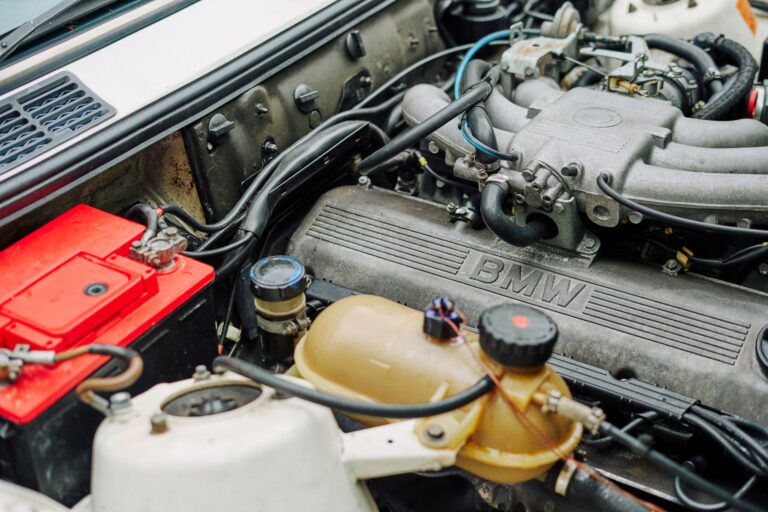
Should you be curious about where the harmonic balancer resides in a car, it generally sits at the front of the engine, firmly attached to the crankshaft, usually down low near the serpentine belt and accessory pulleys. This location means it often hides behind other engine parts, and getting a clear view or touch usually requires taking off belts and sometimes lifting the vehicle for a better angle.
Because it handles the tricky job of dampening vibrations from the crankshaft, some engines combine the harmonic balancer with the crankshaft pulley, which can make reaching it during repairs a bit like solving a puzzle.
Spotting a failing balancer may come with clues like extra engine shudders or timing marks that just won’t line up, hinting that this unassuming part needs attention before it causes bigger headaches. While the balancer does not often call for a checkup, grasping where it resides and what it does helps disclose why engine vibration sometimes feels off, and why some mechanics spend extra time reaching into tight spots to keep engines running smoothly.
This simple device plays a quiet but mighty role in engine health, and recognizing its home under the hood is the initial step in spotting trouble and keeping your car humming along without unnecessary vibrations disturbing the ride.
General Location and Accessibility of the Harmonic Balancer
The harmonic balancer is typically found at the front of the engine, directly attached to the crankshaft. Its placement is usually at the lower front area, close to the serpentine belt and pulleys, making accessibility a key concern during maintenance.
Access often requires removing belts and sometimes lifting the vehicle to reach underneath, which presents accessibility challenges for the typical mechanic.
In some engine designs, the harmonic balancer is integrated or combined with the crankshaft pulley, positioned horizontally aligned with the crankshaft’s end for straightforward alignment and installation.
These factors affect how easily the harmonic balancer can be serviced, requiring careful preparation and sometimes special tools to maneuver tight spaces while protecting the engine components from damage during handling.
Purpose and Function in Engine Operation
The harmonic balancer keeps your engine running smoothly by soaking up the shakes and wobbles that naturally happen as the crankshaft spins.
This means your engine parts last longer and work better. Through reducing these vibrations, it also protects the crankshaft from twisting forces that could crack or break metal over time, saving you from expensive repairs down the road.
Because it sits right on the front of the crankshaft, this simple-looking part also helps make sure your engine’s timing marks stay lined up, so everything fires as it should and your car keeps running just the way you expect.
Vibration Damping Role
Harmonic balancers play an essential role in controlling engine vibrations that occur as the crankshaft spins. They use specialized vibration absorption techniques to reduce torsional vibrations caused by the crankshaft’s rotation.
This vibration damping is critical for engine balance considerations, as unmanaged vibrations can cause metal fatigue and premature failure of engine components. The balancer’s layered metal and rubber construction absorb these oscillations, lessening the stress transmitted through the crankshaft.
This not only protects internal components but also helps maintain timing accuracy, which is crucial for the engine’s smooth operation. Without effective vibration damping, crankshaft torsion can cause misalignment and damage, leading to costly repairs and engine inefficiency.
Comprehending this role highlights why the harmonic balancer is a key protector of engine longevity and performance.
Torsional Stress Protection
Engines experience twisting forces on the crankshaft during operation, known as torsional stress, which can cause damage should it be left unchecked. The harmonic balancer plays a crucial role in absorbing these forces, protecting the crankshaft from harmful vibrations. Without this protection, torsional stress effects can lead to cracks, warping, or even complete crankshaft damage over time. This is why the balancer is significant for engine longevity and smooth performance.
| Cause | Symptom | Result |
|---|---|---|
| Engine misfires | Rough idle | Increased wear |
| Poor timing | Engine noise | Crankshaft damage |
| Worn balancer | Vibration at speed | Torsional stress effects |
| Loose mounting | Belt slippage | Engine failure risk |
Timing Accuracy Support
Timing accuracy relies heavily on how well the crankshaft’s position is upheld during engine operation. The harmonic balancer plays an essential role in timing synchronization by ensuring the crankshaft does not shift or wobble due to vibrations.
Whenever the engine runs, torsional forces cause slight twisting motions that can disrupt the crankshaft’s precise alignment. This misalignment can deteriorate timing, leading to inefficient combustion and diminished engine performance.
Through absorbing and dampening these oscillations, the harmonic balancer helps maintain the crankshaft’s stable position, directly contributing to performance improvement.
Without this stability, timing marks could become inaccurate, and sensors might send faulty signals, causing the engine to run rough or lose power.
Hence, the harmonic balancer safeguards timing accuracy, which is vital for smooth, reliable engine operation and optimal power delivery.
Tools Required for Removal and Installation
Removing and installing a harmonic balancer requires specific puller tools designed to grip the balancer securely without causing damage.
Proper bolt handling is essential, including carefully removing the retaining bolt and threading puller bolts fully for safe extraction.
Using the right tools and techniques protects both the crankshaft and the balancer during the removal and installation process while ensuring accurate alignment for reassembly.
Essential Puller Tools
Puller tools designed specifically for harmonic balancer removal and installation play a crucial role in safely handling this task without damaging engine components. The right essential puller tools make the difference between a smooth repair and a frustrating, costly mistake.
They allow you to apply even pressure to the balancer, so it slides off the crankshaft without bending or breaking anything, which matters because grabbing the wrong part can ruin the balancer and leave you searching for a replacement.
Achieving success with proper tool usage means following these steps:
- Choose a puller that matches your engine: Numerous auto parts stores rent these tools, and some kits come with multiple attachments to fit different crank ends and balancer designs.
- Attach the puller correctly: Screw the puller bolts into the threaded holes on the harmonic balancer, not the pulley. Should there be no threads, use a jaw-type puller, but never pull from the outer edge, since this can separate the balancer’s pieces and make it unusable.
- Turn the puller’s center screw slowly and evenly: This draws the balancer straight off the crankshaft, protecting both parts. For installation, use a dedicated installer tool to press the balancer back on without hammering, which could damage the crankshaft or bearings.
Comprehending how these tools work builds confidence and prevents common errors. The process might feel intimidating at the beginning, but with patient practice and attention to detail, it becomes much more manageable.
Proper tool usage not only saves time and money—it also gives peace of mind, realizing your engine will run smoothly after the job is done.
Proper Bolt Handling
The right bolts make all the difference during working on a harmonic balancer, turning a tricky job into something smooth and safe. Proper bolt handling guarantees balancer maintenance is effective and prevents damage to the crankshaft. Using the correct bolts and following bolt torque specs keeps everything secure and aligned. Here’s a quick guide to the essential bolts and their roles:
| Bolt Type | Purpose |
|---|---|
| Crankshaft Bolt | Secures balancer to crankshaft |
| Puller Bolts | Attach puller tool for removal |
| Installer Bolts | Guide balancer onto crankshaft |
| Woodruff Key | Aligns balancer position |
| Retaining Washer | Protects threads and surfaces |
Always check bolt condition and torque to manufacturer specs. This keeps the balancer running smoothly and helps avoid costly mistakes.
Step-by-Step Removal Process
One of the initial steps involves carefully removing the serpentine or drive belts that loop around the harmonic balancer and associated pulleys.
With those out of the way, you gain clear access to the front of the engine, where the harmonic balancer sits attached to the crankshaft.
Next, you remove the center retaining bolt that holds the balancer in place, often requiring a breaker bar or impact wrench for stubborn bolts while using a strap wrench to keep the balancer from spinning.
After the bolt is out, a specialized puller tool, which threads into the balancer or uses bolts to grasp its edges, gently extracts the balancer from the crankshaft without damaging the engine or part.
This careful approach prevents mistakes that could affect harmonic analysis and future vibration monitoring.
Three Key Steps for Removal
- Remove belts and uncover the balancer: Taking off the serpentine or drive belts reveals the balancer and prepares the area for work.
- Unscrew the center bolt: A breaker bar loosens the main bolt while a strap wrench holds the balancer steady, ensuring no accidental turns.
- Use a puller tool: Threaded bolts or hooks on the puller align with the balancer, and turning the tool’s center screw slowly draws the balancer off the crankshaft without force that could harm delicate engine parts.
These steps, at the time of following with patience, protect both the engine’s balance and your peace of mind, making the process feel less like a chore and more like careful care for your vehicle.
Proper technique here keeps future vibration monitoring accurate and mechanical harmony intact.
Installing the Harmonic Balancer Correctly
| Step | Key Action | Crucial Tip |
|---|---|---|
| Align balancer | Use Woodruff key | Avoid damaging the key |
| Grease application | Apply on seal surface | Prevent seal damage |
| Installation | Press or heat balancer | Guarantee smooth, snug fit |
| Tightening | Torque bolt to spec | Use a torque wrench for precision |
Vehicle-Specific Variations and Considerations
Because harmonic balancers differ across vehicle models, their location, accessibility, and removal steps can vary quite a bit.
Harmonic Balancer Variations mean each engine might need a unique approach, especially with Engine specific Modifications. Some vehicles hide the balancer behind other parts, while others make it easy to reach. Always check your service manual for exact details.
- Honda Civics often require access from the passenger side fender well.
- Ford small blocks could use a special puller tool that threads into the balancer.
- GM crate engines sometimes need a specific depth setting for correct installation.
Each step matters, so take your time and trust the process.
Being aware of your engine’s quirks helps avoid mistakes and keeps your work smooth and stress-free.