

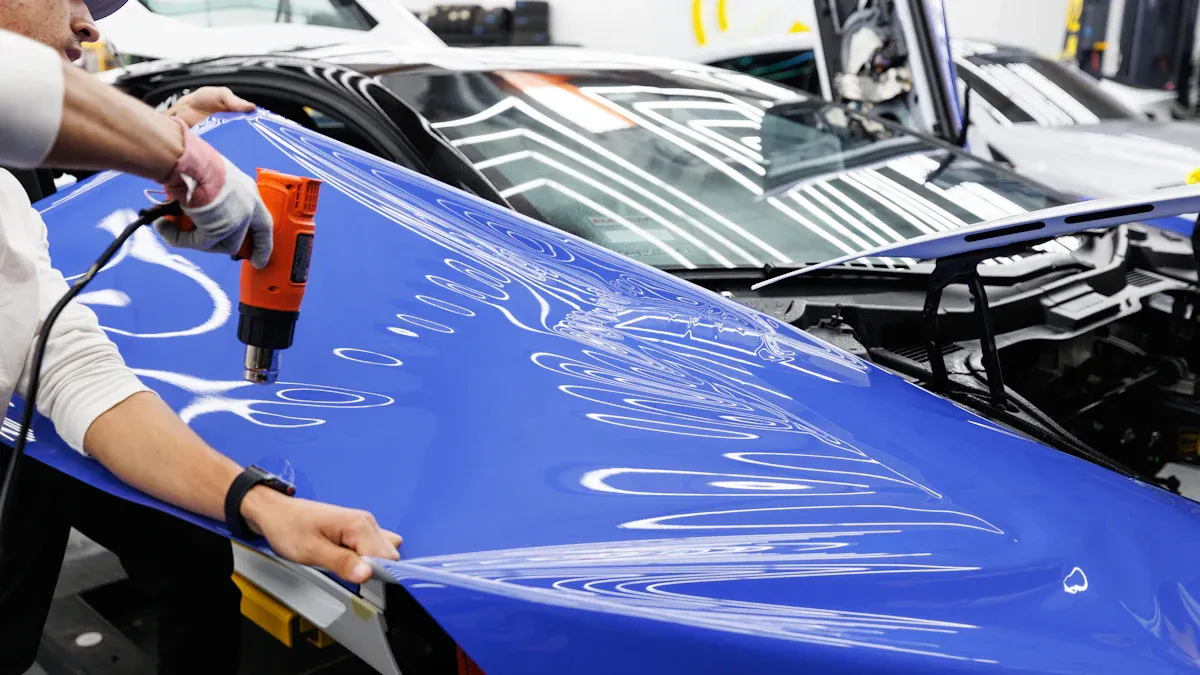
For a standard sedan, you can expect the cost to wrap car to range from $2,500 to $6,000. Many elements influence the final car wrap cost. This article will explore these different factors. It helps you understand the true cost to wrap a vehicle. You can then make an informed decision.
Key Takeaways
Car wrap costs change based on your vehicle’s size and shape. Bigger cars and complex designs cost more money.
The type and quality of vinyl material affect the price. Special finishes like chrome or carbon fiber cost more than basic colors.
Professional installation is important. Skilled workers and good preparation of your car add to the total cost.
Car wraps protect your car’s original paint. They offer many customization options and can be cheaper than a new paint job.
Wraps last 5 to 7 years. They need simple cleaning with mild soap and water to stay looking good.
Factors Affecting Car Wrap Cost
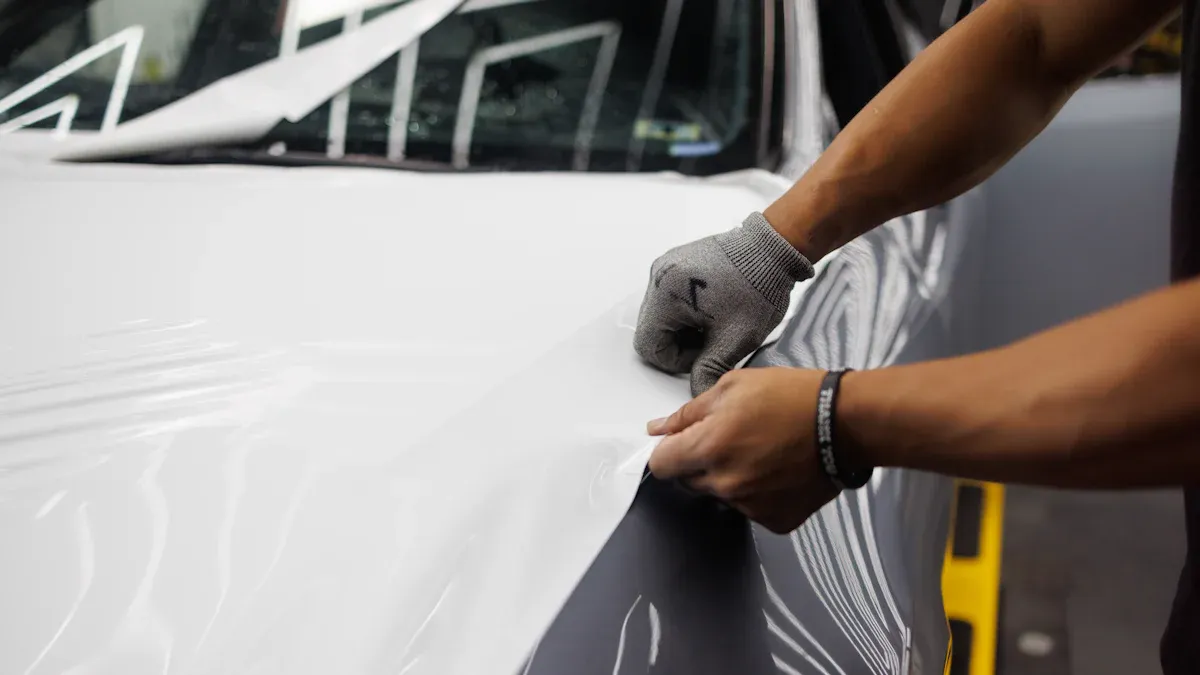
Many elements contribute to the overall car wrap cost. You need to understand these factors. This helps you know what to expect when you plan your project.
Vehicle Size and Shape
The size and shape of your vehicle greatly impact the cost to wrap car. Larger vehicles need more material. They also take more time to install. This increases the price. Vehicles with many curves or complex designs are also harder to wrap. This means more labor time.
Smaller Vehicles: Compact cars and sedans are often more affordable. They use less material and require less labor.
Larger Vehicles: SUVs, trucks, and vans have bigger surfaces. This increases the amount of vinyl needed. It also makes the installation more complex. This leads to higher costs.
Complex Shapes and Curves: Cars with intricate designs are challenging to wrap. This results in higher labor costs.
Here is a general idea of costs based on vehicle type:
Vehicle Type | Price Range ($) |
|---|---|
Compact Car | 2,500 – 6,000 |
Sedan | 2,500 – 6,000 |
SUV | 3,200 – 7,000 |
Truck | 2,500 – 5,000 |
For example, a standard pickup truck might cost between $2,400 and $3,250. A small to large van could range from $2,650 to $4,500.
Vinyl Material Type
The type of vinyl you choose affects the price. Standard vinyl is less expensive. Specialty materials cost more.
Vinyl Type | Typical Full Wrap Cost (Sedan) | Material Cost Impact |
|---|---|---|
Gloss, Satin, Matte | $2,500 – $3,500 | Standard |
Metallic, Color-Shift | Higher than standard | Increased complexity |
Chrome | Starting around $5,000 | High-end, most expensive |
Carbon Fiber | Not specified for full wrap | Premium |
Chrome or carbon fiber vinyl wraps for cars are premium options. They offer a unique look. These materials are more expensive than basic vinyl.
Vinyl Quality and Brand
The brand of vinyl also changes the price. Premium brands like 3M or Avery Dennison cost more. They invest in research. This gives you better durability and longer-lasting results. These brands also offer easier application. Generic alternatives are usually cheaper. However, they may not last as long or look as good.
Labor and Expertise
The cost of labor varies. It depends on where you live. It also depends on the installer’s skill.
Labor costs are higher in places like the United States. This is due to higher living costs and wages.
Regions like Southeast Asia may have lower costs. This is because labor expenses are lower there.
Cities with high demand for car customization can have competitive pricing. This is true in places like Los Angeles.
More skilled technicians mean better quality work. This expertise can increase the overall vehicle wrap costs.
Vehicle Prep Needs
Your car’s condition matters. If your car has dents or scratches, it needs extra work. This adds to the cost.
Dents, scratches, or peeling paint need repair. This might include sanding or cleaning. It could also mean applying primer. This can add $200 to $500 or more to the total.
Paint correction helps remove imperfections. These flaws could affect the wrap. This service typically costs between $200 and $1,000. The price depends on how much correction is needed.
Coverage Area
You can choose a full wrap or a partial wrap. A full wrap covers your entire vehicle. A partial wrap covers only part of it.
A full wrap typically ranges from $2,500 to $5,000 or more.
A partial wrap generally costs between $800 to $2,500.
Partial wraps are a more budget-friendly choice. They cover 25% to 75% of your vehicle.
Partial wraps usually cost $1,500–$2,500, while full wraps run $3,500–$4,500.
Here is a comparison:
Wrap Type | Coverage | Average Cost |
|---|---|---|
Partial Wrap | 25–75% | $800–$2,000 |
Full Wrap | 100% | $3,500–$4,500 |
Customizations
You can customize your vinyl car wrap. This also affects the price. Simple, single-color wraps are less expensive. Custom-printed designs with complex graphics cost more.
Common customization options include different finishes:
Gloss: This finish is shiny. It looks like most factory paints.
Matte: This finish is flat. It highlights your car’s shapes.
Satin: This finish is between gloss and matte. It offers some shine.
Color-Shift: These wraps change colors from different angles.
Carbon Fiber: This gives the look of real carbon fiber.
A custom car wrap with unique graphics or logos will increase the price. The design complexity impacts the final wrap installation cost.
Type of Wrap | Average Cost Range (Small Car) |
|---|---|
Basic Cast Vinyl (Single Color) | $1,500 – $2,500 |
Custom Printed Wrap (Graphics) | $2,500 – $3,500 |
Chrome or Metallic Finish | $4,000 – $5,000 |
Car Wrap Price Ranges by Vehicle
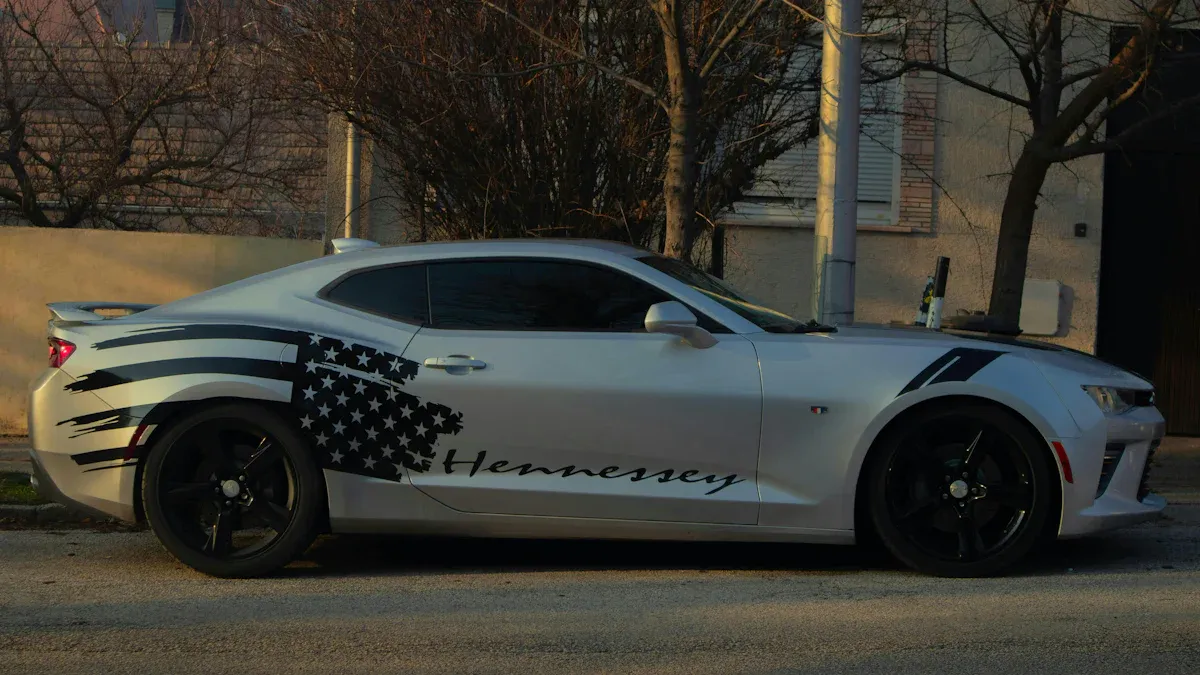
You want to know the exact cost to wrap your car. The car wrap price ranges vary significantly. They depend on your vehicle’s size and type. A full wrap can cost anywhere from $2,000 to over $10,000. Professional wraps typically fall between $2,500 and $6,000 or more. A partial wrap is also an option, usually costing $1,000 to $2,500. This section breaks down average costs by vehicle category.
Small Car Costs
Wrapping a small car is often the most affordable option. These vehicles require less material and less installation time. For a basic full wrap on a compact car, you might pay $2,000 to $4,000. A mid-range wrap, offering more color choices or slightly better vinyl, could cost $3,000 to $5,000. If you choose a high-end wrap with premium materials or complex finishes, expect to pay $5,000 to $10,000+. A partial wrap for a small car, covering specific sections like the hood or roof, generally costs $1,000 to $2,500. For example, a window-only wrap might be under $1,000.
Mid-Size Vehicle Costs
Mid-size vehicles, like standard sedans, represent a common category for car wraps. The cost to wrap car for these vehicles often starts around $2,500 for a basic application. You can expect to pay $3,000 to $5,000 for a mid-range option. This includes a wider selection of colors and finishes. High-end options, using top-tier vinyl and intricate designs, can push the price to $5,000 or even $10,000+. If you opt for a partial wrap on a mid-size car, such as a 40% wrap, you might spend $900 to $2,000.
SUV and Truck Costs
SUVs and trucks are larger vehicles. They require more material and labor. This increases the overall car wrap cost. A full wrap for an SUV or truck typically starts at $3,800. The general range for these vehicles is $3,000 to $6,000.
Vehicle Type | Cost Range | Notes |
|---|---|---|
Full SUV/Truck Wrap | $3,000 – $6,000 | General range for full coverage. |
SUVs and Crossovers | $3,000 – $4,500 | Mid-size SUVs are on the lower end; full-size with complex features increase cost. |
Pickup Trucks | $2,800 – $4,800 | Crew cabs and extended beds require more material; single-cab trucks are more budget-friendly. |
Mid-size SUVs often fall into the $3,000 to $4,500 range. Full-size SUVs with complex features will cost more. For pickup trucks, an application can range from $2,800 to $4,800. Crew cabs and extended beds need more material. Single-cab trucks are more budget-friendly. A partial wrap for an SUV or truck, covering specific panels or graphics, can range from $1,000 to $2,500.
Luxury Vehicle Costs
Luxury vehicles often have unique body lines and intricate designs. This makes them more challenging to wrap. The vehicle wrap costs for these cars are usually higher. You can expect to pay $5,000 to $10,000+ for a high-end full wrap on a luxury car. This price reflects the premium materials used. It also covers the meticulous installation required. Installers take extra care with these high-value vehicles. The average cost per square foot for material is $5 to $15. Installation adds another $3 to $4 per square foot. Keep in mind that prices can vary by state. For example, a full wrap in Dallas might range from $2,500 to $5,000.
Wrap vs. Paint: Cost Comparison
You often face a choice when you want to change your car’s appearance: a car wrap or a new paint job. Each option has different costs and benefits. Understanding these differences helps you make the best decision for your vehicle.
Initial Investment
Consider the upfront cost when you decide to update your car’s look. A professional vehicle wrap typically costs between $2,500 and $5,000. In contrast, a custom paint job can easily go over $5,000. It can even reach tens of thousands for premium finishes or intricate designs. Quality wraps start around $3,500. Quality paint jobs begin at $8,000. This shows a significant price difference. For a full wrap, you might pay $3,500 to $5,500. A paint job could cost $6,000 to $8,000 or more.
Longevity and Protection
You want your car’s new look to last. A high-quality car wrap can last 5 to 12 years with proper care. Standard wraps typically last 5 to 8 years. A professional paint job, however, can last 10 to 20 years or even longer if you maintain it well. Wraps also offer an extra layer of protection for your original paint. They shield it from minor scratches and UV damage. Factors like weather exposure and consistent maintenance affect how long both wraps and paint last. You should wash wraps regularly and avoid harsh chemicals. For paint, regular waxing and washing prevent fading and scratches.
Finish Type | Average Lifespan (with care) |
|---|---|
High-Quality Car Wrap | 5-12 years |
Professional Paint Job | 10-20+ years |
Impact on Resale
Think about your car’s value later. Car wraps tend to increase a car’s resale value. They often perform better than repainted vehicles. This is because you can easily remove a wrap. It restores your car to its original, preserved paint. The paint looks as good as new. Wraps protect your original factory paint from daily damage. This includes scratches and sun exposure.
This preserves its condition for a future sale. Custom paint jobs can sometimes make a car less appealing to buyers. A permanent, outlandish custom paint job might limit appeal. A full wrap or even a partial wrap avoids this risk. When a professionally installed vinyl wrap comes off, the paint underneath should look exactly as it did when you applied the wrap.
Maintenance Differences
Maintaining your car’s finish is important. Wraps generally need less complex maintenance than paint. You do not need to wax a car wrap. You should wash it weekly and promptly remove stains. This protects the original paint. Paint requires regular waxing and careful upkeep. It is also more susceptible to environmental damage. If you get minor damage on a wrap, you can sometimes spot-repair it. Paint can crack or fade over time, especially if it is not high quality. A high-quality full wrap is generally cheaper than a high-quality paint job. A partial wrap is even more budget-friendly.
Feature | Car Paint | Car Wrap |
|---|---|---|
Cost | $500 (basic) to $5,000 (high-quality); additional costs for touch-ups. | $2,000 to $5,000 (full wrap); partial wraps are less expensive. |
Maintenance | Requires regular waxing and careful upkeep; susceptible to environmental damage. | No waxing needed; weekly washing and prompt stain removal; protects original paint. |
Protection | Susceptible to fading, cracking, or chipping. | Protects original paint, preserving resale value. |
Is a Car Wrap Worth It?
You might ask if a car wrap is a good investment. Many benefits make it a worthwhile choice for your vehicle. You can protect your car’s paint and express your style.
Benefits of Wrapping
A car wrap offers strong protection for your vehicle. It acts as a shield against scratches and chips from road debris. It also guards against UV damage. This damage can cause fading and discoloration. Your car’s paint stays looking newer for a longer time. Many modern wraps even have self-healing properties. Minor scratches disappear when they get warm.
Wraps also make your car easier to clean. They preserve the original paint’s look. Car wraps give you many ways to customize your vehicle. You can choose from many colors, textures, and finishes. These include gloss, matte, metallic, and carbon fiber. This level of customization is hard to get with traditional paint. Wraps let you add complex designs and graphics. You can turn your vehicle into a personalized statement. Protecting your car’s original paint with a wrap can keep its condition good. This can also increase its resale appeal. A well-kept car with perfect paint sells for more.
When to Choose a Wrap
You should choose a car wrap in specific situations. Wraps are great for temporary color changes. They are also perfect for unique customization. If you want to protect your paint, a wrap is a smart choice. Businesses use wraps for branding. They turn vehicles into mobile advertisements. Wraps offer more flexibility than paint.
They can be more affordable for certain uses. For example, wraps give you unlimited options in colors and finishes. Paint jobs are more limited. Wraps protect your car from minor scratches and UV rays. Paint is more open to damage. A professional wrap finishes in 1-2 days. A paint job can take weeks. Wraps preserve your original paint. This helps your car’s resale value. You can easily remove a wrap. This leaves your original paint untouched. This is appealing to buyers.
Considerations Before Wrapping
Before you wrap your car, think about a few things. First, decide why you want the wrap. Is it for advertising, personal style, or protection? This choice affects other decisions. You need to pick good materials. Choose durable vinyl that resists fading and cracking. It should also suit the look you want. Think about your design. Make sure it matches your style. If it is for business, ensure it stands out. Always choose professional installers. They ensure a long-lasting, quality job. They prepare the surface well and apply the wrap without bubbles. They often give a warranty too. Finally, set a realistic budget for your custom car wrap. This includes the wrap and installation costs. Consider if you want a full or partial wrap. Also, think about future maintenance.
You now understand the many factors influencing your car wrap cost. Vehicle size, material choice, and labor all play a role. A car wrap offers a versatile and often cost-effective alternative to painting. It provides both customization and protection for your vehicle. Consider your specific needs and budget when deciding if a custom car wrap is right for you. Consult reputable installers for personalized quotes to understand your specific cost to wrap car.



