Many people think driving a manual car is a hard skill. You can learn it. Manual driving offers more control and makes driving more engaging. You might also get better fuel economy. Studies show manual cars can achieve 2-5 miles per gallon more than automatic versions. This guide breaks down how to drive a manual car into simple steps. Patience and consistent practice are key to learning to drive and mastering this skill. Keep learning how to drive, and you will succeed.
Key Takeaways
Learn the three pedals: clutch (left), brake (middle), and accelerator (right). The clutch disconnects the engine from the wheels.
Practice finding the clutch’s ‘bite point.’ This is where the car starts to move. It helps you avoid stalling.
Coordinate your feet for smooth starts and shifts. Slowly release the clutch while gently pressing the accelerator.
Shift gears based on engine noise and RPMs. Upshift for speed, downshift for power or slowing down.
Practice often and be patient. Avoid common mistakes like riding the clutch to protect your car.
Basic Controls
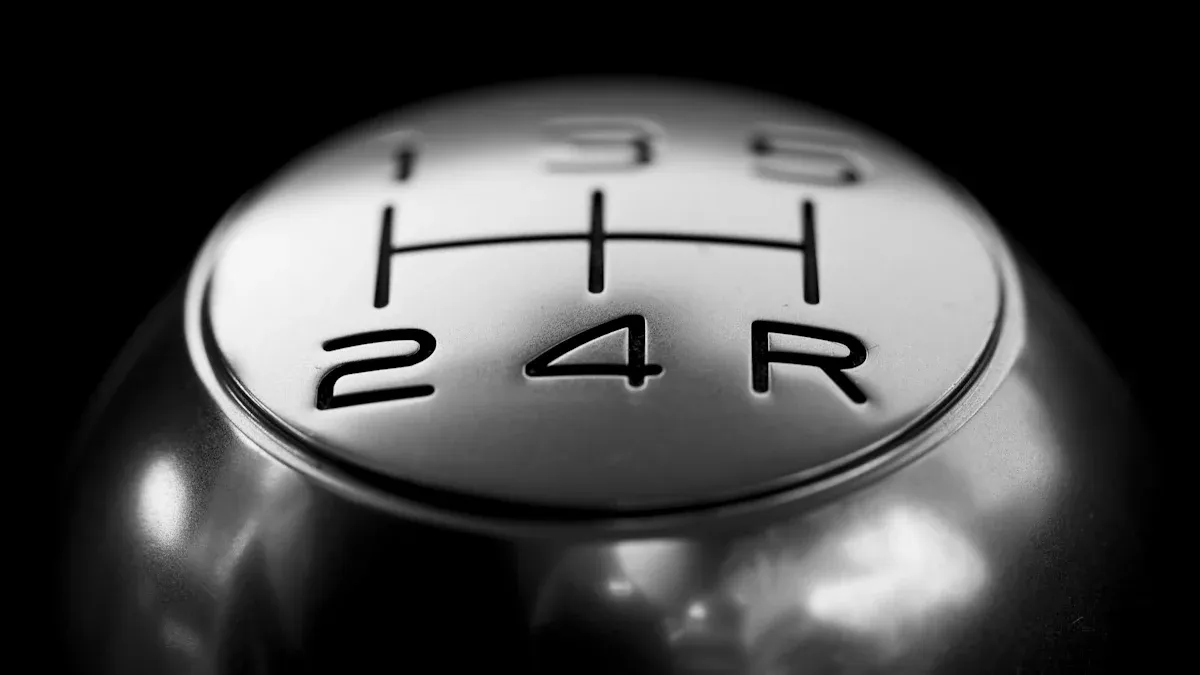
You need to understand the main controls before you learn how to drive a manual car. These parts help you control the vehicle. Knowing them well makes learning easier.
The Three Pedals
Look down at your feet. You will see three pedals in a manual car. They are different from an automatic car.
Clutch Pedal (Left): This pedal is on the far left. You use it to disconnect the engine from the transmission. This lets you change gear or stop the car without stalling the engine. You must push in the clutch fully when shifting gears or coming to a stop. Most manual transmission vehicles use a foot pedal for this.
Brake Pedal (Middle): This pedal slows down or stops the car. You use your right foot for this.
Accelerator Pedal (Right): This pedal makes the car go faster. You also use your right foot for this. You press the accelerator to give the engine more power.
The Gear Stick
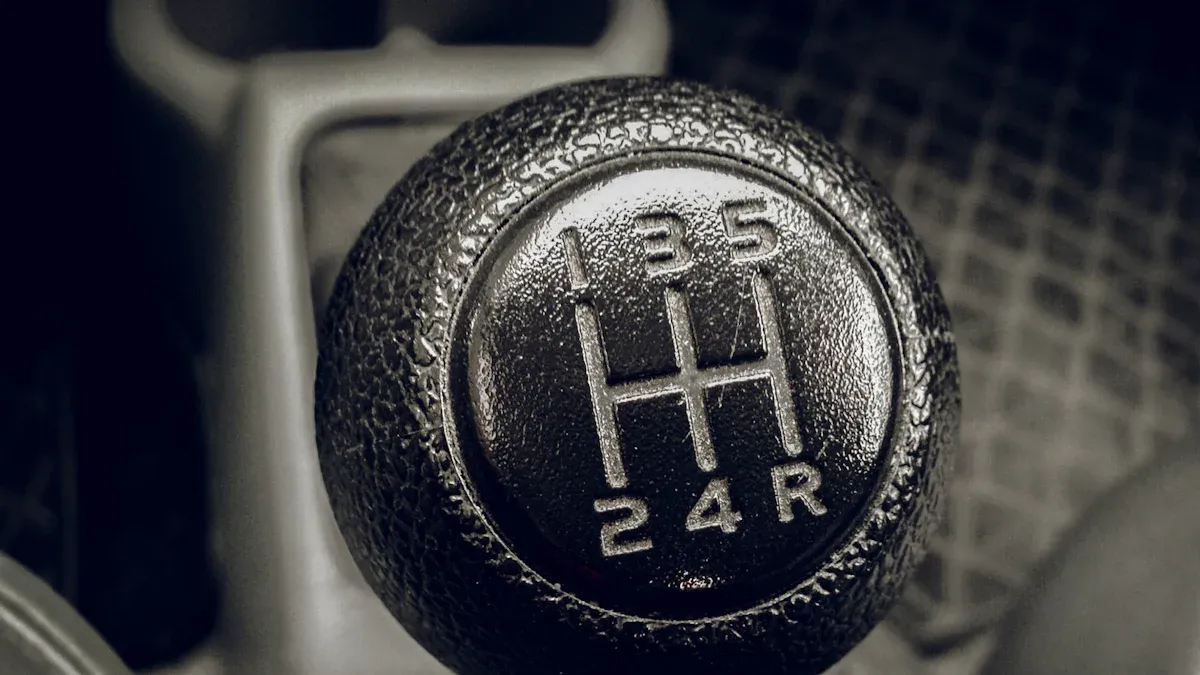
The gear stick is usually between the front seats. It lets you choose which gear the car uses. Each gear changes how much power goes to the wheels. This affects your speed and engine effort. Different cars have different gear stick patterns. For example, many five-speed manual transmission cars have a common layout. First gear is often at the top left. Reverse gear is usually at the end of the sequence. Some cars, like older race cars, use a “dog-leg” pattern. You will learn your car’s specific pattern.
Finding the Clutch Biting Point
The clutch biting point is very important. It is the spot where the clutch starts to connect the engine to the transmission. The car begins to move when you reach this point. You need to find this point to move off smoothly. You will feel a slight vibration or hear the engine sound change. Practice finding this point. It helps you avoid stalling the car. You will use the clutch and accelerator together to move the car.
Preparing to Drive a Manual Car
Before you begin to drive a manual car, you need to set up your space. Proper preparation makes learning easier and safer. Take your time with these steps.
Initial Setup
You must prepare the car before you start the engine. These steps ensure you are ready to drive safely.
Adjust your seat. You need to comfortably press the clutch pedal all the way down with your left foot.
Position your mirrors. Make sure you have optimal visibility around your car.
Ensure the gear stick is in the neutral position. You can check this by moving the gear stick side to side. It should move freely.
Fasten your seatbelt. Always do this before you start driving.
Check your surroundings. Look for any obstacles or people near your car.
Ready to Start Driving
Now you are almost ready to start driving. You have completed the initial setup. You understand the basic controls. Your car is in neutral. You are buckled in and aware of your surroundings. This preparation helps you focus on the next steps. You will soon learn how to get in gear and move the car.
How to Get in Gear
To get in gear, first press the clutch pedal all the way down with your left foot. Keep it pressed. Then, move the gear stick into first gear. This is usually up and to the left. You will feel a slight click as it engages. Now you are in first gear. You are ready to begin moving. Remember to take off the parking brake before you try to move.
Starting and Moving
You are now ready to start the engine and begin moving. This section details the process of starting your car and smoothly moving off from a stop. Mastering these steps is crucial for learning how to drive a manual car.
Engine Start Procedure
Follow these steps to start your manual car’s engine:
Check Neutral: Ensure your car is in neutral. You can wiggle the gear stick to confirm it moves freely.
Depress Clutch: Place your left foot on the clutch pedal. Push in the clutch fully to the floor. This is a safety feature.
Ignition: Locate the ignition. It is usually next to the steering column. Some cars have a push-to-start button.
Turn Key: Turn the ignition key halfway. This allows vehicle sensors to take readings.
Start Engine: With your foot still on the clutch pedal and the gear selector in neutral, turn the ignition key all the way. The engine will start. Release the key once the engine is running.
First Gear Engagement
After starting the engine, you need to move into first gear. This prepares your car to move forward.
Clutch Down: Keep the clutch pedal pressed all the way down with your left foot.
Select First Gear: Move the gear stick into first gear. This is typically up and to the left.
Release Handbrake: Release the parking brake. You are now ready to begin moving.
It is best to engage first gear after your car has come to a complete stop. Avoid sitting at a light with the clutch engaged and the transmission in gear. This can fatigue the clutch springs. When you come to a stop, stay in the last gear with your foot off the clutch. Then, depress the clutch just before stopping. This prevents the engine from dying. Afterward, shift to neutral with your foot off the clutch. Then, depress the clutch again to select first gear and move off. This method helps prevent unnecessary clutch wear.
Smooth Take-Off
A smooth take-off is key to successful manual driving. You will coordinate your feet on the clutch and accelerator.
Practice Area: Find a road without traffic or an empty section of a parking lot.
Clutch and Gear: With the engine running, depress the clutch pedal all the way. Shift into first gear.
Foot Position: Keep your right foot off the brake pedal. You can practice with or without the parking brake set. If the parking brake is off, ensure it is safe to move forward.
Slow Clutch Release: Slowly let the clutch pedal rise. You do not need to use the accelerator pedal for this initial practice. The clutch plates will reach the bite point whether you give the car gas or not.
Find the Bite Point: As you slowly release the clutch, you will reach the bite point. The engine sound will change slightly. The RPM on the tachometer will drop. The front of the car may lift slightly. You might even feel it. If the handbrake is set, the car will strain against it. If it is not, the car will inch forward.
Hold Steady: Keep your left foot steady on the clutch pedal at the bite point for a few seconds.
Repeat: After a few seconds, press the clutch pedal back down. Repeat this clutch pedal action. Do this until you feel it and recognize the bite point as soon as you reach it. This is an important skill for start driving.
Finding the bite point is critical for moving off smoothly. It prevents jerking, over-revving, or stalling. The bite point is where the clutch plates have just enough contact to move the car forward. Before this point, the wheels cannot move. Pushing the accelerator pedal will only rev the engine. If you pass the bite point without accelerating, the car may jerk or stall. The bite point is usually when the clutch pedal is halfway pushed in. This varies by car. Slipping the clutch is the gradual release of the clutch pedal. It is essential for the engine to smoothly engage the wheels and move the vehicle forward. Without slipping the clutch, the car will not move. It will hesitate, jerk, or stall.
Stalling happens when you engage the clutch too quickly. The engine quits. Releasing the clutch too fast demands more energy from the engine than it can provide. This leads to a stall. The engine speed must match the accelerator when you release the clutch pedal. If it does not keep up, the car will stall. Not providing enough throttle can also cause stalling. The engine’s RPM drops too low. Practice coordinating your clutch release with gentle accelerator input for a smooth take-off.
Shifting Gears
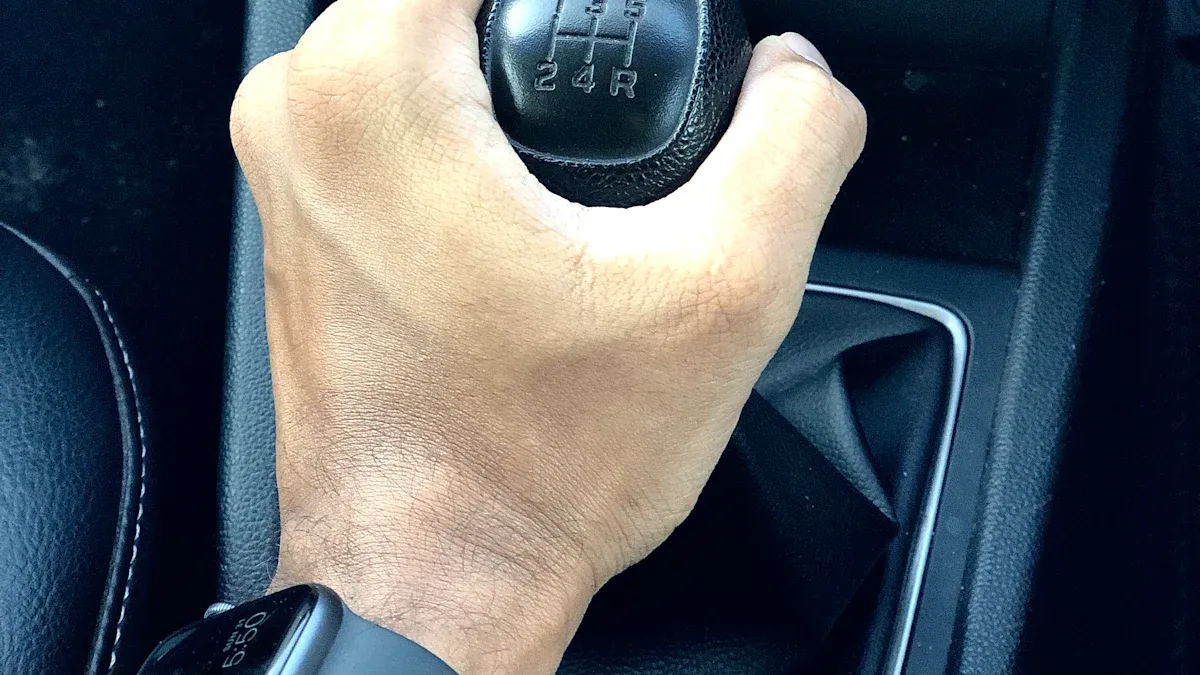
Driving a manual transmission car means you constantly interact with its gears. You shift gears to match your speed and engine needs. This section teaches you how to shift smoothly.
Upshifting Explained
You need to upshift as you gain speed. This moves you to a higher gear. A higher gear lets your engine work less hard. It saves fuel. Follow these steps to shift to a higher gear:
Press the clutch pedal all the way down with your left foot.
At the same time, lift your right foot off the accelerator.
Move the gear stick smoothly from your current position to the next higher position. For example, from first to second, or second to third.
Slowly release the clutch pedal. As you release it, gently press the gas pedal with your right foot.
Coordinate your feet. This makes the shift smooth. You will feel the car accelerate without a jolt.
Downshifting Explained
You downshift when you slow down. You also downshift when you need more power. This happens for hills or passing. Downshifting puts you in a lower gear. A lower gear gives you more engine power. It also helps you slow the car. This is called engine braking. Here is how you downshift:
Lift your right foot off the accelerator.
Push in the clutch pedal all the way down.
Move the gear stick from your current position to a lower position. For example, from fifth to fourth.
As you slowly release the clutch, gently press the gas pedal. This matches engine speed.
Practice this coordination. It makes your downshifts smooth.
Matching Engine RPMs
Matching engine RPMs is important for smooth shifts. RPM stands for revolutions per minute. This is how fast your engine spins. When you match engine RPMs, you align engine revolutions with the selected gear. This makes your gear changes smoother. It also makes your car more stable. Honda’s Rev Match Control System does this automatically. It helps you focus on steering and braking.
For downshifts, matching RPMs is like using a heel-and-toe technique. This helps you corner faster.
For upshifts, it stops engine revs from dropping too much. This gives you continuous, smooth acceleration. You feel this through gears like 3rd, 4th, and 5th. This technique protects your transmission.
When to Shift
Knowing when to shift is a key skill in driving a manual car. You listen to your car. You also watch your gauges. Here are common signs for optimal shift timing:
Engine Noise: A loud engine means it works too hard. It is time to shift to a higher gear.
Tachometer Readings (RPM): Look at your tachometer. A high reading, like over 3,000 RPM, means you over-rev the engine. Optimal shifting often happens between 2,500 and 3,000 RPM. If the RPM is too low, the engine might hesitate or stall.
Car’s Responsiveness to Throttle: Does your car react slowly when you press the accelerator? You might be in too low a position. Is the engine loud? Is the tachometer near the redline? You might be in too high a position.
Speed Guidelines: Use these general speed ranges for each position. They help you know when to upshift or downshift.
Gear | Approximate Speed Range (MPH) |
|---|---|
First | Only for extremely slow or stop-and-go traffic. Shift out almost immediately. |
Second | Up to 15-20 MPH (e.g., parking lots, school zones, slow turns) |
Third | 15-20 MPH up to about 30 MPH (e.g., town and city driving) |
Fourth | Around 30 MPH up to about 40 MPH (e.g., business or residential districts) |
Fifth | Around 40 MPH and higher (e.g., most of the time on freeways, highways, and through streets) |
Sixth (Overdrive) | 55-60 MPH and sustained highway speeds |
Remember, these are general guides. Your car might vary slightly. Use similar MPH guidelines when you downshift.
Specific Driving Scenarios
You will encounter different situations when driving a manual car. These scenarios need specific techniques. Mastering them makes you a confident driver.
How to Drive a Manual Car on a Hill
Starting on a hill can feel tricky. You must prevent rolling backward. Here is how to drive a manual car on a hill using your emergency brake:
Engage the emergency brake.
Press the clutch pedal fully.
Shift into first gear.
Give a little throttle. Aim for about 1500 RPM.
Slowly release the clutch pedal. Feel the “bite point.” The car will dip slightly. The engine sound will change.
Release the emergency brake. Gently press the accelerator.
Fully release the clutch pedal. You are now moving forward.
Stopping Procedures
Stopping smoothly is important. You must coordinate your feet.
At Traffic Lights: Shift into neutral when you stop. This reduces strain on the clutch. Engage the handbrake for longer stops. This lets your foot rest.
Preparing to Move: Press the clutch fully. Shift into first gear. Release the handbrake. Release the clutch gradually. Apply gentle pressure on the accelerator.
Common Mistakes: Do not “ride the clutch.” This means keeping your foot partially on the clutch. It causes wear. Shift to neutral for long stops. This prevents transmission stress.
Traffic Driving Tips
Traffic can be challenging. Manual cars need careful handling in stop-and-go conditions.
Use first or second gear. Stay in first if you drive below 10 MPH.
Keep a safe distance from the car ahead. Aim for at least one car length.
Adjust your speed using the accelerator. Make small, gradual changes. This avoids sudden movements.
Look several cars ahead. Anticipate traffic changes.
Avoid riding the clutch. The clutch should be fully engaged or fully disengaged.
Parking a Manual
Parking a manual car requires precise control. You use the clutch and brake together.
Pulling Forward: Slow down to 5 MPH or less. Use the brake. You can shift down or keep the clutch pressed.
Backing In: Shift into reverse. Keep the clutch pedal down. Look around you. Use your backup camera. Slowly release the clutch to the bite point. Ease off the brake. Move slowly into the spot.
Before Exiting: Always set the parking brake. Put the car in first gear. This adds security.
Tips and Common Mistakes
You will learn to drive a manual car. You will also make mistakes. This is part of the learning process. These tips help you learn faster. They also help you avoid common problems.
Practice and Patience
Learning to drive a manual car takes time. You need consistent practice. Do not get discouraged by stalls or rough shifts. Every driver starts here. Find a safe, open area. Practice starting and stopping. Practice shifting gears. Patience is your best tool. You will improve with each session.
Avoiding Stalls
Stalling is common for new manual drivers. You stall when the engine stops unexpectedly. This happens if you release the clutch pedal too quickly. It also happens if you do not give enough accelerator. To avoid stalls, coordinate your feet. Slowly release the clutch pedal. At the same time, gently press the accelerator. This smooth action keeps the engine running. You should also avoid riding the clutch. This means keeping your foot partially on the pedal. It causes unnecessary wear.
Protecting Your Clutch
Your car’s clutch is a vital part. You must learn how to avoid damaging the clutch. Many common habits can harm it.
Do not rest your foot on the clutch pedal. This causes partial disengagement. It leads to unnecessary wear.
Do not rest your hand on the gearshift knob. This wears the selector fork.
Avoid popping the clutch from a standstill. This can damage your car.
Do not leave the vehicle in gear at a red light for long periods. This causes transmission wear. You keep the clutch pedal down. Shift to neutral instead.
Listening to Your Car
Your car often tells you when something is wrong. Pay attention to these signs. They can indicate clutch wear.
You might feel a soft or sinking clutch pedal. This can mean a fluid leak. It can also mean air in the system.
A burning smell suggests the clutch disc is worn. Metal-on-metal contact happens during shifting.
You may hear a grinding noise when changing gears. This points to issues with the clutch disc or transmission synchronizers.
You need higher RPMs than usual to reach desired speeds. This often comes with grinding and a burning smell. It means the clutch disc is slipping.
You might have difficulty shifting gears. The transition feels rougher. The clutch pedal is less responsive. This is a clear sign of wear.
Weak acceleration can also signal a clutch problem. The engine revs, but the car does not speed up.
If you notice these signs, have a mechanic check your car.
You now understand how to drive a manual car. This rewarding skill becomes second nature with consistent practice. Be patient with yourself. Celebrate every small victory you achieve. Remember the key takeaways: understanding the pedals, smooth clutch control, and consistent practice. These elements are crucial for you to drive a manual car effectively. Manual driving offers you freedom and a true connection to the road. Enjoy your driving journey!
FAQ
How long does it take to learn to drive a manual car?
You can learn the basics in a few hours. Mastering smooth shifts and complex scenarios takes weeks or months of consistent practice. Patience and regular driving sessions are key. You will improve with each drive.
Can I damage the car by stalling frequently?
Frequent stalling does not usually cause significant damage. It puts extra strain on the clutch and engine mounts. You should avoid it. Learn to coordinate your feet. This prevents stalls and protects your car.
Is it harder to learn manual driving if you already drive an automatic?
You might find it a bit challenging at first. You must unlearn some automatic habits. You will adapt quickly. Your existing driving skills help you focus on the new clutch and gear shifting techniques. This helps you how to pass your driving test.
What is the best way to practice for how to pass your driving test in a manual car?
Practice in a safe, open area. Focus on smooth starts and stops. Practice shifting gears at different speeds. Drive on various roads, including hills. Consistent practice builds confidence. This prepares you for how to pass your driving test.
Should I use the handbrake when starting on a hill?
Yes, use the handbrake when starting on a hill. It prevents you from rolling backward. You release it as you find the clutch’s bite point and apply gas. This technique makes hill starts much easier and safer.