

Owning a boat, much like owning a car, brings clear responsibility. You must maintain your boat regularly. Your boat represents a significant investment. Proper maintenance protects this investment. It ensures your safety and enhances your enjoyment on the water. Many vehicle maintenance tips apply directly to your boat. Every boat owner understands this commitment. A diligent owner keeps their vessel in top condition.
Key Takeaways
Regular checks of your boat’s hull, engine, and safety gear prevent big problems.
Change engine oil, filters, and fluids often to keep your engine running well.
Clean and wax your boat’s outside to protect it from harsh weather.
Keep the inside of your boat dry and clean to stop mold from growing.
Store your boat correctly in the off-season to protect it from damage.
Essential Pre-Launch & Routine Boat Checks
Before you enjoy your time on the water, perform essential checks. This routine maintenance ensures your safety and protects your investment. A comprehensive inspection prevents many common issues.
Hull, Propeller, and Through-Hull Fittings Inspection
Examine your boat’s hull. Look for cracks, dents, or any damage. Check the propeller for bends or nicks. Even small damage can affect performance. Inspect all through-hull fittings. These are openings in the hull for water intake or discharge. Make sure they are clear and secure. This simple check is vital for your boat’s integrity.
Fluid Levels, Belts, and Bolt Tightness
Check all critical fluid levels. This is a key part of preventative maintenance. You should check:
Engine oil
Coolant
Transmission fluid
Steering fluid
Inspect engine belts for cracks or fraying. Ensure they have proper tension. Tighten any loose bolts you find. Loose bolts can cause serious problems.
Electrical Systems, Lights, and Safety Gear
Test all electrical systems. Turn on your navigation lights and interior lights. Check your horn. Ensure all wiring looks secure and free from corrosion. Always have the correct safety gear on board. Safety equipment requirements vary by boat size and where you operate. You must carry:
A personal flotation device (PFD) for each person.
Visual distress signals, like flares, for coastal waters.
Approved fire extinguishers if your boat has an engine.
Sound-producing devices, such as a horn.
Navigation lights for visibility.
An approved backfire flame arrestor for gasoline engines.
Remember to check state-specific regulations too.
Mooring Lines and Docking Procedures
Inspect your mooring lines. Look for fraying or wear. Strong lines are important for safe docking. Nylon rope is excellent for dock lines. It offers good stretch and strength. Three-strand nylon is abrasion resistant and easy to splice. Double braided nylon is very strong and easy to handle.
Here are recommended mooring line sizes based on yacht length:
Yacht Length Overall | Displacement in Tonnes | 3 Strand, Dockline, Octoplait Polyester | Anchorplait, Handy Elastic, 3 Strand Nylon | Moorex12 Polyester, 3 Strand Polypropylene |
|---|---|---|---|---|
< 6 metres | 1 tonne | 8/10mm | 8/10mm | – |
6-8 metres | 2.5 tonnes | 10mm | 10mm | 12mm |
8-10 metres | 5 tonnes | 12mm | 12mm | 14mm |
10-12 metres | 9 tonnes | 14mm | 14mm | 16mm |
12-14 metres | 13 tonnes | 16mm | 16mm | 18mm |
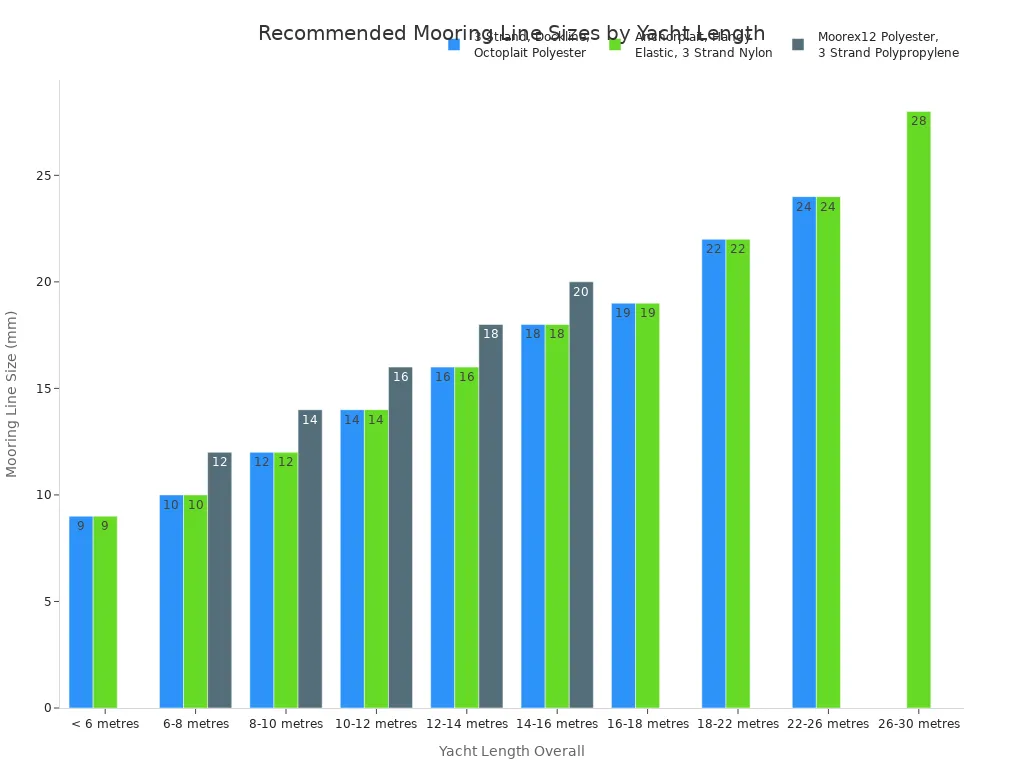
Practice your docking procedures. This helps you maintain your boat safely at the dock.
Engine Maintenance Tips for Every Boat Owner
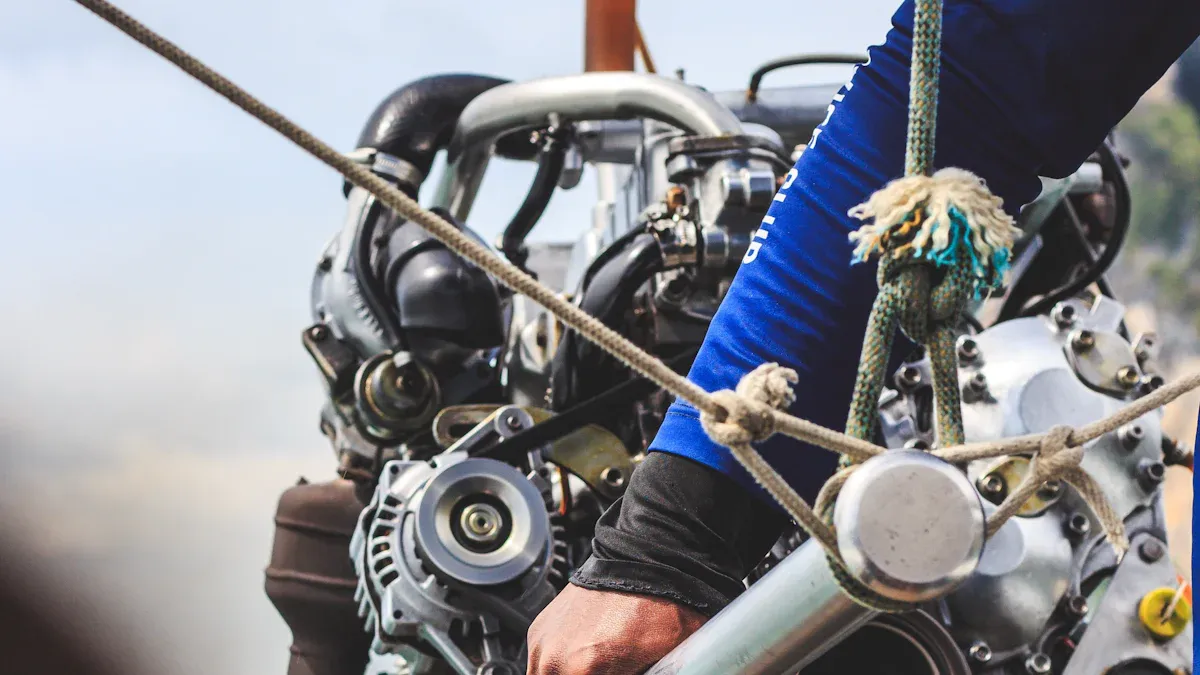
Your boat’s engine is its heart. Proper care ensures reliable performance and extends its life. Always follow the specific guidelines from your engine’s manufacturer. These instructions are crucial for your particular model.
Understanding Your Boat’s Engine Manual
Your engine manual is your best friend. It contains vital information about your specific engine. You will find recommended service intervals and part numbers there. Read it thoroughly. It helps you understand your engine’s unique needs.
Regular Oil, Filter, and Fluid Changes
Regular fluid changes are key to engine health. You should change the oil and oil filter every 50 hours of operation or every fall, whichever comes first. This is a general guideline. Your manufacturer’s recommendations are most important. Factors like the type of water you boat in, whether you have a two-stroke or four-stroke engine, and how you operate your boat can change these intervals. For example, saltwater use or heavy loads might require more frequent changes. Always use manufacturer-approved marine parts for replacements. This ensures compatibility and performance. This preventative maintenance protects your investment.
Fuel System Care and Winterization
Fuel system issues can stop your boat cold. Water is a common problem. Condensation forms in tanks due to temperature changes. Faulty seals can let water in. Microbes can grow at the fuel-water line, creating sludge. To prevent this, use a water-removing additive. Fill your boat with pure, ethanol-free fuel when possible. If you use ethanol blends, empty and refill your tank every few weeks in warm, humid weather. Keep fuel tanks topped off to reduce air space. Treat diesel fuel with a biocide. Regularly inspect and change your fuel filters. This routine maintenance keeps your engine running smoothly.
Cooling System, Impeller, and Spark Arrestor Checks
The cooling system keeps your engine from overheating. The impeller is a critical part of this system. It circulates cool water. Watch for signs of a failing impeller. Your engine water temperature gauge may rise significantly above normal. This often happens at low speeds or idle. An overheating engine is a clear sign the pump cannot circulate enough cool water. Check your spark arrestor too. It prevents sparks from escaping the engine, which is a safety feature. Regular checks of these components help you maintain your boat like a pro.
Protecting Your Boat’s Exterior: Hull & Deck Care

Your boat’s exterior faces harsh elements. Proper care protects its appearance and structural integrity. You must regularly maintain your boat’s outer surfaces.
Washing, Waxing, and Gel Coat Maintenance
Regularly wash and clean your boat. Use a gentle boat soap. This removes grime and prevents stains. Avoid harsh cleaning products. They can damage the gelcoat or strip wax. After washing, wax or polish your boat. This seals and protects the gelcoat. It extends its condition.
When you remove stains from your boat’s gel coat, follow these steps:
Identify the stain type. Is it mineral like rust or organic like bird droppings? This helps you choose the right cleaner. Choose the least abrasive option. Wear rubber gloves and eye protection with heavy-duty removers.
Clean the stained area first. Some stains may disappear. A clean surface helps stain remover work better.
Apply the stain remover. Follow product instructions. Note if it needs to sit or be wiped off.
Restore the gel coat’s shine. Apply a protective coat of wax or polish. Cleaners and stain removers likely stripped the existing layer.
Addressing Fiberglass Damage and Anti-Fouling Paint
Fiberglass damage can occur. You might see:
Structural Damage: Cracks or fractures from impacts. Repair involves sanding, cleaning, and applying fiberglass patches or resin.
Gelcoat Cracks: Small, fine cracks from stress or UV exposure. Clean, sand, and use a gelcoat repair kit.
Blistering: Water absorption causes bubbles. Remove affected gelcoat, dry, and apply an epoxy barrier coat.
Water Intrusion in the Core: Water penetrates cracks. Cut out damaged fiberglass. Replace core material. Use marine-grade sealant.
Anti-fouling paint is a specialized coating. You apply it to your boat’s hull. It slows the growth of subaquatic organisms. This maintains your vessel’s performance. It also offers many benefits:
Reduced fuel consumption.
Lower air emissions.
Decreased underwater noise.
Prevention of invasive species transfer.
Improved overall vessel performance.
A lasting solution compared to repeated hull cleaning.
Maintaining Deck Hardware and Fittings
Your boat’s deck hardware needs attention. Regularly clean it with fresh water and mild soap. This removes salt and grime. Consider electropolishing for a brilliant finish. Buff stainless steel before rust develops. This maintains shine. Perform passivation treatments. Citric acid enhances corrosion protection. Rinse thoroughly after cleaning. Apply cleaner waxes or polish-protectants for temporary protection. Conduct routine inspections. This helps you identify issues early.
Trailer Maintenance and Proper Storage
Your boat trailer needs routine maintenance. Check the coupler mechanism. Lubricate it. Inspect safety chains for rust. Examine the winch and strap. Verify tiedowns. Check lights and wiring. Ensure tires have proper inflation pressure. This includes the spare. Inspect wheel bearings. Check suspension for rust. Assess tires for age and wear. Examine wheels. Check boat support bunks. Inspect the frame for rust. Repack wheel bearings periodically.
You should check tire pressure before each trip. Inflate to the maximum rating. Low pressure causes heat buildup. Always carry a spare tire. Inspect tires for uneven wear. Replace tires older than six years. Use ST (Special Trailer) type tires. Inspect and repack wheel bearings every three to five seasons. Rinse brakes with fresh water after saltwater use. Check the brake fluid reservoir. Lubricate the trailer coupler. Check all trailer lights every time you hook up.
Interior Upkeep: Comfort and Longevity Below Deck
Your boat’s interior provides comfort and shelter. Proper care ensures its longevity. You must keep these spaces clean and functional.
Preventing Mold, Mildew, and Upholstery Care
Mold and mildew thrive in damp, enclosed spaces. You must prevent their growth. Ensure proper ventilation. Open hatches and use fans. PortVisors help keep ports open even in rain. Avoid storing fabric directly against the hull. This prevents condensation absorption. Consider using interlocking rubber grids or the Froli System. These raise mattresses above the hull. If you have shore power, use a dehumidifier. Keep the boat closed to prevent drawing in more humid air. Keep bilges dry. If you cannot, add vinegar weekly to kill growth. Regularly clean the insides of lockers and drawers. You must also find and seal leaks. A single water leak starts spore growth. Check hatches, portlights, and deck hardware. Maintain air movement. Exchange inside air for outside air. Use dorades, louvers, or powered vents.
Bilge Pump and Drainage System Checks
Your bilge pump is a critical safety device. It removes water from your boat. You must check it regularly. Many issues can cause pump failure.
Float Switch Malfunction: Debris can prevent the float switch from working. The switch itself may need replacement.
Battery Issues: A discharged battery or loose connections stop the pump.
Blown Fuse: A blown fuse cuts power to the pump.
Wiring Problems: Corroded or broken cables interrupt power.
Pump Internal Issues: A burnt smell or hot pump means an internal short. A clogged screen prevents water from reaching the impeller.
Discharge Hose Problems: Kinked, blocked, or air-locked hoses reduce water output.
Head and Galley Sanitation
Maintaining sanitation in your head and galley is crucial. You prevent odors and health issues.
For the Head: Do not flush oils. They cause sludge and clog pipes. Avoid bleach and harsh drain cleaners. They damage rubber and disrupt holding tank bacteria. Do not use antiseptic holding tank chemicals. They are toxic to beneficial bacteria. Use periodic acid treatments like Sew Clean for scale buildup. Choose toilet bowl cleaners safe for the tank culture.
For the Galley: Designate a hygiene lead. They manage cleaning routines. Clean and disinfect high-touch surfaces between tasks. Use food-area disinfectants. Adhere to product labels for rinse requirements. Pay attention to risk hotspots. These include undersides of equipment and hand-contact areas.
Boating Laws and Safety Regulations Awareness
You must know boating laws and safety regulations. These rules ensure safety for everyone.
Age Restrictions: Minimum age limits for operating boats vary by state.
Safety Equipment: Federal law sets standards. States often require additional items. You must carry U.S. Coast Guard-approved personal flotation devices for everyone.
Operating Rules: States implement rules for speed limits and no-wake zones.
Registration and Licensing: Requirements for boat registration and licensing vary.
Boater Education: Many states require operators to complete safety courses.
Comprehensive Boat Storage: Off-Season Tips
Storing your boat properly during the off-season protects your investment. You must choose the right storage option. Consider dry storage or a location away from direct sunlight. A detailed checklist for both winterization and spring recommissioning is very important.
Thorough Winterization Procedures
Winterization protects your engine from freezing temperatures. You should change all fluids and filters. This includes oil, coolant, steering fluid, and transmission fluid. Inspect fuel lines for cracks. Replace any stiff or cracked lines. Grease all moving parts. Top off your fuel tank with fresh fuel. Add a quality fuel stabilizer. Run this stabilized fuel through the engine. Apply a fogging spray to internal engine components. This prevents corrosion during storage. For gasoline engines, close the intake seacock if your boat is in the water. Fill a bucket with non-toxic antifreeze. Remove the raw water intake hose and put it into the antifreeze. Start the engine and run it until antifreeze comes out of the exhaust. Fog the cylinders to stop the engine. Store outdrives and outboards in the down position. This allows water to drain and prevents freezing.
Battery Protection and Storage
Proper battery storage extends battery life. Perform a final charge on your batteries. This ensures they fully recharge next season. It also reduces the risk of freezing. Disconnect the negative cable. Wait a few hours. Then check each cell’s specific gravity or voltage. Disconnect all terminals. This removes electrical loads. Even ‘off’ electronics can drain batteries. Remove batteries and store them in a cool, dry place. They should not freeze. Store them on wood surfaces in garages or storage facilities. Use a charger designed for your battery type. Trickle-charge batteries or charge them monthly. This prevents self-discharge.
Proper Boat Covering and Securing
A good boat cover protects your vessel. Consider how you will use the cover. Will it be for short-term storage or off-season storage? Heavier covers offer stronger protection. They are harder to install. Lightweight materials are easier to handle. They may be less durable. Research materials and construction. Ensure the cover will last. Polyester and acrylic are breathable fabrics. They offer good UV resistance. Ensure the cover has built-in vents. This prevents mold and mildew. Choose waterproof covers, not just water-resistant ones. Ensure the cover has good support. This prevents water pooling.
Planning for Spring Re-Commissioning
Spring re-commissioning gets your boat ready for the water. Install the drain plug. Start and warm up your engines. Inspect the engine bay for leaks. Check the water pump. Inspect steering for smooth action. Test all systems and accessories. This includes lights, horn, and radio. Verify all safety gear is in place. Ensure registration and insurance documents are on board. Check tire pressure on your trailer. Add grease to wheel bearing protectors. Change engine oil and filter. Change gear lube. Change the water pump impeller every two seasons. Reinstall batteries if you removed them. Inspect batteries for age or damage. Secure batteries properly. Test all lights, pumps, and electronics.
Consistent effort to maintain your boat is crucial. You become a responsible owner. This proactive approach extends your boat’s lifespan. It enhances safety and improves performance. You also get greater resale value. Adopt these tips. A little regular maintenance prevents big problems. This leads to worry-free boating. You enjoy peace of mind with your well-prepared boat, ready for any adventure.


