Fuel injectors are crucial for your engine’s performance and fuel efficiency. They deliver the exact amount of fuel your engine needs. Recognizing early fuel injectors symptoms saves you significant repair costs. It also prevents further damage to your vehicle. Ignoring these issues can lead to serious fuel injector problems. You might notice a loss of power. This post details critical signs of fuel injector failure you should watch for.
Key Takeaways
Fuel injectors are important for your engine to work well.
Watch for signs like rough idling or bad gas mileage.
Ignoring bad injectors can cause serious engine damage.
Regular cleaning and good fuel help keep injectors healthy.
See a mechanic if you notice problems with your fuel injectors.
Fuel Injector Basics
How Fuel Injectors Work
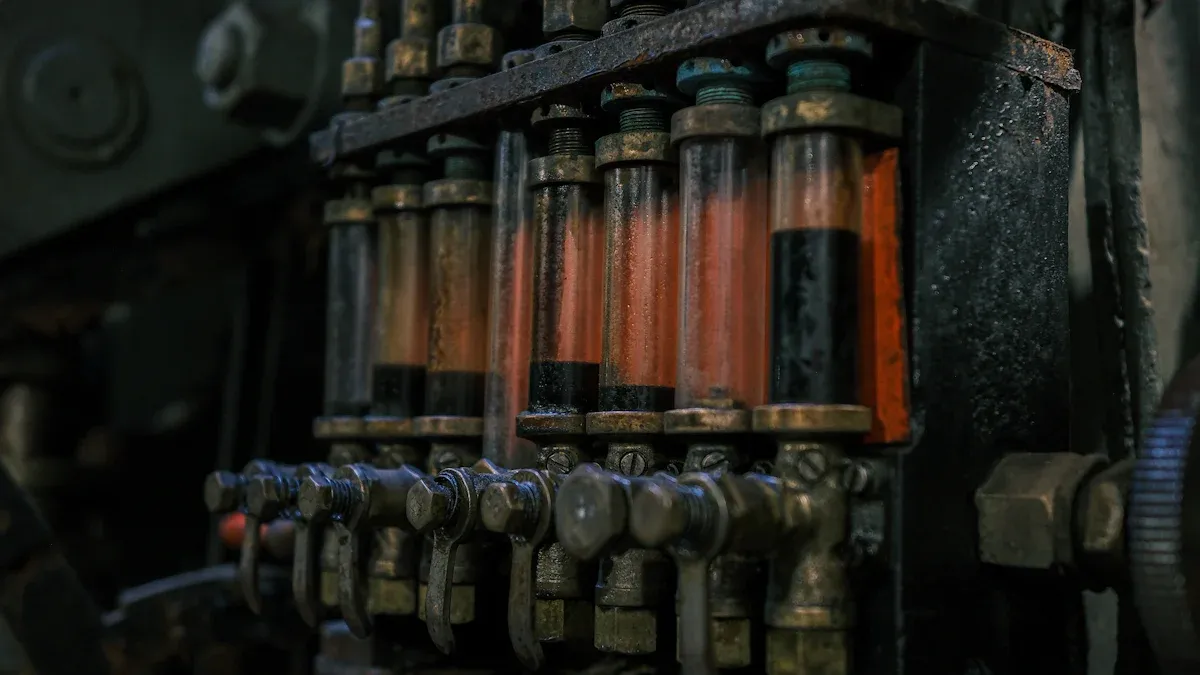
Fuel injectors are vital components in your engine. They deliver fuel to the combustion chambers. Think of them as tiny, precise nozzles. They spray fuel into your engine. A fuel injection system has several parts. You have the fuel tank, a fuel supply pump, and a fuel filter on the low-pressure side. These parts ensure clean fuel reaches the high-pressure side. The high-pressure side includes a high-pressure pump and an accumulator. These components work together to maintain consistent fuel pressure.
The fuel injector itself has key parts.
Injector Nozzle: This part sprays fuel into the engine. It turns fuel into a fine mist.
Solenoid or Piezoelectric Actuator: This controls when the injector opens and closes. It uses electrical signals.
Injector Valve: This valve regulates fuel flow. It opens when the actuator tells it to.
Fuel Filter or Screen: A small internal filter keeps the nozzle clean.
Electrical Connector: This supplies power. It links the injector to your engine’s computer.
Your fuel system maintains specific pressure. For example, a typical system keeps fuel pressure between 28 and 34 PSI. At idle, this pressure might drop slightly, around 30 PSI. This precise pressure ensures proper fuel delivery.
Why Injector Health Matters
Maintaining healthy fuel injectors is crucial for your vehicle. A precise fuel spray pattern ensures optimal engine combustion. It atomizes fuel into tiny droplets. These droplets mix thoroughly with air. This creates a balanced air-fuel mixture. A balanced mixture leads to complete and efficient combustion. You get higher engine power and better fuel economy. Poor spray patterns cause uneven fuel distribution. This leads to incomplete combustion. It increases emissions and reduces overall engine performance.
Optimized fuel sprays prevent fuel from pooling on cylinder walls. Fuel pooling wastes fuel. It also creates carbon deposits. This reduces engine efficiency. An even fuel spread promotes clean combustion. It minimizes engine pressure. This enhances your vehicle’s movement effectiveness.
Ignoring fuel injector problems can lead to severe long-term engine damage. Malfunctioning injectors disrupt the proper fuel mixture. This causes increased wear on parts like pistons and valves. It can lead to overheating. This might warp engine parts. Ultimately, it can cause complete engine failure. This requires expensive repairs. You might experience hydro locking if an injector constantly dumps fuel. This can bend a connecting rod. Fuel mixing with oil reduces lubrication. This leads to bearing damage. Excess unburned fuel can damage your catalytic converter. These are serious fuel injector problems. They reduce engine power and can cost you a lot.
15 Bad Fuel Injector Symptoms

You need to recognize the fuel injectors symptoms that signal trouble. Catching these signs early can save you from bigger problems. Here are 15 critical indicators of a bad fuel injector.
Engine Misfires and Rough Idling
You might feel your engine shake or stumble, especially when you are stopped. This is rough idling. Your engine might also experience engine misfires. This means one or more cylinders are not firing correctly. A bad fuel injector often causes these issues. It might be clogged or leaking. This leads to an inconsistent fuel spray. Your engine does not get the right amount of fuel for proper combustion. This causes the engine to run unevenly. You will notice reduced performance. Prolonged misfires can damage your catalytic converter.
Your vehicle’s computer often detects these problems. It stores specific diagnostic trouble codes (DTCs). For example, codes like P0300 through P0308 indicate an engine misfire. Codes P0171 and P0174 often signal a lean fuel condition. These codes point to potential fuel injector problems.
Reduced Fuel Economy
You will notice you are filling up your gas tank more often. This is a clear sign of poor fuel economy. A faulty fuel injector can leak fuel or spray it inefficiently. This means your engine uses more fuel than it needs to. You waste money at the pump. This also increases your vehicle’s emissions.
Check Engine Light On
The “Check Engine” light on your dashboard is a warning. It illuminates when your car’s computer detects a problem. A malfunctioning fuel injector can trigger this light. The computer senses issues like misfires or incorrect air-fuel mixtures. You need to scan your vehicle for diagnostic codes. These codes help pinpoint the exact symptoms of the problem. Common codes related to fuel injector issues include:
P0200-P0208 (Injector Circuit Malfunction)
P0300-P0308 (Misfire Detected)
P0171/P0174 (Lean Fuel Condition)
Engine Stalling
Your engine might suddenly shut off, especially at low speeds or when you come to a stop. This is engine stalling. A bad fuel injector can cause this. It delivers either too much or too little fuel to the engine. This disrupts the combustion process. An unexpected stall can be very dangerous. This risk increases when you drive at high speeds or in heavy traffic. You could lose control of your vehicle. This is a serious safety concern among fuel injector problems.
Strong Fuel Odor
You might smell gasoline inside or outside your car. This strong fuel odor indicates a fuel leak. A leaking fuel injector or a damaged fuel line can cause this. Fuel leaks are a fire hazard. They also pose health risks. Inhaling gasoline fumes can cause headaches, dizziness, and nausea. Prolonged exposure can lead to more severe respiratory issues. You should address this immediately.
Engine Surging or Hesitation
Your car might suddenly accelerate or decelerate without your input. This is engine surging. You might also feel a delay when you press the accelerator. This is hesitation. Inconsistent fuel delivery from a faulty injector causes these issues. This can be dangerous. You might lose control of your vehicle, especially when merging onto a highway. This can lead to a loss of power or a feeling of stalling. Your car might jerk or lurch forward. You need to have this inspected promptly to ensure your safety.
Poor Acceleration
You will notice your car feels sluggish. It struggles to gain speed when you press the gas pedal. This is poor acceleration. A bad fuel injector cannot deliver enough fuel to the engine. This reduces the engine’s power. You will find it difficult to merge into traffic or pass other vehicles. This makes driving frustrating and potentially unsafe.
Increased Exhaust Emissions
You might see visible smoke from your exhaust pipe. Your vehicle might also fail an emissions test. A faulty fuel injector causes incomplete combustion. This increases harmful pollutants in your exhaust. Different injector conditions lead to different pollutants:
Injector Condition | Pollutants Increased |
|---|---|
Clogged or leaking | Hydrocarbon (HC) and Carbon Monoxide (CO) |
Worn nozzle or poor atomization | Particulate Matter (PM) and Nitrogen Oxides (NOx) |
Injector Leakage | Particulate Matter (PM) |
Poor Atomization | Soot and Nitrogen Oxides (NOx) |
Incorrect Injection Timing | Nitrogen Oxides (NOx) and Carbon Monoxide (CO) |
Electrical Faults | Hydrocarbon (HC) |
These increased emissions harm the environment. They also indicate serious fuel injector problems.
Engine Vibration
You might feel your engine shaking or vibrating more than usual. This is often noticeable when your car is idling. A clogged or dirty fuel injector sprays fuel inconsistently. This means your engine does not receive the fuel it needs to fire properly. This uneven combustion causes the noticeable vibration. It is a common sign of rough idling.
Fuel Leaks
You might see puddles of fuel under your car. You might also smell gasoline strongly. This indicates fuel leaks. Damaged fuel injectors or their seals can cause these leaks. Fuel leaks are a serious fire hazard. They also harm the environment. Gasoline contains harmful chemicals. These chemicals can contaminate soil and water sources. This poses risks to wildlife and ecosystems. Even small leaks have a significant environmental impact over time. These are critical signs of dirty fuel injectors or other injector damage.
Hard Starting
Your engine might crank for a long time before it starts. Sometimes, it might not start at all. This is hard starting. A bad fuel injector might not deliver enough fuel during startup. This prevents proper combustion. You might also have low fuel pressure. This makes it difficult for the engine to ignite. Diagnostic tools can help identify these fuel injector problems. For example, a Sealed Rail Kit checks injector back leakage. This helps find leaks that cause hard starting.
Black Exhaust Smoke
You might see thick, black smoke coming from your tailpipe. This indicates an overly rich air-fuel mixture. A faulty fuel injector, often stuck open, delivers too much fuel into the combustion chamber. Your engine cannot burn all this excess fuel. The unburnt fuel then exits through the exhaust system as black smoke. This wastes fuel. It can also damage your catalytic converter.
White Exhaust Smoke
You might see white smoke from your tailpipe. This can indicate raw fuel burning in the exhaust system. An injector stuck open can dump too much fuel. This fuel does not burn completely in the engine. It then burns in the exhaust. This is one of the fuel injectors symptoms that signals a serious issue. It can lead to rapid fuel consumption and engine damage.
Engine Knocking or Pinging
You might hear a metallic knocking or pinging sound from your engine. This sound often occurs during acceleration. Incorrect fuel delivery from a bad injector can cause this. It leads to pre-ignition or detonation. This means the fuel ignites at the wrong time. Persistent engine knocking can severely damage engine components. It can melt holes through pistons or cylinder heads. This introduces metal fragments into your oil system. Hypereutectic pistons are especially vulnerable to this damage. This is a serious symptom, often accompanied by rough idling.
Erratic RPM or Weak Pedal Response
Your engine’s revolutions per minute (RPM) might fluctuate wildly. You might also notice a weak response when you press the accelerator. This means your engine is not delivering consistent power. Inconsistent fuel delivery from a bad injector causes these issues. This can lead to transmission slipping. Your tachometer needle might rise, but your car’s speed does not increase. This puts more strain on your engine and transmission. It can also increase fuel consumption.
Common Symptoms of Bad Fuel Injectors: What They Mean
Understanding Misfire Codes
When your engine misfires, your car’s computer records a specific code. These codes tell you which cylinder is having trouble. For example, a P0301 code means cylinder 1 misfired. A P0300 code indicates random misfires. These codes often point to fuel injectors symptoms. A faulty fuel injector might not spray fuel correctly. This causes incomplete combustion in that cylinder. You need to check these codes to pinpoint the problem. This helps you diagnose issues like a clogged or leaking injector.
Interpreting Fuel Trim Readings
Your car’s computer constantly adjusts the fuel it delivers. This is called fuel trim. You can read these values with a diagnostic scanner.
Positive fuel trim means the computer adds more fuel. This often signals a lean condition. A clogged or dirty fuel injector could cause this. It does not deliver enough fuel.
Negative fuel trim means the computer reduces fuel. This indicates a rich condition. A leaking or dribbling fuel injector often causes this. It delivers too much fuel. A fuel pressure leak-down test can help detect leaking injectors. Understanding these readings helps you identify common symptoms of bad fuel injectors.
The Link to Performance Loss
Bad fuel injectors directly cause a loss of power in your engine. Injector duty cycle controls how much fuel enters the engine. This is the percentage of time an injector stays open. Optimal spray patterns and droplet size are also crucial for generating engine power. Manufacturers consider these factors when they recommend injectors. Different fuel types, like E85, also change the required fuel volume. This impacts injector performance. As your engine demands more output, it needs more fuel. This extra fuel also helps cool the combustion chamber. More output means you need larger fuel injectors. If your injectors fail, you will experience a noticeable reduction in your car’s acceleration and overall capability.
Causes of Fuel Injector Problems
You might wonder why fuel injectors fail. Several factors can lead to fuel injector problems. Understanding these causes helps you prevent future issues.
Clogged Injectors
Your fuel injectors can get clogged. Fuel impurities, dirt, and various deposits build up over time. This restricts fuel flow. It also impairs injector performance. Low-quality fuel often contains impurities. These impurities leave deposits within the injectors. Contaminated fuel filters can fail. They allow debris to reach the injectors. Carbon deposits also form from incomplete combustion. High engine temperatures can cause them. If you do not use your engine regularly, fuel can gum up the injectors. If substances like refuse or gravel clog one of the fuel injector’s spray tips, it can significantly alter the fuel spray pattern.
Electrical Failures
Fuel injectors rely on electrical signals. These signals tell them when to open and close. Electrical failures can cause fuel injector problems.
Heat Degradation: High engine temperatures make wire insulation brittle. It can crack and expose bare copper. This leads to shorts.
Vibration Fatigue: Constant engine vibration causes wires to rub. This wears through insulation. It can break copper strands. This results in open circuits.
Chemical Exposure: Leaks of oil, coolant, or battery acid corrode wire insulation. Fuel vapors can also damage connectors.
Rodent Damage: Rodents often chew through wiring. This causes shorts or open circuits.
Connector Failure: Connectors become brittle from heat and age. Metal terminals inside can corrode or loosen.
Wear and Tear
Modern fuel injectors are built for long-term use. Major manufacturers design them to last for the entire lifespan of your vehicle. They can handle billions of cycles. However, several factors influence their lifespan. Poor fuel quality can damage internal components. Regular fuel filter changes and injector servicing are crucial. High engine loads, frequent idling, and extreme temperatures accelerate wear. Aggressive driving and frequent cold starts also reduce longevity. For heavy-duty diesel engines, you should replace fuel filters every 25,000–50,000 miles. This helps ensure injector longevity.
Fuel Contamination
Contaminated fuel is a major cause of fuel injector problems. Impurities in your fuel can lead to clogging. They can also cause corrosion. Water in fuel is especially damaging. It can rust internal injector components. This affects their precise operation. Always use clean, high-quality fuel. This helps prevent many common fuel injector problems.
Addressing Fuel Injector Issues
Immediate Steps to Take
You notice severe fuel injector symptoms. You should take action right away. First, consider a fuel injection cleaning service. This service flushes out debris and clogs. It can restore how your injectors work. This improves performance and fuel efficiency. It also helps your injectors last longer. If cleaning does not fix the problem, get a full vehicle inspection. A qualified technician can check your fuel injectors. They also look at spark plugs, the fuel pump, or the air filter. This helps find the exact cause.
Self-diagnosis is often hard. Many symptoms overlap with other car issues. Your Check Engine Light and stored codes are good starting points. Use an OBD-II scanner to get Diagnostic Trouble Codes (DTCs). Codes like P030X (cylinder misfire) or P020X (injector circuit malfunction) strongly point to fuel injector problems. Record all codes you find.
When to See a Mechanic
You should see a trusted mechanic or fuel injection specialist. Take your vehicle and the codes you found. They have special tools and knowledge for a precise diagnosis. Mechanics use scan tools to read codes and check fuel trims. They use digital multimeters to test injector coils. Noid lights confirm if the injector gets its signal.
A fuel pressure gauge kit measures fuel pressure. They might also use a mechanic’s stethoscope to listen for injector clicking. These tools help them find the exact fuel injector trouble. They can perform fuel pressure tests, injector balance tests, and electrical tests. If a faulty injector is confirmed, discuss replacement options. You might replace just the bad one. Or, you might replace all injectors, especially in older cars.
Preventative Maintenance
You can prevent many fuel injector problems. Regular maintenance is key. Most manufacturers suggest fuel system cleaning every 15,000 to 30,000 miles. For port fuel injection, cleaning is often recommended every 45,000 to 75,000 miles. Gasoline Direct Injection (GDI) engines need cleaning more often. Aim for every 30,000 to 45,000 miles due to carbon buildup. Diesel engines have different intervals, usually between 50,000 and 100,000 miles. Always check your vehicle’s owner’s manual. It has the specific maintenance schedule for your car.
Healthy fuel injectors are vital for your vehicle’s performance and longevity. Ignoring fuel injectors symptoms leads to severe engine problems and costly repairs. Be vigilant for these signs. Consult a qualified mechanic promptly if you suspect fuel injector problems. Proactive maintenance helps maintain engine power and prevents issues. This ensures consistent power delivery.
FAQ
How long do fuel injectors last?
Fuel injectors often last the life of your vehicle. Proper maintenance helps them last longer. You should use quality fuel. You also need to change your fuel filter regularly. This prevents premature wear.
Can I clean fuel injectors myself?
You can use fuel system cleaners. Pour them into your gas tank. For deeper cleaning, a professional service is best. They use specialized equipment. This ensures thorough cleaning.
What happens if I ignore bad fuel injector symptoms?
Ignoring symptoms leads to bigger problems. You might damage your engine. Your catalytic converter could fail. This means expensive repairs. Your car’s performance will suffer.
How much does it cost to replace a fuel injector?
Costs vary. It depends on your car’s make and model. Labor costs also play a role. You can expect to pay a few hundred dollars per injector. Replacing all injectors costs more.