You wonder if cracks in tire sidewall mean danger. Some small, surface-level cracks might not pose an immediate threat. However, deep or widespread cracking is a serious safety concern. You must understand the difference between minor and severe damage. Seek professional advice for any significant issues. The National Highway Traffic Safety Administration reports 11,000 tire-related crashes annually. These incidents resulted in 563 fatalities in 2022. Driving on cracked tires significantly increases risks. This is a major safety concern. You need to address cracked tires promptly.
Key Takeaways
Small cracks on your tire sidewall may be okay. Deep or wide cracks mean danger. You must know the difference.
Tire age, sunlight, and bad care cause cracks. Check your tire pressure often. Store tires away from sun and chemicals.
Driving on cracked tires is very risky. It can cause a sudden tire blowout. This makes you lose control of your car.
Replace tires with deep cracks right away. Also, replace tires that are 5 to 7 years old. A professional can help you decide.
Check your tires regularly. Keep them properly inflated. Protect them from the sun. This helps prevent cracks and keeps you safe.
What Causes Cracks in Tire Sidewall?
Tires are tough, but they do not last forever. Several factors cause them to develop cracks. You need to understand these causes. This helps you prevent future damage.
Tire Age and Environmental Exposure
Tires naturally degrade over time. You will see tires cracking as they age. This often happens after 5-7 years. The rubber compounds lose their flexibility. They become brittle. Environmental conditions also play a big role. Extreme temperatures, both hot and cold, stress the rubber. This speeds up the aging process.
UV Rays and Chemical Degradation
Sunlight contains ultraviolet (UV) rays. These rays are very damaging to rubber. They break down the chemical bonds in your tires. This process is called photodegradation. It makes the rubber dry and stiff. Road chemicals also harm your tires. Oil, grease, and cleaning products can degrade the rubber. They make your tires brittle. This leads to tires cracking.
Poor Tire Maintenance Practices
How you care for your tires directly affects their lifespan. Consistent underinflation is a major problem. When your tire lacks enough air, its sidewall flexes too much. This happens every time you drive. This excessive flexing creates heat and stress within the rubber.
Over time, this combination causes tire sidewall cracking. The air pressure inside the tire supports your vehicle’s weight. The sidewall itself is not designed for this. Improper storage also contributes to cracking. Storing tires in direct sunlight or near harsh chemicals accelerates their degradation. You must maintain proper tire pressure. This prevents unnecessary stress and extends tire life.
Assessing Tire Sidewall Cracking: Minor vs. Severe
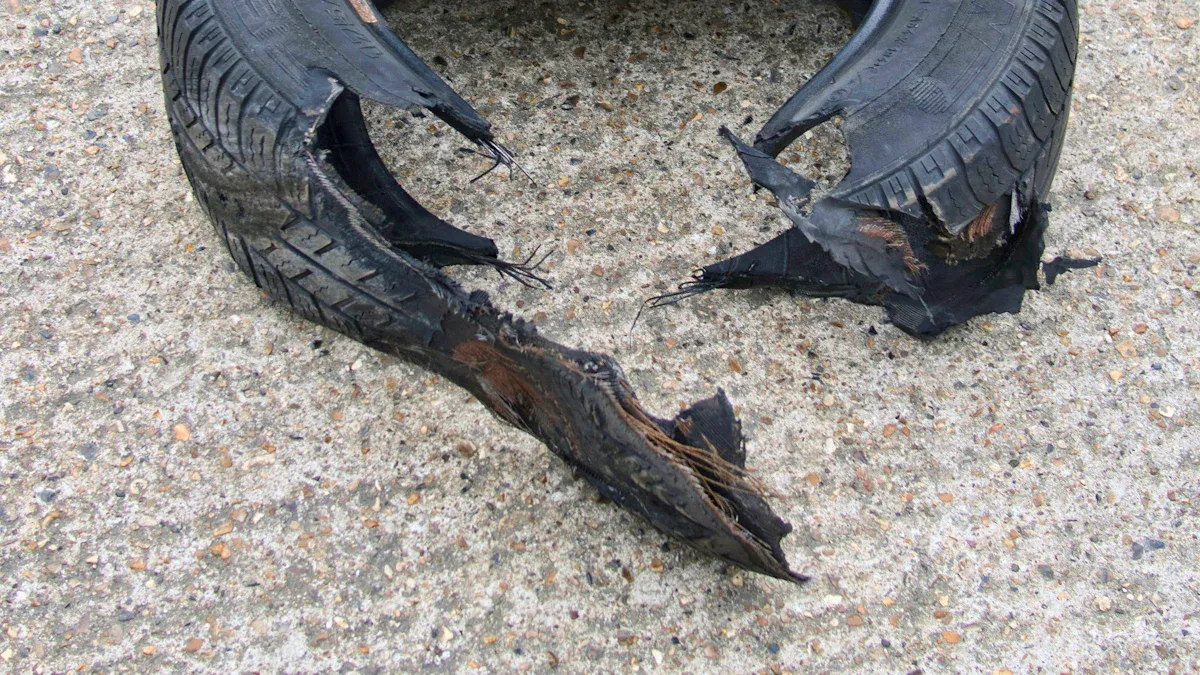
You need to know the difference between minor and severe tire damage. Not all cracks mean immediate danger. Some are cosmetic. Others indicate a serious problem. You must learn how to assess these issues. This helps you make safe decisions.
Identifying Superficial Weather Cracks
You might see small, hairline cracks on your tire sidewall. These are often called weather cracks or ozone cracks. They appear on the surface. They do not go deep into the rubber. You can usually see them when you closely inspect your tires. These visible cracks often look like a spiderweb pattern. They are a sign of aging rubber. They usually do not affect the tire’s structural integrity. Think of them like fine lines on old leather. They are mostly cosmetic. However, you should still monitor them. They can worsen over time.
Recognizing Deep or Extensive Cracks
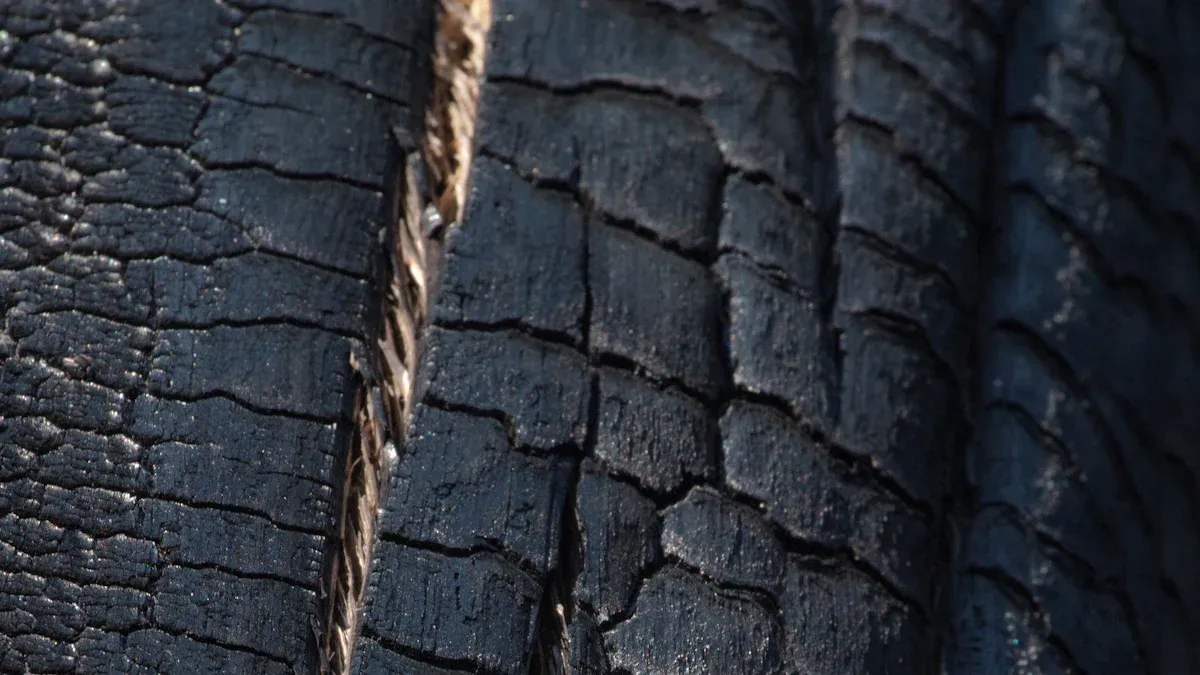
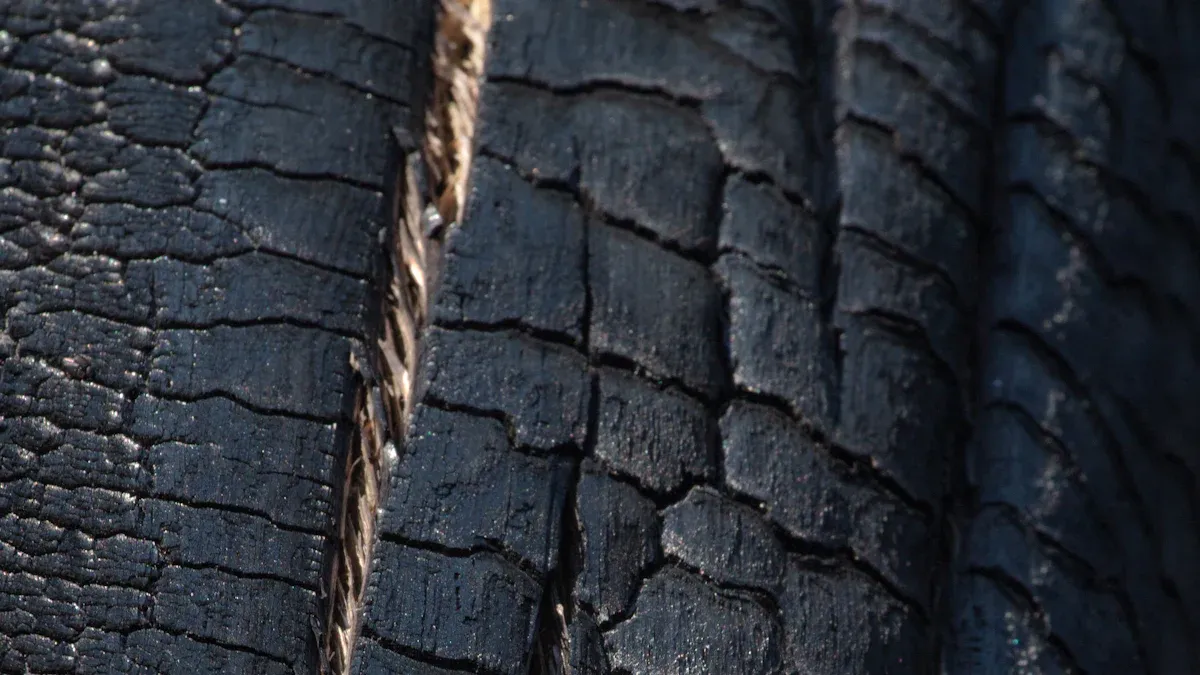
Deep or extensive cracks are a serious concern. These cracks are not just on the surface. They penetrate deeper into the tire’s rubber. You can often feel them with your fingertip. They might appear as long, continuous lines. They could also show up as large, separated chunks of rubber. If you see cords or fabric through the cracks, the tire is extremely dangerous. This means the tire’s structure is compromised. Extensive tire sidewall cracking indicates severe degradation. This type of damage weakens the tire significantly. It increases the risk of sudden failure. You must address these cracks immediately.
Tip: To check for depth, gently press on the crack. If it opens up or you can see deeper layers, it is likely severe.
Sidewall Cracks vs. Tread Cracks: A Comparison
You might wonder about the difference between sidewall cracks and tread cracks. Both types of tires cracking are bad. However, they pose different risks. Tread cracks appear on the part of the tire that touches the road. These cracks can lead to tread separation. This is dangerous. Sidewall cracks appear on the side of the tire. The sidewall is crucial for supporting the vehicle’s weight. It also absorbs road shocks. It flexes constantly during driving. Severe sidewall cracks are particularly risky. They directly weaken the tire’s structural integrity. A compromised sidewall can lead to a sudden blowout. This is especially true at high speeds. While tread cracks are serious, severe sidewall cracks often present a more immediate and unpredictable danger.
The Dangers of Driving on Cracked Tires
You must understand the severe risks. Driving on cracked tires, especially extensively cracked ones, is extremely dangerous. These cracks weaken the tire structure. This weakness can lead to a sudden tire blowout. A blowout happens without warning. It is especially risky during long trips. High speeds also increase this danger. A tire blowout can cause you to lose control. This puts you and others at great risk.
Increased Risk of Tire Blowouts
Cracked tires pose a direct threat. They can fail suddenly. This often results in a tire blowout. Imagine driving on the highway. Your tire suddenly loses all air. This can cause your vehicle to swerve. You might struggle to keep control. This situation is very dangerous. It can lead to serious accidents. Always check your tires before a long journey.
Compromised Vehicle Handling and Stability
Cracked tires affect how your car handles. The tire’s integrity is compromised. This means it cannot perform as designed. You might notice your steering feels less responsive. Your vehicle may sway more. This reduces your control over the car. Poor handling makes emergency maneuvers difficult. It increases your chance of an accident. Your car’s stability relies on healthy tires.
Weak Points Under Driving Stress
The tire sidewall carries significant stress. It supports your vehicle’s weight. It also absorbs bumps from the road. Every turn and every stop puts pressure on it. Cracks in tire sidewall create critical weak points. These areas cannot handle the stress. They can fail under normal driving conditions. This makes driving on cracked tires a serious gamble. Sidewall cracks compromise the tire’s ability to flex safely. This increases the risk of a catastrophic failure.
When to Replace Tires Due to Sidewall Cracks
You must know when to replace your tires. Ignoring severe damage puts you at risk. Learn the critical signs and timelines for tire replacement.
Professional Inspection: When It’s Crucial
You must know when to seek expert help. If you notice any tire bulges or cracks, seek professional inspection immediately. A professional inspection is crucial to determine if tire damage affects its integrity. Specialists can provide recommendations on whether replacement is necessary or if the tires can continue to perform safely. Understand that severe bulges may require a tire replacement instead of repair. When you notice tire bulges or cracks, seeking professional inspection and replacement should be your next step. Do not delay this important step. Your safety depends on it.
The 5-7 Year Rule for Tire Lifespan
Tires do not last forever, even with good care. Manufacturers recommend replacing tires after 5 to 7 years. This rule applies even if the tires look fine. Rubber compounds degrade over time. This leads to tires cracking. Older tires are more prone to failure. You should check the manufacturing date on your tire’s sidewall. This date tells you the week and year the tire was made. For example, “2219” means the 22nd week of 2019. Replace tires past this age limit for your safety.
Signs That Demand Immediate Tire Replacement
Some signs mean you need new tires right away. Cracks on the sidewall are particularly dangerous. They compromise the integrity of the tire. This can lead to a sudden blowout or slow leaks. They necessitate immediate attention. Sidewall cracks signal immediate attention because such defects weaken the tire structure. This risks blowouts. You must replace tires if you see:
Cracks that continue to grow in length, depth, or number.
Cracks visible between the treads.
Cracks in tire sidewall on a tire that is only a few years old. This could indicate a manufacturing defect. These are clear indicators of severe tires cracking. Do not ignore these warnings. Immediate replacement is the only safe option.
Preventing Future Tire Sidewall Cracking
You can take steps to extend your tires’ life. You can also prevent cracks in tires. Proper care helps avoid premature degradation. This keeps you safer on the road.
Proper Tire Inflation and Rotation
Maintain correct tire pressure. This is crucial for tire health. Check your tire pressure regularly. Underinflated tires flex too much. This causes stress and heat buildup. This leads to tires cracking. You should also rotate your tires often. This ensures even wear. For most daily drivers, rotate tires every 5,000 to 6,000 miles. You can also rotate them at every oil change. If you drive in the city, carry heavy loads, or take frequent highway trips, rotate them more often. If you drive very few miles, rotate tires at least every six months. This prevents uneven wear patterns. For All-Wheel Drive vehicles, strict 10,000-mile rotations are recommended. This maintains consistent tread depth.
Protecting Tires from Environmental Elements
Environmental factors damage tires. UV rays and harsh chemicals cause rubber to degrade. You can protect your tires during storage.
Clean Tires Before Storage: Remove dirt, debris, and brake dust. Use mild dish soap, water, and a cloth. Avoid professional cleaners or glosses. They can accelerate deterioration. Ensure tires are completely dry.
Store in Airtight Plastic Bags: Place each clean, dry tire in an individual large plastic bag. Vacuum-sealable bags work best. Remove as much air as possible. This reduces moisture buildup.
Keep in a Climate-Controlled Environment: Store tires in a cool, dry place. A basement or climate-controlled unit is ideal. This minimizes exposure to severe temperature changes. Avoid direct sunlight and outdoor storage.
Stack Tires Correctly: Store tires vertically if space is limited. This prevents distortion. If you stack them horizontally, rotate them monthly. Always place something under the bottom tires. This prevents contact with the ground and moisture.
Regular Visual Tire Inspections
You should regularly inspect your tires. Look for any signs of damage. Early detection helps prevent serious issues. Perform frequent tire inspections. Check for small cracks, bulges, or punctures. Pay close attention to the sidewalls. Catching minor issues early can prevent extensive tires cracking. This keeps your tires in good condition.
Never ignore cracks in tire sidewall. Your safety is paramount. Minor cracks might be manageable. However, extensive tire sidewall cracking demands professional attention and likely replacement. Avoid driving on cracked tires. Proactive tire maintenance and regular checks ensure road safety. Always inspect your tires. Prioritize tire health for a safe driving experience.
FAQ
Can I drive on tires with minor sidewall cracks?
You can drive on tires with minor, superficial weather cracks. These cracks are often cosmetic. They do not usually affect the tire’s structure. However, you should monitor them closely. They can worsen over time.
How do I check for deep tire cracks?
You can check for deep cracks visually. Look for cracks that go beyond the surface. Gently press on the crack with your fingertip. If it opens up, or you see deeper layers, the crack is deep. This indicates a serious problem.
What causes tire sidewall cracks to appear quickly?
Poor maintenance causes quick cracks. Underinflation is a major factor. It makes the sidewall flex too much. UV rays and harsh chemicals also speed up degradation. These elements break down the rubber quickly.
Should I replace tires based on age alone?
Yes, you should replace tires based on age. Manufacturers recommend replacing tires after 5 to 7 years. This applies even if they look fine. Rubber degrades over time. Older tires are more prone to failure.
Is it safe to repair a cracked tire sidewall?
No, it is not safe to repair a cracked tire sidewall. Sidewall damage compromises the tire’s structure. Repairs cannot fully restore its integrity. You must replace the tire for your safety.