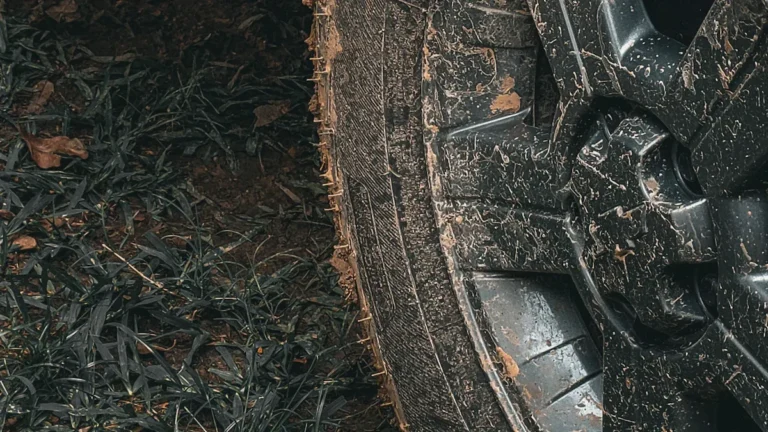
Tire feathering happens at the time tread blocks wear into a jagged, step-like pattern, so one edge feels sharp and the other feels smooth. It usually comes from bad alignment, worn suspension parts, wrong tire pressure, or harsh driving. You may notice a humming sound, light vibration, and weaker grip, especially in rain or during hard stops. Check pressures, rotate tires, and schedule an alignment soon, because the next steps can help you stop the damage from getting worse.
What Tire Feathering Looks and Feels Like
Although the words “tire feathering” can sound a little strange, what you’re really managing is a very specific kind of uneven wear that you can see and feel on the tread.
During a simple tread inspection, you’ll notice diagonal wear patterns across the ribs that look a bit jagged, almost like tiny steps.
When you slide your hand along the tread, one edge could feel sharp while the other feels smooth and rounded. That uneven texture is your biggest clue.
As feathering gets worse, you could start feeling light vibrations in the steering wheel and hearing a low humming or droning sound.
These signs connect what you see and feel on the tire with how your car actually rides, steering, and handles.
Main Causes Behind Feathered Tread Wear
Once you know what feathered tread looks and feels like, the next step is to understand what’s actually causing it on your car. You’re not alone should this feel confusing at the outset, but the roots are simple once you see how each part works together.
The main cause is poor wheel alignment. Whenever your wheels don’t point straight, the tread scrubs across the pavement and creates that uneven, sawtooth feel.
Alignment often goes off because of suspension wear. Tired bushings, loose ball joints, or worn tie rods let the wheels wobble slightly and change how the tire meets the road.
Incorrect tire pressure adds to the problem, and aggressive habits like hard braking or sharp cornering push those uneven forces even further.
Regular checks keep you ahead of all this.
How Feathering Impacts Safety and Performance
As your tires start to feather, you don’t just lose rubber, you lose trust in how your car responds.
You might feel less traction and control, along with extra noise and vibration that can make every drive feel a little tense and distracting.
Let’s look at how these small changes in your tire tread can quietly affect your safety and your car’s general performance.
Reduced Traction and Control
Even though tire feathering could seem like a small issue initially, it can quietly steal away the traction and control you count on to feel safe behind the wheel.
As the tread edges wear unevenly, you face traction loss during quick starts, hard stops, and sudden swerves. That’s at which small control issues start to feel big.
You may notice the car drifting slightly as you brake or a delay as you turn the wheel in rain or snow. The tire’s contact patch shrinks, so your vehicle needs more distance to slow down, which can feel scary in traffic.
- Longer braking distances
- Slower steering response in curves
- Less grip in wet or slick conditions
Increased Noise and Vibration
Although tire feathering starts as a quiet change in the tread, it quickly turns into something you can hear and feel every time you drive.
The uneven, jagged edges slap the road and cut into your noise comfort. Instead of a smooth hum, you get a steady growl or droning sound that follows you everywhere. It can make even a short drive feel tiring.
Those same rough edges also cause vibrations, especially at higher speeds. The steering wheel might buzz, the seats might shake, and the car can feel slightly unsettled.
Over time, those vibrations strain suspension parts and make handling feel loose. That extra shaking wears you down too, leading to fatigue and less focus at the moment you need it most.
Quick Fixes You Can Do Right Now
Should you just spotted that strange feathered pattern on your tires and feel a bit worried, you’re not alone, and there are a few simple things you can start doing right away to calm the damage.
Initially, grab a gauge and set your tire pressure to the number on the door sticker. Balanced tires wear together and help you feel safer on every drive.
Then, take a slow walk around your car and look for uneven wear or sagging that could hint at suspension issues.
- Gently smooth out your driving habits by braking earlier and turning less sharply.
- Mark your mileage so you can rotate tires every 5,000 to 7,500 miles.
- Plan a wheel alignment check soon, especially after hitting a pothole.
Professional Repairs and When to Replace Tires
Once you’ve done the quick fixes at home, the next step is to let a trained technician dig into what’s really causing the feathering on your tires. You’re not alone in this. A shop can check alignment, balance, and suspension parts so your tires wear evenly and your car feels steady and safe.
| Situation you notice | What the shop might recommend |
|---|---|
| Mild feathering on one edge | Alignment and balance service |
| Uneven wear plus shaky steering | Suspension inspection and parts |
| Deep, rough feathering across tread | Tire replacement for safety |
When a tire can’t be saved, replacing it protects you, improves handling, and supports tire longevity on the whole set. Regular professional checks also keep repair costs lower through catching problems before they spread.
Simple Maintenance Habits to Prevent Feathering
To keep feathering from coming back, you’ll want to stay on top of a few simple habits, starting with routine alignment checks.
As you pair those checks with a steady tire rotation schedule, you spread out the stress your tires feel and protect them from uneven wear.
Together, these two steps give your tires a fair chance to wear evenly and help you feel safer and more in control on the road.
Routine Alignment Checks
Even though tire feathering can feel frustrating and a little scary, routine wheel alignment checks provide you a simple way to stay ahead of it.
Whenever you plan a regular alignment frequency, about every six months, you protect your tires, your ride, and your peace of mind. Shops use precise alignment tools to make sure each wheel points straight and sits at the right angle, so tread meets the road evenly.
You’re not alone should you have hit a curb or pothole and worried afterward. That’s exactly the moment to schedule an extra check.
- Catch initial feathering before it spreads
- Spot worn suspension parts that quietly cause problems
- Keep steering feel steady and predictable
- Help your tires last longer and ride smoother
Proper Rotation Schedule
Although tire feathering can feel like a random problem, a steady rotation schedule gives you a simple way to stay in control.
Whenever you rotate your tires every 5,000 to 7,500 miles, you share the workload between them. That small habit becomes powerful tire maintenance that keeps tread wear even and your ride calm.
As you follow your manufacturer’s rotation pattern, you also gain significant rotation benefits. You spread out wear from weight differences, daily commutes, and sharp turns, so no single tire suffers alone.
A regular rotation visit lets a trusted tire shop check alignment and suspension before feathering becomes severe. Over time, this rhythm builds confidence. You know your tires are cared for, and you’re not facing the road alone.